Investing in Akon Land, primarily through the ambitious Akon City project in Senegal, requires a strategic understanding of Special Economic Zone (SEZ) regulations, cryptocurrency utility via Akoin, and long-term emerging market cycles. This guide provides a comprehensive framework for navigating the legal, financial, and logistical requirements for securing premium coastal and island-adjacent assets within this visionary development.
Understanding the Vision: Akon City and the Exclusive Island Zones
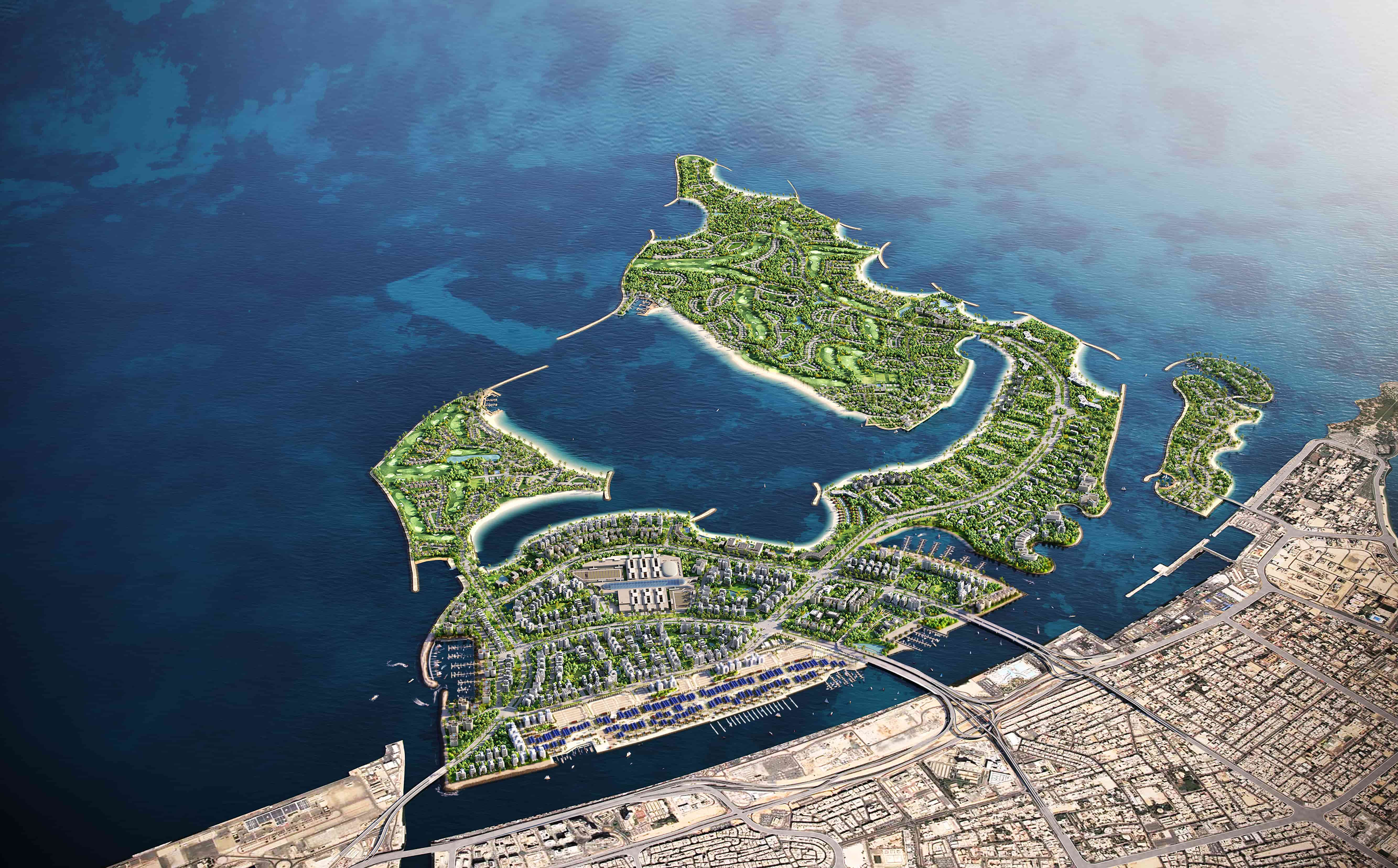
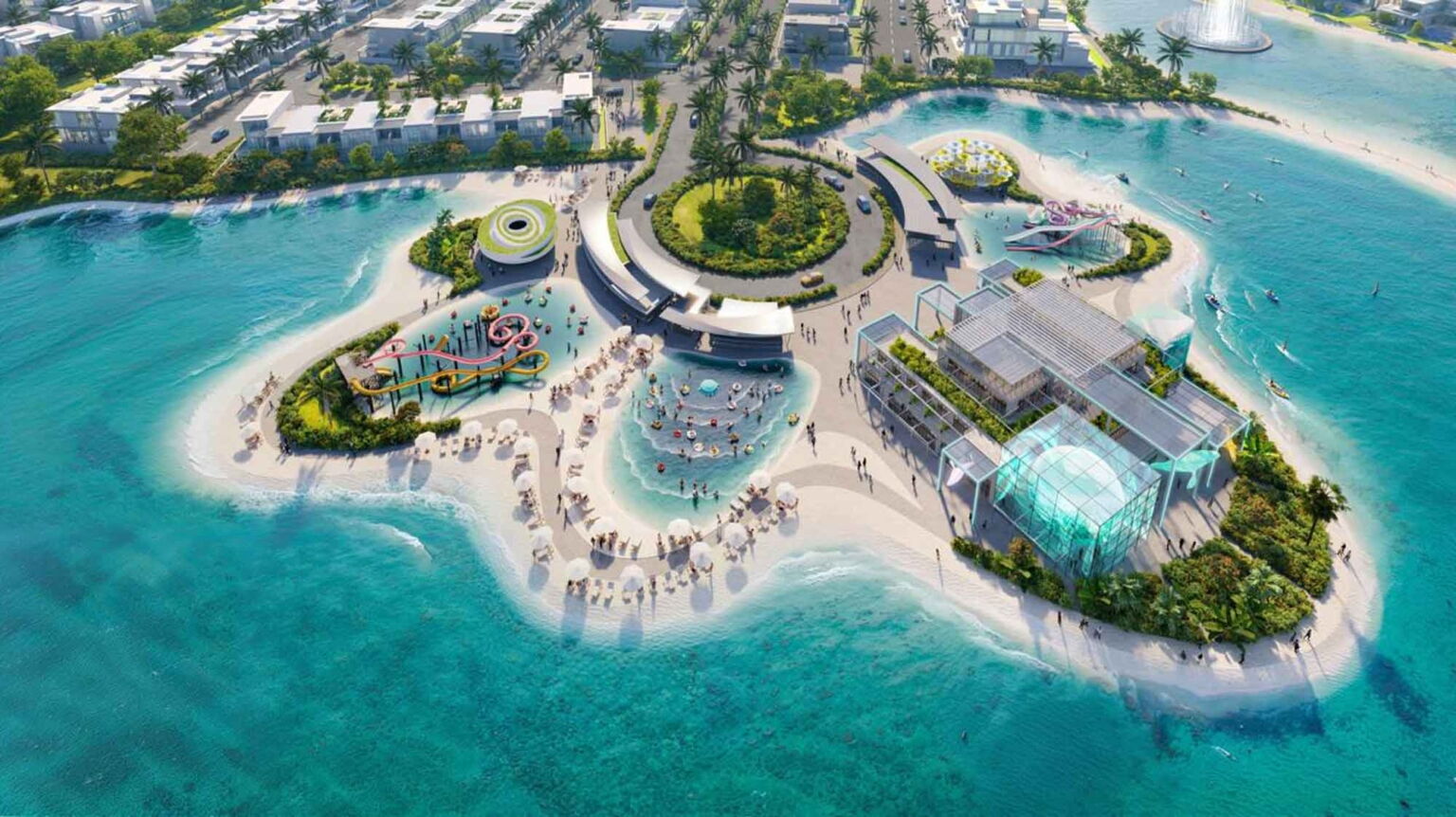
Akon City is a planned "smart city" development located in Mbodiène, Senegal, approximately 100 kilometers south of Dakar. Spanning over 2,000 acres of coastal land, the project was envisioned by entrepreneur and philanthropist Akon as a beacon of African modernization. As of 2026, the project has transitioned from its initial conceptual phase into a structured multi-phase development, with a specific focus on "Akon Land"—the exclusive residential and commercial zones that offer waterfront access and island-style luxury.
The development is divided into several districts, including the African Village, the Tech Hub, and the Education District. However, for investors seeking "island paradise" equivalents, the focus remains on the coastal perimeter. These zones are designed to utilize sustainable energy, advanced waste management, and the latest in smart-grid technology. Understanding this vision is the first step for any investor; this is not merely a real estate purchase but an investment in an integrated technological ecosystem intended to serve as a prototype for future African urbanism.
Investment Eligibility and Prerequisite Requirements
Before committing capital to Akon Land, investors must navigate a specific set of eligibility criteria. Because the project operates within a Special Economic Zone (SEZ) recognized by the Senegalese government, different rules apply compared to standard real estate transactions in Dakar.
Jurisdictional and Legal Standing
Investors must satisfy the Know Your Customer (KYC) and Anti-Money Laundering (AML) requirements established by the Senegalese Agency for the Promotion of Investments and Great Works (APIX). While the project is open to international investors, priority and certain tax incentives are often weighted toward those who can demonstrate a commitment to local economic development or technological integration.
Financial Readiness and Capital Allocation
Investment in Akon Land typically occurs at two levels: direct land lease/purchase and tokenized asset ownership. Direct investment often requires a minimum capital threshold, which varies depending on whether the plot is designated for commercial or luxury residential use. By 2026, the secondary market for these stakes has become more defined, requiring investors to have verified digital wallets capable of holding and transacting in the project’s native currency.
Technical Infrastructure Prerequisites
Prospective owners must be prepared to integrate their holdings with the city’s smart-city protocols. This includes adhering to specific architectural standards set by Lead Architect Hussein Bakri and ensuring that any structures built on the land meet the "Green Building" certifications required by the SEZ authority.
The Role of Akoin (AKN) in the Ecosystem
A cornerstone of the Akon Land investment model is the use of Akoin (AKN), a cryptocurrency designed for use across the African continent and within the city itself. In 2026, the utility of this token has matured, serving as the primary medium for transaction fees, property taxes, and utility payments within the development.
The tokenization of real estate allows for fractional ownership, meaning smaller investors can buy "shares" of a luxury coastal villa or a commercial tech hub unit without needing to purchase the entire plot. For the exclusive island paradise zones, AKN provides a transparent ledger of ownership, which is crucial in emerging markets where traditional land title registries can sometimes face administrative delays.
Investors should be aware of the following AKN functionalities:
- Atomic Swaps: The ability to swap AKN for other major cryptocurrencies or local fiat (CFA Franc) via approved exchanges.
- Smart Contracts: Property leases and deeds are often executed via smart contracts, reducing the need for traditional notary intermediaries for certain transaction types.
- Governance: Holding a significant amount of AKN may grant certain voting rights regarding local municipal improvements within the Akon City districts.
Step-by-Step Guide to Acquiring Property or Land Stakes
Navigating the acquisition process requires a blend of traditional real estate due diligence and modern digital asset management. Follow these steps to secure a position in the coastal or island districts of the project.
1. Verification of Official Channels
Ensure you are communicating with the authorized development partner, currently identified as KE International, or the official government liaison for the Mbodiène SEZ. Avoid third-party "middlemen" who cannot provide verified documentation from the Senegalese Ministry of Tourism and Air Transport.
2. Selection of Investment Tier
Decide between the "African Village" (cultural/residential focus) or the "Coastal Hub" (luxury/investment focus). The island-adjacent plots are part of the higher-tier luxury zones, which often carry higher price points but offer better proximity to the planned marina and beachfront amenities.
3. Execution of the MOU and Deposit
Once a plot or stake is selected, a Memorandum of Understanding (MOU) is typically signed. This document outlines the development timeline and the investor's obligations. A deposit, often payable in a combination of fiat and AKN, is required to lock in the 2026 valuation.
4. Regulatory Approval and Title Registration
The final step involves obtaining the formal "Attestation de Droit d'Usage" (Certificate of Right of Use) from the SEZ authority. In Senegal’s SEZs, land is often held under long-term leases (up to 99 years) rather than absolute freehold, which is a standard practice for large-scale international developments.
Comparative Analysis: Akon Land vs. Alternative Emerging Markets
To understand the value proposition of Akon Land, it is helpful to compare it to other similar high-tech or luxury island developments in the region and globally.
| Feature | Akon Land (Senegal) | Eko Atlantic (Nigeria) | Cape Verde Luxury Resorts |
|---|---|---|---|
| Primary Currency | Akoin (AKN) / CFA Franc | Naira / USD | Euro / Escudo |
| Legal Status | Special Economic Zone (SEZ) | International Financial Centre | Standard Tourism Zone |
| Tech Integration | AI/Blockchain Focused | Infrastructure/Reclamation | Traditional Hospitality |
| Ownership Type | Long-term Leasehold | Leasehold | Freehold (mostly) |
| Energy Source | Solar/Renewable Focus | Independent Power Grid | Hybrid Grid |
| Primary Appeal | Pan-African Visionary Hub | Financial/Commercial Capital | Mature Tourism Market |
Legal Protections and Risk Assessment
Investing in a project of this magnitude carries inherent risks, particularly concerning infrastructure delivery timelines and regulatory shifts. In 2026, while Phase 1 has seen significant movement, the full "island paradise" vision remains a multi-decade endeavor.
Sovereign Risk and Policy Stability
Senegal is historically one of the more stable democracies in West Africa. However, changes in administration can lead to shifts in how SEZs are managed. Investors should ensure their contracts include international arbitration clauses, often citing the OHADA (Organization for the Harmonization of Business Law in Africa) framework, which provides a level of legal predictability.
Infrastructure Dependency
The value of coastal land in Mbodiène is heavily dependent on the completion of the Blaise Diagne International Airport (AIBD) rail link and the expansion of the coastal highway. If these public-sector projects face delays, the accessibility of Akon Land may be impacted, affecting potential rental yields or resale value.
Market Liquidity
While tokenization via Akoin increases liquidity, the market for multi-million dollar physical assets in a new smart city can be thin. Prospective investors should view this as a long-term (10-15 year) asset hold rather than a short-term speculative flip.
Navigating Potential Challenges and Operational Limitations
Even with the best planning, investors may encounter hurdles. Common issues include the synchronization of digital wallets with local banking regulations and the physical logistics of supervising construction from abroad.
- Currency Conversion: Moving large amounts of fiat currency out of the West African Monetary Union (UEMOA) can be subject to strict central bank controls. Utilizing the AKN bridge is often the most efficient route, but it requires compliance with evolving crypto-regulations.
- Building Logistics: Procuring high-end materials that meet the project’s sustainability standards can be expensive. Many investors choose to work with pre-approved international contractors who have established supply chains in West Africa.
- Utility Integration: Ensuring your specific plot is connected to the city's independent water and power grid requires coordination with the city's municipal management firm.
Strategic Recommendations for Prospective Investors
To maximize the potential of an investment in Akon Land, consider a diversified approach. Rather than committing all capital to a single luxury plot, many successful investors distribute their funds across residential land and the tech-hub commercial stakes. This strategy provides exposure to both the growing tourism sector and the burgeoning African tech economy.
Furthermore, maintain active communication with the Akon City Project Management Office (PMO). Regular updates on Phase 2 developments—which include the construction of the medical complex and the stadium—will provide early indicators of when the surrounding land values are likely to see their next major appreciation. Finally, consult with a tax professional familiar with both Senegalese law and your home jurisdiction to optimize the benefits of the SEZ's tax holidays and duty-free import status.
FAQ
Is Akon City a real project or just a concept?
As of 2026, Akon City has transitioned from a concept to a sanctioned Special Economic Zone with ongoing infrastructure development. While early phases faced delays, the project is backed by official agreements with the Senegalese government and remains a physical development site in Mbodiène.
How do I purchase Akoin (AKN) for my investment?
Akoin can be acquired through major cryptocurrency exchanges that support the Stellar network, which AKN was built upon. Once purchased, it must be held in a compatible wallet that has been verified through the project's official KYC portal for use within the city’s ecosystem.
What are the tax benefits of investing in the Akon Land SEZ?
Investors within the Mbodiène Special Economic Zone typically enjoy significant tax exemptions, including reduced corporate income tax, exemptions from value-added tax (VAT) on construction materials, and streamlined customs procedures for imported equipment.
Can I live in Akon City permanently?
Yes, the project is designed as a mixed-use urban center. Residential zones are specifically planned for permanent occupancy, though residents must still comply with Senegal's standard residency and visa requirements unless specific SEZ residency permits are issued.
What happens if the project is never completed?
As with any large-scale real estate development, there is a risk of partial completion. Investors are protected by the legal terms of their land leases and the intrinsic value of the coastal land itself, which is located in a high-growth tourism corridor independently of the Akon City brand.
How does the smart city technology affect my property?
Properties in Akon Land are integrated into a central management system that monitors energy usage, waste, and security. This requires property owners to use compatible smart-home devices and adhere to the city's data privacy and connectivity standards.