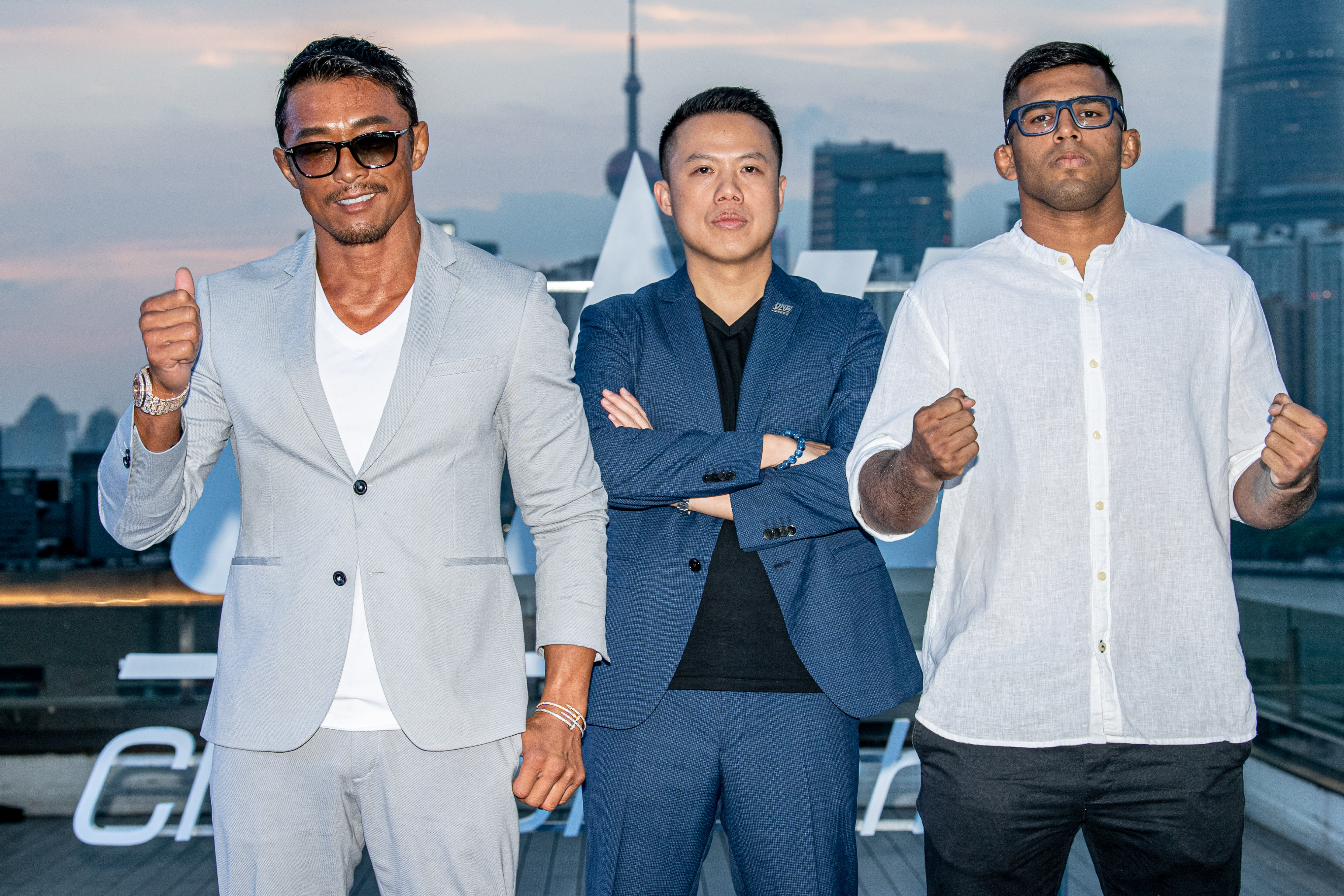
Yoshihiro Akiyama, also known by his Korean name Choo Sung-hoon, is a legendary combat sports figure whose career spans world-class Judo, elite mixed martial arts (MMA), and international television stardom. His legacy is defined by his dual Japanese-Korean heritage, a 2002 Asian Games gold medal, high-profile tenures in the UFC and ONE Championship, and his transformative impact on Asian popular culture.
The Dual Identity and Judo Foundations
To understand the career of Yoshihiro Akiyama, one must first navigate the complex cultural landscape of his upbringing. Born in Osaka, Japan, as a fourth-generation Japanese of Korean descent (Zainichi Korean), Akiyama faced a bifurcated identity that would define his early competitive years. He began Judo at age three, eventually moving to South Korea to pursue a spot on their national team.
In 2001, representing South Korea, he won the gold medal at the Asian Judo Championships. However, internal politics and his status as a "foreigner" in Korea led him back to Japan, where he naturalized as a Japanese citizen to compete for the Japanese national team. This move was controversial at the time but proved successful; in 2002, he captured the gold medal at the Asian Games in Busan, South Korea—ironically defeating his former Korean teammates on their home soil.
Akiyama’s Judo style was characterized by immense physical strength and a mastery of Seoi Nage (shoulder throws). His transition to MMA was not merely a career change but a necessity after he reached the pinnacle of amateur sports. By the time he turned to professional fighting in 2004, he carried the expectations of two nations, a burden and a blessing that would follow him for the next two decades.
Rise to Stardom: The K-1 and HERO’S Era
Akiyama made his MMA debut on New Year's Eve in 2004 at K-1 Premium 2004 Dynamite!!, defeating boxer Francois Botha by armbar. This era (2004–2008) saw him evolve from a pure Judoka into a well-rounded martial artist with surprisingly heavy hands.
In 2006, Akiyama reached a professional peak by winning the K-1 HERO'S Light Heavyweight Grand Prix Tournament. He defeated elite competition including Melvin Manhoef and Kestutis Smirnovas to claim the title. During this period, he earned the nickname "Sexyama" from English-speaking fans, a nod to his curated "metrosexual" image, fashion sense, and charismatic walkouts, which often featured him singing or performing choreographed entrances.
The Sakuraba Controversy
His rise was not without significant setbacks. The most notable occurred at K-1 Dynamite!! 2006 during his fight against Japanese legend Kazushi Sakuraba. Sakuraba complained to the referee that Akiyama’s body was "slippery." A subsequent investigation revealed that Akiyama had applied several tubes of Olay body lotion before the fight. While Akiyama claimed it was to treat his dry skin and was unaware it was illegal, he was disqualified, his purse was withheld, and he was indefinitely suspended from K-1. This incident cemented his "villain" persona in Japan for several years, though it conversely increased his notoriety and "anti-hero" appeal.
The UFC Years: A Specialist in "Fight of the Night"
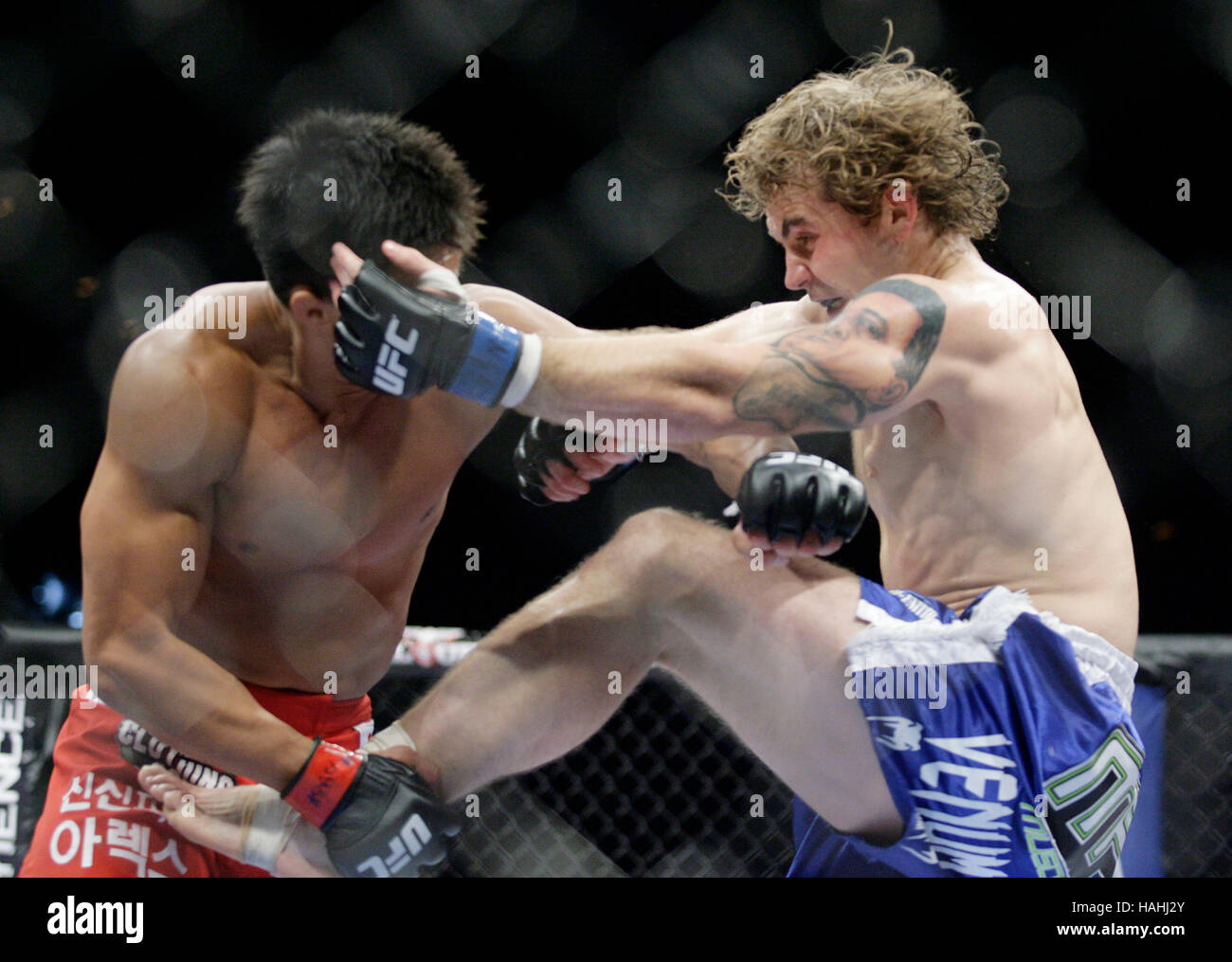
In 2009, at the age of 33, Akiyama signed with the Ultimate Fighting Championship (UFC). While his win-loss record in the promotion (2–5) does not appear stellar on paper, it fails to capture the competitive nature of his bouts. Akiyama was a "bonus hunter," known for engaging in high-intensity wars that resonated with North American audiences.
His debut at UFC 100—the biggest event in the company's history at that point—resulted in a split decision victory over Alan Belcher. The fight was awarded "Fight of the Night," establishing Akiyama as a top-tier entertainer. Following this, he faced a gauntlet of legendary middleweights and welterweights, including Chris Leben, Michael Bisping, Vitor Belfort, and Jake Shields.
Even in defeat, Akiyama’s durability and striking prowess were evident. His fight against Chris Leben at UFC 116 is still cited by historians as one of the greatest "slugfests" in the middleweight division. By the time he left the UFC, he had earned three "Fight of the Night" bonuses in his first three appearances, a testament to his willingness to trade technical Judo for high-risk kickboxing.
Resurgence in ONE Championship and the Shinya Aoki Rivalry
After a hiatus from the cage to focus on his entertainment career in South Korea and Japan, Akiyama made a high-profile return to MMA by signing with ONE Championship in 2019. Despite being well into his 40s, Akiyama demonstrated that "old man strength" was more than just a cliché.
The defining moment of his late-career resurgence occurred in March 2022 at ONE: X. Akiyama faced longtime rival and Japanese MMA icon Shinya Aoki. The buildup was deeply personal, with Aoki criticizing Akiyama for his celebrity lifestyle and perceived lack of dedication to the "way of the warrior." After nearly being finished in the first round by Aoki’s legendary grappling, Akiyama staged a dramatic comeback in the second round, finishing Aoki with a barrage of strikes.
As of 2026, this victory remains a cornerstone of Akiyama’s legacy. It proved his longevity and silenced critics who argued he was merely a "media personality" rather than a true fighter. His performance at age 46 served as an inspiration for veteran athletes across all disciplines, demonstrating that elite-level conditioning and psychological resilience can overcome the physical decline of age.
Career Milestones and Statistical Summary
Akiyama's career is a rare blend of traditional martial arts excellence and modern entertainment success. The following table summarizes his key sporting achievements:
| Period | Organization/Event | Key Achievement | Status/Record |
|---|---|---|---|
| 2001 | Asian Judo Championships | Gold Medal (81kg) | Representing South Korea |
| 2002 | Asian Games | Gold Medal (81kg) | Representing Japan |
| 2006 | K-1 HERO'S | Light Heavyweight GP Champion | Defeated Melvin Manhoef |
| 2009–2015 | UFC | 3x Fight of the Night Bonus | Debut win at UFC 100 |
| 2022 | ONE Championship | Victory over Shinya Aoki | TKO at age 46 |
| 2023–2025 | Media/Television | Star of "Physical: 100" | Global Top 10 Netflix Rank |
The Cultural Legacy: Beyond the Octagon
Akiyama’s legacy is perhaps even more significant outside of the cage. He successfully bridged the cultural gap between Japan and South Korea, two nations with a historically complex and often strained relationship. By embracing both identities—Choo Sung-hoon in Korea and Yoshihiro Akiyama in Japan—il became a symbol of "Soft Power" and regional reconciliation.
Reality Television and Mainstream Fame
In South Korea, he became a household name through the reality show The Return of Superman, which documented his life as a father to his daughter, Sarang. This transformed his image from a "bad boy" fighter to a "tender father," making him one of the most sought-after commercial models in Asia.
In 2023, his participation in the Netflix global hit "Physical: 100" introduced him to a new generation of Western fans. As the eldest contestant to reach the later stages of the competition, he was portrayed as the "Captain" figure, earning immense respect for his leadership, humility, and physical conditioning. This appearance solidified his status as a lifestyle icon, representing the "ageless" athlete.
Technical Influence
Technically, Akiyama was a pioneer in integrating high-level Judo into the MMA cage. While many wrestlers dominated the early 2000s, Akiyama’s use of trips, sweeps, and upper-body clinches provided a blueprint for future Judokas like Ronda Rousey and Kayla Harrison. He proved that the "Gi-less" Judo game could be devastatingly effective against world-class strikers.
Frequently Asked Questions
Why is Yoshihiro Akiyama called "Sexyama"?
The nickname "Sexyama" was coined by MMA fans and media in the mid-2000s as a play on his last name and his polished, fashionable image. Unlike many of his contemporaries who focused solely on grit, Akiyama embraced a high-fashion aesthetic, often appearing in designer suits and maintaining a meticulously groomed appearance, which was unique in the combat sports world at the time.
Did the "lotion incident" ruin his career?
While the 2006 disqualification against Kazushi Sakuraba led to a temporary suspension and a "villain" reputation in Japan, it did not ruin his career. In the long run, it added a layer of controversy that made him a more compelling figure for promoters. Over time, through his performances in the UFC and his transformation into a lovable father figure on Korean TV, the public largely moved past the incident.
What is his current status in 2026?
By 2026, Akiyama has transitioned primarily into an executive and mentor role within the combat sports community, while remaining a prominent television personality. Although he has largely stepped away from professional MMA competition due to his age, he remains a fitness icon, frequently promoting health and longevity through his social media platforms and commercial partnerships.
Is he Korean or Japanese?
He is both. Akiyama is a fourth-generation Zainichi Korean born in Japan. He has held citizenship in both South Korea (originally) and Japan (naturalized). In his professional life, he often uses both names—Choo Sung-hoon and Yoshihiro Akiyama—to honor both aspects of his heritage, effectively serving as a cultural ambassador between the two nations.
Impact on Modern Combat Sports
Akiyama’s career serves as a masterclass in "Personal Branding" for athletes. He understood early on that a fighter's value is not solely dictated by their win-loss record, but by their ability to connect with an audience. His legacy is one of resilience and reinvention—from a controversial Judoka to a disgraced K-1 fighter, to a UFC fan favorite, and finally to a global reality TV star.
For modern fighters, Akiyama’s career provides a roadmap for longevity. By diversifying his interests into fashion, television, and fitness, he ensured that his relevance would last decades beyond his physical prime. He remains the gold standard for how an Asian athlete can achieve mainstream global popularity while maintaining the respect of the hardcore martial arts community.