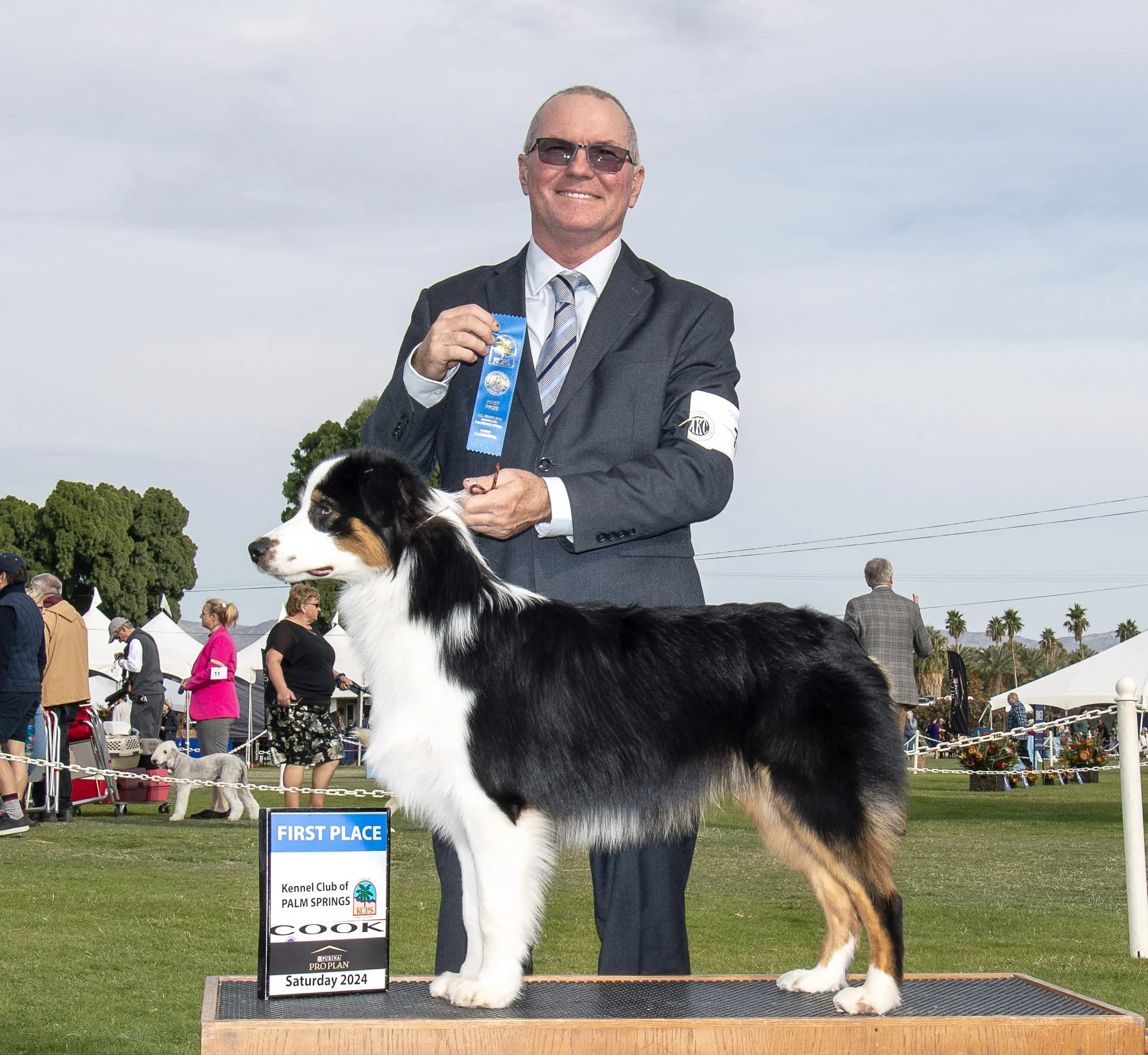
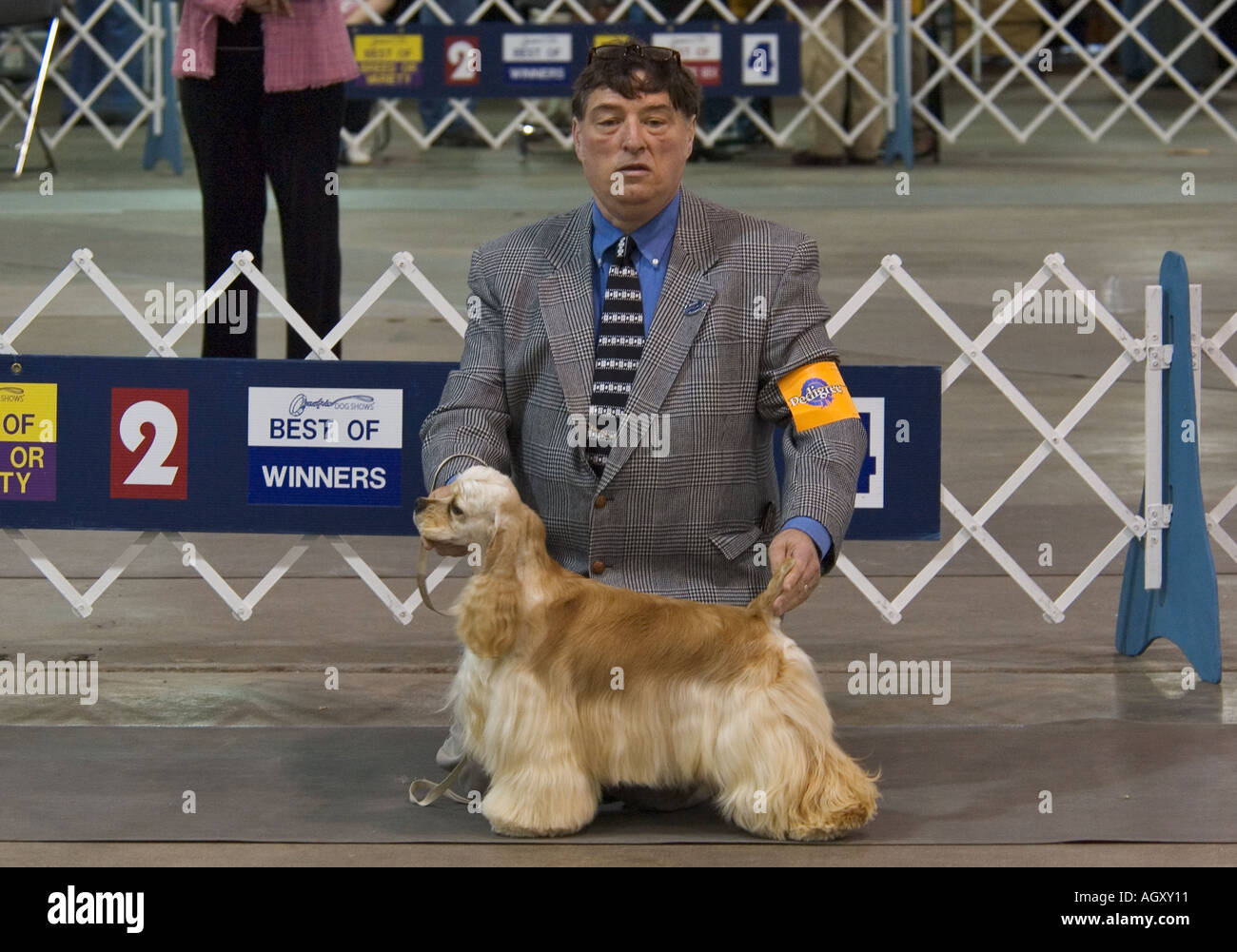
AKC conformation is a competitive dog showing event where purebred dogs are evaluated by judges based on how closely they adhere to their official breed standard. Rather than a race or performance trial, it is an assessment of breeding quality, focusing on a dog’s structure, movement, and temperament.
Dog shows, or conformation events, are more than just "beauty pageants" for pets. They serve as a critical evaluation tool for breeders and enthusiasts to ensure that the functional and aesthetic traits of a breed are preserved for future generations. In 2026, the American Kennel Club (AKC) continues to oversee thousands of these events annually, ranging from small local specialty shows to the prestigious, internationally televised all-breed competitions. For a newcomer, the world of "showing dogs" can seem opaque, filled with specific jargon and a complex points system. This guide provides a comprehensive breakdown of how AKC conformation works, from eligibility requirements to the final "Best in Show" ribbon.
The Core Purpose of AKC Conformation
The term conformation refers to the act of "conforming" to a specific ideal. Every breed recognized by the AKC has a written "standard"—a blueprint detailing everything from the dog’s height and weight to the shape of its eyes, the texture of its coat, and its characteristic gait. These standards are maintained by the parent club of each breed (for example, the Golden Retriever Club of America).
When a judge looks at a dog in the ring, they are not comparing the dogs against each other in a vacuum. Instead, they are comparing each dog to their mental image of the "perfect" specimen described in the breed standard. The dog that the judge believes most closely matches that standard on that day wins the top honors. This process is vital for the health and longevity of purebred dogs because it encourages the breeding of animals that are structurally sound and capable of performing the tasks they were originally bred for, whether that be herding, hunting, or companionship.
Eligibility and Prerequisites for Entering the Ring
Before a dog can step onto the matted floor of an AKC show ring in 2026, it must meet several strict criteria. These rules ensure the integrity of the competition and the relevance of the evaluation to future breeding programs.
- AKC Registration: The dog must be a purebred and individually registered with the American Kennel Club. This requires the dog's parents to also be AKC-registered and of the same breed.
- Age Requirements: Dogs must be at least six months old on the day of the show.
- Intact Status: Because conformation is fundamentally an evaluation of breeding stock, all dogs competing in regular classes must be "intact" (not spayed or neutered). There are rare exceptions for "Veteran" classes at certain specialty shows, but these do not usually lead to championship points.
- Disqualifications: The dog must not have any "disqualifying" faults as defined by its breed standard. Common disqualifications include specific color patterns, height outside of a set range, or certain bite types (how the teeth meet).
- Health and Soundness: Dogs must be in good health, free of communicable diseases, and physically "sound"—meaning they do not have lameness or surgical corrections that alter their natural appearance or movement for the sake of competition.
The Hierarchy of an AKC Conformation Show
Winning "Best in Show" is the result of a rigorous elimination process. An all-breed show is structured like a pyramid, starting with individual classes and moving upward.
Step 1: The Regular Classes
Owners enter their dogs into one of several classes based on age, who is handling the dog, or where the dog was born. These classes are divided by gender (Dogs for males, Bitches for females). The most common classes include:
- Puppy (6-9 months or 9-12 months): For young dogs getting their first experience.
- 12-18 Months: For adolescent dogs.
- Amateur-Owner-Handler: For dogs handled by their owners who have not been professional handlers.
- Bred-by-Exhibitor: For dogs handled by their breeder.
- American-Bred: For dogs born in the United States.
- Open: Often where the most mature and seasoned competition resides.
Step 2: Winners Dog and Winners Bitch
The blue-ribbon winner from each male class returns to the ring to compete for Winners Dog (WD). The same happens for the females to determine the Winners Bitch (WB). Only the Winners Dog and Winners Bitch receive championship points.
Step 3: Best of Breed (BOB)
The Winners Dog and Winners Bitch then move into the "Best of Breed" ring. Here, they compete against "Specials"—dogs that have already earned their Championship (CH) title. The judge selects one Best of Breed, one Best of Winners (between the WD and WB), and Best of Opposite Sex (to the Best of Breed).
Step 4: The Group and Best in Show
The dog named Best of Breed moves on to the Group competition. All AKC breeds are assigned to one of seven groups: Sporting, Hound, Working, Terrier, Toy, Non-Sporting, and Herding. The first-place winner of each group (Group 1) moves to the final stage: Best in Show (BIS).
The Point System: Earning the Championship Title
A dog becomes an AKC Champion (CH) by earning 15 points. This isn't as simple as winning 15 shows. The point system is designed to reward dogs that beat a significant number of other competitors.
According to the AKC Rules Applying to Dog Shows, the number of points awarded at a show (ranging from 1 to 5) depends on the number of dogs of that specific breed competing that day. The more dogs present, the higher the points.
The Requirement for "Majors"
To prevent a dog from "pointing out" by only winning small shows with little competition, the AKC requires "Majors." A Major is a win worth 3, 4, or 5 points at a single show. To become a Champion, a dog must earn:
- A total of 15 points.
- Two Majors under two different judges.
- At least one point under a third, different judge.
Points are only awarded to the Winners Dog and Winners Bitch. If a Winners Bitch also wins Best of Breed, she may earn even more points based on the number of "Specials" (Champions) she defeated in that final breed round.
| Title / Award | Abbreviation | Requirement / Definition |
|---|---|---|
| Champion of Record | CH | 15 points, including two majors under different judges. |
| Grand Champion | GCH | Earned after the CH; requires 25 additional points and "majors" in the BOB ring. |
| Winners Dog/Bitch | WD / WB | The best of the non-champion males/females; receives points. |
| Best of Breed | BOB | The single best representative of the breed at that show. |
| Best of Winners | BOW | The better of the WD and WB; helps the lower-pointed winner gain more points. |
| Best in Show | BIS | The top dog across all breeds at an all-breed event. |
Preparation, Training, and Costs
Success in AKC conformation requires more than just a high-quality dog; it requires intense preparation and financial commitment.
Training for the Ring
A show dog must learn to "stack" (stand perfectly still in a specific pose) for minutes at a time. They must also "gait" (trot at a specific speed) alongside their handler without pulling or jumping. Furthermore, the dog must be comfortable being touched by a stranger (the judge), who will examine their teeth, muscles, and bone structure. Many owners attend "handling classes" to practice these skills.
Grooming Requirements
In many breeds, grooming is a massive undertaking. Poodles, Terriers, and long-haired breeds like Afghan Hounds require hours of bathing, clipping, and brushing before they ever enter the ring. Even "wash and wear" breeds like Labradors require nail trimming, ear cleaning, and coat conditioning to look their best under the bright lights of a show venue.
Financial Considerations
Entering the world of AKC conformation is an expensive hobby or profession. Typical costs in 2026 include:
- Entry Fees: Usually $30 to $45 per show, per dog.
- Professional Handlers: Many owners hire professionals to show their dogs. Handlers can charge $100 to $500 per show, plus a percentage of travel expenses and "bonus" fees for major wins.
- Travel: Gas, hotel stays (often at "pet-friendly" premiums), and meals.
- Grooming Supplies: High-end shears, blow dryers, and specialized shampoos.
Common Challenges and Success Strategies
One of the most significant challenges for newcomers is the subjectivity of judging. While there is a written standard, every judge interprets that standard through the lens of their own experience. A dog that wins a 5-point major on Saturday might not even place in its class on Sunday under a different judge.
Understanding the "Schedule of Points"
The AKC divides the United States into various regions, and the number of dogs required for a "major" varies by region. For example, it might take 10 Golden Retriever females to make a 3-point major in New York (Division 2), but only 8 in Alaska (Division 11). Savvy exhibitors study the AKC Point Schedule to decide which shows are worth the travel time.
Owner-Handling vs. Professional Handlers
The AKC has introduced the National Owner-Handled Series (NOHS) to encourage more hobbyists to participate. This is a separate competition where professional handlers are not allowed, giving everyday owners a more level playing field to showcase their dogs and earn rankings.
Frequently Asked Questions
Can I show a dog that I rescued or bought without papers?
No, for AKC conformation, a dog must be a purebred with AKC registration papers. If you have a purebred dog without papers or a mixed-breed dog, you can participate in other AKC events like Agility, Obedience, or the AKC Canine Partners program, but not conformation.
What is the difference between an All-Breed show and a Specialty show?
An All-Breed show includes all 200+ AKC-recognized breeds. A Specialty show is dedicated to only one specific breed (e.g., a "Golden Retriever Specialty"). Specialties are often more prestigious for breeders because they are judged by experts who specialize in that specific breed.
Does the dog have to win Best in Show to become a Champion?
No. A dog only needs to win at the "Winners Dog" or "Winners Bitch" level repeatedly to accumulate the 15 points required for a Championship. Most Champions never win a Best in Show.
Are there age limits for handlers?
No. While there are "Junior Showmanship" classes specifically for children and teens (ages 9-18), children can and do compete in the regular classes against adults.
What happens if my dog has a physical fault?
If a dog has a fault that is not a disqualification (like a slightly light eye color when the standard calls for dark), the judge will penalize the dog. The severity of the penalty depends on how much the fault affects the dog's ability to function according to the breed's purpose.
Next Actions for Aspiring Exhibitors
If you are interested in AKC conformation, the first step is to attend a local show as a spectator. Avoid bringing your own pets, as unentered dogs are generally not allowed on show grounds. Observe the grooming area, watch the rings for your favorite breeds, and talk to breeders when they are not busy preparing for a class.
The most successful path to the ring is through a mentor. Reach out to the AKC Parent Club for your breed or a local kennel club. These organizations can help you find a quality "show prospect" puppy and guide you through the intricacies of training and grooming. By the time you enter your first show in 2026, you will have a better understanding of the dedication required to achieve that first championship point.