The AKC Best in Show (BIS) is the highest honor a dog can receive at an American Kennel Club conformation event, signifying that the individual dog most closely adheres to its official breed standard among all competitors. To win, a dog must advance through three levels of competition: winning its specific breed, winning its designated group, and finally being selected by the Best in Show judge.
In the world of purebred dogs, "conformation" refers to the act of evaluating how well a dog "conforms" to the written blueprint of its breed. As of 2026, the American Kennel Club (AKC) recognizes over 200 distinct breeds, each with a specific standard detailing the ideal temperament, movement, structure, and physical characteristics required for the breed to perform its original historical function. Winning Best in Show is not merely a beauty contest; it is a technical evaluation of breeding quality and athletic condition.
The Competitive Hierarchy: The Path to Best in Show
Winning a Best in Show title is a rigorous process of elimination that often takes place over several days. A dog cannot simply enter a Best in Show ring; it must earn its way there through a series of escalating victories.
Step 1: The Breed Level
Before a dog can compete for the top prize, it must first be judged the best representative of its own breed. This begins with class competition (for dogs not yet champions) and moves to the "Best of Breed" ring. In this stage, the judge examines all entries of a single breed—for example, all Golden Retrievers. The dog that the judge deems the most superior specimen receives the Best of Breed (BOB) ribbon. This win allows the dog to advance to the Group level.
Step 2: The Group Level
The AKC divides all recognized breeds into seven distinct "Variety Groups" based on their historical roles and functional characteristics. The winners of every breed within a specific group compete against one another. For instance, the winner of the Golden Retriever breed competition will go on to compete in the Sporting Group against the winners of the Labrador Retriever, Irish Setter, and Pointer breeds, among others. A judge awards four placements in each group (Group 1 through Group 4), but only the Group 1 winner advances to the final stage.
Step 3: The Best in Show Ring
The climax of any AKC all-breed dog show is the Best in Show competition. This ring consists of exactly seven dogs: the winners of the Sporting, Hound, Working, Terrier, Toy, Non-Sporting, and Herding groups. The Best in Show judge examines these seven finalists one last time, observing their movement (gait), their "stack" (how they stand), and their overall presence. The judge then selects one dog as the Best in Show winner and one dog as the Reserve Best in Show (the runner-up).
The Philosophy of Judging: The Written Standard
A common misconception among spectators is that the seven dogs in the Best in Show ring are being compared directly against one another—for example, a judge deciding if a Poodle is "better" than a Boxer. In reality, the judge is performing a mental comparison of each dog against its own specific Breed Standard.
The Breed Standard is a formal document maintained by each breed’s "Parent Club." It serves as a technical manual that describes the ideal specimen. When a judge looks at a Beagle in the BIS ring, they are asking: "How close is this specific Beagle to the perfect Beagle described in the standard?" They then ask the same question of the Great Dane. The winner is the dog that the judge believes is the closest to its own "perfection" compared to how the others match theirs.
Key elements of evaluation include:
- Structure: The skeletal framework, including the layback of the shoulders and the angulation of the hocks, which dictates how the dog moves.
- Gait: The "movement" of the dog. Efficiency is key; most standards require a dog to cover the maximum amount of ground with the minimum amount of effort.
- Temperament: A Terrier should appear feisty and alert, while a Working dog should appear stoic and powerful.
- Condition: In 2026, judges place a high emphasis on muscle tone and coat health, which reflect the dog's internal health and daily care.
The Seven AKC Variety Groups
To understand the diversity of the Best in Show ring, one must understand the seven pillars of the AKC group system. Each group represents a different facet of the historical relationship between humans and dogs.
| Group | Representative Breeds | Historical Function | Key Traits for Judging |
|---|---|---|---|
| Sporting | Retrievers, Setters, Spaniels | Hunting game birds | Endurance, soft mouth, biddability |
| Hound | Beagles, Greyhounds, Basenjis | Tracking or chasing prey | Scenting ability or explosive speed |
| Working | Boxers, Mastiffs, Siberians | Guarding, pulling, rescuing | Power, size, protective instinct |
| Terrier | Airedales, Russells, Scotties | Hunting vermin/rodents | Courage, "varminty" expression |
| Toy | Chihuahuas, Pugs, Shih Tzus | Companionship | Diminutive size, charm, elegance |
| Non-Sporting | Bulldogs, Dalmatians, Poodles | Diverse (coaching, guarding) | Unique silhouettes and personalities |
| Herding | German Shepherds, Collies | Managing livestock | Agility, intelligence, movement |
Requirements for Entry and Participation
Not every dog is eligible to compete for a Best in Show title. The AKC maintains strict eligibility requirements to ensure the integrity of the breeding records and the quality of the competition.
Registration and Pedigree
A dog must be individually registered with the AKC to compete in a sanctioned conformation show. This requires the dog to be of a recognized breed and have parents that are also AKC-registered. For many owners in 2026, this involves maintaining digital "My AKC" records to track show entries and points.
Physical Requirements
The dog must be six months of age or older on the day of the show. Crucially, dogs competing in conformation must be "intact"—meaning they have not been neutered or spayed. This is because the fundamental purpose of dog shows is to evaluate potential breeding stock. If a dog cannot reproduce, its "conformation" to the standard is considered irrelevant to the future of the breed in the eyes of the AKC. Additionally, dogs must be free of "disqualifying faults," which are specific physical traits (like an incorrect bite or the wrong coat color) defined by the breed standard that automatically bar a dog from winning.
Training and Conditioning
A Best in Show winner requires more than just good genetics. The dog must be trained to "stand for examination," allowing a stranger to touch its body and check its teeth. It must also "bait"—looking up alertly at the handler—and "gait" on a lead at the correct speed without pulling or lagging. Physical conditioning is equally vital; dogs are often on strict exercise regimens to ensure they have the muscle definition required to stand out in a competitive field.
The Professional Handler vs. The Owner-Handler
In the high-stakes environment of Best in Show competition, the person holding the leash is often a professional handler. These individuals are experts in canine anatomy, grooming, and ring presentation. They are paid by owners to "campaign" a dog, traveling the country to rack up wins and rankings.
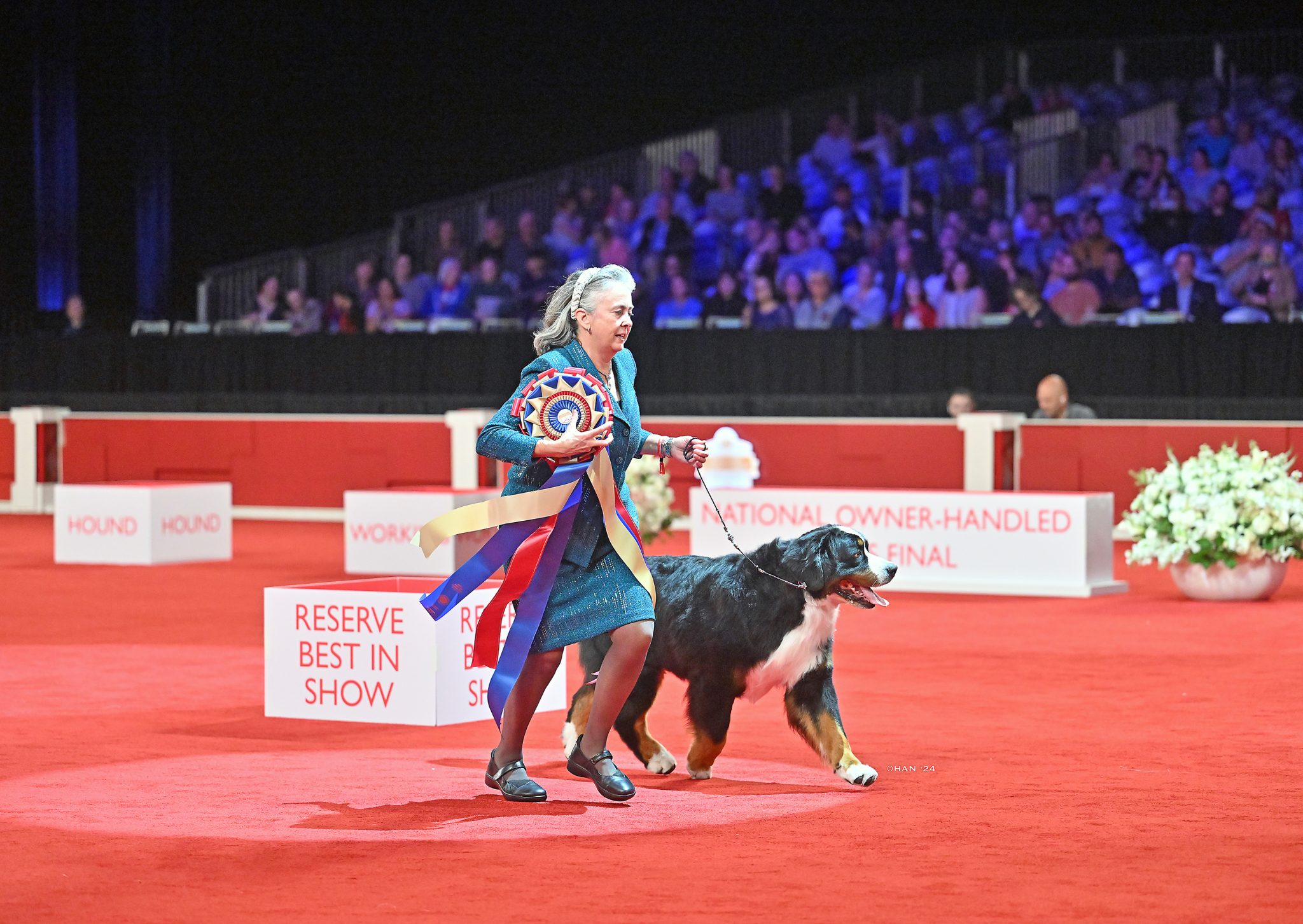
However, the AKC also champions the National Owner-Handler Series (NOHS). This is a separate competition held at many shows where only non-professionals can compete. The NOHS culminates in its own Best in Show award. This ensures that the hobbyist breeder-owner has a platform to showcase their dogs and achieve recognition without always having to compete directly against the unlimited budgets and full-time expertise of professional campaigning teams.
Major AKC Events and Their Significance
While there are hundreds of AKC shows across the United States every year, a few carry significantly more prestige. Winning Best in Show at these events can define a dog's legacy and significantly increase the value of its offspring.
- The AKC National Championship: Usually held in December, this is the only show hosted directly by the American Kennel Club. It features the largest entry of dogs in North America and offers significant prize money, which is rare in the sport.
- The Westminster Kennel Club Dog Show: While Westminster is an independent club, its show is AKC-sanctioned and remains the most famous dog show in the world. Winning Best in Show at "The Garden" is considered the ultimate "Triple Crown" achievement in the hobby.
- The National Dog Show: Held on Thanksgiving Day, this show is widely televised and serves as a major public introduction to the concept of Best in Show judging.
Strategic Campaigning and Point Systems
For those aiming for the year-end rankings in 2026, Best in Show wins are a necessity. The AKC tracks "Top Dog" rankings through two main systems:
- All-Breed Points: These points are earned based on the number of dogs defeated in the group and Best in Show rings. A BIS win at a show with 2,000 dogs provides a massive boost to a dog's national ranking.
- Breed Points: These are earned by defeating dogs of the same breed.
A "Top 10" ranking in the All-Breed system often requires a dog to be on the road 40 to 50 weekends a year, consistently winning Groups and Best in Shows. This level of competition is what enthusiasts call "campaigning a dog."
Common Questions About AKC Best in Show
Does the Best in Show winner get prize money?
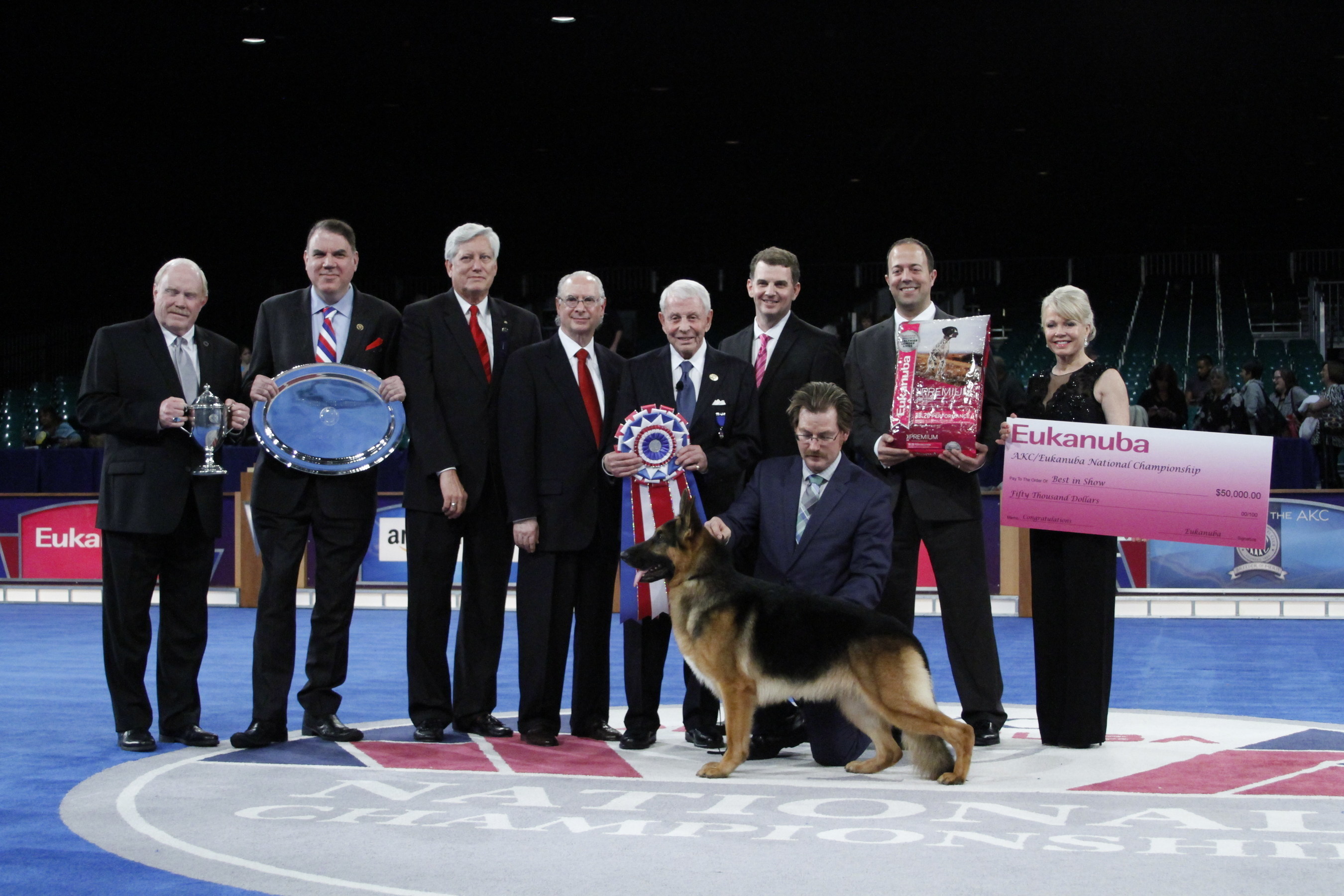
In most AKC shows, there is no cash prize for winning Best in Show. The reward is typically a large ribbon, a silver plate or trophy, and the prestige that comes with the win. The primary financial benefit is indirect, as a BIS winner is in high demand for breeding, and their puppies often command premium prices. The AKC National Championship is a notable exception, offering a substantial purse to the winner.
What is the difference between Best in Show and Best of Breed?
Best of Breed is a win within a single breed (e.g., the best Bulldog at the show). Best in Show is the final winner of the entire event, chosen from the seven group winners. You must win Best of Breed and then win your Group before you can even be considered for Best in Show.
Can a mixed-breed dog win AKC Best in Show?
No. Conformation shows are specifically designed to evaluate purebred breeding stock. However, mixed-breed dogs can compete in other AKC events, such as Agility, Obedience, and Rally, through the AKC Canine Partners program, where they can earn titles and "Best in Show" equivalents in those specific sports.
Who decides the Breed Standards?
Breed standards are written and maintained by the "Parent Club" for each breed (for example, the American Shetland Sheepdog Association). The AKC approves these standards, but the breeders themselves are the ones who define what the "perfect" dog should look like.
What is Reserve Best in Show?
The Reserve Best in Show (RBIS) is the dog the judge considers the second-best specimen in the final ring. If for any reason the Best in Show winner is disqualified after the event (e.g., due to a violation of rules), the RBIS dog would move up. It is a highly prestigious award that recognizes the runner-up among the final seven.
Getting Involved in Conformation
If you are interested in pursuing a Best in Show title with your dog, the first step is to contact your dog's breeder to determine if the dog has "show potential." Many pet-quality dogs have minor deviations from the standard that do not affect their health but would prevent them from winning in the ring.
Once you have a show-prospect dog, attending "Handling Classes" is essential. These classes teach you how to present your dog to a judge, how to gait at the right speed, and how to groom your specific breed for the ring. Volunteering at a local AKC member club is also an excellent way to learn the nuances of the point system and the technical requirements of the sport. Whether as a spectator or a participant, understanding the Best in Show process provides a deeper appreciation for the history, function, and diversity of the domestic dog.