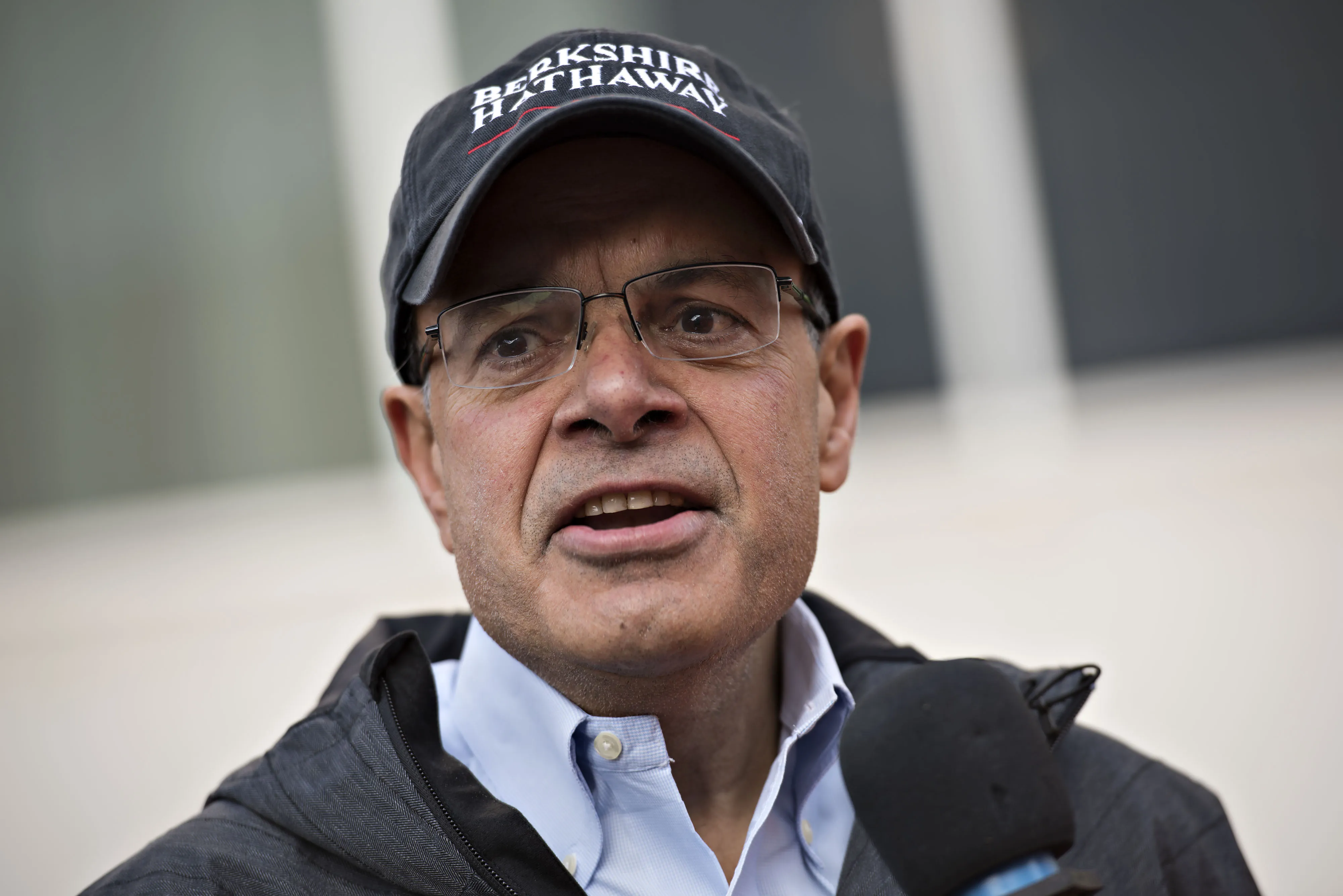
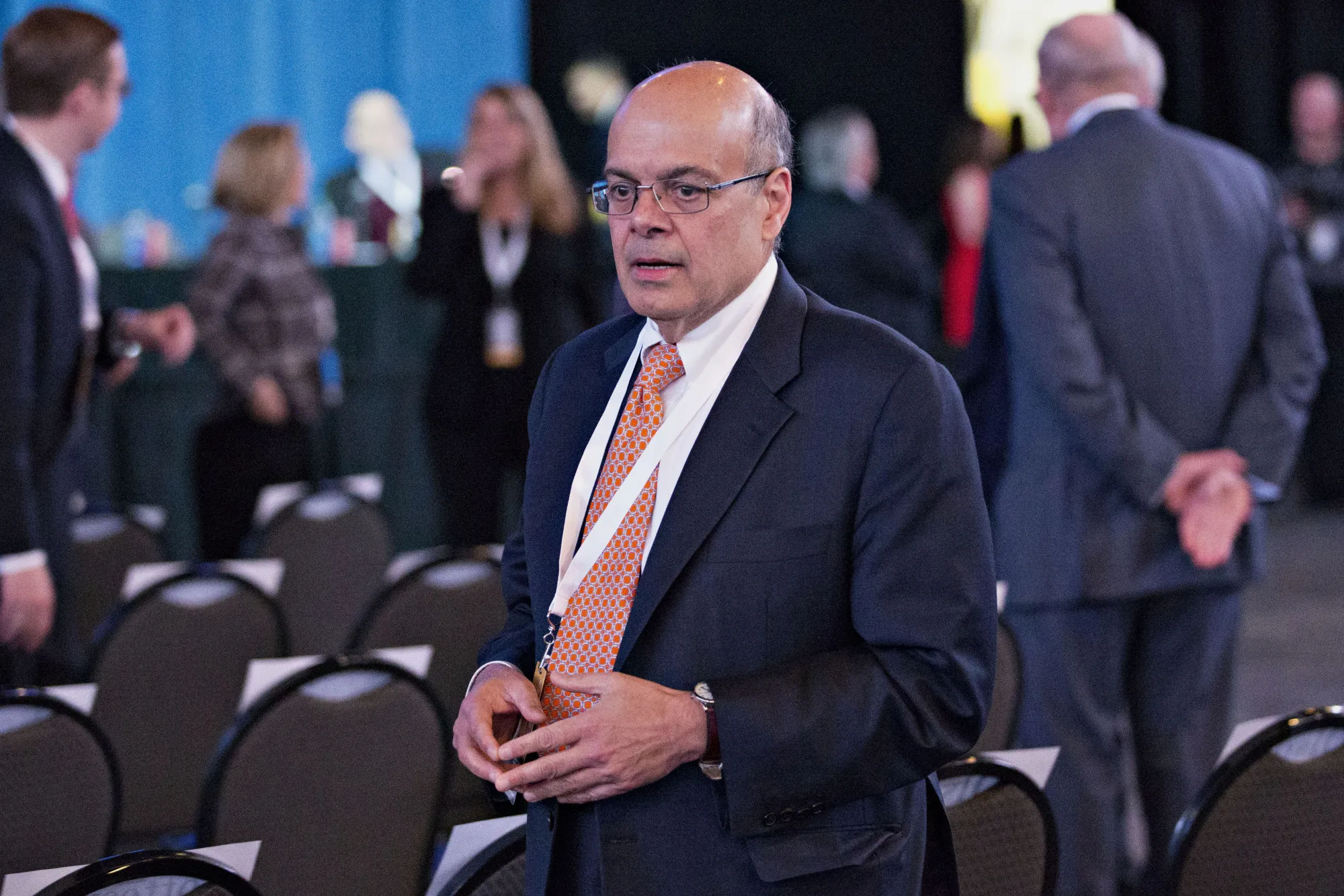
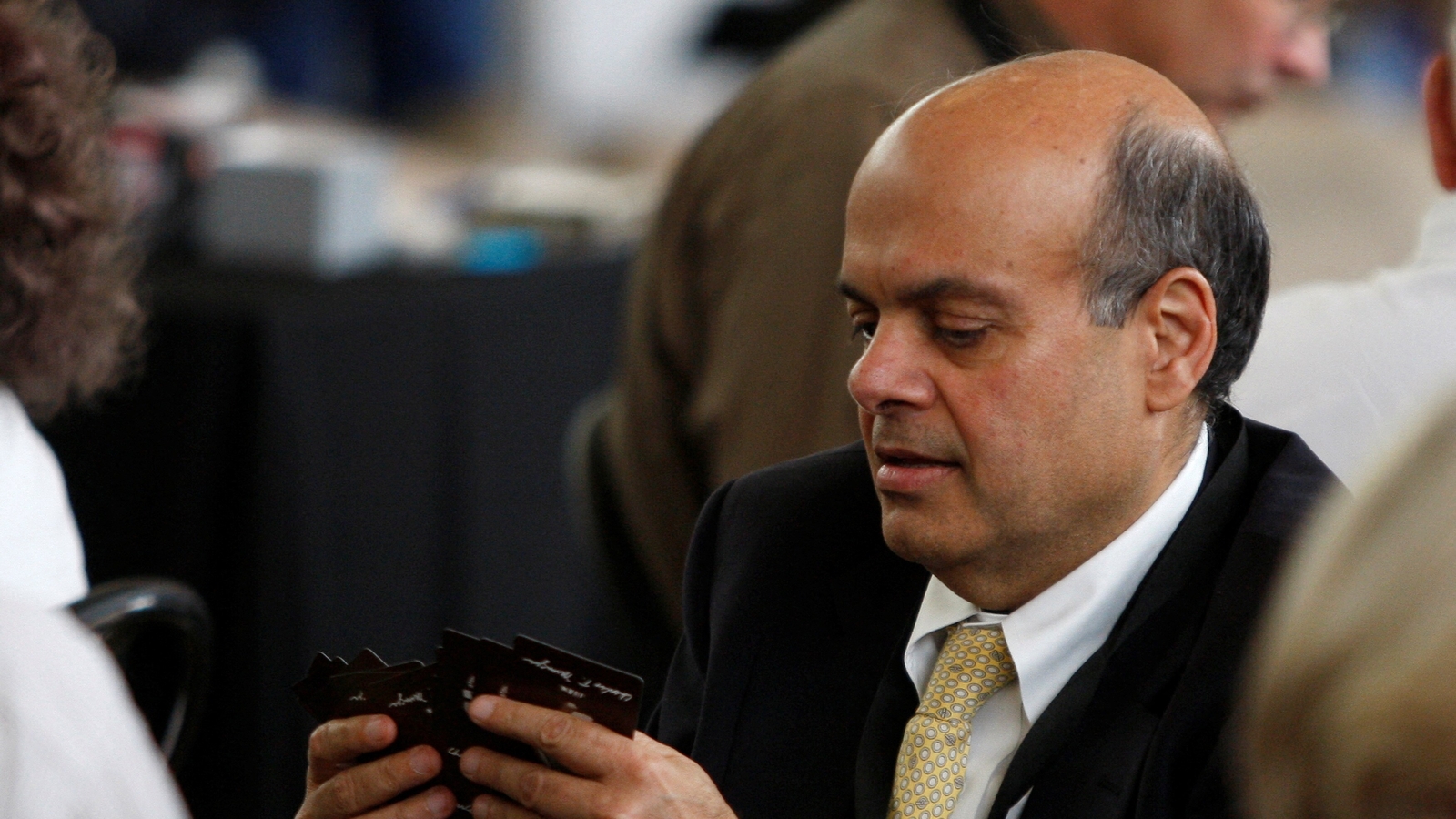
Ajit Jain is the Vice Chairman of Insurance Operations at Berkshire Hathaway and is widely considered the most successful insurance mind in financial history. Since joining the conglomerate in 1985, he has generated tens of billions in underwriting profit and "float," providing the essential capital that fueled Warren Buffett’s most iconic investments.
For over four decades, Ajit Jain has operated in the shadow of Warren Buffett and the late Charlie Munger. While Buffett provided the public face and the investment genius, Jain provided the fuel. As of 2026, Jain remains a pivotal figure in the Berkshire hierarchy, overseeing a sprawling insurance empire that includes GEICO, National Indemnity Company, and General Re. His ability to price risks that other insurers find "unpriceable"—from hurricane catastrophes to professional sports contracts—has made him an indispensable asset to the firm and a billionaire in his own right.
From New Delhi to Omaha: The Early Career of Ajit Jain
Ajit Jain’s journey to the top of the American corporate world began in coastal India. Born in 1951 in Orissa (now Odisha), he earned an undergraduate degree in engineering from the prestigious Indian Institute of Technology (IIT) Kharagpur in 1972. His early career took him to IBM in India, but he eventually moved to the United States to pursue an MBA from Harvard Business School, graduating in 1978.
Before finding his home at Berkshire Hathaway, Jain spent several years at McKinsey & Company. His entry into the Buffett-led conglomerate in 1985 is now the stuff of corporate legend. Jain reportedly walked into Buffett's office on a Saturday morning with no prior experience in the insurance industry. Buffett was immediately impressed by his intellect and analytical rigor. He put Jain in charge of a small, struggling reinsurance operation, and the rest is history.
Jain’s lack of traditional insurance training proved to be an advantage. Instead of following industry-standard models that often failed to account for "tail risks" (rare but devastating events), he applied first-principles thinking to risk assessment. This allowed Berkshire to write massive policies for risks that terrified its competitors, establishing the company as the "insurer of last resort."
The Art of the "Big Bet": Managing Berkshire’s Reinsurance
Reinsurance is the practice of insurance companies buying insurance to protect themselves from massive losses. Under Ajit Jain, Berkshire Hathaway Specialty Insurance and National Indemnity became the dominant forces in this niche. Jain specializes in "super-cat" (super-catastrophe) insurance, which covers events like major earthquakes, hurricanes, or even acts of terrorism.
The brilliance of Jain’s approach lies in his understanding of the relationship between premium and risk. He is famous for his willingness to walk away from deals if the pricing is not favorable, even if it means Berkshire’s insurance volume drops significantly for years. Conversely, when markets are distressed and premiums are high, Jain can commit billions of dollars in capacity in a single afternoon—a feat no other executive in the world has the authority or the capital to match.
The Power of the Insurance Float
The primary reason Ajit Jain is so vital to Berkshire Hathaway is the "float." Insurance float represents the money that customers pay in premiums that has not yet been paid out in claims. Because Berkshire’s underwriting is so disciplined, this float is essentially "free" money that Warren Buffett can use to buy companies like BNSF Railway or stocks like Apple.
As of the mid-2020s, Berkshire’s float has grown to approximately $165 billion. Much of this growth is attributed to the specialized reinsurance deals Jain structured. By ensuring that Berkshire’s insurance operations remain profitable on an underwriting basis (meaning they take in more in premiums than they pay out in losses), Jain provides Buffett with a permanent, low-cost capital base that is the envy of Wall Street.
The Secretive Billionaire: Wealth and the 2024 Stock Sale
Despite his immense influence, Ajit Jain is notoriously private. He rarely grants interviews and avoids the media spotlight that often follows Buffett. However, his financial standing became a matter of intense public discussion in late 2024 following a significant divestment of his Berkshire Hathaway holdings.
In September 2024, Jain sold 200 Class A shares of Berkshire Hathaway, which at the time was valued at approximately $139 million. This sale represented more than half of his personal stake in the company. While the move sparked rumors about his retirement or concerns regarding the company’s valuation, Jain remained characteristically silent. Even after the sale, his remaining holdings and accumulated compensation from decades of service maintain his status as a billionaire.
His compensation structure has always been unique. Unlike most Wall Street executives who receive massive stock options, Jain’s rewards have been closely tied to the performance of the insurance units he manages. This alignment of interests has ensured that he treats Berkshire’s capital as if it were his own, avoiding the reckless risk-taking that has collapsed other insurance giants like AIG.
Evaluating Risk in an Unpredictable World
Jajin’s success is built on his ability to quantify the unquantifiable. In the current landscape of 2026, insurers face unprecedented challenges, including climate change-related weather patterns, cyber warfare, and global pandemics. Jain has long cautioned that the insurance industry often underprices these "tail risks" because they rely too heavily on historical data rather than forward-looking probability.
His methodology involves three core pillars:
- Risk Aggregation Control: Ensuring that a single event (like an earthquake in California) doesn't expose the company to losses across multiple lines of business simultaneously.
- Adequate Premium for Volatility: Charging enough to justify the massive swings in yearly profit that come with "super-cat" insurance.
- Capital Strength: Maintaining a fortress-like balance sheet so that even a $10 billion loss in a single event would not jeopardize Berkshire’s stability.
This conservative yet bold approach was notably visible during the COVID-19 era and the subsequent shifts in the reinsurance market. While other firms pulled back or faced insolvency, Jain’s units were positioned to capture higher premiums as the global economy recalibrated.
Key Milestones in Ajit Jain’s Berkshire Career
| Year | Event/Milestone | Significance |
|---|---|---|
| 1985 | Joins Berkshire Hathaway | Started the reinsurance division with no prior insurance experience. |
| 1998 | Acquisition of General Re | Integrated a major global reinsurer into the Berkshire fold. |
| 2011 | Expansion into India | Launched Berkshire India to bring insurance products to the subcontinent. |
| 2018 | Appointed Vice Chairman | Officially recognized as one of the two top successors to Warren Buffett. |
| 2024 | Major Share Sale | Sold $139 million in Berkshire stock, the largest personal divestment of his career. |
| 2026 | Current Leadership | Continues to oversee all insurance operations including GEICO and Gen Re. |
Succession and the Future of Berkshire Insurance
The question of "who comes after Buffett" was partially answered in 2018 when Ajit Jain and Greg Abel were both promoted to Vice Chairmen. While Abel was eventually named the successor to the CEO role, Jain’s role as the head of insurance operations remains distinct and arguably just as critical.
As of 2026, the leadership structure at Berkshire Hathaway remains a dual-engine system. Greg Abel manages the non-insurance businesses (energy, railroads, retail), while Jain remains the final authority on all major insurance risks. Buffett has frequently stated that Jain is irreplaceable, famously saying in his 2017 annual letter that "Ajit has created tens of billions of value for Berkshire shareholders."
For investors, the concern is whether the culture of disciplined underwriting Jain instilled can survive his eventual retirement. Jain has spent the last decade building a deep bench of talent at National Indemnity and GEICO, ensuring that the proprietary models and risk-aversion strategies he developed are codified within the organizations.
Lessons from Ajit Jain for Modern Investors
Jain’s career offers a masterclass in capital allocation and risk management. For those looking to emulate his success, several principles stand out:
- Inversion Thinking: Jain often looks at what could go wrong before looking at the potential profit. By solving for the "downside" first, he ensures the survival of the firm.
- The Value of Patience: Much of Jain's career has been spent waiting. He is willing to sit on mountains of cash (float) for years if the market does not offer premiums that adequately compensate for the risk.
- Ignoring the Crowd: In the insurance world, "herd behavior" often leads to underpricing risk during good times. Jain’s ability to remain independent of industry trends is his greatest competitive advantage.
Frequently Asked Questions
Is Ajit Jain still working at Berkshire Hathaway in 2026?
Yes, Ajit Jain continues to serve as the Vice Chairman of Insurance Operations for Berkshire Hathaway. While there has been speculation regarding his retirement following his 2024 stock sale, he remains the active head of the conglomerate's insurance empire.
How much is Ajit Jain's net worth?
While an exact figure is not publicly disclosed due to his private nature, Ajit Jain is a billionaire. His wealth is derived from decades of high-level compensation at Berkshire Hathaway and his personal investments in the company’s stock, even after his significant divestment in 2024.
Why did Warren Buffett say Ajit Jain is more important than him?
Buffett once joked that if he, Charlie Munger, and Ajit Jain were on a sinking boat and only one person could be saved, it should be Ajit. This was a metaphorical way of expressing that Jain’s unique ability to price insurance risk is the foundational engine of Berkshire’s capital growth.
What is the difference between Greg Abel and Ajit Jain's roles?
Greg Abel is the CEO-designate who oversees all of Berkshire’s non-insurance subsidiaries (like BNSF and Berkshire Hathaway Energy). Ajit Jain focuses exclusively on the insurance operations, which provide the float used for the company’s broader investment strategy.
Next Steps for Berkshire Observers
For those tracking the future of Berkshire Hathaway, the primary metric to watch is the combined ratio of the insurance operations. A ratio below 100 indicates underwriting profit. As long as Jain or his successors maintain a disciplined combined ratio while growing the float, Berkshire’s "Fortress" status remains intact. Investors should also monitor official SEC Form 4 filings for any further changes in Jain's ownership stakes, which can provide clues into his long-term planning.