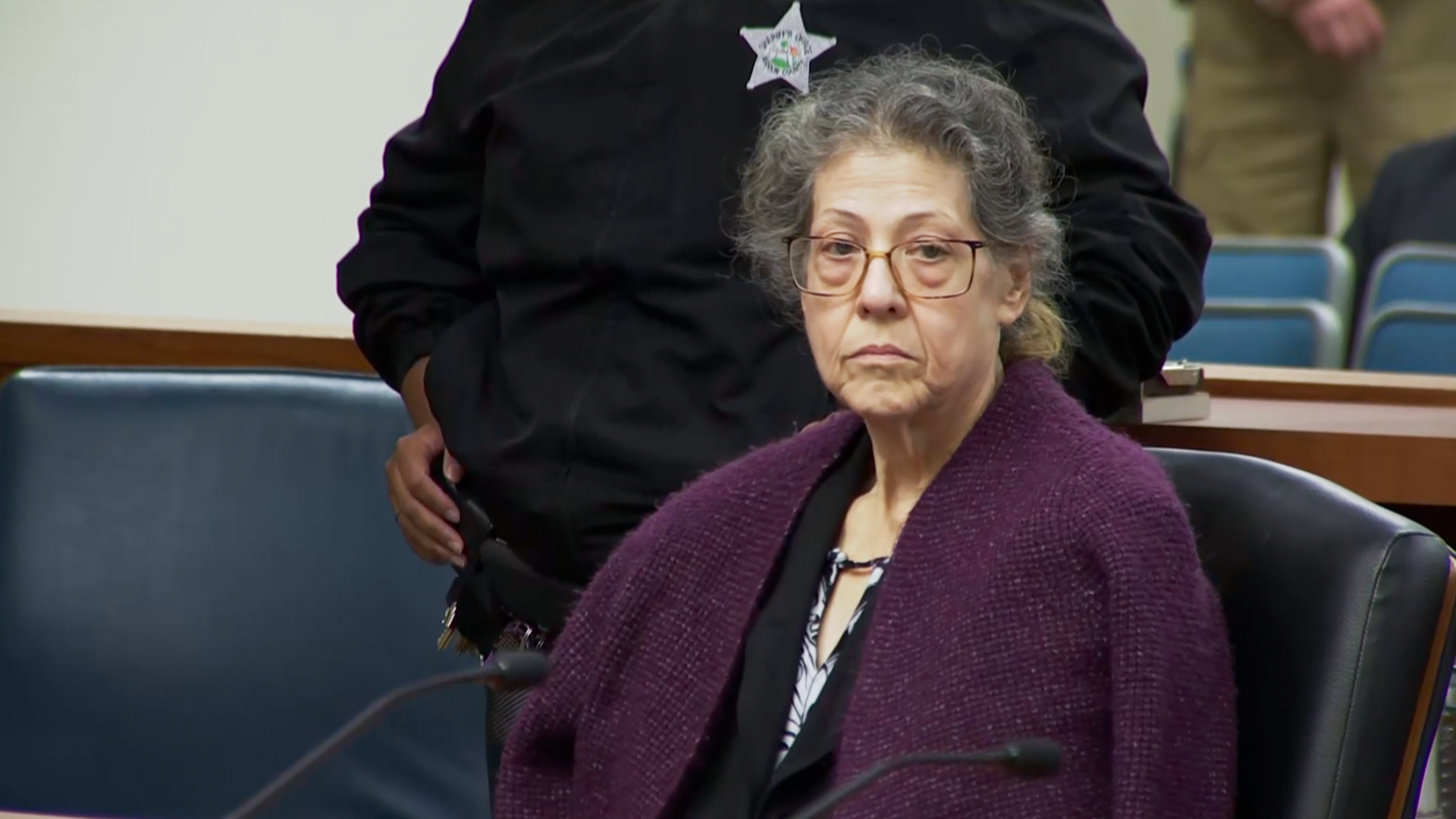
The case of Ajike "AJ" Owens, a 35-year-old mother of four from Ocala, Florida, reached its legal resolution with the 2024 conviction and subsequent sentencing of Susan Lorincz for manslaughter. The tragedy, stemming from a neighborhood dispute over children playing, remains a landmark reference for clarifying the limits of "Stand Your Ground" laws and pursuing legislative protections for families against neighborhood harassment.
The Incident: A Timeline of the Ocala Tragedy
The events leading to the death of Ajike "AJ" Owens began long before the fatal shooting on June 2, 2023. Neighbors and family members reported a history of friction between Susan Lorincz and the neighborhood children, often centered on the use of a grassy common area near Lorincz’s apartment in the Quail Run development of Marion County.
On the evening of the shooting, Lorincz became agitated by Owens’ children playing outside. Witnesses and investigators established that Lorincz threw a pair of skates and an iPad at the children. When the children informed their mother, AJ Owens walked to Lorincz’s front door to confront her about the physical interaction with her children. Owens was unarmed and did not attempt to breach the residence. Lorincz fired a single shot through the closed, locked deadbolt door, striking Owens in the chest in front of her 10-year-old son.
The delay in the initial arrest—taking four days—became a point of national contention. Law enforcement initially cited the need to determine if Florida’s "Stand Your Ground" law applied. Under Florida Statute § 776.012, an individual is permitted to use deadly force if they reasonably believe such force is necessary to prevent imminent death or great bodily harm. However, the evidence eventually showed that Owens posed no such threat from behind a locked door, leading to Lorincz’s arrest on charges of manslaughter with a firearm.
Legal Proceedings and the 2024 Conviction
As we look back from 2026, the trial of Susan Lorincz stands as a critical case study in Florida’s judicial history. The prosecution opted for a charge of manslaughter with a firearm, a first-degree felony, rather than second-degree murder. This decision was based on the legal requirement to prove "depraved mind" or "ill will" for murder, whereas manslaughter focused on the "culpable negligence" and the intentional act of shooting that resulted in death.
Key Evidence in the Trial
- The Door as a Barrier: Ballistics and crime scene analysis proved the bullet passed through a solid door. Legal experts argued this invalidated any claim of "imminent threat."
- Testimony from Children: The emotional testimony of Owens' children, particularly the son who witnessed the shooting, provided a harrowing account of the moments before the trigger was pulled.
- Prior History: Documentation of Lorincz’s previous calls to the police and her documented use of racial slurs toward the children served to establish her state of mind and bias, though the case was not ultimately tried as a hate crime under federal statutes.
In August 2024, a jury found Susan Lorincz guilty of manslaughter. The sentencing phase, which concluded later that year, resulted in a significant prison term, reflecting the gravity of using a firearm against an unarmed mother. By 2026, Lorincz remains incarcerated, and the case continues to be cited in legal circles regarding the "Reasonable Person" standard in self-defense claims.
Analyzing "Stand Your Ground" and the Castle Doctrine
The AJ Owens case brought intense scrutiny to Florida's self-defense statutes. It is essential to distinguish between the Castle Doctrine and Stand Your Ground to understand why Lorincz’s defense failed.
The Castle Doctrine is a legal tenet that allows individuals to use force to protect themselves within their homes. However, it typically requires an "unlawful and forcible entry." Because AJ Owens was standing on a porch and had not attempted to enter the home, the Castle Doctrine provided no protection for the shooter.
Stand Your Ground (Florida Statute § 776.013) removes the "duty to retreat" if a person is in a place where they have a right to be. The pivotal factor in the Owens case was the objective reasonableness of the fear. The court found that a reasonable person would not believe that a woman knocking on a door, even loudly, represented a lethal threat that justified firing through the door.
| Legal Concept | Requirement for Use of Force | Application in Owens Case |
|---|---|---|
| Castle Doctrine | Unlawful entry into a dwelling. | Not applicable; Owens was outside the locked door. |
| Stand Your Ground | Reasonable belief of imminent death/harm. | Invalidated; no evidence of imminent threat from behind the door. |
| Culpable Negligence | Reckless disregard for human life. | Found; firing a weapon into an area where a person is known to be. |
| Duty to Retreat | Must attempt to leave before using force. | Not required in FL, but irrelevant if no threat exists. |
The Legislative Legacy: The AJ Owens Bill
Following the death of AJ Owens, her mother, Pamela Dias, alongside civil rights attorney Ben Crump and various advocacy groups, pushed for legislative changes. The primary goal was to ensure that "Stand Your Ground" could not be used as a "get out of jail free" card in cases involving unarmed individuals or neighborhood disputes.
By 2026, the impact of these efforts has manifested in several ways:
- Clarification of "Threat": Legislative discussions have moved toward defining "imminent threat" more strictly, specifically excluding situations where a physical barrier (like a locked door) exists between the parties.
- The AJ Owens Act: Proposed versions of this bill focus on enhancing penalties for crimes committed in the presence of children and providing better protection against neighbor-on-neighbor harassment.
- Law Enforcement Training: Florida has seen a shift in how deputies are trained to evaluate self-defense claims on-site, emphasizing that "Stand Your Ground" requires an immediate, verifiable threat before an arrest can be bypassed.
Impact on the Owens Family and the Ocala Community
The loss of AJ Owens left four children without a mother. The community of Ocala, and the broader nation, rallied to support the family through the AJ Owens Memorial Scholarship and various community foundations. These initiatives focus on providing long-term educational and psychological support for the children, who were primary witnesses to the violence.
The case also sparked a "know your rights" movement in Florida, particularly among minority communities who felt that self-defense laws were being applied inconsistently based on race. Community forums and legal clinics established in the wake of the 2023 incident have worked to bridge the gap between residents and local law enforcement, focusing on de-escalation and the legal realities of gun ownership.
Professional Advice: Navigating Neighborhood Disputes
While the AJ Owens case is an extreme and tragic example, it highlights the necessity of proper conflict resolution and legal awareness. If you find yourself in a deteriorating neighborhood situation, the following steps are recommended by legal and safety experts:
- Document Incidents: Keep a log of harassment or physical altercations. Use cameras (like doorbell cams) to provide objective evidence of interactions.
- Involve Third Parties Early: Do not attempt to resolve disputes with an aggressive or unstable neighbor alone. Involve homeowner associations (HOAs), local mediation services, or law enforcement for non-emergency reports.
- Understand the Law: Be aware that "Stand Your Ground" is a defense used in court, not a license to use force during a verbal argument. Firing a weapon is a last resort only when a life-threatening danger is present.
- Seek Legal Counsel: If a neighbor's behavior becomes threatening, consider a petition for an injunction against harassment (Restraining Order) to create a legal paper trail and set boundaries.
FAQ: Common Questions Regarding the AJ Owens Case
What was the final sentence for Susan Lorincz?
Susan Lorincz was convicted of manslaughter with a firearm in August 2024. Under Florida law, this first-degree felony carries a maximum sentence of 30 years in prison. The court sentenced her to a significant term, acknowledging the lack of remorse and the presence of children at the scene.
Did the "Stand Your Ground" law protect the shooter?
No. While the law was initially cited as a reason for the delay in her arrest, both the State Attorney's office and the jury determined that Lorincz's actions did not meet the criteria for a "Stand Your Ground" defense. There was no evidence of a reasonable fear of imminent death or great bodily harm.
Are the children of AJ Owens receiving support?
Yes. Since the incident in 2023, several trust funds and community initiatives have been established. By 2026, these funds continue to assist with the children's therapy and education, managed by their grandmother, Pamela Dias.
Has Florida changed its self-defense laws since this case?
While the core of the "Stand Your Ground" law remains, the AJ Owens case influenced judicial precedents regarding the "Reasonable Person" standard. It has also led to more rigorous investigative protocols for law enforcement when self-defense is claimed in domestic or neighborhood settings.
What should I do if a neighbor is harassing my children?
Legal experts advise against direct confrontation if the neighbor has a history of aggression. Instead, record the interactions, report the incidents to local authorities to establish a pattern of behavior, and consider seeking a civil injunction for protection.
Continuing the Conversation on Justice
The legacy of AJ Owens is one of both tragedy and transformation. It serves as a reminder of the human cost of gun violence and the complexities of self-defense statutes in the United States. As we move through 2026, the focus remains on the continued well-being of her children and the ongoing refinement of laws that must balance the right to self-protection with the fundamental right to safety in one’s own neighborhood.
For those looking to honor Owens' memory, supporting local initiatives that focus on restorative justice and youth trauma counseling remains the most effective path forward. The case continues to be a primary reference point for legal scholars and activists advocating for a more equitable application of justice.