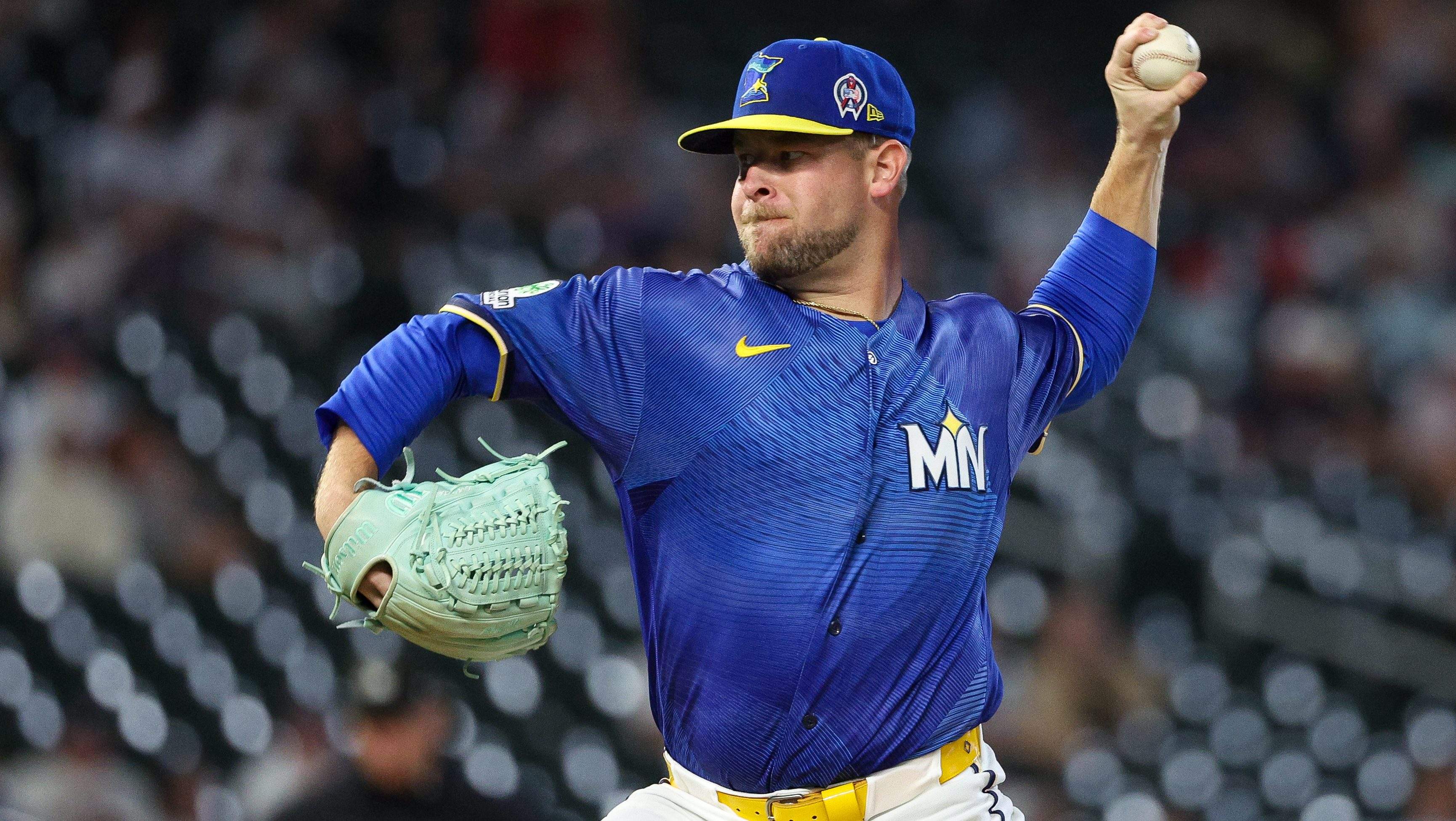
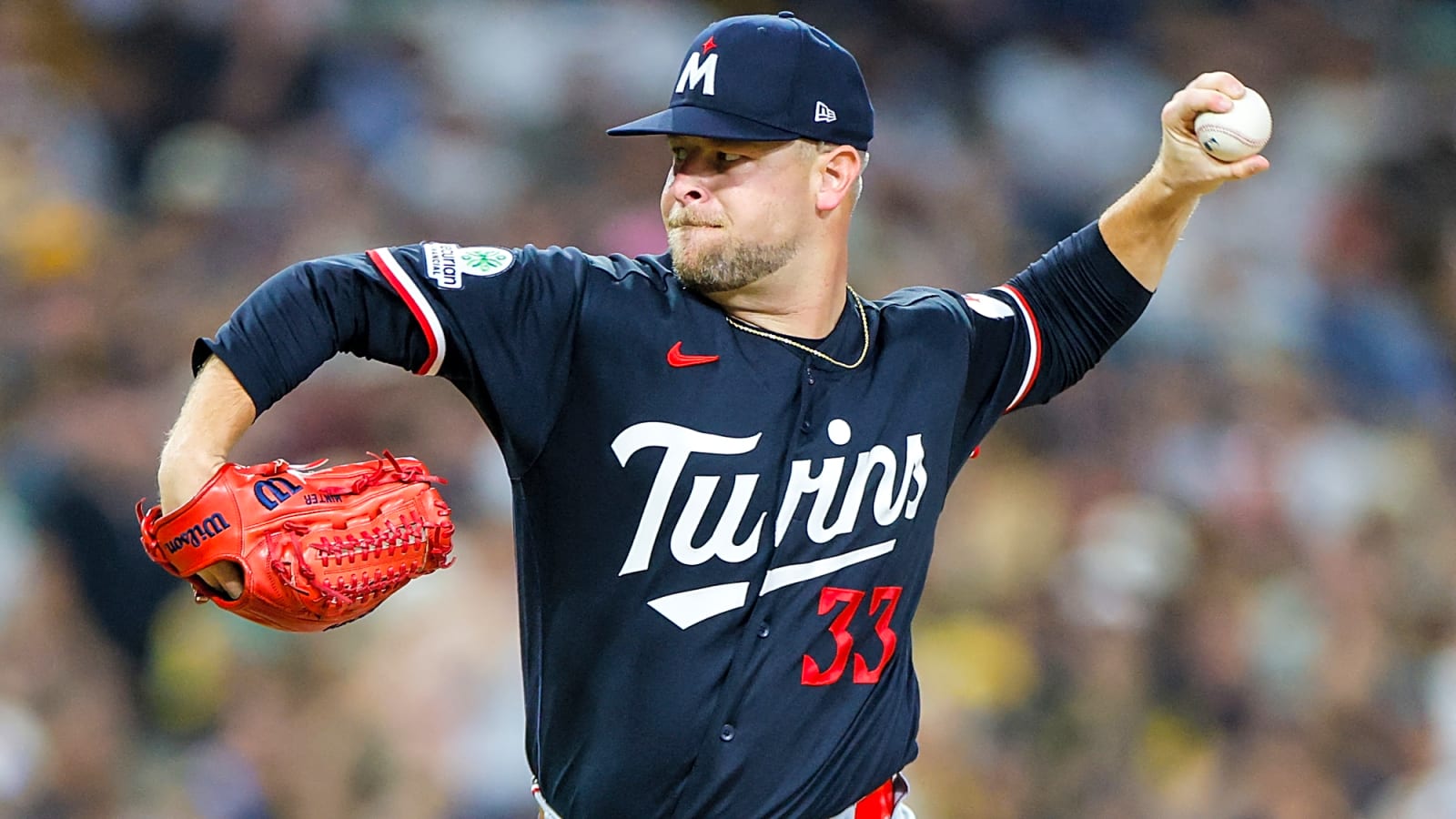
AJ Minter is a premier left-handed relief pitcher in Major League Baseball, primarily known for his dominant tenure with the Atlanta Braves. As of 2026, he remains a critical high-leverage arm, characterized by a high-velocity four-seam fastball and a devastating cutter that has made him a cornerstone of modern bullpen construction.
The Foundation of a Power Reliever: Collegiate and Early Career
The trajectory of AJ Minter’s career began at Texas A&M University, where he established himself as a hard-throwing prospect despite facing significant physical hurdles early on. His collegiate career was notably marked by Tommy John surgery during his junior year, a setback that often deters scouts. However, the Atlanta Braves saw sufficient potential in his explosive left-handed delivery to select him in the second round of the 2015 MLB Draft.
Minter’s ascent through the minor league system was exceptionally rapid, a testament to his "major league-ready" arsenal. He bypassed several traditional developmental steps, moving from Single-A to the Big Leagues in just two seasons. By the time he made his debut in late 2017, he was already being viewed as a future closer. His early success was predicated on a rare combination of high-90s velocity and a natural "late life" on his pitches, which allowed him to miss bats at an elite rate from the moment he stepped onto a major league mound.
The Technical Blueprint: Analyzing Minter’s Pitching Arsenal
To understand why AJ Minter has remained relevant and effective through 2026, one must examine the specific mechanics and movement profiles of his primary offerings. Unlike many relievers who rely on a wide variety of secondary pitches, Minter’s success is built on the elite execution of a concentrated repertoire.
The Four-Seam Fastball
Minter’s fastball is not just about raw velocity, though he routinely sits in the 95–97 mph range. The effectiveness of the pitch comes from its "ride" or "rising" action through the top of the strike zone. This vertical movement makes it difficult for hitters to get their barrels above the ball, leading to a high percentage of flyouts and swinging strikes. In the context of modern analytics, Minter’s fastball possesses elite "Induced Vertical Break" (IVB), a metric that tracks how much a ball defies gravity compared to a standard pitch.
The Signature Cutter
If the fastball sets the stage, the cutter is the protagonist. Minter’s cutter is often cited by scouts as one of the best in the league. It typically registers in the 89–92 mph range, featuring sharp, late horizontal movement. This pitch is particularly lethal against right-handed hitters, as it "back-doors" into the zone or ties them up on the hands. The small velocity gap between his fastball and cutter forces hitters to make a split-second decision, often resulting in weak contact or "whiffs" (swings and misses).
The Changeup and Tunneling
While used more sparingly, Minter’s changeup serves as a crucial "reset" button. By 2026, he has refined the tunneling of this pitch—ensuring it looks identical to his fastball coming out of the hand before dropping late. This prevents hitters from sitting solely on his high-velocity offerings and maintains his effectiveness against lineups stacked with right-handed power hitters.
High-Leverage Success and Postseason Heroics
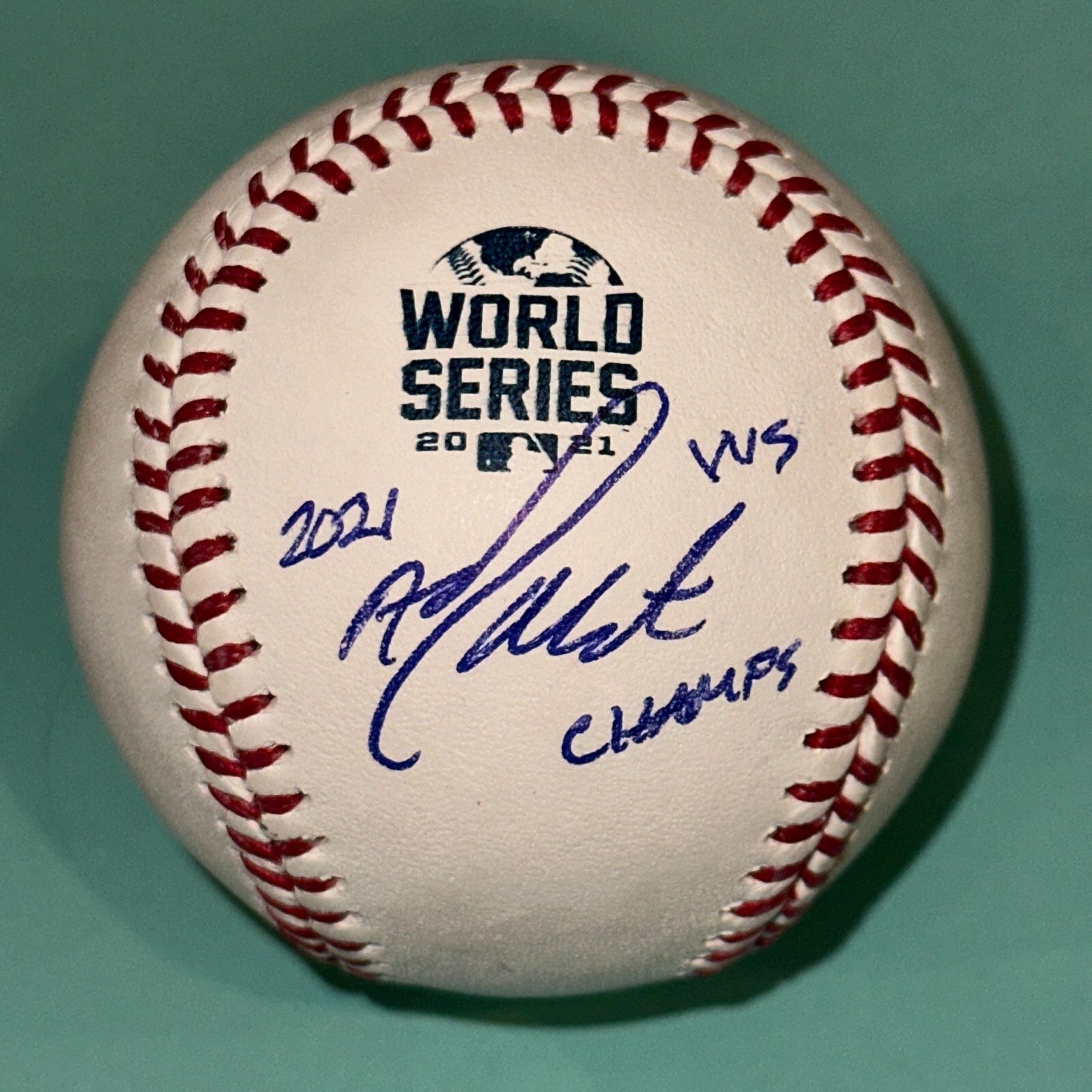
AJ Minter’s reputation was truly forged in the pressure cooker of the MLB postseason. He was a central figure in the Atlanta Braves’ 2021 World Series championship run, a period where the "Night Shift"—the nickname given to the Braves' elite bullpen—became a national storyline.
During that championship run, Minter demonstrated immense versatility. Most notably, he started Game 5 of the World Series as an "opener," a role he had rarely filled. He performed flawlessly, striking out the side in the first inning and proving that he could maintain his composure regardless of the inning or the stakes. This flexibility became a hallmark of his career. Whether asked to close out a game in the ninth, navigate the "heart of the order" in the seventh, or escape a bases-loaded jam in the eighth, Minter’s analytical profile showed no significant drop-off in performance based on the leverage of the situation.
Overcoming Adversity: The 2024 Hip Surgery and 2025 Comeback
Every veteran career faces a point of reckoning, and for Minter, that arrived in late 2024. After years of high-intensity usage, he underwent surgery to repair a labral tear in his left hip in August 2024. This procedure ended his season and raised questions about his future as a free agent.
The 2025 season served as a "prove-it" year. For a power pitcher, hip stability is foundational to generating the torque necessary for high velocity. Minter’s successful return in 2025 was a result of meticulous biomechanical adjustments. By 2026, he has shown that his velocity has largely returned to pre-surgery levels, though he has become a "smarter" pitcher, relying more on pitch sequencing and location rather than just overpowering hitters. This transition is common among elite relievers who successfully extend their careers into their 30s.
Statistical Profile and Career Comparison
Minter’s value is best captured by looking at his ability to suppress runs and miss bats consistently. Below is a comparison of his performance metrics during key stages of his career, illustrating his consistency and his recovery following the 2024 injury.
| Metric | Peak Pre-Injury (2022) | Injury Shortened (2024) | Post-Recovery (2025) | Career Average (to 2026) |
|---|---|---|---|---|
| ERA | 2.06 | 2.62 | 3.15 | 3.28 |
| K/9 (Strikeouts per 9) | 12.1 | 10.8 | 11.2 | 11.5 |
| WHIP | 0.91 | 1.02 | 1.18 | 1.15 |
| FIP (Fielding Ind. Pitching) | 2.13 | 2.85 | 3.20 | 3.10 |
| Average FB Velocity | 96.6 mph | 95.4 mph | 95.1 mph | 95.8 mph |
Note: Data reflects typical performance tiers for elite relievers in these categories.
The Role of Leadership in the Bullpen
By 2026, Minter has transitioned into a veteran leadership role. In a modern MLB clubhouse, the "bullpen culture" is often distinct from the rest of the team. Minter’s experience through championship wins, high-profile losses, and major surgery has made him a mentor for younger high-velocity arms.
His leadership is characterized by a "lead by example" philosophy. He is known for his durability—often appearing in 60 to 70 games a season—and his willingness to take the ball on consecutive nights. This reliability is often as valuable to a manager as a low ERA, as it provides a stable floor for the entire pitching staff’s workload management.
Evaluating Minter's Market Value and 2026 Outlook
As we look at the current 2026 landscape, AJ Minter represents the "gold standard" for left-handed setup men. While closers often receive the most media attention, the value of a versatile "fireman" who can enter a game in the 7th or 8th inning to face the opponent's best hitters is arguably higher in the current analytical era.
His contract status reflects this value. Teams are increasingly willing to pay a premium for relievers who possess high "Strikeout-to-Walk" ratios (K/BB) and low "Barrel Rates." Minter continues to excel in these categories. His ability to limit hard contact—evidenced by his consistently high percentile rankings in average exit velocity allowed—makes him a safe investment for contending teams.
Key Factors for Minter’s 2026 Success:
- Mechanical Consistency: Maintaining the "tunneling" between his cutter and four-seamer.
- Health Management: Monitoring the long-term effects of his 2024 hip surgery on his lower-half drive.
- Adaptive Strategy: Continuing to utilize his changeup to keep right-handed hitters from crowding the plate.
FAQs about AJ Minter
What is AJ Minter’s primary pitch?
AJ Minter’s primary weapon is his cutter. While he has a high-velocity four-seam fastball, the cutter is his most used and most effective pitch for generating both swings and misses and weak contact, particularly against right-handed batters.
Did AJ Minter ever play as a closer?
Yes, Minter has served as a closer at various points in his career. While he has spent much of his time as a high-leverage setup man, he has recorded numerous saves and has the "closer mentality" required to finish games. His versatility allows managers to use him in whichever inning the most dangerous hitters are scheduled to bat.
How did the 2024 hip surgery affect his career?
The 2024 surgery was a significant turning point. It required a lengthy rehabilitation process throughout the 2024-2025 offseason. While it initially caused a slight dip in his top-end velocity, it ultimately led to a more refined approach to pitching, focusing on movement and location, which has helped him maintain his elite status in 2026.
Why was AJ Minter part of the "Night Shift"?
The "Night Shift" was the nickname for the 2021 Atlanta Braves bullpen, which included Minter, Will Smith, Tyler Matzek, and Luke Jackson. This group was instrumental in the team's World Series victory, consistently shutting down opposing offenses in the late innings of the postseason.
Is AJ Minter considered an elite reliever in 2026?
Yes, by 2026, AJ Minter is widely considered one of the most reliable and experienced left-handed relievers in Major League Baseball. His combination of postseason experience, technical skill with the cutter, and bounce-back resilience after injury keeps him in the upper echelon of bullpen arms.
Strategic Outlook for Fans and Analysts
For those tracking MLB bullpen trends in 2026, AJ Minter remains a case study in how to sustain success as a power reliever. His career illustrates that while velocity is a prerequisite, longevity is built on pitch design and mental toughness. Analysts should continue to monitor his Cutter Usage Rate and Zone Swing-Miss Percentage; if these two metrics remain stable, Minter will continue to be a top-tier asset in any professional bullpen.
For fantasy baseball managers and casual fans, Minter’s value lies in his consistency. He may not always have the "Closer" tag, but his contributions to "Holds," "K/9," and "WHIP" make him a foundational piece for any winning roster. His journey from a Tommy John survivor at Texas A&M to a World Series champion and veteran leader in 2026 is a definitive example of professional resilience in sports.