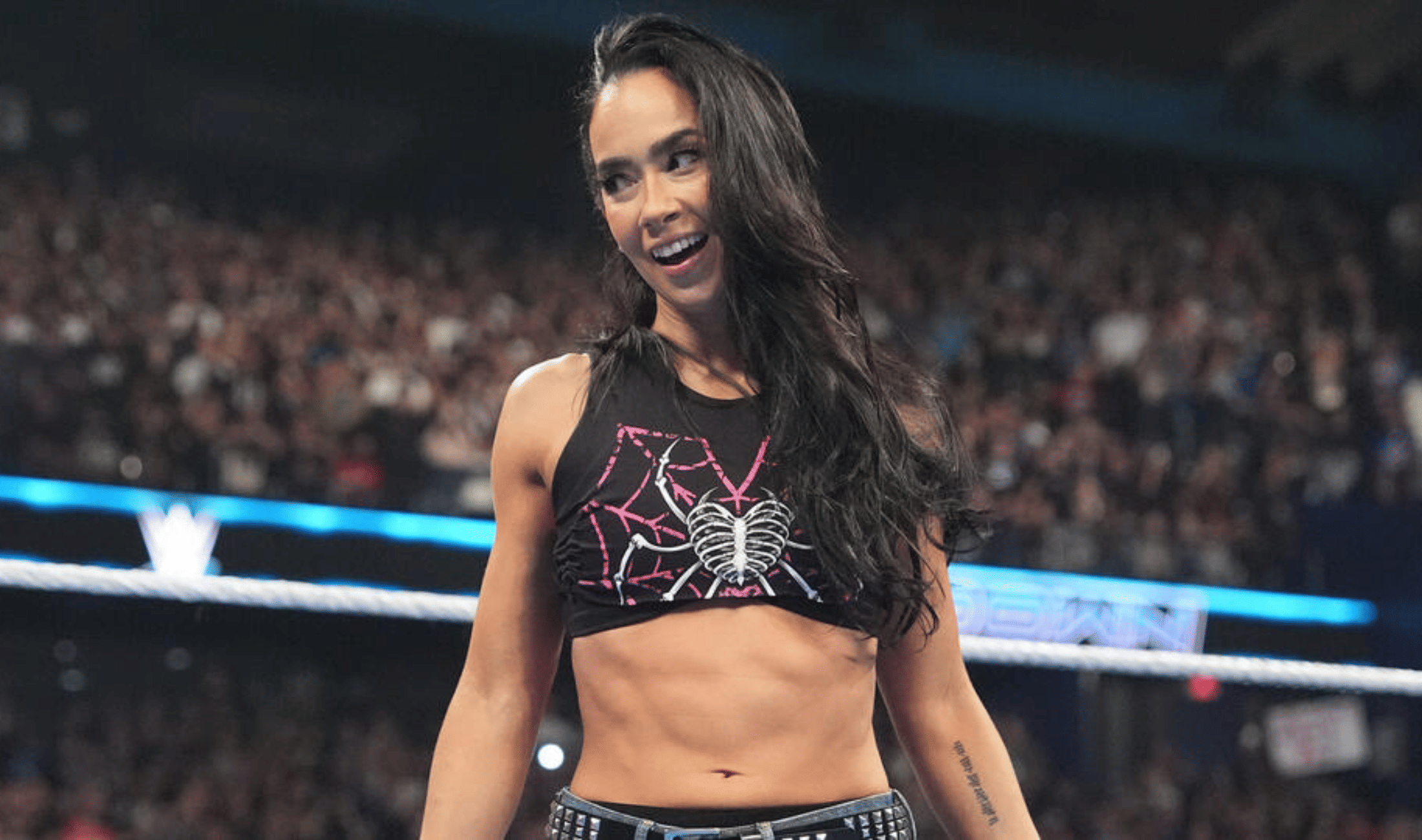
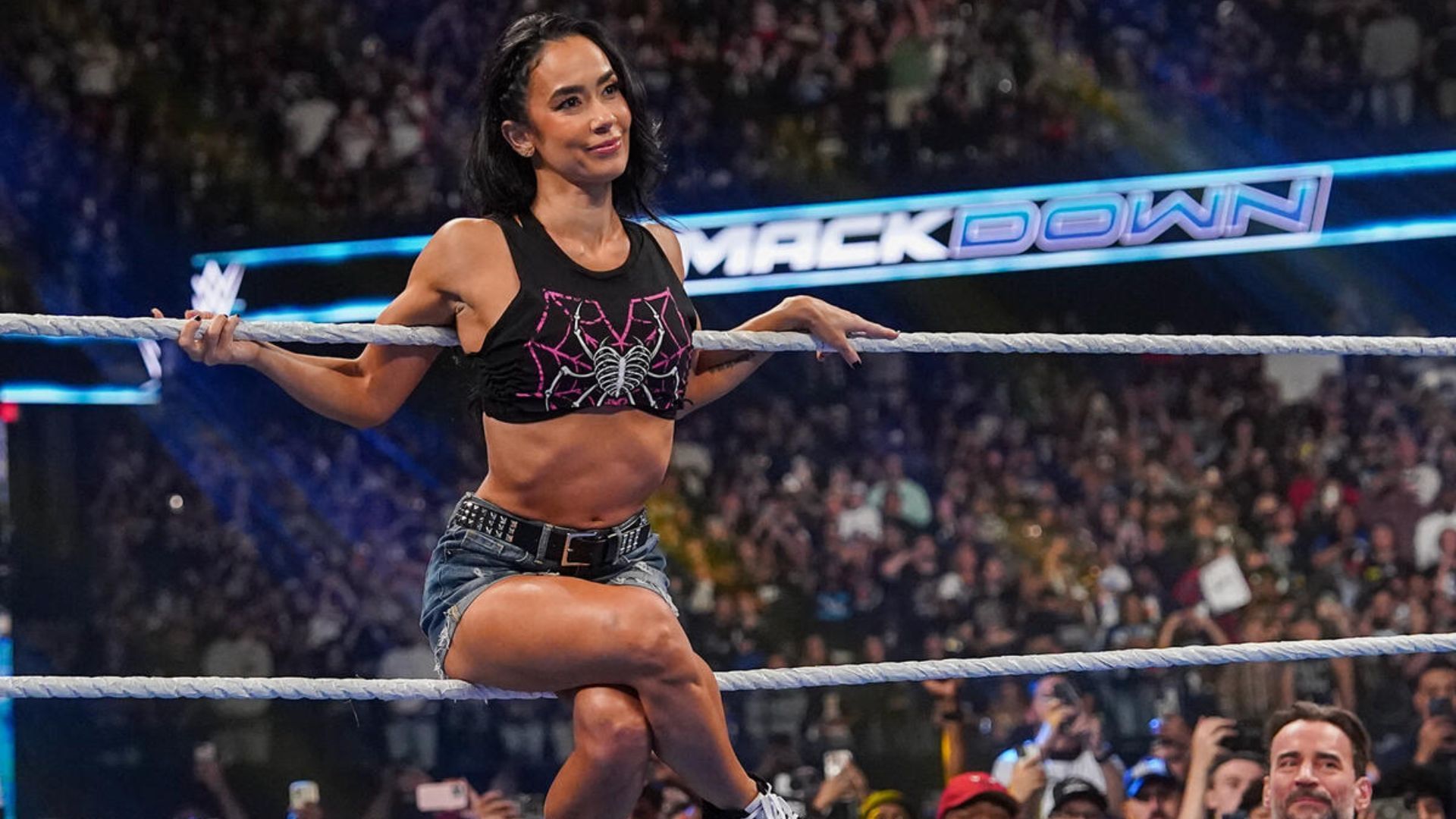
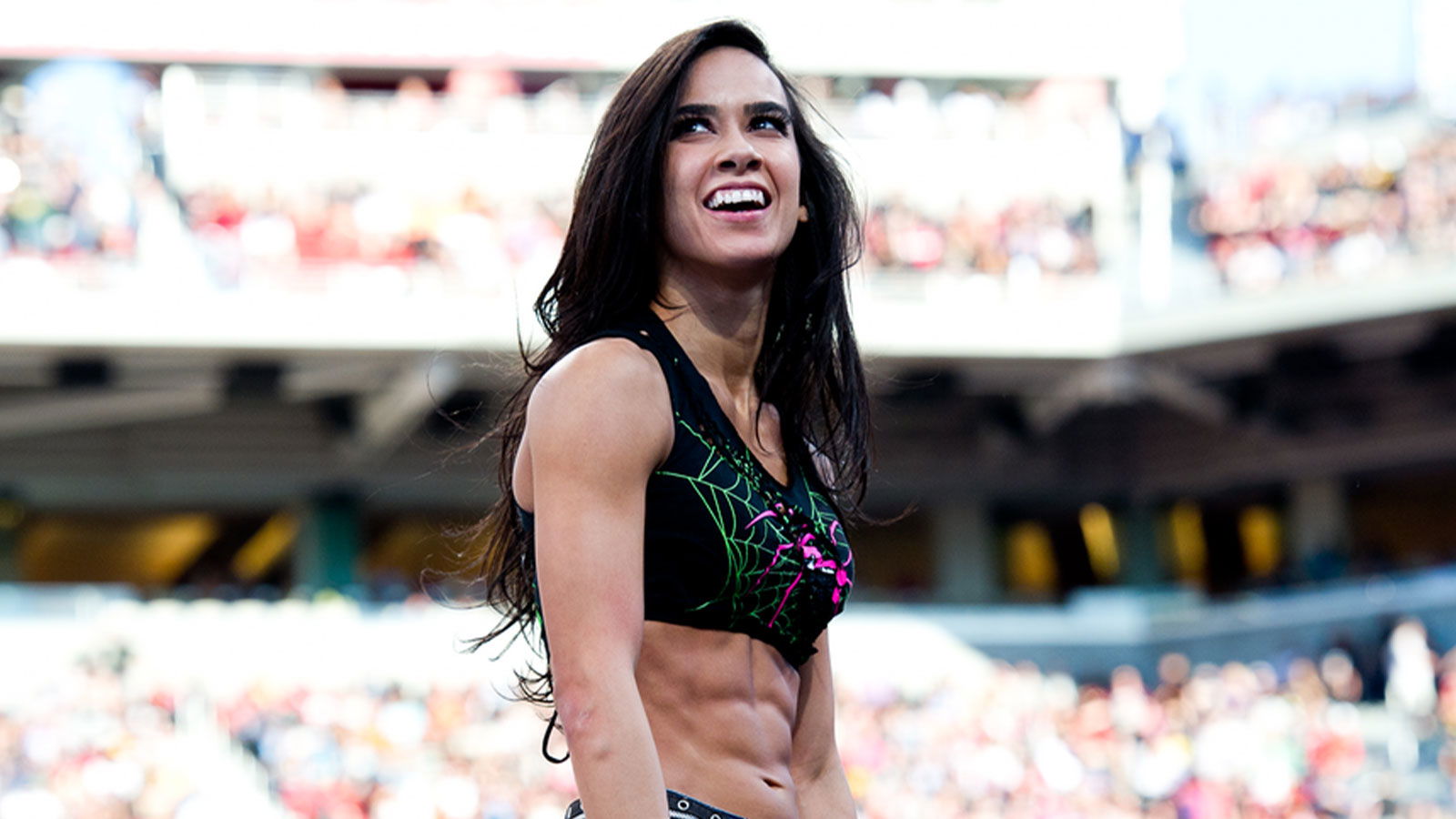
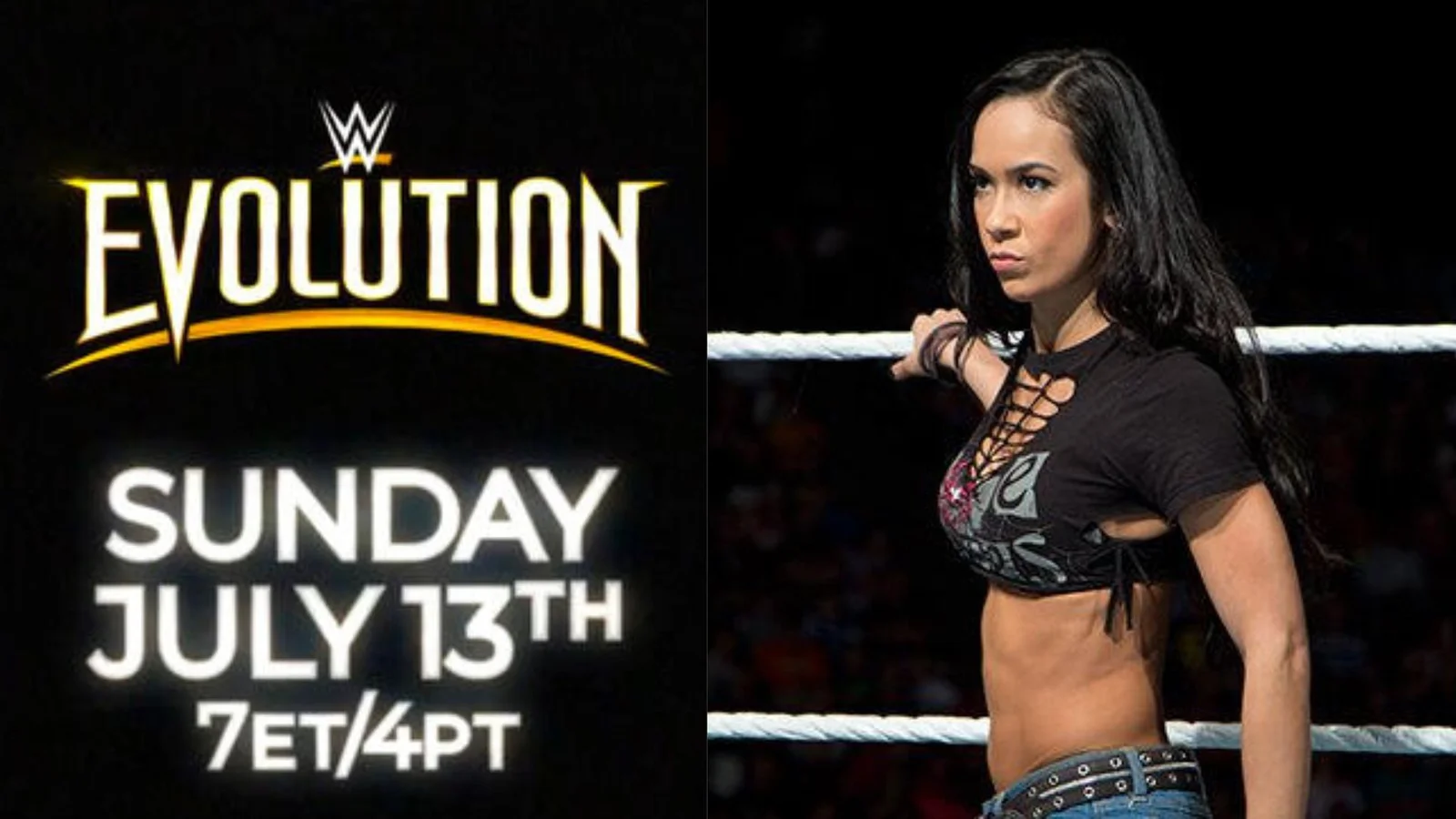
AJ Lee, born April Jeanette Mendez, is of Puerto Rican ethnicity. Both of her parents, Robert Mendez and Janet Acevedo, share this heritage, making her a prominent representative of the Puerto Rican community within professional wrestling. Her background played a fundamental role in her upbringing in New Jersey and her later career as a trailblazing WWE athlete.
Defining AJ Lee’s Puerto Rican Heritage
To understand the background of the woman the world knows as AJ Lee, one must look toward the Caribbean island of Puerto Rico. Born on March 19, 1987, in Union City, New Jersey, April Jeanette Mendez is a first-generation American of full Puerto Rican descent. Her parents moved from the island to the mainland United States, bringing with them a cultural identity that would define much of April’s early life and resilient spirit.
In the context of the professional wrestling industry, ethnicity has often been used as a tool for character archetypes. However, AJ Lee was notable for how she carried her heritage. Unlike many of her contemporaries who were cast in roles that heavily leaned into ethnic stereotypes, Mendez was presented primarily as a relatable, high-energy, and intellectually sharp competitor. This nuance allowed her to represent the Puerto Rican community by simply being a successful, three-dimensional woman of color at the top of a global industry.
Her Puerto Rican roots are not just a matter of genealogy but a core component of her personal narrative. In her 2017 memoir, Crazy Is My Superpower, she speaks extensively about the influence of her family and the cultural expectations she navigated while growing up. By 2026, looking back at her decade-plus legacy, it is clear that her background provided the foundation for the "geek-chic" persona that revolutionized the WWE Divas division.
Early Life in Union City: The Shaping of April Mendez
Union City, New Jersey, where April grew up, has long been known as a vibrant hub for Hispanic culture, often referred to as "Little Havana on the Hudson" due to its high concentration of Cuban and Puerto Rican residents. This environment was crucial in forming her identity. However, her childhood was also defined by extreme economic instability.
The Mendez family frequently struggled with poverty, leading to periods of homelessness where they lived in motels, the houses of various relatives, and occasionally their car. This socioeconomic background is inextricably linked to her ethnicity and the immigrant experience of many Puerto Rican families in the late 20th century. April has often cited these hardships as the primary motivator for her professional drive. The "toughness" required to survive her upbringing in Union City became a signature trait of her in-ring character, AJ Lee.
Furthermore, her upbringing was marked by her family's struggles with mental health and substance abuse, issues she has courageously documented. Her ability to transcend these circumstances while remaining proud of her Puerto Rican roots has made her a hero to many young fans who see their own struggles reflected in her story.
Breaking Cultural Stereotypes in Professional Wrestling
When AJ Lee signed with WWE’s developmental territory, Florida Championship Wrestling (FCW), in 2009, the landscape for female performers of Hispanic descent was often limited. For years, "Latina" characters in wrestling were frequently pigeonholed into specific roles—either as fiery, temperamental antagonists or as hyper-sexualized figures.
AJ Lee broke this mold entirely. By leaning into her real-life interests—video games, comic books, and anime—she created a character that was "the girl next door" but with a psychological edge. This was a radical departure for a Puerto Rican performer in the WWE. She proved that an athlete’s ethnicity could be a background element of a complex character rather than the sole defining trait.
Her success paved the way for a more diverse range of storytelling for women of color in the industry. By the time she retired from active competition in 2015, she had held the WWE Divas Championship three times, including a then-record-setting reign of 295 days. Her ethnicity was a source of pride for her fans, particularly those in the Latinx community who had rarely seen a woman who looked like them portrayed as the smartest person in the room.
Ancestry and Family Dynamics: The Mendez Legacy
The specific details of April Mendez’s family tree reveal a close-knit, albeit turbulent, Puerto Rican family structure. Her father, Robert Mendez, was a significant figure in her life, introducing her to the world of professional wrestling at a young age. Her mother, Janet Acevedo, provided the other half of her cultural lineage.
The Influence of Her Mother, Janet Acevedo
Mendez has spoken about the complex relationship she had with her mother, who also struggled with mental health issues. This shared experience informed April’s later advocacy work. From a cultural perspective, the matriarchal influence in Puerto Rican households is often strong, and the lessons April learned regarding resilience and survival were passed down through this line.
Overcoming Economic Hardship as a First-Generation Identity
As a first-generation American, April faced the unique pressure of succeeding where previous generations had struggled. This "immigrant work ethic," often discussed in sociological studies of Hispanic families in the US, was evident in her relentless pursuit of a wrestling career. She famously worked multiple jobs to save the money required for her wrestling training, a testament to the grit she attributes to her background.
AJ Lee’s Impact as a Mental Health Advocate in the Hispanic Community
One of the most significant aspects of uncovering AJ Lee’s background is her role as a mental health advocate, particularly within the Hispanic community where such topics can sometimes be stigmatized. After being diagnosed with Bipolar II disorder in her early 20s, she chose to use her platform to speak openly about her journey.
In many Latinx cultures, there is a historical tendency to keep family struggles private—a concept known as familismo. By breaking this silence, Mendez performed a vital service. She showed that a successful, world-famous Puerto Rican woman could manage a mental health condition and still achieve the pinnacle of her profession. Her work with organizations like NAMI (National Alliance on Mental Illness) has bridged the gap between her celebrity status and her cultural roots, providing a voice for those who feel marginalized by both their ethnicity and their health status.
| Category | Details |
|---|---|
| Full Name | April Jeanette Mendez |
| Ethnicity | Puerto Rican |
| Birthplace | Union City, New Jersey, USA |
| Parents | Robert Mendez and Janet Acevedo |
| Heritage | First-generation American |
| Language | English (Fluent), Spanish (Cultural Heritage) |
| Key Publication | Crazy Is My Superpower (Memoir) |
| WWE Debut | 2009 (FCW) / 2010 (NXT) |
| Championships | 3-time WWE Divas Champion |
Writing and Screenwriting: A New Chapter of Representation
In the years following her wrestling career, leading up to 2026, April Mendez has transitioned into a highly successful career as a writer and producer. This shift has allowed her to further explore her background through creative storytelling. Her work on the Blade of the 47 Ronin script and her various comic book projects (including GLOW and Wonder Woman) often feature diverse casts and themes of empowerment.
Her background as a Puerto Rican woman from a low-income household informs her writing. She frequently advocates for the inclusion of underrepresented voices in the writers' room. By moving from being the subject of the camera to the creator behind the scenes, she is ensuring that the next generation of Hispanic talent has a clearer path than she did. Her transition into the literary and film worlds is a direct extension of the intellectual curiosity that she first displayed during her time in the WWE.
Common Questions Regarding AJ Lee's Background
Is AJ Lee fluent in Spanish?
While April Mendez grew up in a household with strong Puerto Rican roots, she has described herself as more fluent in English, which is common for many first-generation Americans born in the NJ/NY area. However, she retains a deep cultural understanding and connection to the Spanish language through her family and her upbringing in the heavily Hispanic community of Union City.
What is AJ Lee’s real name and why did she use a stage name?
Her real name is April Jeanette Mendez. In the professional wrestling industry, performers often use stage names for branding and intellectual property reasons. "AJ Lee" was a shortened version of her first and middle names (April Jeanette), which she felt allowed her to stay true to herself while creating a catchy, marketable persona for the WWE.
How did her ethnicity influence her WWE character?
Unlike many "ethnic" characters in the 2000s, AJ Lee’s Puerto Rican heritage was treated as a factual part of her identity rather than her entire gimmick. This allowed her to appeal to a broad demographic while still serving as a representative for Hispanic fans. She broke the "Diva" mold by being a self-proclaimed nerd, which challenged the stereotypes associated with both female wrestlers and Latina women in media.
What has AJ Lee said about her Puerto Rican roots in her book?
In Crazy Is My Superpower, she discusses the pride she feels for her heritage and the struggles her parents faced after moving to the United States. She details the cultural nuances of her childhood and how her family’s Puerto Rican identity provided a sense of community even during their most difficult financial times.
Is AJ Lee still involved with the Puerto Rican community?
Yes, she frequently participates in events and social media campaigns that highlight Hispanic heritage. She also uses her platform to support charitable causes that affect the Latinx community, particularly those involving mental health and youth empowerment in urban areas similar to where she grew up.
Understanding the Legacy of April Mendez
For those looking to understand the full scope of AJ Lee's impact, it is essential to recognize that her ethnicity is inseparable from her story of resilience. Her background is not just a footnote; it is the engine that drove her from the motels of New Jersey to the main event of WrestleMania.
If you are interested in exploring her journey further, the best resource is her memoir, Crazy Is My Superpower. It provides a raw, unfiltered look at how her Puerto Rican heritage and her upbringing shaped her into one of the most influential women in the history of sports entertainment. Following her current projects in screenwriting and comic books is also a great way to see how she continues to champion diversity and representation in 2026.