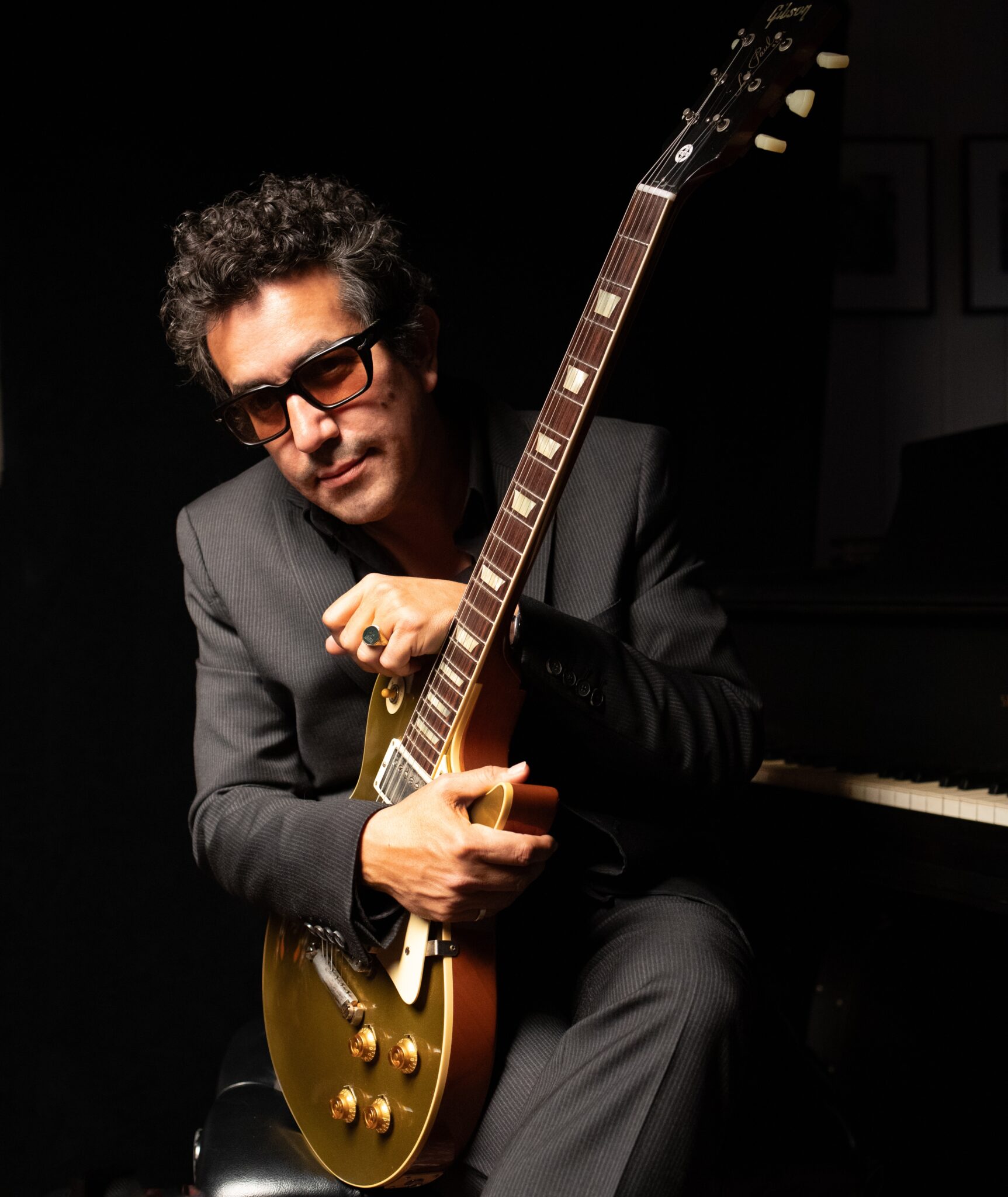
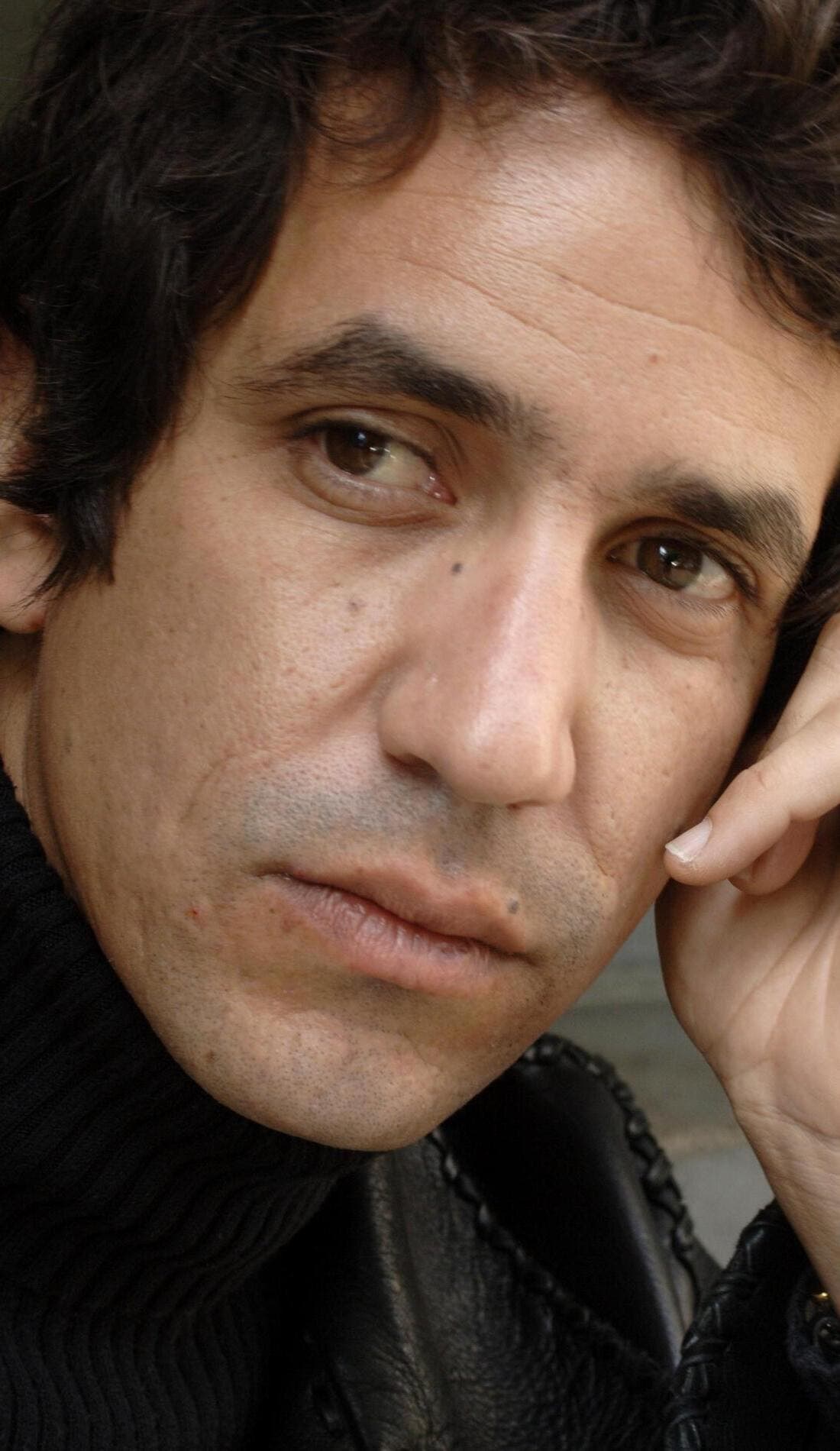
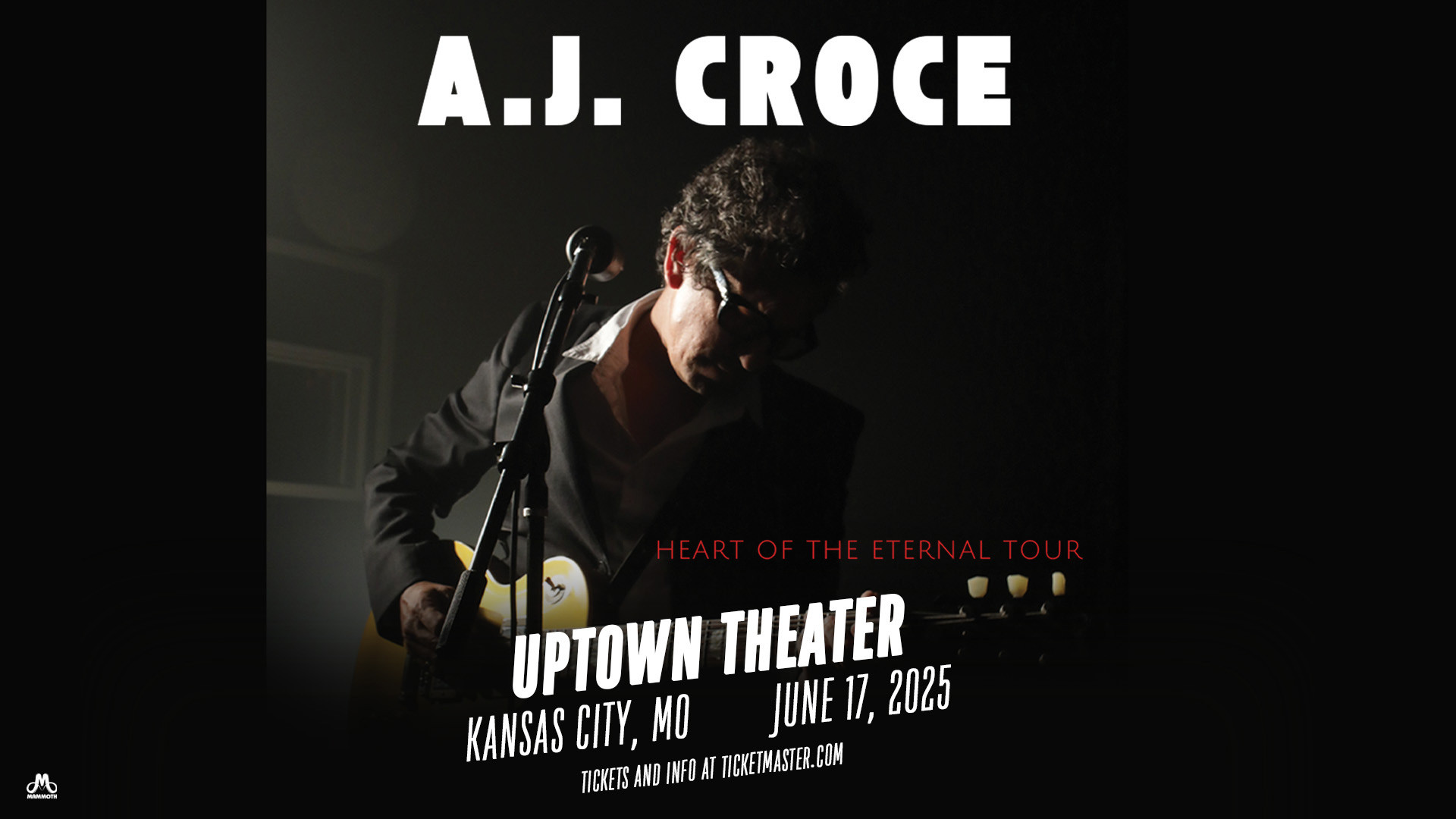
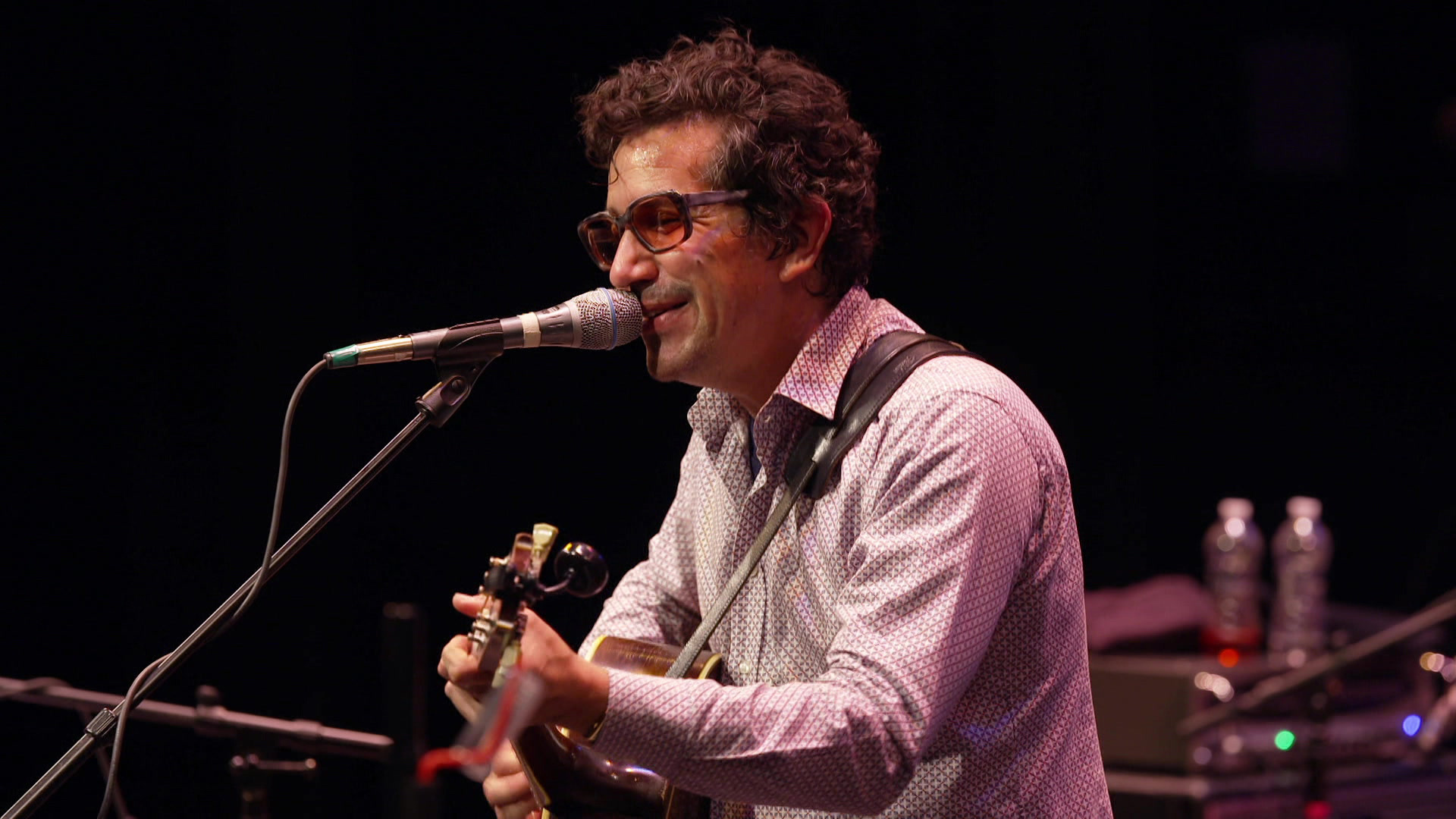
AJ Croce is an American singer-songwriter and multi-instrumentalist celebrated for his sophisticated fusion of blues, soul, jazz, and rock. While he is the son of folk legend Jim Croce, AJ has established a distinct three-decade career defined by virtuosic piano skills, soulful vocals, and a deep mastery of American roots music and stride piano.
In 2026, AJ Croce stands as a seasoned veteran of the music industry, having successfully navigated the complexities of a legendary family name while building a formidable body of work that spans ten studio albums and decades of international touring. His career is a testament to resilience, moving from a childhood marked by profound personal tragedy and physical health challenges to becoming one of the most respected "musician’s musicians" in contemporary blues and pop. To understand AJ Croce is to understand a bridge between the classic era of 1970s singer-songwriters and the timeless tradition of New Orleans-style piano and classic soul.
The Early Years: Resilience and the Roots of a Style
The story of Adrian James (AJ) Croce begins with a narrative of survival. Born in 1971, his early childhood was shaped by the loss of his father, Jim Croce, in a tragic plane crash in September 1973, just before AJ’s second birthday. However, his challenges were not only emotional. At the age of four, AJ suffered from severe optic neuritis, which left him legally blind for several years. It was during this period of darkness that he developed his profound connection to music, teaching himself to play piano by listening to records and feeling the keys.
His sight eventually partially returned, but the experience left him with a unique sensory perspective on music. He gravitated toward the piano-driven sounds of Ray Charles, Stevie Wonder, and the stride piano of Fats Waller and Professor Longhair. By the time he was a teenager, he was performing professionally in the San Diego club scene. This early start provided him with a technical foundation that many of his peers lacked; he wasn’t just a "legacy act," but a student of the 1920s and 30s jazz and blues traditions.
A Discography of Diverse Evolution
AJ Croce’s recording career began in earnest in the early 1990s. Unlike many children of famous musicians who attempt to replicate their parents’ sound, AJ leaned heavily into his piano-centric influences. His self-titled debut in 1993, produced by T-Bone Burnett and John Simon, introduced a voice that felt far older than its twenty-something years, steeped in jazz and blues.
His follow-up, That’s Me in the Bar (1995), remains a cult classic and a definitive example of his "saloon-style" songwriting. The album showcased his ability to write narratives that felt both modern and timeless, earning him comparisons to Randy Newman and Tom Waits. Over the following decades, Croce refused to be pigeonholed:
- The Pop-Rock Shift: In the early 2000s, with albums like Adrian James (2004) and Cantos (2006), he moved toward a more guitar-accessible, pop-rock sound influenced by the Beatles and the British Invasion, demonstrating his versatility as a songwriter.
- The Collaborative Peak: The 2014 album Twelve Tales was a monumental project where he recorded two songs each with six legendary producers, including Allen Toussaint, Jack Clement, and Mitchell Froom. This project highlighted his standing in the industry, as these titans of production sought to work with his specific brand of craftsmanship.
- The Soul Revival: By Request (2021) saw him paying homage to the artists who influenced him, covering a diverse range of tracks from Billy Preston to The Five Stairsteps, further solidifying his reputation as a curator of great American music.
"Croce Plays Croce": Reclaiming the Family Legacy
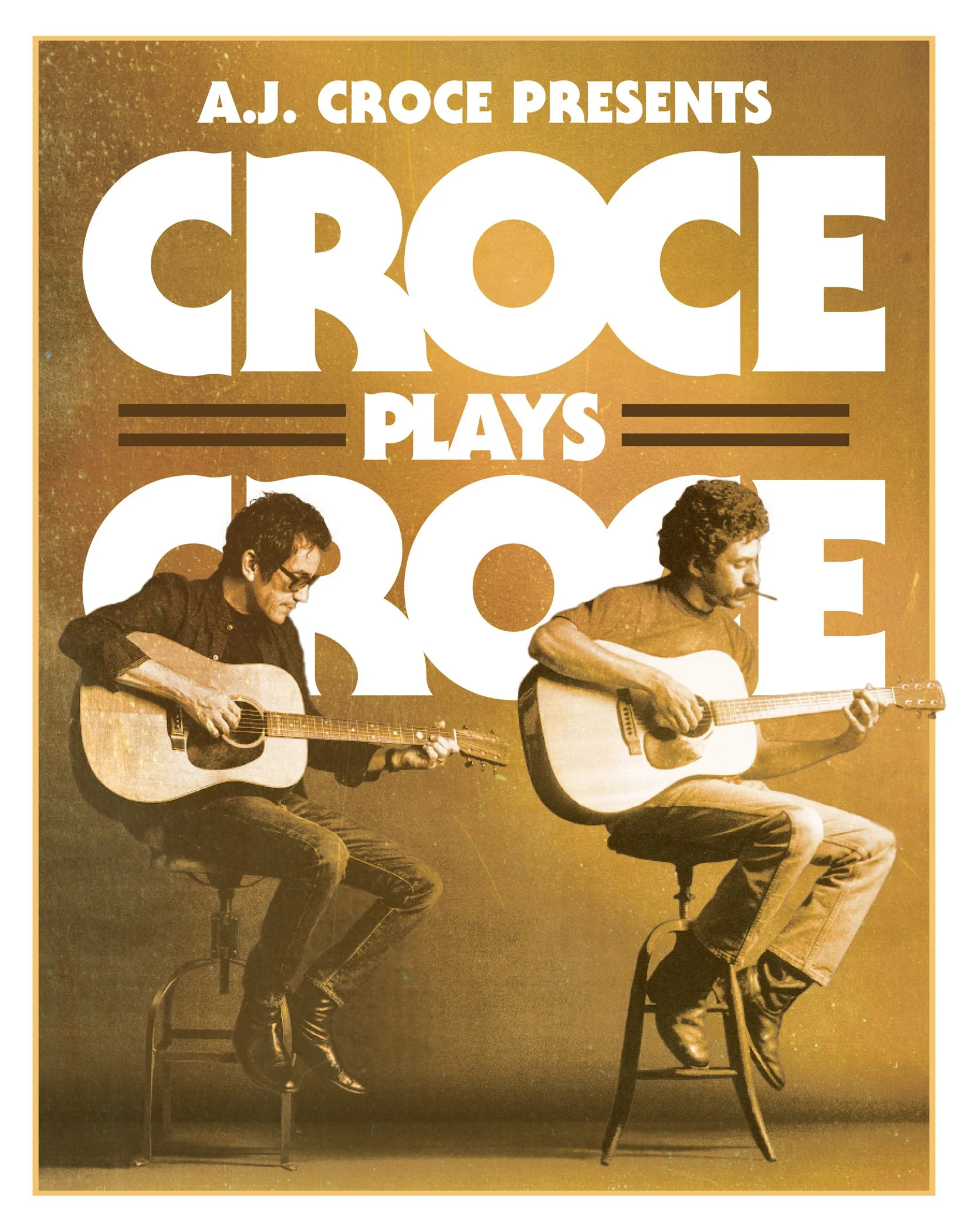
For much of his early career, AJ Croce understandably kept his father’s shadow at a distance, focusing on his own compositions. However, as he matured and the 50th anniversaries of Jim Croce’s landmark albums (You Don't Mess Around with Jim, Life and Times, and I Got a Name) approached in the early 2020s, AJ launched the "Croce Plays Croce" tour.
This project, which continues to see immense success in 2026, is more than a tribute show. It is a multimedia experience that blends AJ’s own hits with his father’s timeless classics like "Operator," "Time in a Bottle," and "Bad, Bad Leroy Brown." The show is unique because AJ does not attempt to mimic his father’s folk-guitar style. Instead, he reinterprets many of the songs through his own piano-driven lens or performs them alongside a world-class band that captures the energy of the original 1970s recordings. This tour has allowed a new generation of fans to experience the Croce legacy while seeing AJ as a master performer in his own right.
Notable Career Milestones and Discography
| Year | Milestone / Album | Primary Genre / Focus |
|---|---|---|
| 1993 | A.J. Croce | Jazz-Blues / Debut produced by T-Bone Burnett |
| 1995 | That's Me in the Bar | Roots Rock / Stride Piano |
| 2004 | Adrian James | Power Pop / Beatles-esque influences |
| 2014 | Twelve Tales | Americana / Multi-producer experimental project |
| 2017 | Just Like Yesterday | Soul & Rhythm and Blues |
| 2021 | By Request | R&B and Soul Covers |
| 2023-2026 | Croce Plays Croce Tour | 50th Anniversary Legacy & Original Works |
Technical Artistry and Instrumentation
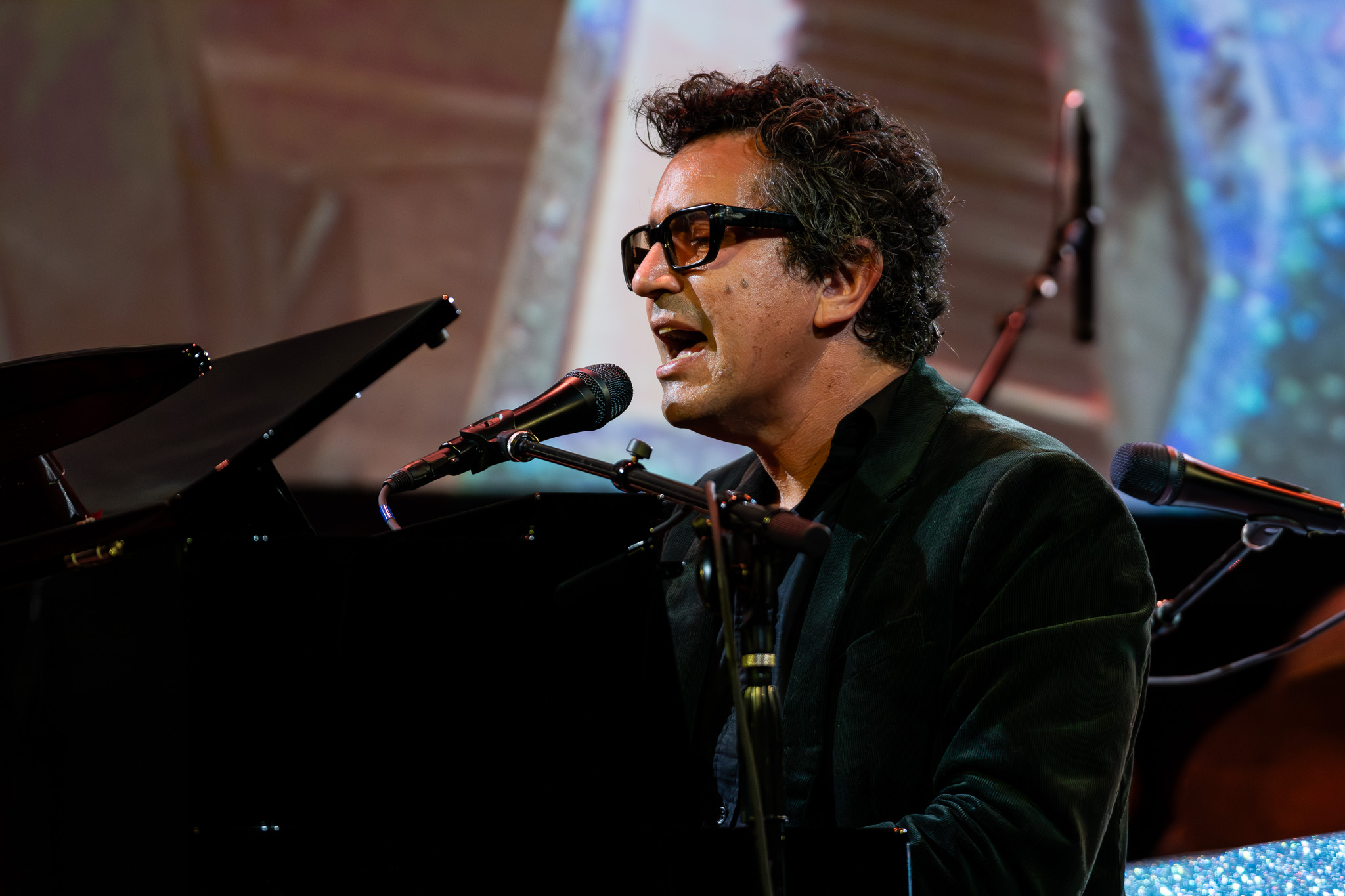
AJ Croce is primarily recognized for his piano technique. His style is characterized by a "heavy left hand," a hallmark of stride and boogie-woogie piano where the pianist provides both the bassline and the rhythmic "stride" simultaneously. This allows him to perform as a powerful solo act or to drive a full band without the need for traditional rhythm guitar support.
His vocal range has also evolved significantly. Early in his career, he possessed a raspy, soulful growl that suited his blues material. As he moved into pop and rock, his voice smoothed out, allowing for the melodic complexity required for his more contemporary compositions. In his live performances in 2026, he is known for his storytelling, providing the historical context behind both his father’s songs and his own, making him a compelling narrator of American musical history.
The Significance of the 2024-2026 Era
The period leading into 2026 has been a "renaissance" for Croce. With the release of his comprehensive anthology Just Like Yesterday: An Anthology (late 2024), he provided a roadmap of his journey from a 19-year-old prodigy to a 50-year-old master. This era has seen him performing at prestigious venues like the Grand Ole Opry and major international jazz festivals, often bridging the gap between folk, country, and blues audiences.
His influence extends to his role as a preservationist. By continuing to perform his father’s work alongside his own, he ensures that the nuances of 1970s songwriting—narrative-driven, melodic, and emotionally resonant—remain a part of the modern cultural conversation. Furthermore, his own original work continues to challenge the "legacy" label, proving that his talent is independent of his surname.
Frequently Asked Questions
Is AJ Croce still touring in 2026?
Yes, AJ Croce remains highly active on the touring circuit. His "Croce Plays Croce" tour has evolved into a perennial favorite, often featuring updated setlists that incorporate deeper cuts from his own 30-year catalog as well as his father’s most famous hits. He frequently performs at performing arts centers and major music festivals across North America and Europe.
How does AJ Croce's style differ from his father, Jim Croce?
While Jim Croce was primarily a folk and soft-rock artist known for his acoustic guitar work and narrative storytelling, AJ Croce is a piano-based artist. AJ's musical roots are deeper in the blues, jazz, and New Orleans R&B traditions. Although both share a talent for storytelling and lyrical depth, AJ’s sound is more rhythmically driving and instrumentally complex due to his piano virtuosity.
Did AJ Croce lose his eyesight?
AJ Croce suffered from a condition called optic neuritis when he was four years old, which resulted in legal blindness for several years. While he did regain a significant portion of his vision later in childhood, the period of blindness was instrumental in his musical development, as it forced him to learn the piano by ear and touch, a skill that defines his playing style today.
What are AJ Croce's most popular songs?
Among his original works, "That’s Me in the Bar," "He’s Got a Way with Women," and "The Heart That Sang" are fan favorites. Through his "Croce Plays Croce" performances, he is also widely associated with his renditions of "Operator (That’s Not the Way It Feels)" and "You Don't Mess Around with Jim," which he performs with a unique piano-driven energy.
Which musicians have influenced AJ Croce the most?
AJ has frequently cited Ray Charles, Mose Allison, and Professor Longhair as his primary influences on the piano. In terms of songwriting, he draws from a wide pool including The Beatles, Randy Newman, and the soulful arrangements of Stax and Motown records.
Recommended Next Actions for Fans
For those looking to engage with AJ Croce’s work in 2026, the best starting point is his most recent anthology, which provides a curated look at his stylistic shifts over three decades. Attending a live performance of "Croce Plays Croce" is highly recommended for those who want to see the technical precision of his piano playing firsthand. Additionally, fans of Jim Croce will find AJ’s interpretations of the classic catalog to be a refreshing and respectful continuation of the family’s musical contribution. To stay updated on current tour dates and new releases, visiting the official AJ Croce website is the most reliable method for obtaining verified information.