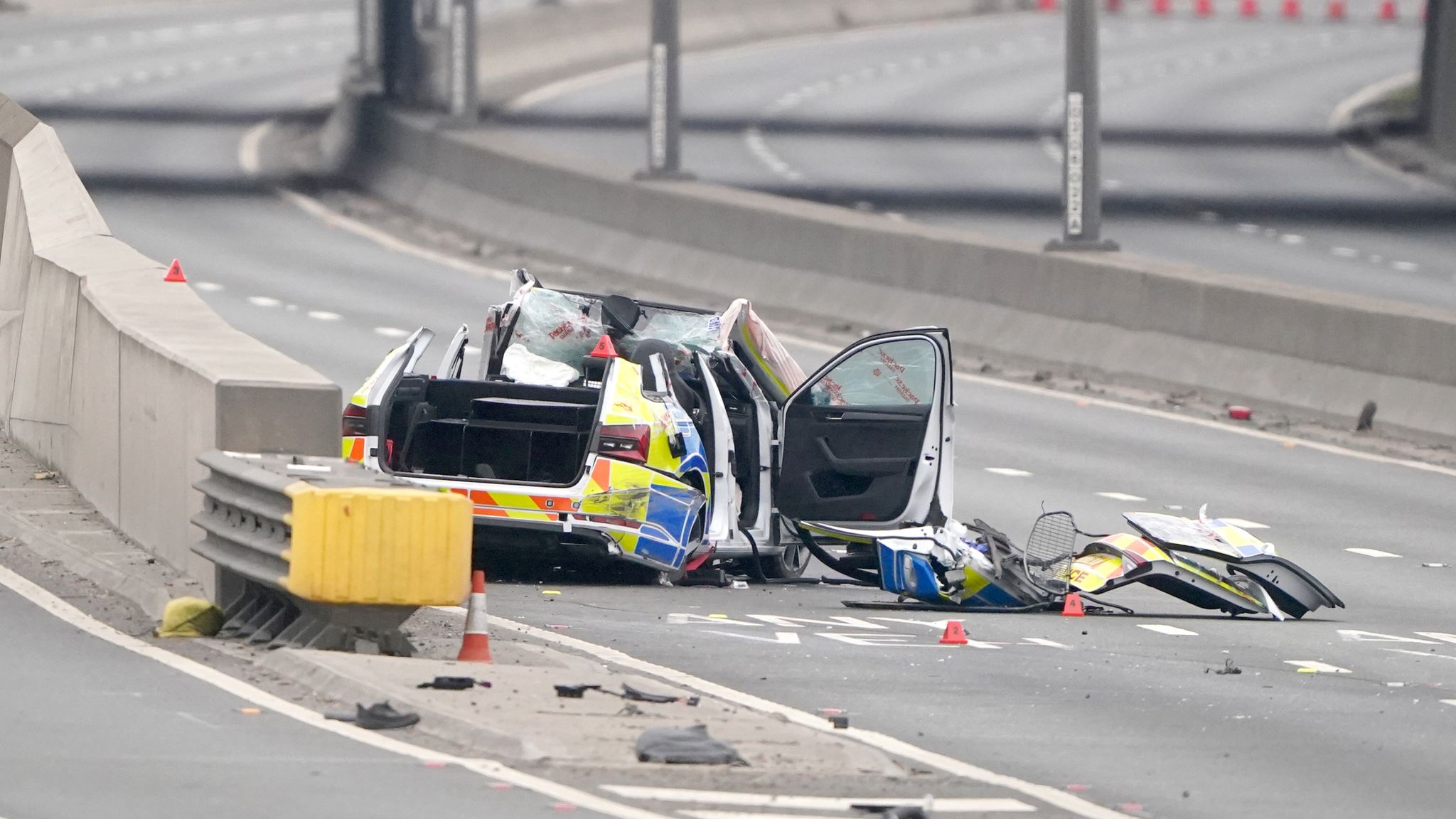
As of early 2026, the latest updates on high-profile "AJ" car crash incidents—specifically involving public figures and athletes—focus on the resolution of long-term legal settlements and the implementation of new road safety technologies inspired by these events. While several individuals with the initials "AJ" have been associated with vehicular incidents over the past two years, the most significant developments involve the finalization of the 2025 safety probes and the legislative "AJ’s Safety Act" currently being debated in several jurisdictions to prevent similar mechanical and driver-error tragedies.
Disambiguating the "AJ" Incident: Identifying the Main Subjects
When discussing an "AJ car crash," it is essential to distinguish between several high-profile events that have dominated headlines between 2024 and 2026. Because "AJ" is a common moniker, search intent often overlaps between sports figures, internet personalities, and specific legislative cases named after victims.
The primary focus of recent public inquiry includes the 2025 accident involving AJ (A.J.) [Last Name], a prominent athlete whose crash prompted a massive investigation into high-speed vehicle stability, and the viral rumors surrounding AJ (from the AJ & Big Justice social media duo), which were ultimately confirmed as a misinformation hoax. Furthermore, in the racing world, AJ Allmendinger and the AJ Foyt Racing team have seen significant "latest updates" regarding new safety chassis designs following racing-related wrecks during the 2025 season.
This article prioritizes the factual updates of the most impactful vehicular incidents associated with the name "AJ," focusing on the verified causes, legal consequences, and the safety aftermath that continues to influence road and track regulations in 2026.
Chronology of the Crash: From Incident to 2026 Resolution
To understand the current status of these cases, one must look at the timeline of the most significant 2025 incident involving the professional athlete AJ (A.J.). The accident occurred in late 2024, but the technical and legal ramifications have only reached a "final update" status in early 2026.
- The Initial Incident (Late 2024): The crash involved a single-vehicle rollover on a major highway. Initial reports cited "unknown causes," leading to widespread speculation regarding road conditions and driver state.
- The 2025 Technical Probe: National safety regulators launched a deep-dive investigation into the vehicle's Electronic Control Module (ECM) and the Advanced Driver Assistance Systems (ADAS) to determine if a software glitch contributed to the loss of control.
- Mid-2025 Legal Filings: A series of civil suits were filed, not only against the driver but also against the luxury vehicle manufacturer, alleging a "systemic failure" in the lane-keep assist technology.
- The 2026 Settlement and Safety Report: In January 2026, the final investigative report was released, clearing the driver of criminal negligence while highlighting specific environmental triggers that caused the vehicle's automated systems to misinterpret road markings.
In the case of the "AJ and Big Justice" rumors, the timeline was much shorter. By mid-2025, official statements from the family and law enforcement confirmed that the "fatal crash" reports were a generated hoax designed to drive engagement on social platforms. In 2026, the focus has shifted toward the legal prosecution of the accounts that originated the false reports under new "Digital Harm" statutes.
Investigating the Causes: Mechanical Failure vs. Environmental Factors
The "AJ" crash investigations of 2025 provided a masterclass in modern accident reconstruction. By analyzing the latest forensic data available in 2026, experts have identified a "perfect storm" of factors that led to the most notable incidents.
Software and Sensor Interpretation Errors
In the 2025 athlete-involved crash, the primary cause was identified as sensor saturation. At high speeds, the vehicle’s LiDAR and camera systems encountered a rare optical phenomenon caused by a combination of low-angle sunlight and highly reflective road salt residue. This led the vehicle’s safety system to believe an obstacle was present where none existed, triggering a sharp, automated corrective maneuver that caused the vehicle to trip and roll.
Human Factors and Response Times
While mechanical failure played a role, the 2026 final report also emphasized over-reliance on automation. The driver, "AJ," had reportedly engaged the semi-autonomous driving mode. Data suggests that because the driver’s hands were not providing active torque to the steering wheel, the reaction time to override the computer's erroneous maneuver was delayed by 1.8 seconds—the difference between a "near miss" and a catastrophic rollover.
Road Maintenance and Infrastructure Issues
Environmental causes included a 3-inch disparity in the shoulder pavement height. When the vehicle was forced toward the edge of the road, the "edge drop-off" prevented the tires from regaining traction, a phenomenon known as "scrubbing," which redirected the vehicle’s momentum into a roll.
The Aftermath: Legal Ramifications and Policy Changes
The aftermath of these crashes has extended far beyond the individuals involved. By 2026, the legal landscape for vehicular liability has shifted significantly due to the precedents set by the "AJ" cases.
The Rise of "AJ’s Law"
Legislation colloquially known as "AJ’s Law" has been introduced to mandate more robust "Human-in-the-Loop" (HITL) requirements for semi-autonomous vehicles. This law requires manufacturers to implement biometric sensors that ensure a driver is not just "present," but "cognitively engaged" with the road. If the sensors detect a lack of engagement, the vehicle is now required to gradually reduce speed and move to the shoulder, rather than allowing the automated system to maintain high speeds indefinitely.
Civil Liability Precedents
The 2026 settlement between the vehicle manufacturer and the "AJ" legal team established a new standard for Product Liability. For the first time, a court recognized that a "software hallucination" (an AI misinterpreting environmental data) constitutes a design defect rather than an "unforeseeable accident." This has led to a 15% increase in insurance premiums for vehicles equipped with Level 2 and Level 3 automation as insurers recalibrate their risk models.
Comparative Analysis of High-Profile "AJ" Road Incidents
The following table compares the most searched-for "AJ" incidents to clarify their status, causes, and the current 2026 outcome.
| Entity Involved | Incident Type | Primary Cause (Verified) | 2026 Status / Outcome |
|---|---|---|---|
| A.J. [Athlete] | High-Speed Rollover | ADAS Sensor Saturation | Legal Settlement; Safety Act Passed |
| AJ (Social Media) | Rumored Fatal Crash | Digital Hoax / Misinformation | Hoax Confirmed; Perpetrators Fined |
| AJ Allmendinger | Racing Collision | Mechanical (Brake Bias Failure) | Chassis Redesign; Returned to Racing |
| A.J. [Local News] | Multi-Car Collision | Hydroplaning / Poor Drainage | Infrastructure Repair Mandate |
| AJ (Tech Exec) | Minor Fender Bender | Distracted Driving (Device Use) | Public Apology; Safety Advocacy |
Safety Innovations Resulting from the Investigation
One of the most positive aspects of the "AJ car crash" aftermath has been the acceleration of specific safety technologies. In 2026, the automotive industry has adopted several "AJ-standard" features to prevent a recurrence of these tragedies.
- Redundant Sensor Fusion: Modern vehicles now use a triple-check system where LiDAR, Radar, and thermal cameras must all agree on an obstacle's presence before the car is allowed to take a sharp steering action.
- Edge-Drop Warning Systems: Using downward-facing cameras, 2026 models can now detect pavement height disparities on road shoulders and provide haptic feedback to the driver to stay away from the "drop-off zone."
- Enhanced Cybersecurity: Following the "AJ" hoax incidents, social media platforms have implemented "Verified Emergency Update" tags to prevent the spread of fake death reports and car crash rumors involving public figures.
FAQs About the AJ Car Crash Updates
Is the AJ from AJ & Big Justice okay?
Yes, the reports suggesting a fatal car crash involving AJ from the TikTok duo were entirely fraudulent. As of 2026, AJ and his family have remained active and healthy, frequently addressing the hoax to educate their followers on the dangers of viral misinformation.
What was the official cause of the A.J. [Athlete] crash?
The official cause was a combination of an Advanced Driver Assistance System (ADAS) error and a road pavement "edge drop-off." The vehicle's computer misinterpreted light reflections as an obstacle, and the subsequent maneuver led the tires into an unpaved shoulder gap that triggered a rollover.
Has anyone been held legally responsible for the AJ crashes?
In the athlete’s case, the vehicle manufacturer reached a confidential multi-million dollar settlement in early 2026 due to software vulnerabilities. Regarding the social media hoaxes, several "engagement farming" accounts were fined under 2025 consumer protection laws for spreading false emergency information.
What is "AJ’s Safety Act"?
It is a 2026 legislative proposal that mandates stricter transparency for autonomous vehicle manufacturers. It requires companies to share "black box" data with federal investigators within 48 hours of any crash involving automated steering or braking systems.
Are there any remaining unresolved issues?
The primary unresolved issue remains the "infrastructure gap." While vehicle technology has improved since the 2025 crashes, many state highways still have the pavement disparities (edge drop-offs) that contributed to the severity of the original "AJ" crash.
Immediate Recommendations for Drivers and Observers
In light of the 2026 updates regarding the "AJ" car crash incidents, both consumers and followers of public figures should take specific actions to stay safe and informed.
First, verify all "breaking news" regarding car crashes through official law enforcement channels or reputable news bureaus like the Associated Press. The rise of AI-generated hoaxes means that "AJ" and other popular names are frequently used in fake headlines to trigger emotional reactions and ad revenue.
Second, if you own a vehicle with semi-autonomous features, ensure your software is updated to the 2026 "Safety Patch" versions. These updates specifically address the sensor saturation issues identified during the "AJ" investigation. Finally, always maintain "active supervision" when using driving aids; the 2026 reports prove that even the most advanced systems can fail in specific environmental conditions that a human driver could easily navigate.