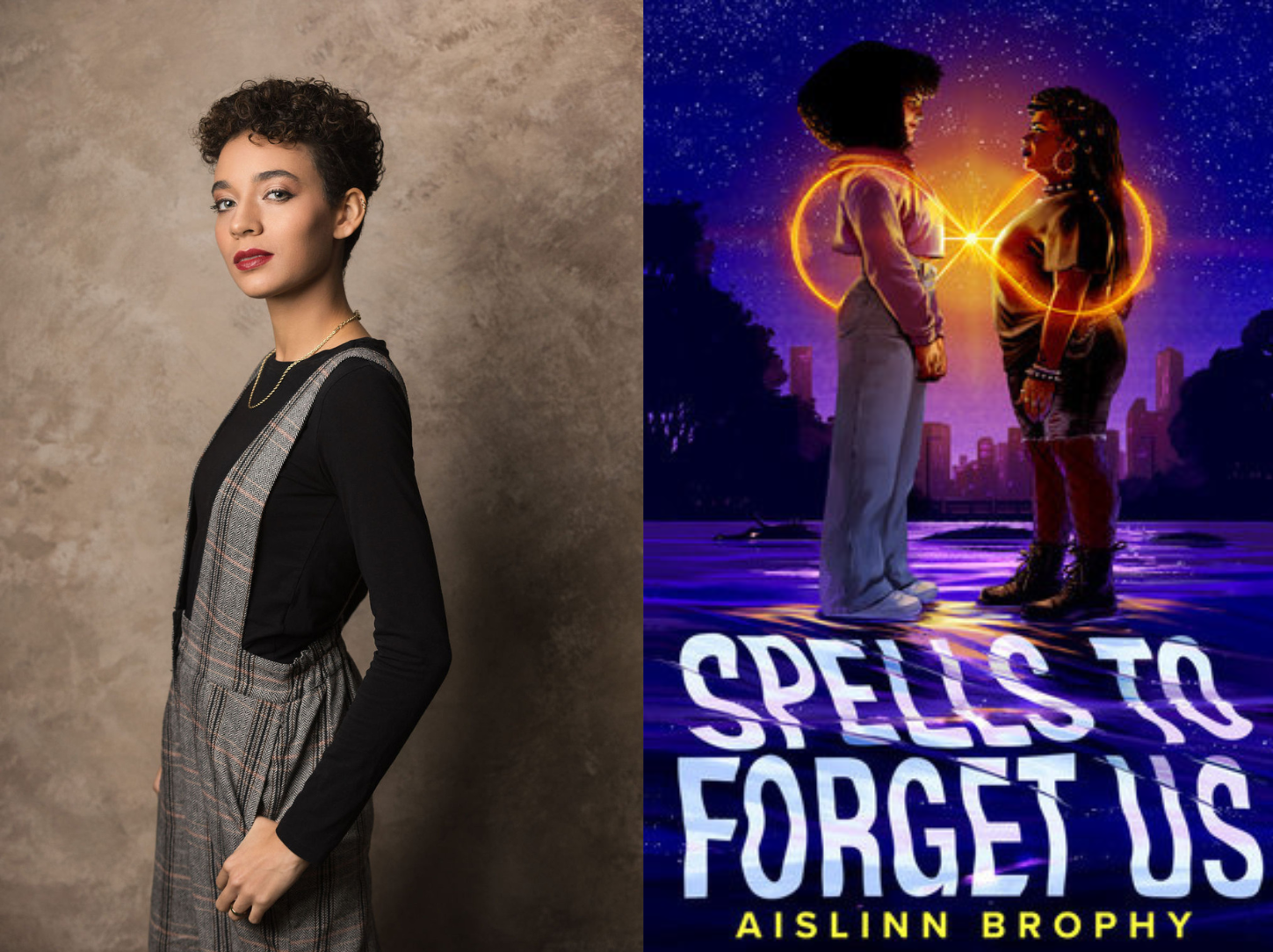
Aislinn Ritchie is a recognized professional whose career trajectory spans specialized digital media, creative direction, and operational leadership. Examining her public profile reveals a multi-faceted professional history defined by leadership roles within creative industries, strategic digital initiatives, and contributions to contemporary content creation and media strategy.
Understanding the Professional Identity and Background
The professional identity of Aislinn Ritchie is rooted in modern digital communications, media production, and strategic creative management. In an era where professional visibility often requires a delicate balance of public engagement and specialized industry expertise, understanding an individual profile requires looking beyond basic résumé points to examine the broader impact on their respective field. Professionals in contemporary media environments frequently navigate fluid career landscapes, transitioning between agency work, independent creative consultancy, and corporate leadership roles.
Within these environments, a comprehensive profile reflects not only formal educational credentials and employment history, but also a demonstrable portfolio of executed projects, industry collaborations, and specialized technical competencies. The scope of work typically encompasses project management, digital content architecture, stakeholder communication, and the implementation of emerging technologies to streamline creative workflows. By examining these core components, observers gain a clearer perspective on how specialized skill sets translate into measurable professional achievements.
Career Trajectory and Professional Evolution
Tracing the career evolution of Aislinn Ritchie involves examining the progression from foundational roles in media production to advanced strategic and creative positions. Early-career stages in creative industries typically emphasize tactical execution, technical proficiency, and direct collaboration with cross-functional teams. As professionals advance, their responsibilities naturally shift toward high-level strategy, resource allocation, team mentorship, and the oversight of large-scale creative initiatives.
This evolutionary process highlights several key developmental phases:
- Acquisition of core technical competencies in digital media production and design software.
- Transition into project management, overseeing schedules, budgets, and client relations.
- Assumption of leadership roles focused on brand strategy, creative direction, and operational efficiency.
- Integration of data-driven insights into creative decision-making processes to enhance audience engagement.
Through each phase, adaptability remains a central requirement. The ability to pivot alongside shifting industry standards, algorithmic changes in digital distribution platforms, and evolving consumer expectations dictates long-term professional longevity and impact.
Core Competencies and Industry Specializations
Evaluating the specialized skills associated with the Aislinn Ritchie profile highlights a blend of creative vision and structural execution. Modern creative leadership demands more than aesthetic intuition; it requires a rigorous understanding of production pipelines, budget management, and team orchestration.
The primary competency clusters associated with such profiles generally divide into technical and strategic categories. Technical proficiencies often include advanced content management systems, digital asset management, graphic design suites, and foundational analytics tools. Strategic proficiencies, by contrast, focus on brand positioning, audience segmentation, campaign ideation, and cross-channel marketing synchronization.
| Competency Category | Specific Focus Area | Practical Application |
|---|---|---|
| Creative Direction | Visual identity and tone | Establishing cohesive brand guidelines across digital and physical touchpoints |
| Project Operations | Workflow optimization | Managing timelines, resource allocation, and stakeholder alignment for deliverables |
| Digital Strategy | Audience engagement | Utilizing performance metrics to refine content distribution and reach |
| Team Leadership | Collaborative mentorship | Guiding multi-disciplinary creative teams toward unified strategic goals |
This division demonstrates that success in contemporary media roles depends equally on creative execution and analytical oversight. Professionals must constantly evaluate the return on investment for creative projects, ensuring that aesthetic choices align with overarching business or organizational objectives.
Public Presence, Digital Footprint, and Professional Networks
In contemporary professional environments, an individual’s digital footprint serves as an active extension of their résumé. For public and semi-public professional profiles, online visibility is curated across multiple platforms, including dedicated professional networks, portfolio sites, and industry-specific registries. Maintaining an active digital presence allows practitioners to showcase ongoing projects, share thought leadership, and connect with peers across global markets.
Analyzing this footprint involves observing how professional achievements are communicated to the public. Effective digital profiles typically feature clear summaries of past employment, verified testimonials or recommendations from industry colleagues, and direct links to notable published works or portfolio pieces. This transparency fosters trust among prospective employers, clients, and collaborators, establishing an accessible and credible record of professional capability.
Comparative Overview of Career Frameworks in Modern Media
To contextualize the professional scope of profiles similar to Aislinn Ritchie, it is helpful to examine the broader structural frameworks governing modern media and creative careers. The table below outlines the primary operating models, their inherent advantages, and typical challenges faced by professionals in these sectors.
| Operating Model | Primary Focus | Key Advantage | Common Challenge |
|---|---|---|---|
| Agency-Based | Client campaigns and multi-brand execution | Diverse project exposure and rapid skill diversification | High-pressure timelines and shifting client priorities |
| In-House / Corporate | Single brand stewardship and deep market alignment | Deep organizational integration and stable strategic focus | Potential for creative stagnation over extended periods |
| Independent / Freelance | Specialized consulting and contract production | Autonomous scheduling and direct relationship control | Variable income streams and administrative overhead |
Recognizing these distinctions helps clarify why professionals frequently transition between agency, corporate, and independent structures throughout their careers, adapting to changing personal goals and macroeconomic conditions.
Common Questions and Practical Guidance
What defines the professional scope of the Aislinn Ritchie profile?
The professional scope is defined by a blend of creative direction, digital media production, and strategic operational management. It reflects experience in guiding projects from conceptual ideation to final execution within contemporary digital and media landscapes.
How do individuals in similar creative roles maintain industry relevance?
Professionals maintain relevance by continuously updating their technical toolsets, monitoring shifts in consumer digital consumption, engaging in ongoing professional networking, and adapting to emerging industry standards and platform algorithms.
What are the primary challenges faced in modern media careers?
Common challenges include balancing high creative standards with tight operational budgets, managing rapid technological changes, and maintaining a cohesive personal brand across multiple digital platforms.
How can one verify professional credentials and project history?
Professional credentials are best verified by cross-referencing official employment registries, authenticated professional networking profiles, published portfolios, and direct institutional records where applicable.
What role does strategic planning play in creative direction?
Strategic planning ensures that creative outputs align with concrete business objectives, audience expectations, and budgetary constraints, transforming abstract artistic concepts into measurable outcomes.
Strategic Next Steps for Professional Engagement
For those seeking to engage with established creative profiles or analyze modern career trajectories within digital media, prioritizing verified primary sources is essential. Always consult official professional profiles, direct portfolios, and authenticated institutional records to gather accurate, up-to-date data. Avoid relying on unverified summaries or speculative third-party descriptions to ensure a precise and objective understanding of professional backgrounds.