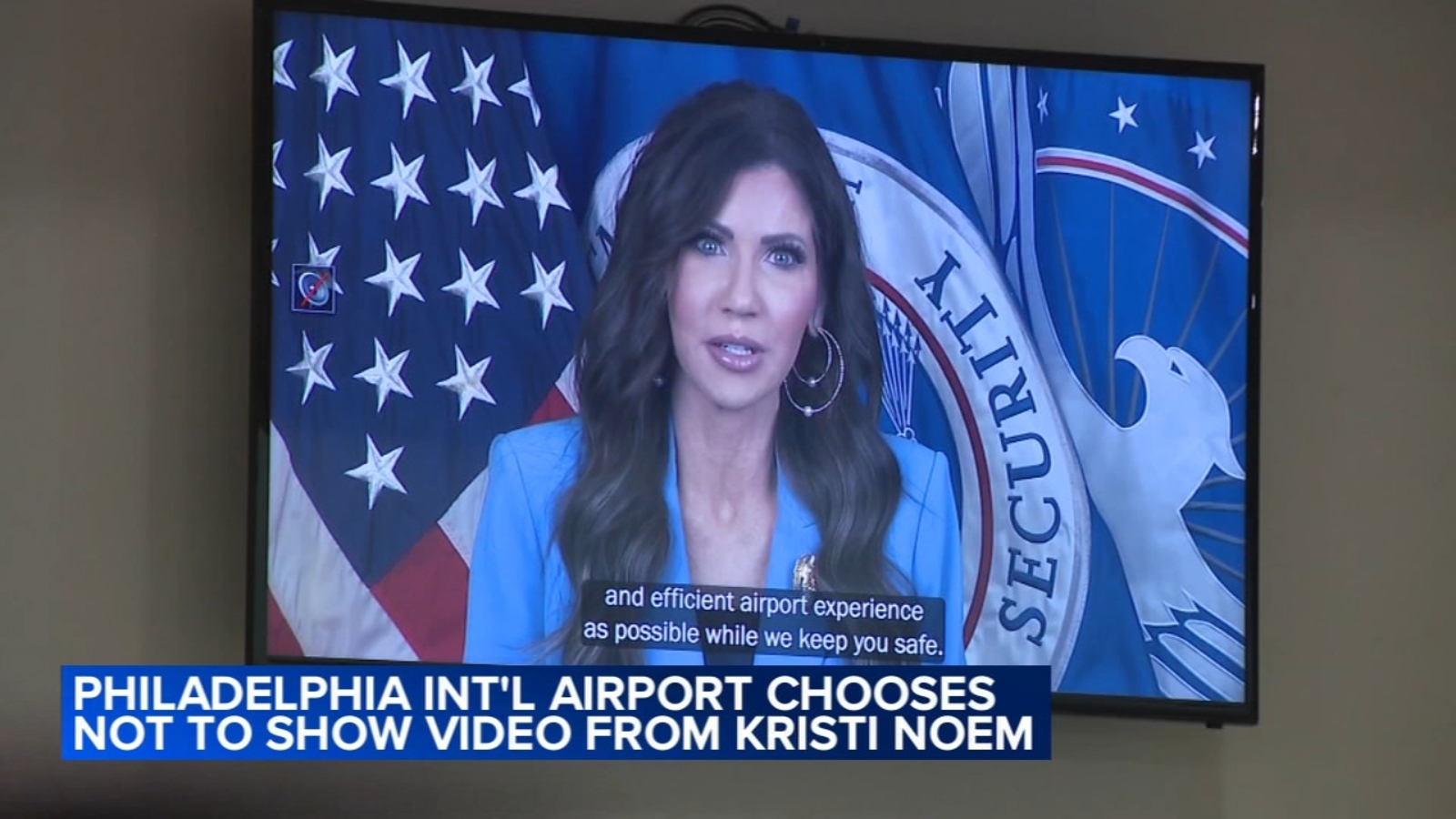
Travelers navigating modern air transportation hubs frequently encounter screens displaying automated public announcements, flight status feeds, or curated entertainment loops. Occasionally, passenger attention focuses on unique local displays, historical documentaries, or safety briefings that certain municipal or privately managed transport authorities actively decline to broadcast. Understanding these operational decisions requires examining aviation communication protocols, concessionaire contracts, and the administrative policies governing terminal display monitors across global transportation networks.
Understanding Terminal Display Policies and Screen Management
Terminal display monitors in major air transport hubs operate under rigorous guidelines overseen by airport authorities, airline consortiums, and contracted media vendors. These screens serve essential safety, operational, and commercial functions, ranging from mandatory security notices and baggage carousel updates to paid advertisements and flight information display systems. When terminal operators restrict specific media content, including instructional videos, promotional reels, or third-party broadcasts, the decision typically stems from contractual obligations, bandwidth limitations, or regulatory compliance rather than arbitrary censorship.
Aviation authorities prioritize passenger flow, security messaging, and clear communication above general entertainment. Consequently, monitors installed near boarding gates, baggage claims, and ticketing concourses are programmed to display standardized data feeds. If a viral news story, specific corporate presentation, or controversial video fails to appear on airport monitors, it usually indicates that the facility's digital asset management system restricts unauthorized media playback to prevent passenger confusion, distraction from security cues, or digital network vulnerabilities.
Operational Frameworks Governing Airport Media Feeds
The infrastructure supporting public video displays within aviation facilities is complex, involving multiple stakeholders. Airport operators lease screen space to digital out-of-home advertising networks, which manage content schedules months in advance. These commercial agreements dictate exact playback windows, preventing ad-hoc interruptions by unscheduled video files. Furthermore, cybersecurity protocols prohibit physical or wireless connection of unauthorized media devices, such as USB thumb drives or casting devices, to terminal display terminals.
Beyond commercial scheduling and cybersecurity, facility managers must adhere to local municipal ordinances and federal aviation directives regarding public address systems and visual displays. In regions where public spaces are subject to strict advertising and content neutrality laws, airport authorities implement blanket policies restricting third-party educational or promotional video content unless it passes a rigorous vetting process through public affairs offices.
Evaluating Reports of Content Restrictions Across Global Hubs
Social media frequently amplifies claims regarding airports supposedly blocking specific video clips, news broadcasts, or instructional media. In practice, investigative reviews of these claims often reveal standard technical protocols rather than targeted restrictions. For example, screens located within United States aviation facilities regulated by the Transportation Security Administration are dedicated strictly to queue wait times, passenger preparation notices, and federal safety regulations. Similarly, European hubs managed by national aviation authorities utilize centralized digital signage networks that automatically filter out non-standard media formats.
| Airport Category | Primary Screen Purpose | Content Control Authority | Common Restriction Policy |
|---|---|---|---|
| Large International Hubs | Flight Information & Ads | Contracted Media Vendors | Strict commercial scheduling; no third-party files |
| Regional Municipal Airports | Community Notices & Weather | Airport Administration | Local content approval required prior to broadcast |
| Security Checkpoint Zones | TSA and Security Guidance | Federal Aviation Agencies | Exclusive focus on safety, wait times, and rules |
| Airline Exclusive Lounges | Premium Passenger Service | Respective Air Carriers | Curated internal programming and partnered news |
Travelers seeking specific video content during transit must rely on personal mobile devices rather than terminal monitors. Wi-Fi networks provided by airports generally support personal streaming, though bandwidth throttling during peak travel hours can impact video quality.
Passenger Communication Protocols and Information Access
When passengers encounter blank screens, frozen feeds, or unexpected loops on terminal monitors, the underlying cause is typically routine system maintenance, software updates, or network re-indexing by the facility's IT department. Airport service desks and mobile applications provide the definitive source for flight status and terminal updates, rendering ambient video displays secondary to operational necessities.
- Verify flight information directly through official airline mobile applications or SMS notification services rather than relying solely on concourse screens.
- Connect to official, secure airport Wi-Fi networks when attempting to access personal streaming media or news feeds on mobile devices.
- Consult airport information kiosks or customer service representatives if critical public address or visual announcements appear disrupted.
- Avoid attempting to connect external hardware or wireless devices to public display monitors, as this triggers automated security protocols.
By understanding the strict operational mandates governing airport display networks, travelers can better anticipate how terminal communications function and where to locate accurate, real-time travel updates.
Frequently Asked Questions About Airport Video Display Policies
Why do some airport screens remain blank or display error messages?
Terminal display monitors undergo scheduled reboots, firmware updates, and synchronization cycles with central flight database servers. Blank screens or error prompts generally indicate routine maintenance rather than an intentional refusal to broadcast specific content.
Can passengers connect their devices to airport monitors to play custom videos?
Access ports and wireless casting receivers on public terminal displays are locked and heavily secured. Connecting personal hardware or attempting to override the digital signage network violates aviation facility security policies and is strictly prohibited.
Are airlines responsible for the video content shown at boarding gates?
Airlines manage gate-specific displays for boarding announcements and seating groups, but overall terminal media infrastructure is typically controlled by the airport authority or a contracted third-party advertising concessionaire.
How do security regulations impact what can be shown on airport screens?
Federal and international aviation security mandates require that high-priority safety notices, emergency evacuation directions, and security warnings override all other visual and auditory media across terminal display networks.
Where can travelers find reliable updates if terminal screens are malfunctioning?
Travelers should check official airline mobile applications, airline customer service counters, or municipal airport website portals for verified flight schedules and emergency notifications during technical disruptions.
Navigating Transit Media Successfully
Passengers transiting through major transportation hubs should prioritize official digital channels for all journey-critical information. While viral social media claims occasionally suggest widespread controversies regarding restricted videos in airports, day-to-day operations remain governed by strict technical standards, commercial contracts, and safety mandates. Maintaining awareness of these operational realities ensures a smooth and informed travel experience.