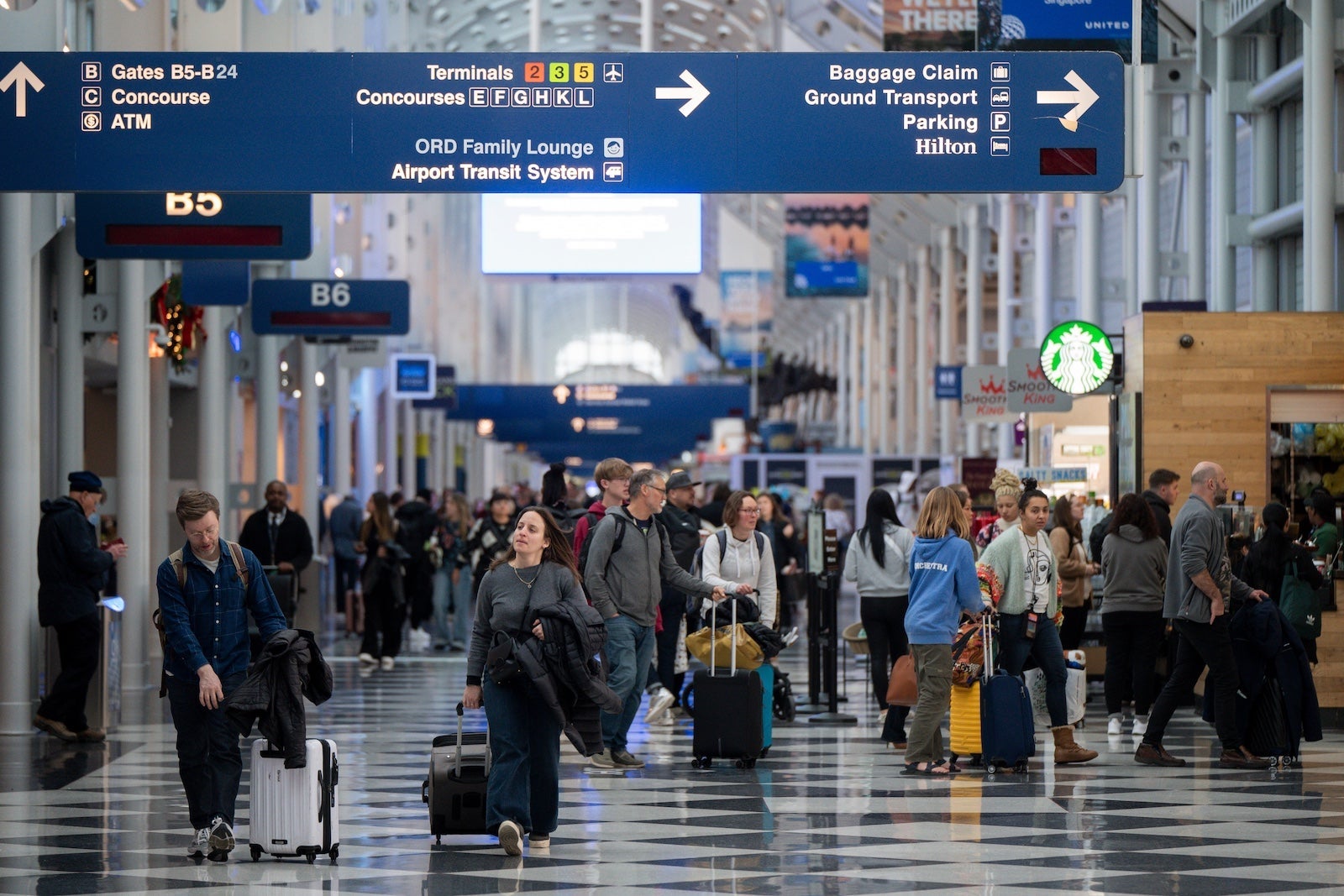
Airport theory describes a behavioral and psychological framework in modern travel culture where individuals arrive at an airport terminal hours ahead of domestic or international departures to completely detach from daily obligations. Far beyond mere risk aversion against missing a flight, this sociological concept treats the transition space of the airport as a temporary sanctuary that absolves passengers from normal productivity pressures.
The Core Concept and Origins of Airport Theory
Airport theory explores why millions of modern travelers choose to endure hours of sterile corridors, security queues, and overpriced concessions rather than arriving just in time for boarding. At its root, the concept suggests that the airport serves as a psychological decompression chamber. Once an individual steps through the automated doors of a terminal, a unique social contract takes effect. Normal daily expectations—emails, domestic chores, professional deadlines, and familial responsibilities—are instantly suspended by external structural forces. You cannot answer a client email effectively while navigating security, and you cannot wash dishes while waiting at Gate B22. This forced isolation creates a guilt-free vacuum of accountability.
The cultural resonance of airport theory has grown exponentially with the intensification of modern work-life blur. As remote work and hyper-connectivity dissolve the boundaries between office hours and personal time, psychological burnout has become chronic. The airport functions as a socially acceptable gray zone. In this space, doing nothing, reading a book for three hours, or staring blankly out a terminal window at refueling trucks is not viewed as laziness or inefficiency. It is rendered a mandatory administrative necessity. The ticket itself acts as a physical receipt that buys legal and social permission to disconnect.
Psychological Decompression and the Suspension of Time
To fully understand airport theory, one must examine how human perception of time alters inside a transportation hub. Chronological time breaks down the moment a boarding pass is scanned or a security checkpoint is cleared. Inside the secure zone, conventional time units lose their standard value. Minutes are no longer measured by productivity metrics or task completion rates, but by flight status updates and boarding groups.
This temporal suspension triggers a profound sense of relief. Psychologists note that modern individuals suffer continuous micro-stressors from decision fatigue. Every hour of a standard workday involves a cascade of choices regarding prioritization, communication, and output. Conversely, the airport streamlines existence into a binary path: walk toward the gate or sit and wait. Because the terminal's architecture dictates movement and external schedules govern departure, personal agency over time is temporarily surrendered to the aviation system.
| Environmental Factor | Standard Environment vs. Airport Terminal |
|---|---|
| Connectivity | High constant pressure / Expectation of immediate |
| digital response. | |
| Accountability | Self-managed tasks, professional obligations, |
| domestic maintenance. | |
| Decision Fatigue | Continuous prioritization and problem-solving |
| throughout the day. | |
| Temporal Structure | Fluid time managed by personal productivity |
| choices. |
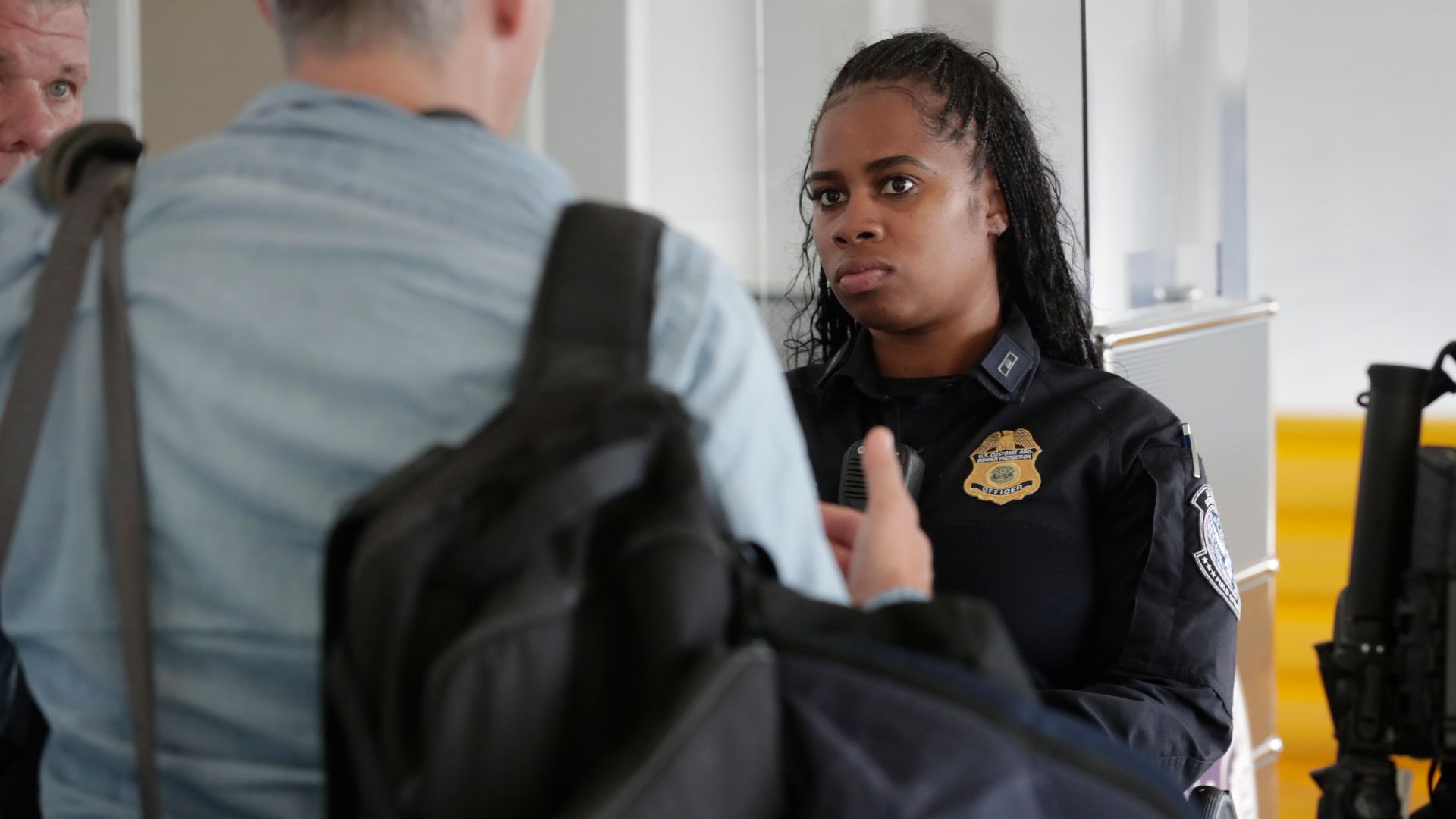
This structural shift transforms anxiety into acceptance. While anxiety about missing a flight does exist, it is a straightforward, acute stressor that replaces the chronic, diffuse anxiety of everyday life. Clearing security acts as a ritualistic threshold. On the landside of the terminal, the traveler is still tethered to the chaotic outside world. On the airside, they have entered a liminal zone where ordinary rules do not apply, enabling genuine mental rest.
Liminal Spaces and the Modern Sanctuary
Urban studies and cultural anthropology have long categorized airports as classic examples of liminal spaces—thresholds between destinations where normal societal structures break down. Under airport theory, this anthropological definition takes on a deeply personal, therapeutic dimension. Travelers become anonymous participants in a transient collective. No one in the terminal knows your profession, your marital status, or your backlog of unanswered correspondence.
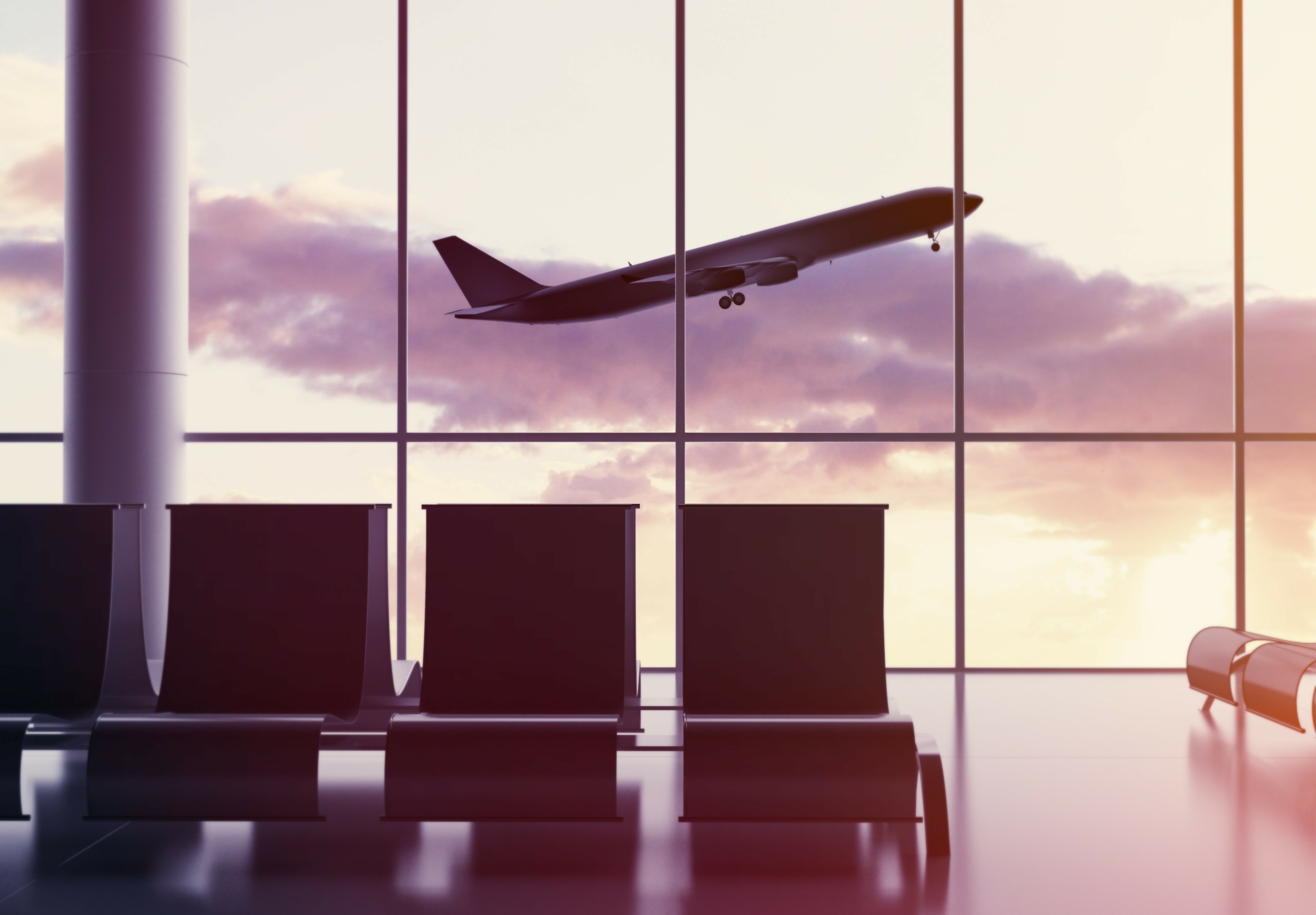
This anonymity fosters a distinct form of mindfulness. People watch strangers, consume expensive meals at odd hours of the day without judgment, and indulge in solitary introspection. The clinical lighting, hum of jet engines, and announcements echoing through the public address system create a form of white noise that dampens internal cognitive chatter. It is an environment engineered for transit, yet paradoxically, it has evolved into one of the few remaining physical locations where an adult can sit uninterrupted for hours without social penalty.
Economic and Behavioral Realities of Early Arrival
While the psychological benefits of airport theory are substantial, executing it involves distinct economic trade-offs and behavioral adjustments. Arriving three hours before a domestic flight requires factoring in commute logistics, parking costs, and the financial toll of terminal consumption. Airports operate as captive consumer markets where food, beverage, and retail items carry steep markups. Embracing airport theory often means treating these expenditures not as wasted money, but as an operational fee for purchasing peace of mind and uninterrupted personal time.
| Traveler Persona | Typical Arrival Window | Primary Motivation | Economic & Behavioral Impact |
|---|---|---|---|
| The Optimizer | 60–90 minutes prior | Efficiency and minimal downtime. | Avoids terminal markups; runs higher risk of missed connections if security delays occur. |
| The Theory Adherent | 3 hours prior | Psychological decompression and mental escape. | Higher spending on terminal food and retail; zero stress regarding transit delays. |
| The Frequent Flyer | Lounge access / T-minus 45 mins | Productivity continuity and workspace optimization. | Leverages lounge infrastructure to work remotely in a controlled, premium environment. |
Navigating this spectrum requires balancing stress tolerance against budget constraints. For business travelers with airline lounge memberships, airport theory is enhanced by quiet workspaces, complimentary refreshments, and priority boarding lanes. For leisure travelers without lounge access, practicing airport theory means securing a quiet stretch of gate seating, donning noise-canceling headphones, and consciously turning the terminal into an improvised reading room or writing studio.
Common Criticisms and Limitations of the Concept
Despite its popularity across social media platforms and cultural commentary, airport theory is not a universal solution for modern burnout, nor is it universally practical. Critics point out that for frequent travelers, commercial aviation hubs are sources of profound sensory overload rather than sanctuaries of peace. Long security lines, baggage check queues, delayed flights, and crowded gate seating can easily exacerbate anxiety rather than soothe it.
Furthermore, applying airport theory requires a level of economic privilege and schedule flexibility that is inaccessible to many working travelers. Individuals operating under rigid wage structures, parents traveling with small children, or those facing tight financial constraints cannot afford the lost time or inflated terminal expenses associated with lingering in an airport for hours. For these groups, the airport remains a stressful logistical hurdle rather than a desirable retreat. Recognizing these structural limitations ensures the theory is viewed as a niche psychological coping mechanism rather than an accessible wellness strategy for all.
How to Apply Airport Theory Mindfully in Your Travel Routine
If you wish to test airport theory during your next journey, deliberate preparation is required to turn the terminal into an effective decompression zone rather than an exercise in boredom.
- Audit Your Logistics: Confirm peak security wait times and transit delays for your specific departure airport so your buffer time remains relaxing rather than frantic.
- Curate Your Offline Environment: Pack physical books, downloaded media, or offline creative projects to minimize the temptation to check professional communication channels.
- Invest in Comfort: Secure comfortable seating away from chaotic boarding crowds, or utilize airline lounges and quiet zones when available.
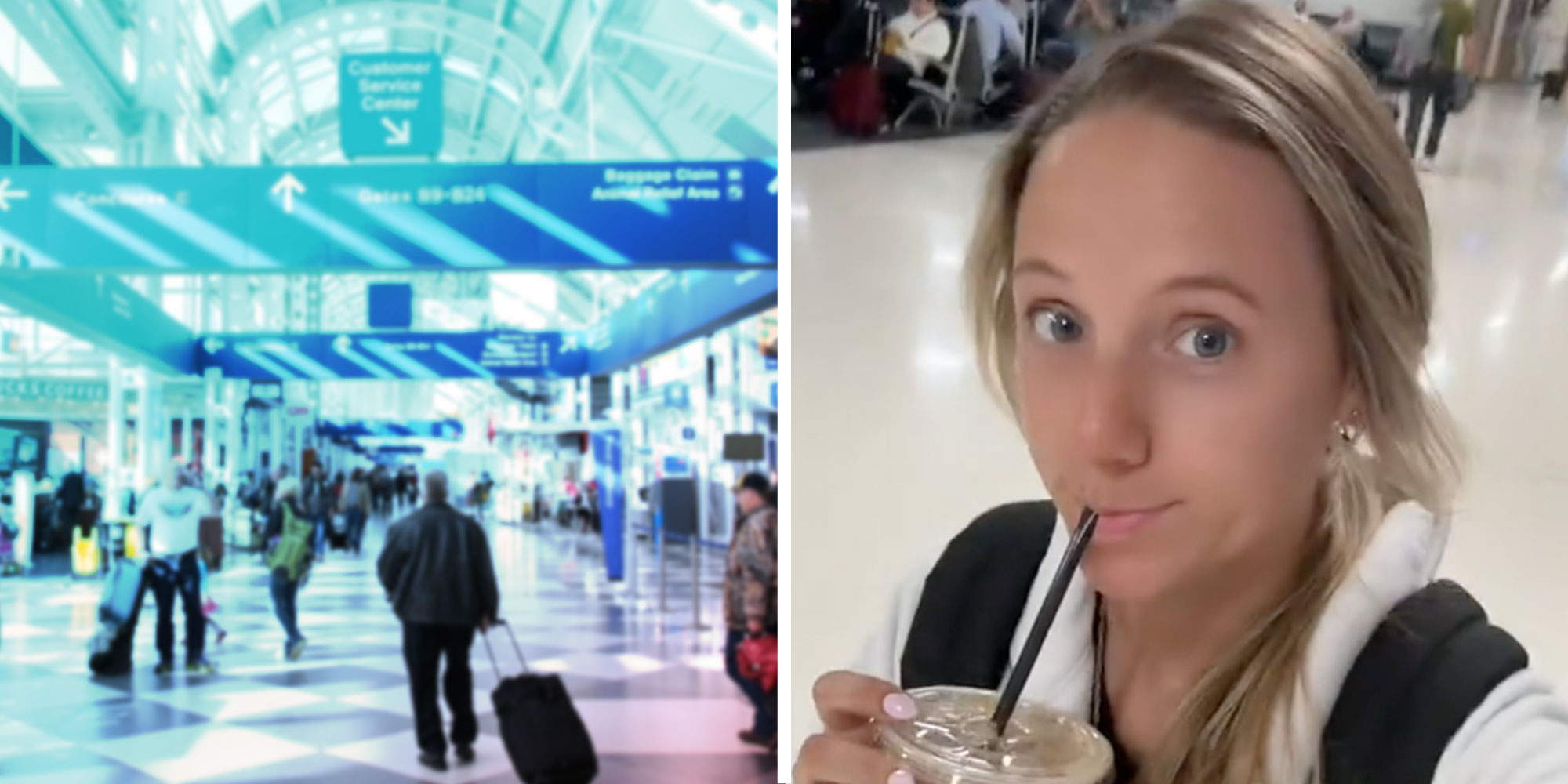
- Establish a Ritual: Treat the purchase of a terminal coffee or meal as a ceremonial marker that signals the official beginning of your mental detachment from work.
- Accept the Liminality: Let go of the urge to maximize every minute of your wait; allow yourself to simply observe, rest, and transition smoothly toward your destination.
By treating the terminal as an intentional pause button rather than a logistical obstacle, you can transform mandatory travel downtime into a valuable mental reset.
Frequently Asked Questions
What is the primary psychological driver behind airport theory?
The primary driver is the desire for forced detachment from modern responsibilities. The airport acts as a structural barrier that legally and socially suspends daily obligations, allowing travelers to experience guilt-free downtime away from work, home maintenance, and constant digital connectivity.
Does airport theory apply to all types of travelers?
No. The theory primarily benefits leisure travelers and remote workers who have schedule flexibility and can absorb the extra time and minor expenses of long terminal stays. Business commuters with tight schedules or families with small children often find early arrivals increase stress rather than relieve it.
How does time perception change inside an airport terminal?
Inside the secure zone, chronological time governed by productivity metrics breaks down. Time is reframed strictly around flight milestones and boarding schedules, replacing chronic daily anxieties with the singular, manageable focus of catching a flight.
Is airport theory a clinically validated psychological concept?
No. Airport theory is a popular sociological and cultural observation rather than a clinical psychological diagnosis. It draws on established concepts of liminality, stress management, and environmental psychology to describe modern behavioral trends in travel.
What are the main financial drawbacks of practicing airport theory?
Arriving hours early usually results in increased spending within the airport's captive consumer market, where food, beverages, and retail goods are heavily marked up compared to standard commercial locations.
How can someone without lounge access practice airport theory effectively?
Travelers without lounge access can find quiet gate areas away from main terminal thoroughfares, wear noise-canceling headphones, and bring offline entertainment or reading material to create a personal sanctuary amidst the public bustle.
Optimizing Your Travel Mindset for Sustainable Rest
Embracing the principles of airport theory ultimately requires shifting your relationship with transit time. Instead of viewing the hours spent before a flight as unproductive dead weight, reframe them as a legitimate component of your personal well-being routine. By pairing realistic logistical planning with deliberate mental disengagement, you can reclaim the airport terminal as a rare modern space dedicated entirely to pause, transition, and reflection.