Navigating airport security checkpoints efficiently requires understanding common bottleneck triggers, preparation strategies, and screening procedures. Delays typically stem from high passenger volumes, staffing shortages, prohibited items in carry-on bags, and complex physical screening protocols, making strategic planning essential for a smooth travel experience.
Understanding the Primary Causes of Airport Security Delays
Airport security checkpoints are complex operational environments where human behavior, technological limitations, and logistical constraints intersect. When bottlenecks occur, they are rarely caused by a single isolated failure; instead, they are usually the cumulative result of multiple operational pressures.
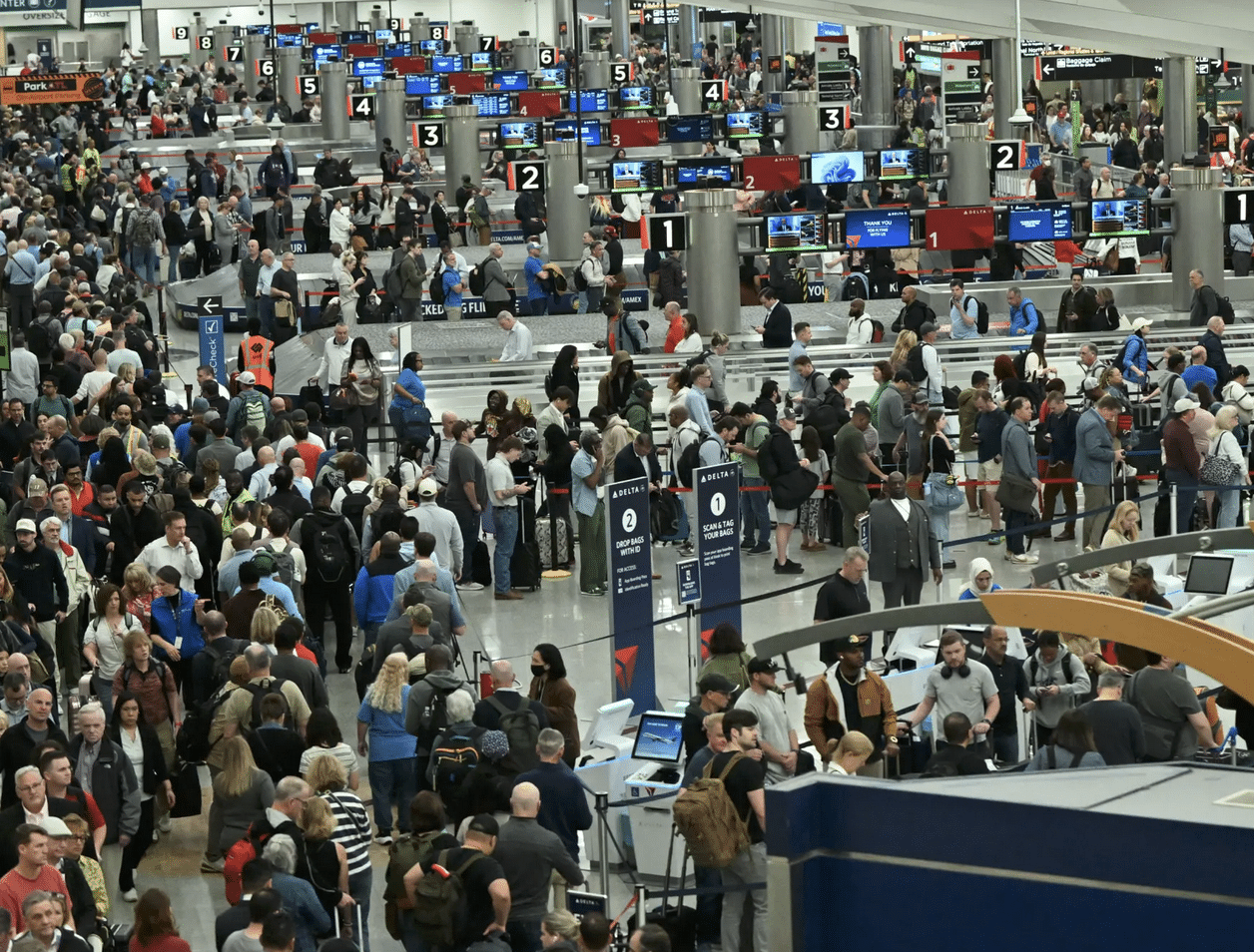
Passenger volume fluctuations represent the most frequent catalyst for severe queue times. Holidays, early morning business travel peaks, and seasonal vacation windows flood terminals with travelers simultaneously. When passenger arrival rates exceed the maximum processing capacity of the available lanes, queues quickly back up into the terminal ticketing halls.
Staffing constraints and security lane availability further exacerbate volume spikes. Transportation security authorities must balance workforce scheduling with fluctuating flight schedules. Unforeseen staff absences, mandatory shift changes, or technical maintenance requirements can force checkpoint lanes to close temporarily. When fewer lanes are operational, throughput drops significantly, transforming a standard ten-minute wait into an hour-long ordeal.
Traveler preparation habits also play a substantial role in checkpoint efficiency. Passengers who fail to organize their carry-on luggage, leave prohibited liquids in their bags, or neglect to remove heavy outerwear, electronics, and metallic accessories directly slow down the automated screening lanes. Every secondary bag search or manual pat-down disrupts the continuous flow of the queue, creating cascading delays for everyone behind them.
What to Expect at the Security Checkpoint
Knowing the step-by-step security screening workflow helps travelers anticipate requirements and move through the process with minimal friction. While specific technologies vary by airport and country, the core physical screening process follows a standardized international framework designed to detect threats while maintaining passenger privacy.
Upon reaching the queue entrance, transportation security personnel verify travel documents, matching boarding passes and government-issued identification against the passenger manifest. Modern checkpoints increasingly rely on credential authentication technology scanners that verify identity electronically, though manual checks remain common.
Document Verification -> Queue Progression -> Bin Organization -> Physical Screening -> Item Retrieval
Once past document checking, travelers approach the divestment area where they prepare items for X-ray or computed tomography (CT) scanners. Standard screening protocols generally require passengers to place carry-on bags, backpacks, and personal items into dedicated bins. Depending on local airport technology standards, laptops, tablets, and large electronics may need to be removed from bags, while advanced 3D imaging systems at major hubs often allow electronics to remain inside.
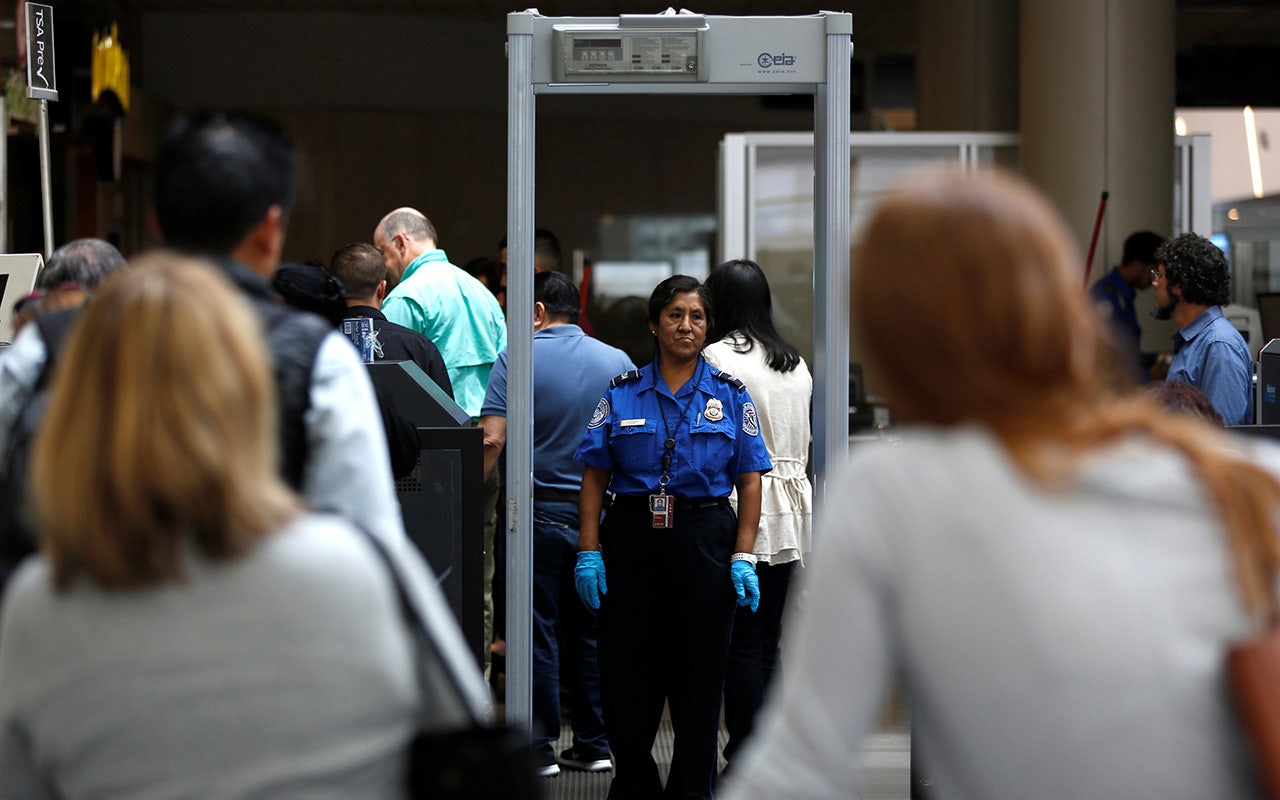
Body screening technology typically involves either advanced imaging technology (millimeter-wave scanners) or traditional metal detectors. When walking through an imaging scanner, passengers must stand motionless with their hands raised for a few seconds while the machine scans for anomalies. If the system flags an area, officers conduct a targeted physical pat-down of that specific zone.
Essential Preparation Tips to Minimize Wait Times
Minimizing personal processing time at the checkpoint requires proactive organization before leaving home and intelligent staging while standing in the queue. Adopting a structured approach to packing and dressing can dramatically reduce the likelihood of triggering secondary screenings or bag checks.
Wardrobe choices significantly impact checkpoint speed. Wearing slip-on shoes avoids the time-consuming process of lacing and unlacing footwear. Minimizing metal accessories—such as heavy belts, large jewelry, and steel-shanked boots—prevents immediate alerts on walk-through metal detectors. Layering clothing allows travelers to remove sweaters or jackets easily and place them directly into screening bins without holding up the line.
Bag organization is equally critical. Packing electronics, liquids, aerosols, and gels in accessible outer compartments or near the top of carry-on bags ensures rapid retrieval. Adhering strictly to volume limits for liquids—such as the standard 3.4-ounce (100-milliliter) container rule for carry-ons—prevents agents from confiscating items or pulling bags for manual inspection.
| Factor | Standard Lane Strategy | Expedited Security Strategy |
|---|---|---|
| Footwear | Must remove shoes; lace-ups require extra time. | Usually allowed to keep shoes on. |
| Electronics | Often must remove laptops and large tablets from bags. | Laptops typically remain inside bags. |
| Liquids | Must place 3.4oz/100ml bag in a bin separately. | Can generally remain inside carry-on luggage. |
| Queue Time | Varies widely from 15 minutes to over 2 hours. | Typically under 5 to 10 minutes. |
Enrolling in trusted traveler programs such as TSA PreCheck or Global Entry in the United States, or equivalent international expedited lanes, provides reliable access to dedicated checkpoints. These programs bypass standard divestment requirements, significantly reducing physical preparation hurdles.
How to Handle Unexpected Queue Disruptions and Long Lines
Even with careful planning, unexpected operational meltdowns, severe weather events, or technical failures can cause extreme security delays that threaten departure times. Maintaining composure and executing a tactical response can salvage a disrupted travel schedule.
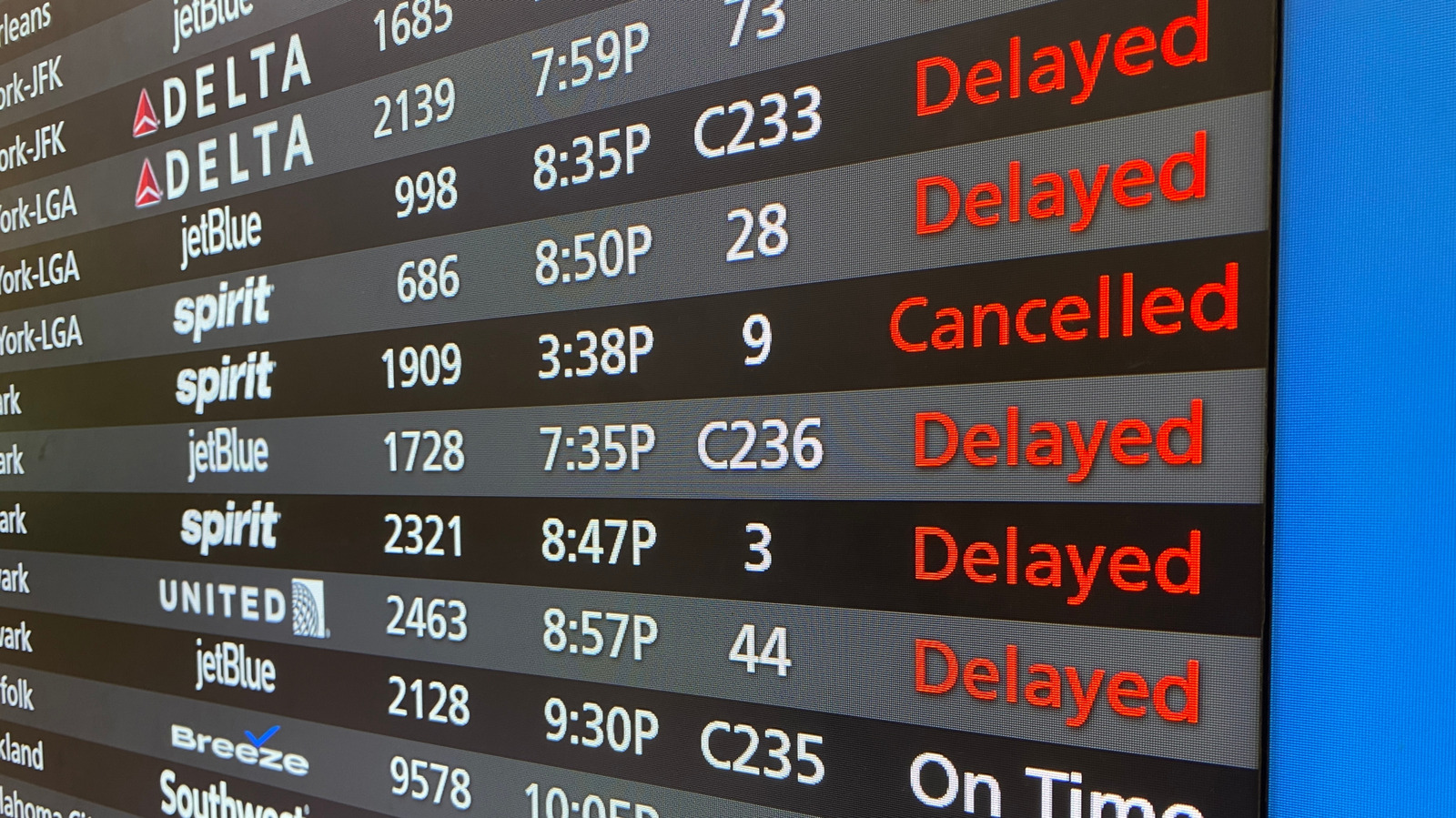
Monitoring real-time airport updates through official mobile applications, airline notifications, and airport terminal displays allows travelers to assess queue severity upon arrival. Many major aviation authorities publish estimated wait times, helping passengers decide whether to approach the primary checkpoint or seek an alternative terminal lane if available.
When lines stretch dangerously long, proactive communication with airline staff is essential. Most carriers monitor security bottlenecks and may hold boarding doors or rebook passengers if widespread delays prevent travelers from reaching their gates in time. Informing checkpoint staff of imminent flight departures can sometimes prompt queue-management officers to direct time-sensitive passengers to priority lanes.
Frequently Asked Questions
What causes sudden, unexpected surges in airport security wait times?
Sudden surges are typically triggered by simultaneous flight bank departures, unexpected staff shortages due to illness or scheduling gaps, equipment malfunctions in screening lanes, or an influx of unprepared passengers carrying prohibited items that cause manual bag checks.
How early should I arrive at the airport during peak travel periods?
During peak holiday travel windows, major international hubs generally recommend arriving three hours before international flights and two hours before domestic flights to accommodate extended security queues and baggage drop lines.
Are laptops always required to be removed from carry-on bags?
No, laptops are not always required to be removed. Airports equipped with advanced computed tomography (CT) X-ray scanners allow passengers to leave laptops, tablets, and compliant liquids inside their carry-on bags during screening.
What happens if my carry-on bag triggers a secondary physical inspection?
If an item triggers an alarm, a security officer will manually inspect the bag in a designated search area. The officer will ask the owner for permission before opening the bag to examine the specific item that caused the alert.
Can I expedite my security screening without pre-enrollment programs?
In standard lines, you cannot skip expedited enrollment requirements, but you can minimize delays by dressing appropriately, organizing electronics and liquids beforehand, and choosing off-peak travel windows when passenger volumes are lower.
Strategic Action Plan for Airport Navigation
To guarantee timely gate arrival, verify your airport's security wait-time app before leaving for the terminal. Pack your carry-on items with all liquids and electronics easily accessible at the top of your bag, wear easily removable shoes, and keep your boarding pass and government-issued identification in an accessible pocket rather than deep within luggage. If you travel frequently, investing in biometric or expedited screening programs offers the most reliable long-term solution for bypassing standard checkpoint bottlenecks.