Navigating airport procedures requires understanding a standardized sequence of checkpoints, security regulations, and terminal milestones designed to ensure global aviation safety. Travelers must complete document verification, security screening, and gate boarding while adhering to strict luggage rules, time guidelines, and international customs requirements.
Understanding the Pre-Travel Phase and Ticket Verification
Preparation for air travel begins well before arrival at the terminal building. Securing correct documentation is the foundational step of all airport procedures. Passengers must possess a valid passport, government-issued photo identification, and a confirmed boarding pass issued by the operating airline. Many international destinations require passports to remain valid for at least six months beyond the planned date of departure, alongside necessary visas or electronic travel authorizations.
Passengers should review baggage allowances specific to their fare class and carrier before packing. Airlines enforce strict limitations regarding checked bag weight dimensions and carry-on item limits. Additionally, preparing digital copies of travel itineraries, accommodation details, and emergency contacts streamlines check-in processes and provides a contingency plan in case of mobile device battery failure or network connectivity issues inside the terminal.
Terminal Arrival and Check-In Operations
Arriving at the airport with adequate time is critical for managing potential queues at check-in and security checkpoints. Industry standards typically recommend arriving two hours before domestic flights and three hours before international departures. Upon entering the terminal, travelers proceed either to self-service kiosk terminals or airline ticket counters to complete check-in and baggage drop.
During this stage, airline agents or automated kiosks verify travel documents against destination entry requirements. Passengers checking baggage receive adhesive bag tags containing a unique barcode linked to their flight record, while checked luggage is weighed to ensure compliance with carrier limits. Travelers carrying only hand luggage can bypass traditional desks entirely if they have completed digital check-in via mobile applications or airline websites, proceeding directly to security screening areas.
Security Screening Protocols and Regulations
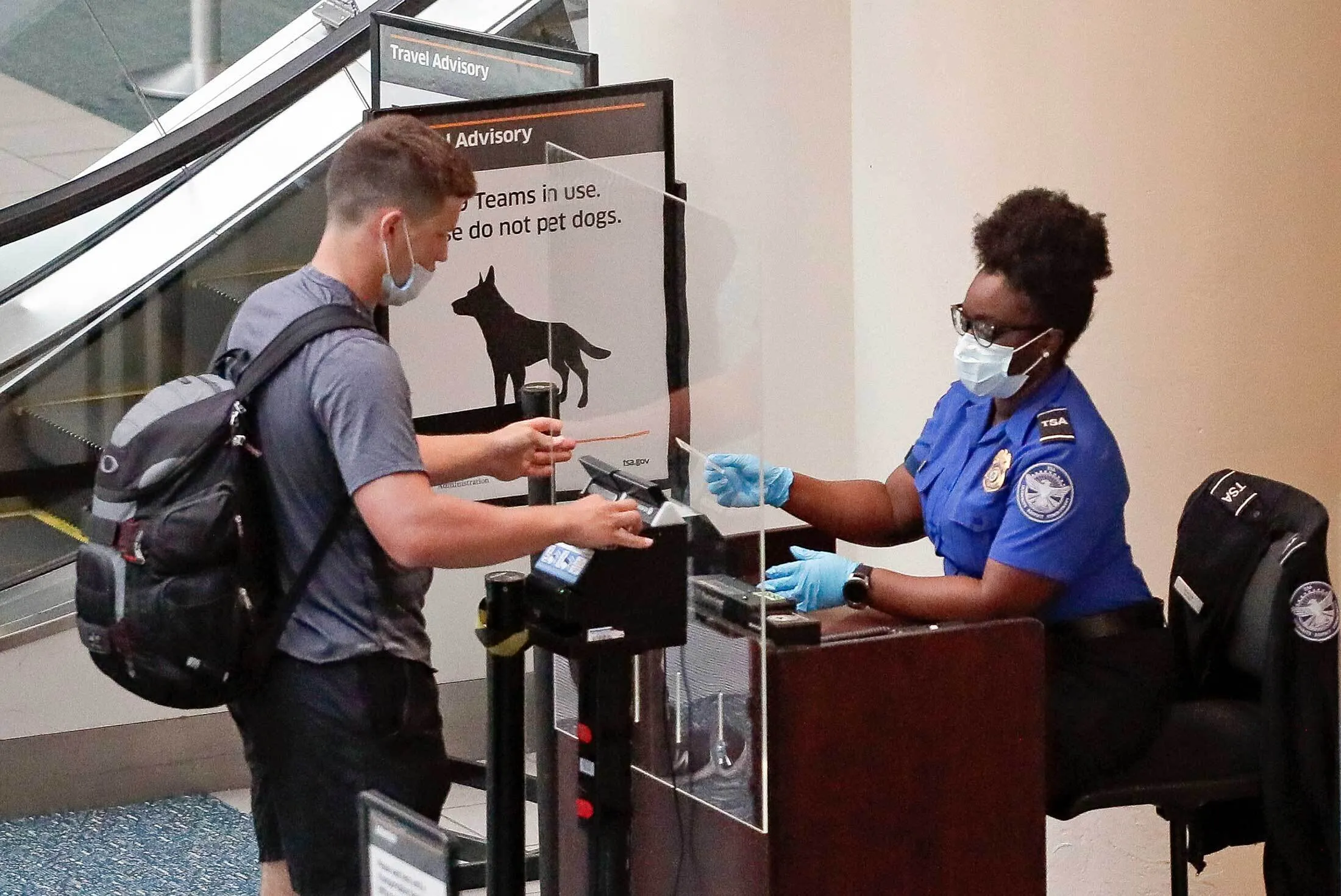
Security screening represents the most tightly regulated phase of airport procedures, managed by aviation authorities such as the Transportation Security Administration (TSA) in the United States or equivalent national bodies worldwide. Travelers must present their boarding pass and matching identification to security personnel before entering the queue.
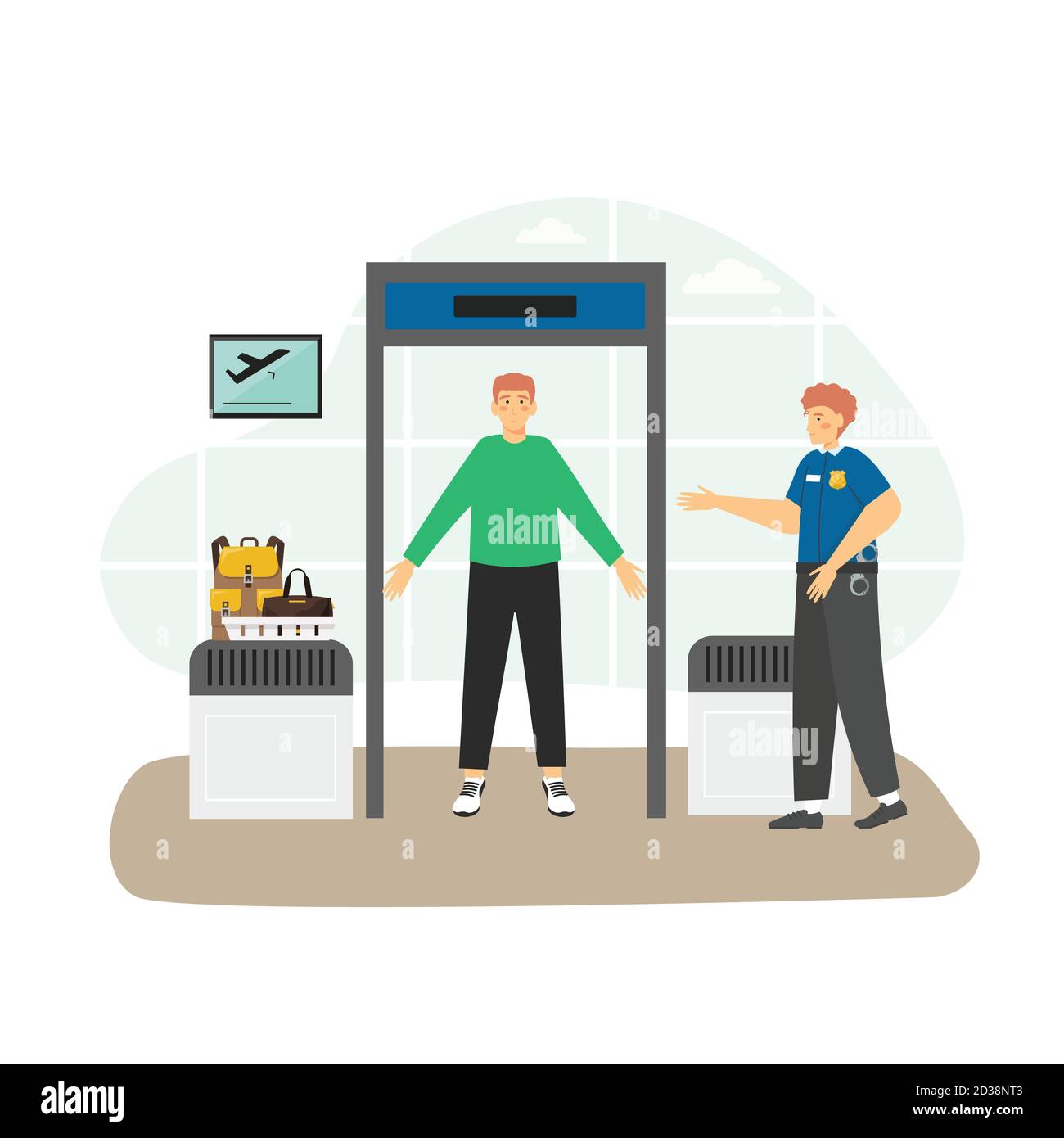
To expedite the screening process, passengers must separate prohibited items from their carry-on luggage. The baseline security protocols require adherence to specific regulations:
- Liquid, aerosol, and gel containers must not exceed 100 milliliters (3.4 ounces) each and must fit inside a single, transparent, resealable plastic bag.
- Large electronic devices, including laptops, tablets, and full-sized cameras, must be removed from protective cases and placed in separate bins for X-ray examination.
- Outer garments such as coats, jackets, hats, and bulky sweaters must be removed, alongside belts and metal accessories that might trigger metal detectors.
- Footwear may be subject to removal and separate scanning depending on checkpoint technology and local authority directives.
- Full-body scanners or walk-through metal detectors scan passengers for concealed items, while secondary manual pat-downs or explosive trace detection swabs are conducted randomly or when anomalies are detected.
Immigration, Customs, and Border Control
For international flights, airport procedures incorporate border control checkpoints operated by government immigration and customs authorities. Outbound passengers frequently clear passport control to verify their legal right to leave the jurisdiction, while inbound travelers must process through immigration upon arrival at their destination.
Immigration officers inspect passports, visas, and declaration forms to determine admissibility. Modern terminals frequently feature automated border control kiosks or biometric e-gates that utilize facial recognition technology to accelerate identity verification for eligible passport holders. Following immigration clearance, arriving international passengers retrieve their checked baggage and pass through customs channels. Customs declarations involve choosing between green lanes for travelers with nothing to declare and red lanes for those carrying restricted goods, commercial merchandise, or currency exceeding statutory reporting thresholds.
| Airport Procedure Stage | Recommended Timing | Key Documentation Required | Primary Objective |
|---|---|---|---|
| Pre-Travel Preparation | Weeks to months prior | Passport, Visa, Itinerary | Verify entry requirements and pack accordingly |
| Check-In and Baggage Drop | 2–3 hours before departure | Photo ID, Boarding Pass, Booking Reference | Issue boarding pass and check heavy luggage |
| Security Screening | 60–90 minutes before boarding | Boarding Pass, Government ID | Detect prohibited items and ensure cabin safety |
| Customs and Immigration | Varies by destination | Passport, Visa, Customs Declaration | Validate legal entry and tax compliance |
| Boarding Gate | 30–45 minutes before departure | Boarding Pass, Photo ID | Verify passenger manifest and board aircraft |
Navigating the Airside Terminal and Boarding Gates
Once security screening and exit controls are complete, passengers enter the airside zone of the terminal, which houses retail shops, dining establishments, lounges, and departure gates. Travelers should locate their assigned boarding gate immediately upon entering the airside area and monitor flight information display screens for gate changes, schedule adjustments, or boarding status updates.
Airlines generally commence boarding 30 to 45 minutes prior to scheduled departure time, prioritizing passengers requiring special assistance, families with small children, and premium cabin travelers, followed by general boarding groups based on zone numbers printed on boarding passes. Passengers must present their boarding pass and identification once more at the podium before walking down the jet bridge or boarding stairs to enter the aircraft.
Troubleshooting Common Airport Procedure Issues
Travelers occasionally encounter operational disruptions during airport procedures, requiring rapid troubleshooting to ensure successful transit. Flight delays, missed connections, and misplaced baggage represent the most frequent complications experienced within terminal environments.
When flights are canceled or significantly delayed, passengers should immediately contact their operating airline via customer service desks, mobile applications, or telephone hotlines to secure rebooking options. Travel insurance policies or credit card travel protections may cover incurred expenses for meals, communication, or overnight accommodations during extended delays.
If checked baggage fails to appear at the destination baggage carousel, passengers must file a Property Irregularity Report (PIR) with the airline baggage service office before leaving the secure customs area. Securing this official documentation is essential for tracking misplaced items, coordinating delivery to a home or hotel address, and pursuing compensation claims for delayed or lost property.
Practical Recommendations for a Seamless Airport Experience
To minimize stress and navigate airport procedures efficiently, travelers should adopt proactive preparation strategies. Registering for trusted traveler programs, such as TSA PreCheck, Global Entry, or equivalent international expedited screening initiatives, significantly reduces waiting times at security checkpoints and border control counters.
Furthermore, downloading official airport and airline applications provides real-time notifications regarding gate alterations, security wait times, and baggage carousel assignments. Maintaining physical and digital organization of travel documents ensures swift compliance with regulatory checks at every terminal milestone, transforming a potentially complex transit journey into a predictable, manageable process.