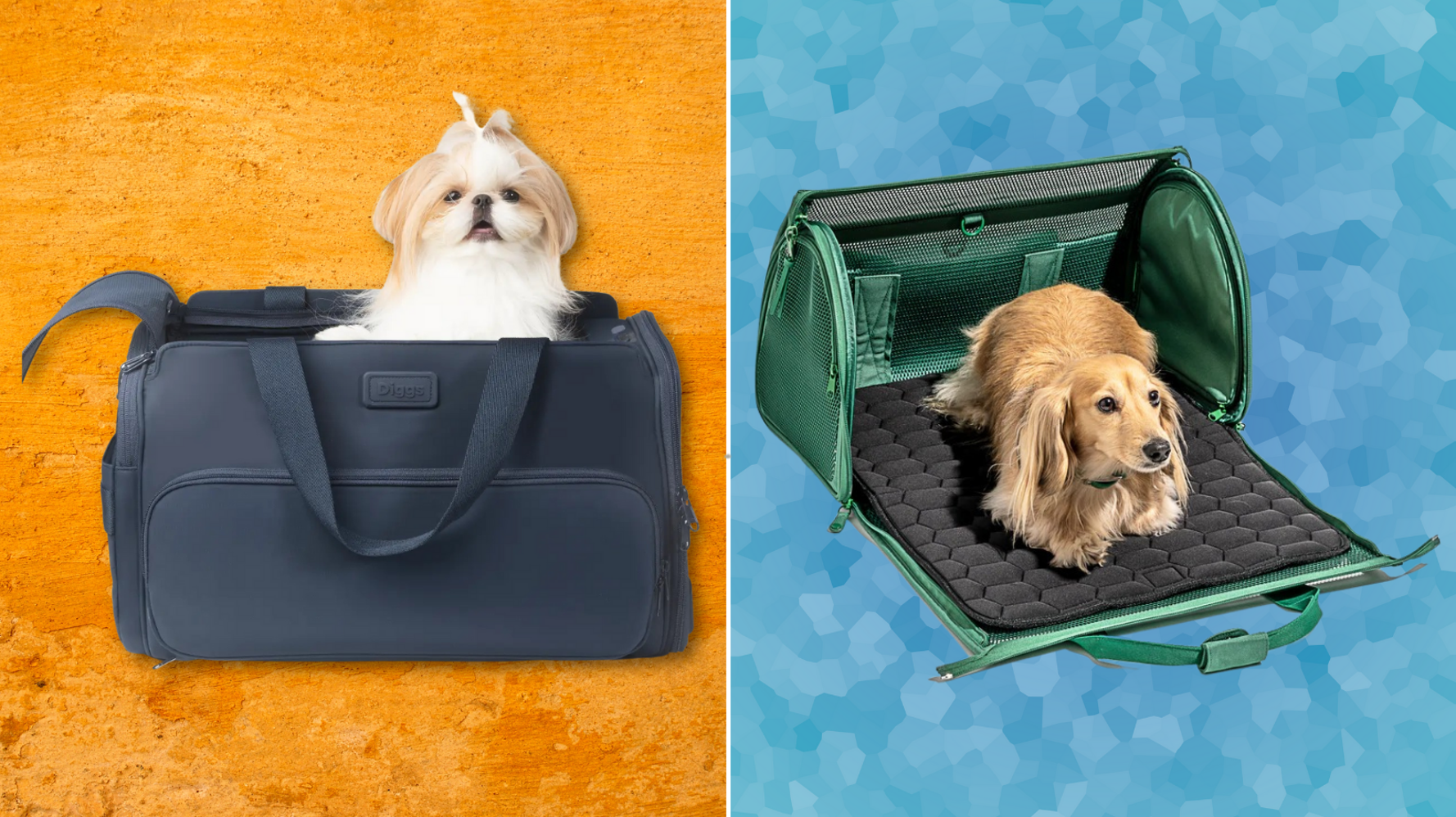
Choosing the right airport pet carrier involves satisfying strict airline regulations, dimensional constraints, and animal welfare standards to ensure your pet travels safely and comfortably in the cabin or cargo hold. Navigating these requirements requires careful attention to airline-specific rules, structural materials, ventilation, and sizing metrics long before your departure day.
Understanding Airline Classifications and Pet Travel Modes
When preparing for air travel with an animal, the first and most critical distinction lies in how your pet will fly. Airlines generally divide animal transportation into three categories: in-cabin carry-on, checked baggage, and manifested cargo. Each mode dictates entirely different rules for your carrier selection, dimensional limits, and structural integrity.
In-cabin travel is restricted primarily to small dogs, cats, and occasionally household birds, provided they fit comfortably inside an approved container that slides directly underneath the seat ahead of you. Because space under airline seats varies significantly by aircraft model and carrier, soft-sided carriers with flexible frames are usually preferred for the cabin. These flexible designs allow the top of the carrier to compress slightly without impinging upon the pet's interior headroom or compromising structural safety.
Checked baggage and cargo travel, conversely, are typically mandated for larger animals or flights operating on regional aircraft with restrictive under-seat clearances. For these modes, soft-sided carriers are universally prohibited by the International Air Transport Association (IATA) and individual carriers. Animals traveling in the cargo hold require rigid, heavy-duty plastic or fiberglass crates featuring metal hardware, secure spring-loaded door latches, and reinforced ventilation channels. Understanding your pet's designated travel mode prevents last-minute check-in rejections and ensures full compliance with international aviation standards.
Regulatory Standards and Dimension Guidelines
Airline regulations regarding pet carriers are exceptionally stringent, and gate agents or ticket counter staff enforce them without exception. Every airline publishes specific length, width, and height limitations for cabin pet containers, which typically hover around 17 x 11 x 8 inches for hard-sided models, though soft-sided options can occasionally accommodate slightly higher vertical clearances due to their flexible nature.
Beyond raw dimensions, carriers must meet rigorous design criteria to ensure animal safety during transit. For in-cabin use, the carrier must be leak-proof, well-ventilated on at least two to four sides, and constructed of durable, water-resistant materials. Mesh ventilation panels must be tear-resistant to prevent claw punctures. For cargo shipments, IATA Live Animals Regulations (LAR) specify that containers must be large enough for the animal to stand up, turn around naturally, and lie down in a natural posture. Furthermore, cargo crates require live animal stickers, exterior food and water dishes accessible from the outside, and metal nuts and bolts securing the top and bottom halves together rather than plastic snaps.
| Travel Mode | Carrier Type | Maximum Dimensions (Approximate) | Key Structural Requirements |
|---|---|---|---|
| In-Cabin | Soft-Sided or Hard-Sided | Varies by airline (e.g., 18" x 11" x 11") | Under-seat compressible, leak-proof bottom, ventilation on 2+ sides |
| Checked Baggage | Rigid Plastic / Fiberglass | Must allow pet to stand and turn | IATA compliant, metal hardware, secure door lock, absorbent bedding |
| Manifested Cargo | Heavy-Duty Kennel | Sized to animal's exact height and length | Outer rim for lifting, exterior water cups, live animal labels |
Material Selection, Ventilation, and Comfort Features
Selecting the appropriate material balances durability with animal comfort. Soft-sided carriers usually feature a wire or fiberglass frame covered by sturdy nylon, polyester, or canvas. These materials are lightweight, easy to clean, and feature multiple mesh zip-open panels. When choosing a soft carrier, inspect the density of the mesh; low-quality mesh can easily tear if a stressed animal attempts to scratch its way out during taxi, takeoff, or turbulence.
Hard-sided carriers and cargo kennels are engineered for maximum impact protection. Constructed from high-density polyethylene, they protect the animal from shifting luggage in the cargo hold or accidental bumps during terminal transit. However, hard plastic lacks flexibility, making accurate initial sizing even more critical.
Ventilation is another non-negotiable safety parameter. Cabin air systems and cargo holds maintain controlled environments, but localized airflow inside a restricted container depends entirely on the carrier's vent architecture. Look for models with perimeter ventilation holes or mesh strips positioned above the animal's resting plane to promote continuous air exchange. Inside the carrier, line the bottom with a moisture-absorbing mat or pet pad. Avoid bulky, loose bedding that can shift, trap heat, or restrict movement during flight operations.
Essential Pre-Travel Preparation and Acclimatization
Even the highest-rated carrier will cause distress if your pet experiences it for the first time on travel day. Successful air travel requires a structured acclimatization schedule implemented weeks before departure. Introduce the carrier to your pet’s daily environment by leaving it open in a familiar room with favorite toys or treats placed inside, encouraging positive associations.
Gradually increase the duration of time your pet spends enclosed inside the carrier, starting with a few minutes and progressing to simulated travel conditions, such as carrying the pet around the house or taking short trips in a vehicle. This desensitization process reduces cortisol levels, minimizes vocalization at the airport, and prevents panic when security screeners or flight attendants require the animal to remain confined.
Additionally, review feeding and hydration protocols with your veterinarian prior to travel. Most airlines recommend feeding your pet a light meal four to six hours before departure and offering small amounts of water, then removing water bowls shortly before boarding to prevent spills and reduce the need for elimination while in transit. Never sedate your animal with tranquilizers unless specifically prescribed by a licensed veterinarian for air travel, as changes in cabin pressure can cause dangerous cardiovascular and respiratory complications in sedated pets.
Navigating Airport Security Screening Procedures
Clearing airport security with a pet introduces distinct procedural steps that every traveler must master. You cannot pass through standard metal detectors or advanced imaging technology holding a pet in your arms. Transportation Security Administration (TSA) and international security personnel require the pet to be removed from its carrier so the container itself can undergo X-ray machine screening.
To prepare for this step, train your pet to walk calmly on a secure leash and harness. When you reach the front of the security queue, you will be instructed to take your pet out of the carrier, hold or walk the animal through the walkthrough metal detector, and place the empty carrier onto the belt for X-ray inspection.
If your pet is skittish or prone to bolting in chaotic environments, request a private screening room upon arrival at the security checkpoint. This prevents the animal from escaping into a busy terminal if it slips out of your grip during the removal process. Always ensure your pet wears a well-fitted harness with an ID tag and a microchip registered with current contact information throughout the journey.
Common Mistakes to Avoid When Flying With Pets
Avoiding procedural missteps safeguards your travel itinerary and protects your animal's well-being. One of the most frequent errors travelers make is purchasing a carrier based solely on weight limits rather than physical dimensions. An airline may state that a carrier accommodates pets up to twenty pounds, but if the container's height forces your cat or dog to hunch its neck or press against the ceiling mesh, ticket agents will deny boarding.
Another critical mistake is failing to verify individual airline rules in advance. Codeshare flights, international carriers, and regional partner airlines often enforce policies that differ markedly from the primary booking airline. For example, some carriers completely ban soft-sided carriers on specific aircraft types, while others enforce strict seasonal embargoes on cargo pet travel due to extreme tarmac temperatures at specific hubs.
Finally, travelers often overlook documentation requirements. Beyond the carrier itself, most airlines and destination jurisdictions demand updated rabies vaccination certificates, health certificates issued by an accredited veterinarian within a specific window (often ten days before travel), and import permits for international destinations. Always verify destination-specific quarantine rules and airline health paperwork policies well in advance to ensure a seamless journey from curb to destination.
Frequently Asked Questions
What are the standard size limits for an in-cabin pet carrier?
Standard in-cabin pet carrier dimensions typically range around 17 to 19 inches in length, 10 to 12 inches in width, and 8 to 11 inches in height. However, exact allowances vary by airline and specific aircraft model. Always verify the precise under-seat dimensions with your specific carrier before purchasing a container.
Can I use a soft-sided carrier for cargo or checked baggage?
No, soft-sided carriers are strictly prohibited for animals traveling in the cargo hold or as checked baggage. Airlines and international transport authorities require rigid, heavy-duty plastic or fiberglass kennels with metal hardware and secure locking mechanisms for any animal traveling outside the passenger cabin.
How should I prepare my pet for traveling inside a carrier?
Acclimatize your pet weeks before your travel date by leaving the carrier open in your home with treats and bedding inside. Gradually close the door for short intervals, and practice carrying your pet around or taking short car rides to build positive associations and reduce travel-related anxiety.
What happens to the pet carrier during airport security screening?
You must remove your pet from the carrier at the security checkpoint. The empty carrier goes through the X-ray machine, while you carry or walk your pet on a leash through the metal detector. You can request a private screening room if you are concerned your pet might bolt in the busy terminal.
Are sedatives safe for pets during flights?
Veterinary experts and major airlines generally advise against sedating pets for air travel. High-altitude cabin pressure changes can affect an animal's cardiovascular and respiratory systems, making tranquilizers unpredictable and potentially hazardous to their health. Consult a licensed veterinarian for safe alternatives to manage travel anxiety.
What documents do I need to travel with a pet by air?
Required documentation typically includes an updated rabies vaccination certificate, a health certificate issued by an accredited veterinarian within the timeframe specified by the airline or destination country, and any necessary import permits or identification microchip records.
Strategic Action Plan for Your Trip
Begin your travel preparation by visiting your airline's official pet policy portal at least six weeks before your departure date to confirm exact carrier specifications and cabin booking quotas. Purchase a high-quality, airline-compliant carrier and initiate a daily home acclimatization routine to ensure your pet remains calm and comfortable. Schedule a veterinary checkup to secure all mandatory health certificates and verify microchip data. Finally, double-check your security screening plan and arrive at the airport early to accommodate check-in verification processes without rushing.