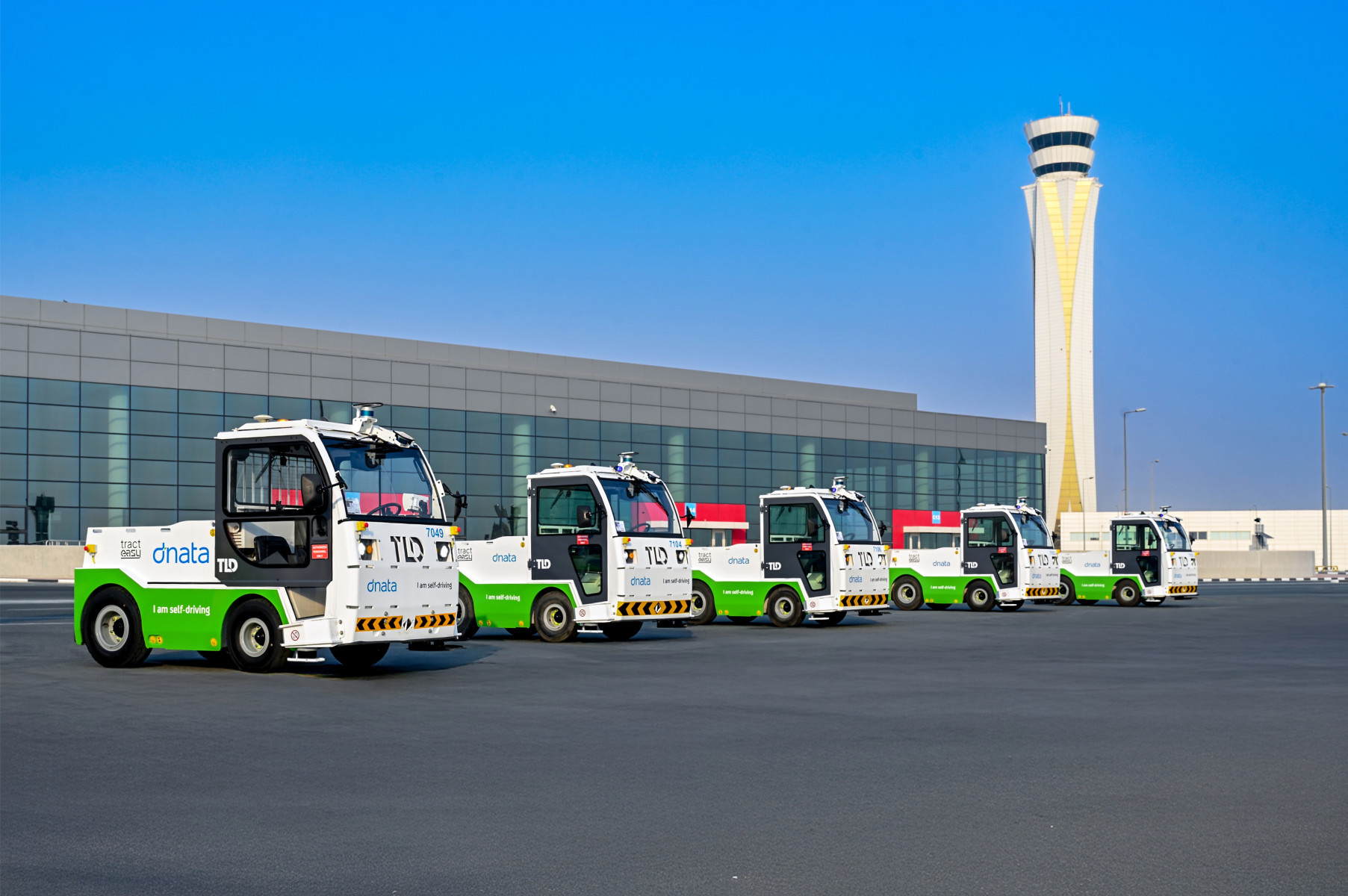
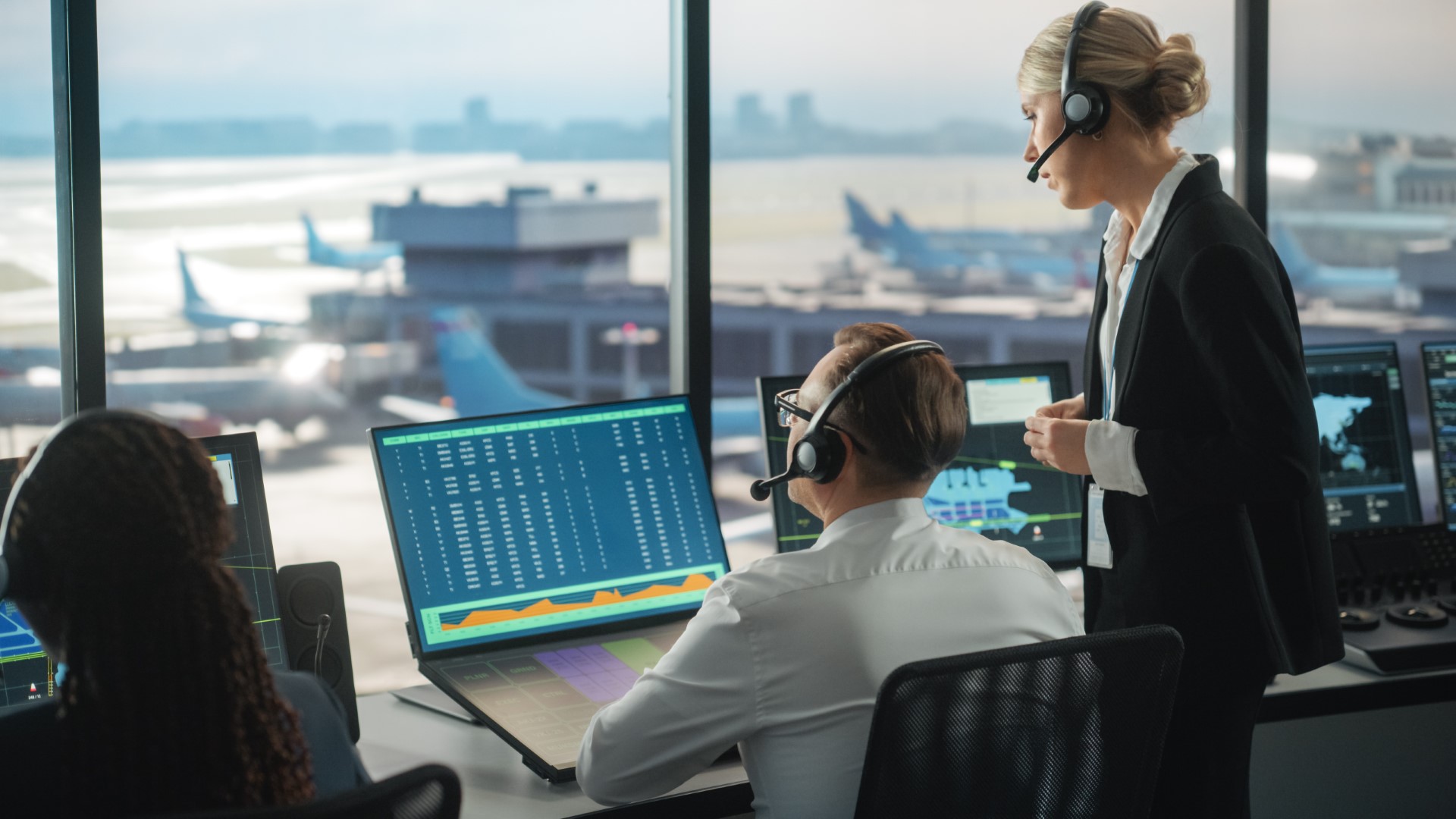
Airport operations encompass the complex, highly coordinated ecosystem of ground services, airside management, terminal administration, and regulatory compliance required to keep commercial aviation running safely and efficiently. Coordinating thousands of moving parts—from aircraft turnaround and baggage handling to security screening and runway maintenance—demands rigorous planning, real-time communication, and strict adherence to international standards.
The Core Pillars of Modern Airport Management
Managing a commercial airport requires balancing strict safety regulations with commercial viability and passenger satisfaction. At the administrative heart of any facility are departments dedicated to airside operations, landside management, terminal services, and regulatory compliance. Each sector operates under strict oversight from national and international bodies, such as the Federal Aviation Administration (FAA) in the United States or the International Civil Aviation Organization (ICAO) globally.
Airside operations focus entirely on the movement areas, including runways, taxiways, and aprons. Personnel in this division monitor surface friction, manage wildlife hazards, clear debris through regular Foreign Object Debris (FOD) sweeps, and guide aircraft movement alongside air traffic control towers. Landside management, conversely, handles the infrastructure connecting the airport to the surrounding community, including access roads, parking structures, public transit links, and curb management to prevent gridlock.
Terminal operations bridge the airside and landside, overseeing the passenger journey from check-in counters and security checkpoints to boarding gates and baggage carousels. Facility maintenance teams ensure that heating, ventilation, air conditioning (HVAC), elevators, jet bridges, and lighting systems function without interruption. Meanwhile, emergency services—including Aircraft Rescue and Fire Fighting (ARFF) units and airport police—maintain constant readiness to respond to incidents within minutes.
Airside Safety and Regulatory Compliance
Safety is the absolute cornerstone of airport operations, governed by meticulous frameworks designed to minimize the risk of runway incursions, ground collisions, and security breaches. Regulatory compliance involves translating high-level international treaties and national laws into daily Standard Operating Procedures (SOPs).
- Runway Safety Programs: Implementing surface movement guidance systems, painting precise markings, and enforcing strict transponder and radio protocols for all ground vehicles operating on active pavements.
- Wildlife Hazard Management: Utilizing deterrents, habitat modifications, and certified wildlife biologists to mitigate the severe risks bird strikes pose to ascending and descending aircraft.
- Safety Management Systems (SMS): Requiring structured, organization-wide processes for hazard identification, risk assessment, and continuous safety performance monitoring.
- Security Directives: Enforcing access control measures, biometric identification for restricted areas, and rigorous screening protocols for both passengers and cargo.
Compliance audits occur regularly, requiring facility operators to maintain exhaustive documentation on training records, equipment maintenance logs, and incident reports. Failure to meet mandated safety thresholds can result in severe financial penalties, operational restrictions, or the suspension of an airport’s operating certificate.
Ground Handling and Aircraft Turnaround Efficiency
The economic viability of an airline largely depends on how quickly an aircraft can be serviced, unloaded, and reloaded on the ground—a process known as the aircraft turnaround. Ground handling agents manage this high-stakes choreography, which must be completed within tight turnaround windows ranging from 30 minutes for narrow-body domestic flights to several hours for wide-body international routes.
| Phase | Key Activities & Responsibilities |
|---|---|
| Arrival & Parking | Marshalling, chocking, jet bridge attachment |
| Offloading | Baggage unloading, passenger deplaning |
| Servicing | Catering replenishment, lavatory & water care |
| Maintenance | Quick visual inspections, technical checks |
| Loading | Cargo loading, baggage re-stowage |
| Departure | Passenger boarding, pushback, engine start |
Coordination requires seamless communication between ramp agents, fuelers, caterers, cabin cleaners, and flight crews. Ground power units (GPUs) and pre-conditioned air (PCA) units are often connected immediately upon parking to reduce aircraft fuel burn and engine wear while parked at the gate. Any delay in a single link of this chain—such as late catering delivery or a jammed cargo loader—can cascade into systemic flight delays across an entire airline network.
Passenger Terminal Flow and Capacity Management
Handling millions of passengers annually requires sophisticated terminal design and capacity management to prevent bottlenecks. Operators analyze passenger throughput metrics at every major touchpoint: ticketing counters, security screening checkpoints, passport control, and boarding gates.
Modern facilities increasingly rely on automated self-service kiosks, biometric boarding gates, and automated baggage drop (ABD) systems to accelerate processing times and reduce labor costs. Capacity management also extends to retail and dining amenities, which must be strategically placed to accommodate passenger flow without obstructing walkways or gate seating areas. Signage, public address systems, and real-time flight information display systems (FIDS) help passengers navigate complex terminals independently, reducing the burden on customer service personnel.
Environmental Sustainability and Community Relations
Contemporary airport operations must navigate intense scrutiny regarding their environmental footprint and impact on surrounding communities. Aviation activities generate substantial carbon emissions, noise pollution, and waste, prompting operators to adopt aggressive sustainability initiatives.
Noise abatement procedures, such as mandatory continuous descent operations (CDOs), designated noise-preferential routes, and nighttime curfew enforcement, help mitigate disturbances for neighboring residential areas. On the environmental front, airports are investing in electric ground support equipment (eGSE), solar energy installations for terminal roofs, advanced stormwater management systems to prevent de-icing fluid runoff contamination, and comprehensive recycling programs. Balancing operational growth with environmental stewardship remains one of the industry's most pressing long-term challenges.
How to Optimize Airport Operations for Efficiency and Safety
- Conduct Comprehensive Process Audits: Review existing landside and airside workflows to identify recurring bottlenecks, communication gaps, and delays during peak travel banks.
- Upgrade Technology Infrastructure: Implement modern Airport Collaborative Decision Making (A-CDM) platforms to share real-time data among airlines, air traffic control, and ground handlers.
- Enhance Training and Simulation: Invest in continuous professional development for ground crews and airside drivers, utilizing virtual reality or practical drills to prevent runway incursions.
- Implement Predictive Maintenance: Utilize IoT sensors on critical infrastructure—such as baggage belts, jet bridges, and runway lighting circuits—to detect mechanical wear before catastrophic failure occurs.
- Engage Stakeholder Committees: Establish regular consultative forums involving airline representatives, regulatory bodies, and municipal authorities to address operational friction points collaboratively.
Frequently Asked Questions
What is the primary difference between airside and landside operations?
Airside operations encompass all areas accessible to aircraft, including runways, taxiways, ramps, and hangars, where safety and security regulations are exceptionally strict. Landside operations refer to the areas accessible to the general public, such as parking lots, terminal access roads, check-in concourses, and public transport interchanges.
How do airports handle severe weather disruptions?
Airports maintain comprehensive winter and severe weather operations plans that include de-icing pads, chemical and mechanical snow removal fleets, and close coordination with meteorological services. When weather conditions reduce visibility or braking action, air traffic control increases separation standards, and operators adjust schedules to prevent gridlock.
Who regulates international airport safety standards?
International standards and recommended practices are established by the International Civil Aviation Organization (ICAO), a specialized agency of the United Nations. National civil aviation authorities, such as the FAA or EASA, adopt these standards into local laws and oversee direct compliance.
What is Airport Collaborative Decision Making (A-CDM)?
A-CDM is an operational concept that improves air traffic flow and capacity management by reducing delays, improving the predictability of events, and optimizing the utilization of resources. It achieves this by sharing accurate, real-time milestone data among all aviation stakeholders.
What qualifications are required for an airport operations career?
Careers in airport operations typically require a bachelor’s degree in aviation management, business administration, or engineering, complemented by specialized certifications in safety management systems (SMS), emergency management, or security. Practical experience in ground handling, air traffic control, or airline dispatch is also highly valued.
How do airports manage security screening without causing major delays?
Airports manage security throughput by deploying advanced imaging technology, computed tomography (CT) scanners that reduce the need to remove items from bags, and dynamic queue management systems. Automated lanes and pre-check expedited screening programs further assist in accelerating passenger processing times.
Optimizing Operational Resilience
Achieving operational excellence in the aviation sector requires an unwavering commitment to cross-functional communication, rigorous regulatory compliance, and continuous technological modernization. By proactively identifying emerging risks, investing in sustainable infrastructure, and streamlining aircraft turnaround processes, airport operators can successfully navigate the complexities of modern air transport while ensuring maximum safety for passengers and crew.