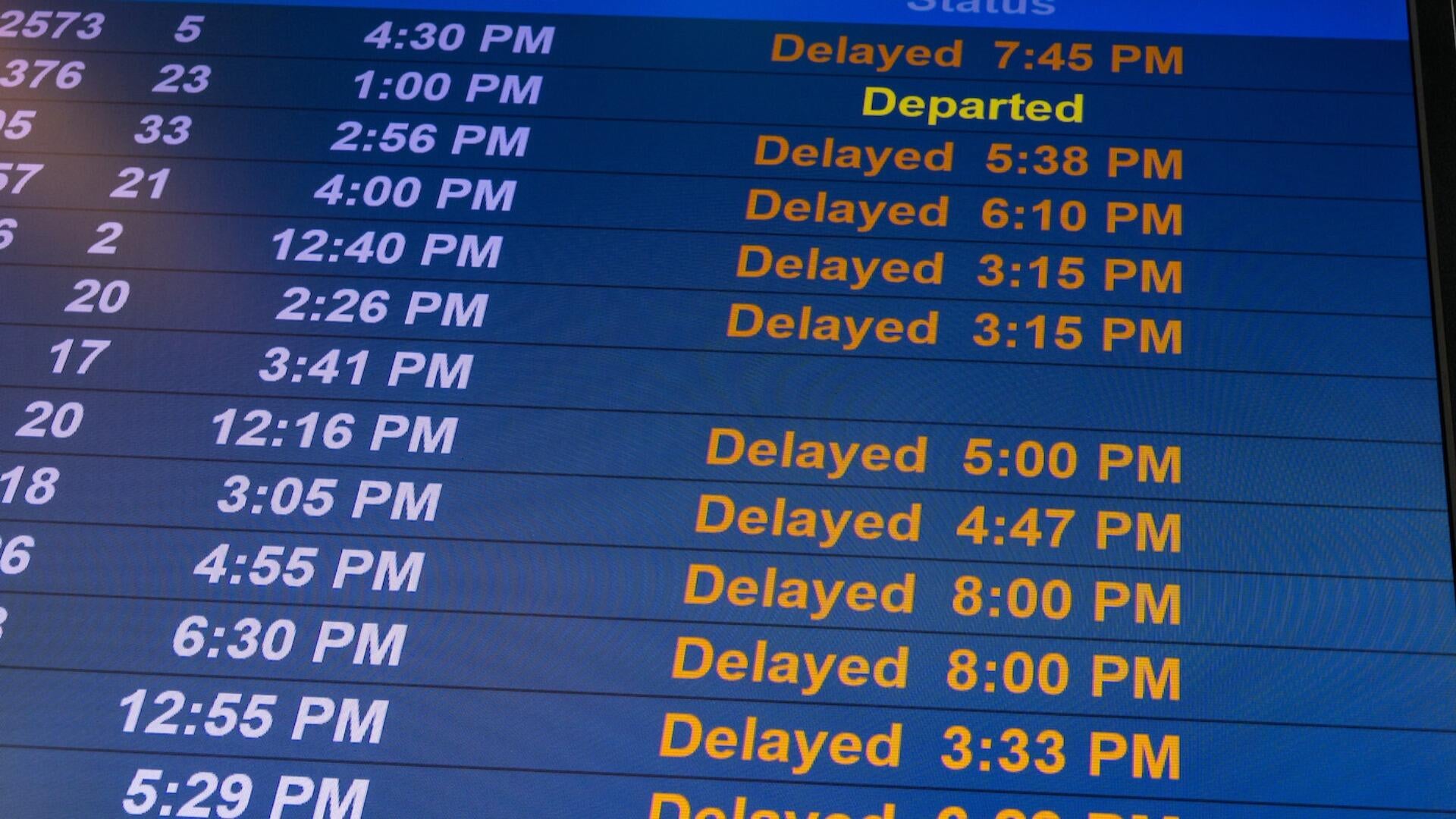
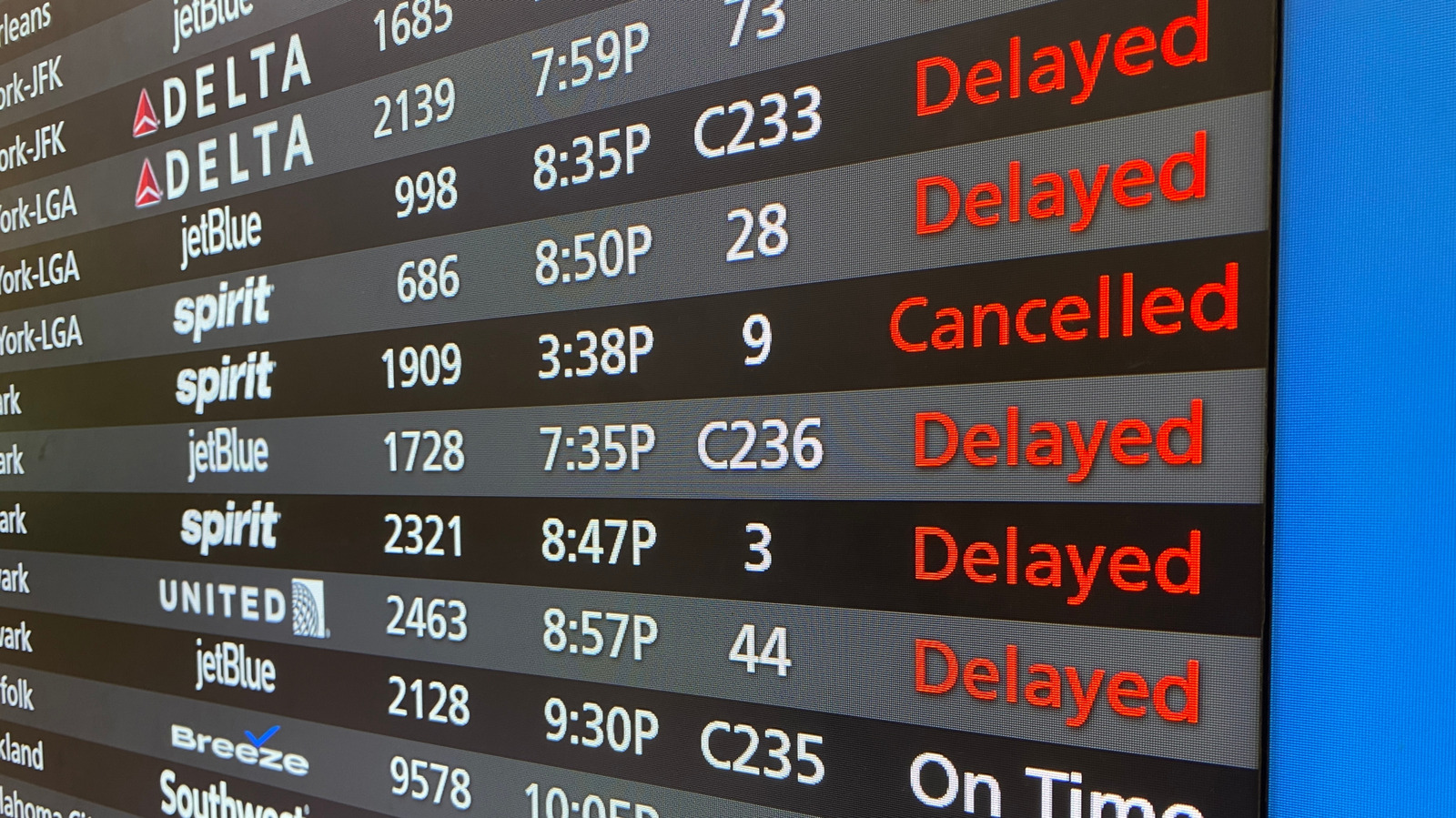
Airport delays disrupt travel schedules globally, driven by a complex interplay of severe weather, air traffic control congestion, technical outages, and airline operational hurdles. When disruptions occur, understanding the root causes, statutory passenger rights, and proactive mitigation steps empowers travelers to navigate schedule changes efficiently and minimize transit friction.
Anatomy of an Airport Delay: Core Operational Factors
Commercial aviation relies on a precisely synchronized network of aircraft, flight crews, ground personnel, and airspace capacity. When a single element breaks down, the disruption creates a ripple effect across the entire aviation ecosystem. Understanding these underlying mechanics clarifies why schedule disruptions occur and why recovery times vary significantly between different carriers and airports.
Air traffic management limitations remain a primary driver of modern schedule disruptions. Ground delay programs and air traffic control initiatives are implemented when airport arrival or departure rates drop due to reduced visibility, low ceilings, or saturated airspace sectors. Federal aviation authorities mandate spacing between aircraft to maintain safety standards, which directly restricts the volume of flights an airfield can handle per hour. Consequently, a morning thunderstorm hundreds of miles away can constrain arrivals at a major hub hours later, as inbound aircraft and crews are pulled out of sequence.
Airline-specific operational challenges compound air traffic restrictions. Crew scheduling regulations, aircraft maintenance requirements, and turn times dictate whether an airline can recover from an initial schedule slip. If a flight crew hits their maximum legal duty time—governed by safety regulations such as those enforced by the Federal Aviation Administration or the European Union Aviation Safety Agency—the airline must source a replacement crew. Finding reserve personnel or repositioning them across a network frequently introduces multi-hour delays or cancellations. Furthermore, hub-and-spoke airline networks mean that a delayed inbound aircraft often forces subsequent flights operated by that same physical airframe to depart late.
Common Root Causes and Contributing Variables
To effectively manage travel disruptions, it is useful to categorize the specific variables that contribute to airport delays. The operational environment shifts constantly, influenced by environmental, mechanical, and infrastructural realities.
| Category | Operational Impact |
|---|---|
| Weather Events | Low visibility, high winds, de-icing |
| Air Traffic Control | Flow control, sector capacity limits |
| Carrier Operations | Crew scheduling, mechanical maintenance |
| Airport Infrastructure | Gate availability, baggage system faults |
Weather phenomena represent the most visible and volatile category of disruption. Winter storms require specialized de-icing procedures that add substantial time to aircraft turnaround cycles, while summer convective weather forces airlines to route around towering cumulonimbus clouds, burning extra fuel and extending flight durations. Beyond meteorological factors, equipment failures at the airport level—such as baggage sorting system breakdowns, automated jet bridge malfunctions, or runway lighting outages—can temporarily halt operations until maintenance teams restore functionality.
Security checkpoints and customs facilities also create localized bottlenecks. Peak passenger processing volumes can overwhelm terminal infrastructure, leading to missed boarding windows even when the aircraft itself is ready for departure. Security screening lane availability is directly tied to staffing levels maintained by transportation security agencies, making peak holiday travel periods particularly vulnerable to processing delays.
Passenger Rights, Compensation, and Regulatory Protections
When travel plans unravel, legal frameworks in various jurisdictions dictate what airlines must provide to affected passengers. Knowing these rights transforms a frustrating situation into an actionable process for securing care, reimbursement, or cash compensation.
In the United States, airline obligations are largely governed by individual contract of carriage agreements, though federal regulations mandate specific minimums. When a flight is cancelled or experiences a significant delay due to circumstances within the airline's control—such as mechanical failures or crew scheduling issues—carriers are required to provide meal vouchers for delays exceeding three hours and complimentary hotel accommodations alongside ground transportation for overnight disruptions. However, U.S. federal law does not currently mandate statutory cash compensation for delayed arrivals, unlike jurisdictions with codified passenger rights regimes.
By contrast, international jurisdictions enforce stringent statutory compensation frameworks. Under European Union Regulation 261/2004, passengers traveling from an EU airport, or arriving at an EU airport on an EU-regulated carrier, are entitled to fixed cash compensation ranging from €250 to €600 if their flight arrives at its final destination three or more hours late, provided the disruption was within the airline's control. Extraordinary circumstances—such as severe weather, political instability, or air traffic control strikes—exempt airlines from paying financial compensation, though they remain obligated to provide care, refreshments, and rerouting options. Similar passenger rights legislation exists in other regions, including Canada under the Air Passenger Protection Regulations and the United Kingdom via retained EU law.
Proactive Strategies for Mitigating Travel Disruption Risks
Travelers cannot control the weather or air traffic management systems, but strategic planning significantly reduces vulnerability to cascading schedule failures. Implementing specific pre-trip and in-transit protocols minimizes the severity of airport delays.
Choosing non-stop itineraries whenever possible eliminates connection-related risks. Connecting flights introduce multiple points of failure; if the first leg is delayed by thirty minutes, a tight connection can be easily missed. When connections are unavoidable, selecting itineraries with extended layover durations provides a buffer against minor schedule deviations.
Timing matters significantly when booking departures. Early morning flights are historically less susceptible to cumulative delays because aircraft and crews are already stationed at the origin airport overnight, clearing the backlog that accumulates as the operating day progresses. Conversely, late-afternoon and evening departures absorb every prior operational mishap that occurred across the airline's network throughout the day.
Leveraging technology provides real-time situational awareness. Utilizing flight tracking applications, airline mobile software, and official air traffic control advisory sites allows travelers to monitor incoming aircraft status before heading to the terminal. If an inbound aircraft is heavily delayed at its origin, passengers gain valuable time to communicate with customer service desks or explore alternative routing options digitally before joining long airport queues.
What to Do When Your Flight Is Delayed
Navigating an active airport delay requires a calm, methodical approach. Immediate action combined with multichannel communication yields the fastest resolution when schedules break down.
- Verify the Status: Check official airline notifications and airport flight information display boards to confirm whether the delay is updated or evolving.
- Contact Customer Service: Avoid waiting exclusively in long physical airport lines. Simultaneously open the airline mobile application, call customer support hotlines, or engage with customer service agents via verified social media channels.
- Assess Rerouting Options: Research alternative flights—including those operated by alliance partner airlines—before speaking with an agent. Presenting specific, viable routing options dramatically accelerates the rebooking process.
- Document Everything: Request written confirmation of the delay reason from the airline, retain all boarding passes, and keep itemized receipts for any incurred expenses such as meals, transportation, or lodging.
- Review Insurance Policies: Examine credit card travel protection or standalone travel insurance policies to determine coverage limits for trip interruption, delayed baggage, or incidental expenses.
Frequently Asked Questions
What constitutes a significant airport delay?
A significant delay is generally defined as any schedule disruption that alters arrival times by three hours or more, though minor delays of fifteen to thirty minutes are common in daily commercial aviation. The exact threshold often depends on the governing regulatory framework, airline contract of carriage terms, and how the delay impacts downstream connections.
Are airlines required to provide hotel rooms for overnight delays?
Airlines are required to provide hotel accommodations and ground transportation for overnight delays when the disruption is within the carrier's control, such as maintenance issues or internal scheduling errors. When delays stem from extraordinary circumstances like severe weather or air traffic control mandates, airline policies and local regulatory requirements regarding hotel provisions vary significantly by region.
How do I claim compensation for a delayed flight under EU regulations?
To claim compensation under EU Regulation 261/2004, submit a formal claim directly through the operating airline's online compensation portal. Include your booking reference, flight number, date of travel, and details of the delay. If the airline denies a valid claim or fails to respond within statutory timeframes, escalate the matter to the National Enforcement Body of the departure country or an alternative dispute resolution service.
Can I cancel my flight and get a full refund if my flight is delayed?
Passengers are entitled to a full, unconditional refund of their ticket price if an airline cancels a flight, makes a schedule change that significantly alters the itinerary, or causes a severe departure delay, regardless of whether the disruption was within the airline's control. Accepting alternative rerouting provided by the airline typically waives the right to a refund unless explicitly agreed upon with the carrier.
Does travel insurance cover expenses incurred during airport delays?
Comprehensive travel insurance policies frequently include trip delay coverage that reimburses reasonable expenses—such as meals, communication costs, and emergency lodging—if a delay exceeds a specified timeframe, typically ranging from three to twelve hours. Coverage terms vary widely, making it essential to review policy documentation for specific eligibility criteria, documentation requirements, and exclusions.
Strategic Next Steps for Managing Flight Disruptions
To safeguard upcoming travel, audit existing credit cards for built-in travel protection benefits, download official airline applications for real-time alert routing, and familiarize yourself with the specific passenger rights regulations applicable to your itinerary's origin and destination. Maintaining digital records of your travel documents and knowing your contractual entitlements ensures you remain prepared to advocate for yourself when unexpected delays occur.