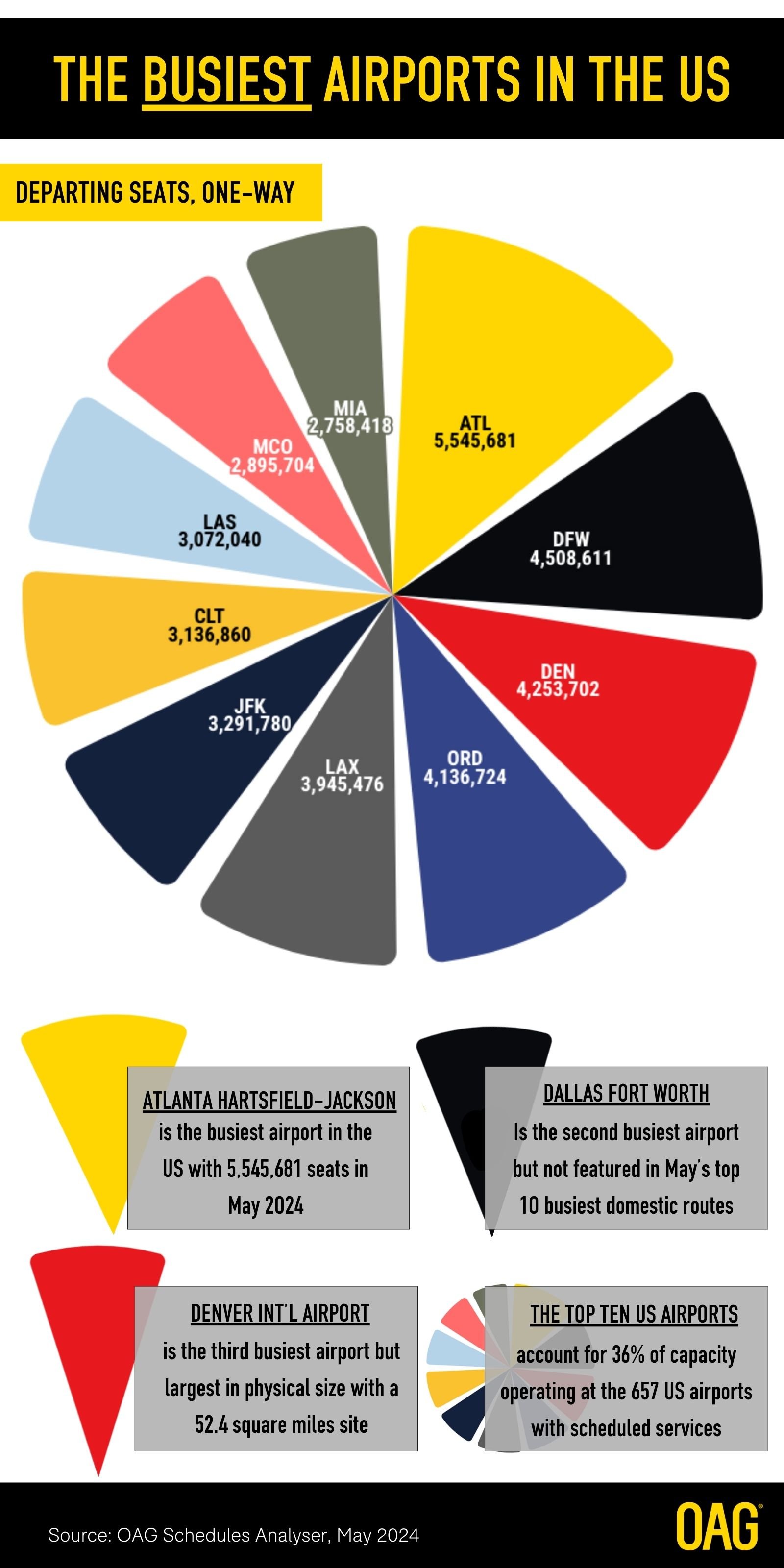
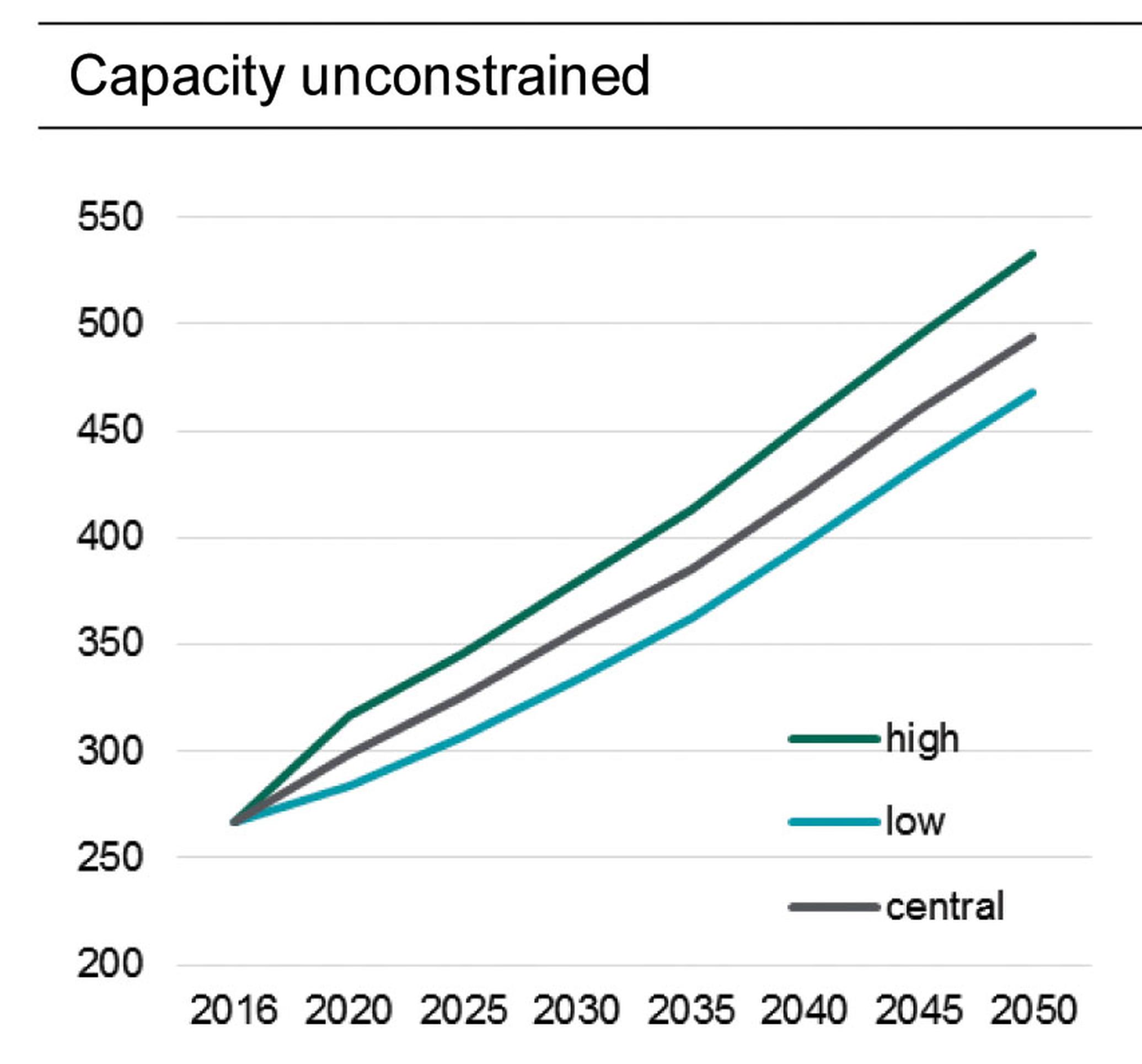
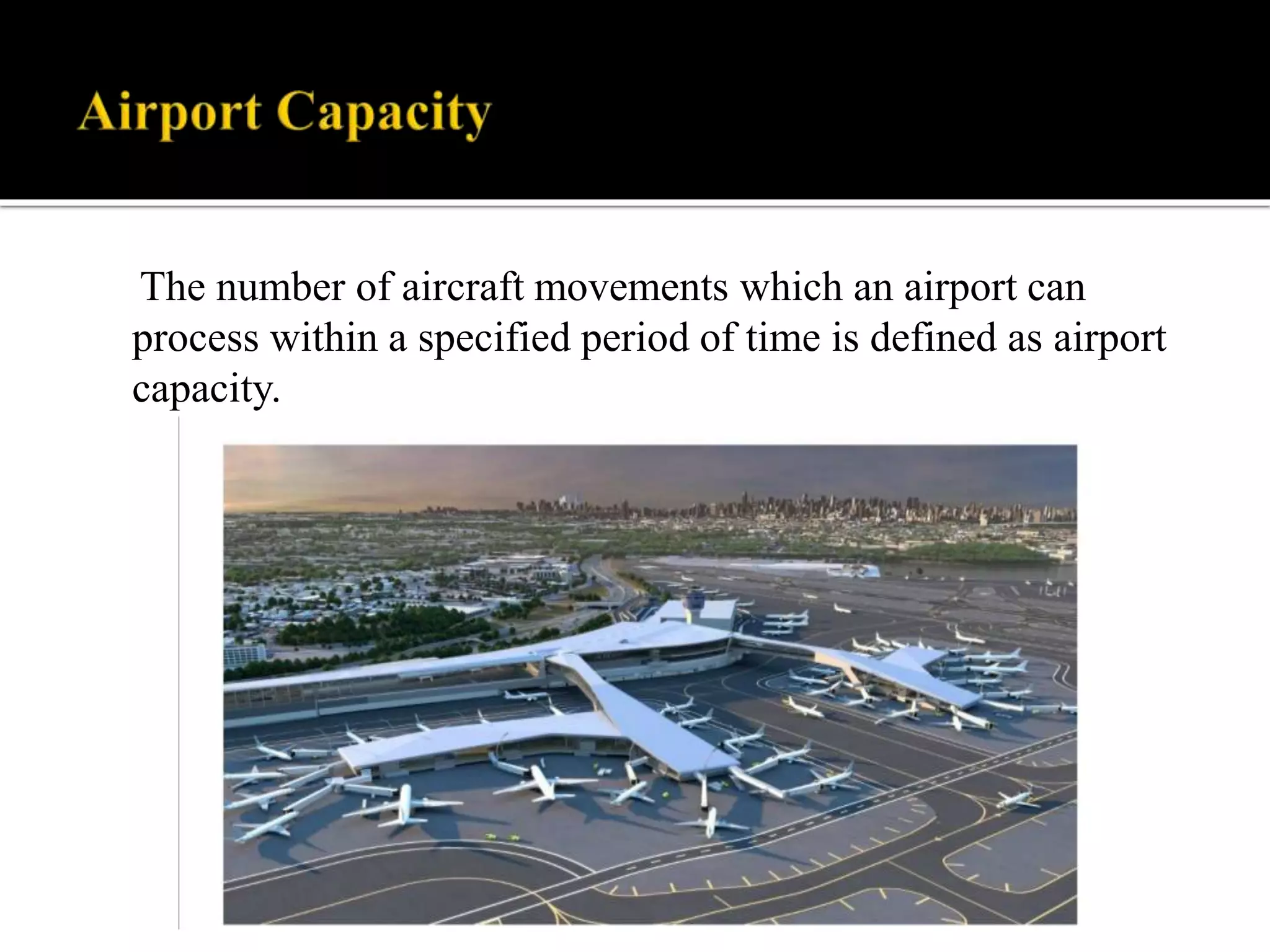
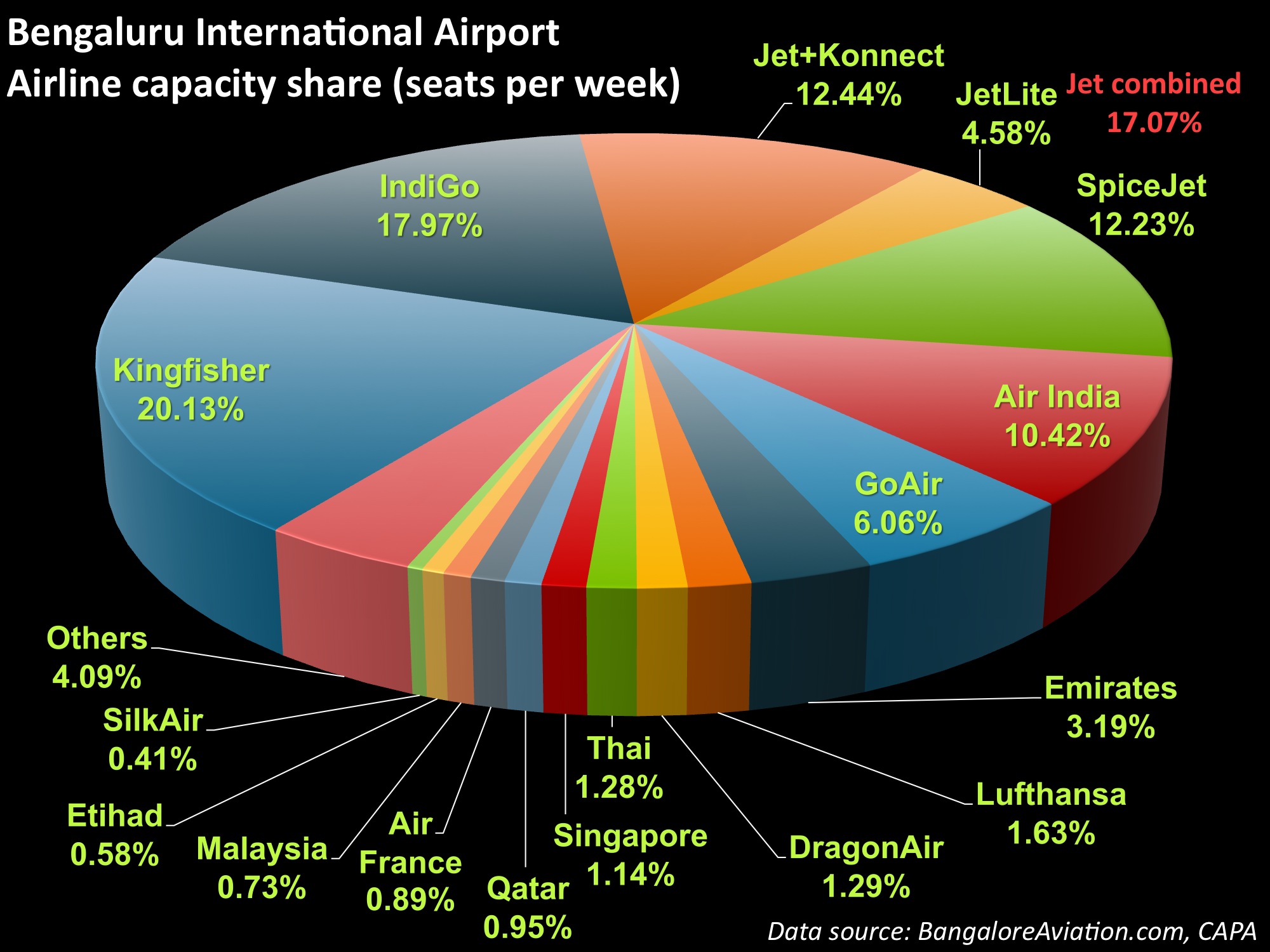
Airport capacity measures an airport's ability to handle aircraft movements, passenger throughput, and cargo volume within a specific timeframe, typically expressed hourly or annually. Understanding these throughput limits requires evaluating airfield geometry, airspace constraints, terminal processing infrastructure, and ground access networks to balance operational efficiency with growing global aviation demand.
Defining Airport Capacity and Its Core Dimensions
Airport capacity is not a single, static metric but a complex equilibrium involving multiple interdependent subsystems. Evaluating how well an airport functions requires breaking capacity down into three distinct operational dimensions: the airfield, the airspace, and the terminal. Each subsystem possesses unique bottlenecks and constraints that dictate how many flights can land, depart, and process passengers without causing severe congestion or safety hazards.
The airfield subsystem encompasses runways, taxiways, and aircraft parking stands. Runway capacity is often the ultimate constraint for an entire airport. Factors such as runway configuration, exit taxiway locations, mix of aircraft sizes, and wake turbulence separation rules heavily influence how frequently aircraft can safely land and take off.
The airspace subsystem involves the surrounding terminal maneuvering area (TMA) and en-route fixes managed by air navigation service providers (ANSPs). Air traffic control (ATC) rules, noise abatement procedures, and the integration of arrival and departure routes dictate how smoothly aircraft flow into and out of the airfield environment. If terminal airspace is congested, even an airfield with multiple parallel runways will experience delays.
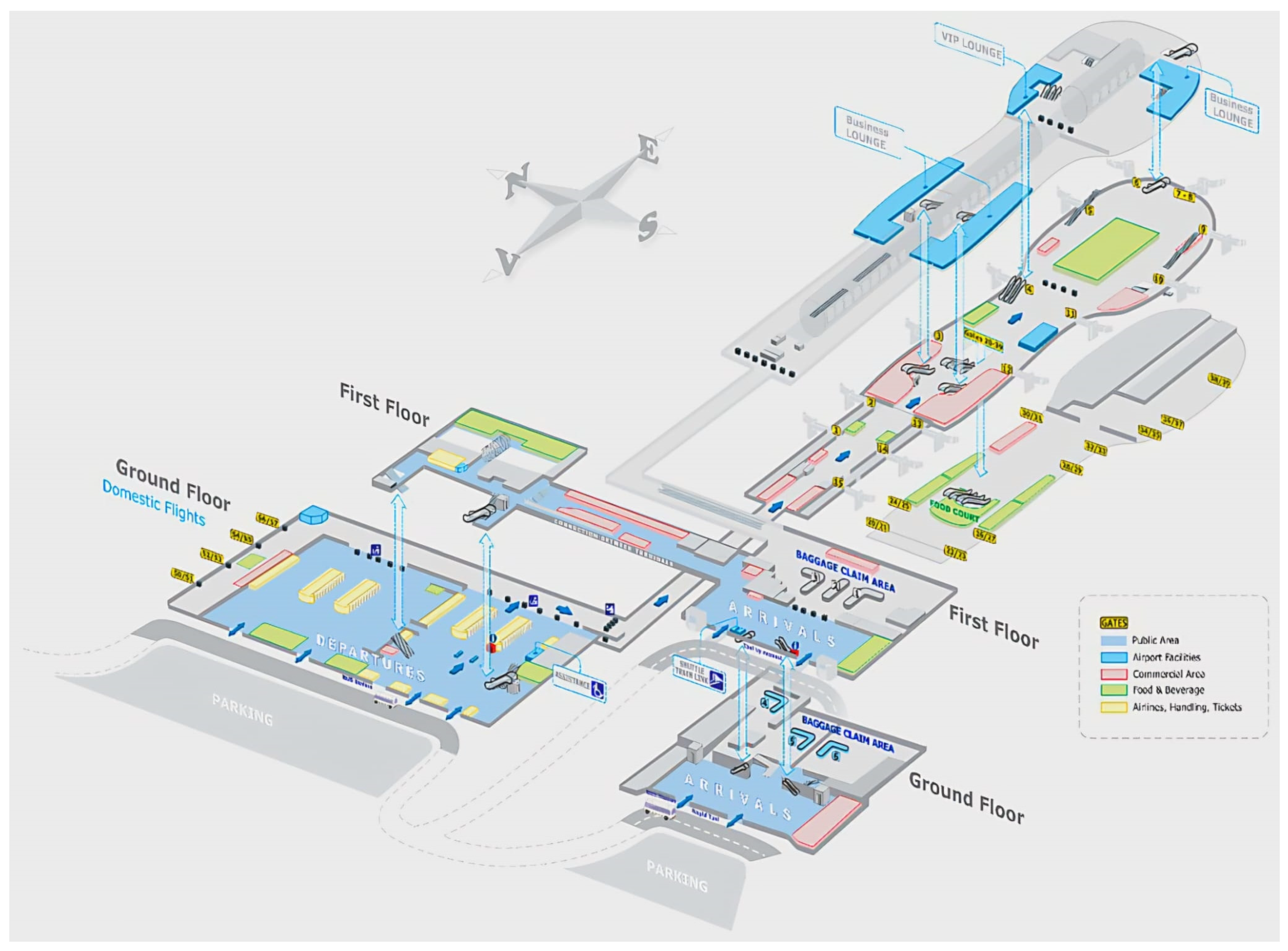
The terminal subsystem focuses on passenger and baggage processing infrastructure. This includes check-in counters, security screening checkpoints, customs and immigration halls, baggage claim carousels, and aircraft boarding gates. Passenger terminal capacity is measured by space availability per passenger and processing rates per hour. When passenger processing speeds fall behind aircraft arrival rates, terminals experience overcrowding, long queues, and degraded service quality.
Airfield and Airspace Constraints: The Physical Bottlenecks
Physical infrastructure and navigational rules establish the baseline throughput of any aviation hub. Runway throughput depends heavily on aircraft separation standards. Because heavy aircraft generate powerful wake turbulence vortices, following aircraft—especially smaller regional jets or turboprops—must maintain safe temporal or spatial distances. These separation requirements limit the maximum number of movements per hour, known as the nominal capacity under optimal meteorological conditions.
Weather conditions drastically reduce airfield performance. Under Visual Meteorological Conditions (VMC), pilots maintain their own separation visually, allowing higher movement rates. When Instrument Meteorological Conditions (IMC) prevail due to low cloud ceilings or poor visibility, air traffic controllers must rely entirely on instrument landing systems (ILS) and radar separation. This transition increases spacing between aircraft, frequently dropping hourly runway capacity by 30 to 50 percent.
| Operational Condition | Visual Meteorological Conditions (VMC) | Instrument Meteorological Conditions (IMC) |
|---|---|---|
| Separation Responsibility | Pilot-managed and ATC-monitored | Strictly Air Traffic Control managed |
| Runway Throughput | Maximum nominal capacity | Reduced by 30% to 50% depending on equipment |
| Taxiway Utilization | Standard high-speed exit usage | Slower transit times, increased controller workload |
| Primary Bottleneck | Gate availability and terminal processing | Approach spacing and wake turbulence intervals |
Airspace design also introduces external limitations. Airports situated near dense metropolitan areas often contend with overlapping airspace jurisdictions, restricted military zones, and complex noise abatement departure routes. These institutional boundaries prevent ANSPs from vectoring aircraft along optimal, direct flight paths, creating queuing delays in the air before aircraft even reach the final approach fix.
Terminal Processing and Ground Access Limitations
While runways dictate how many planes can land, the passenger terminal and ground transportation network dictate how many travelers can be successfully integrated into the transport system. Terminal capacity is constrained by spatial sizing guidelines, such as those provided by the International Air Transport Association (IATA), which recommend specific square meters per passenger in waiting lounges and processing halls.
Security screening checkpoints represent one of the most common internal bottlenecks in modern terminals. The introduction of advanced imaging technology and automated screening lanes has improved throughput, but peak hours frequently overwhelm lane capacity. Similarly, international arrival processing by border control agencies creates queues when multiple wide-body aircraft land simultaneously, straining immigration hall capacities and baggage delivery systems.
Beyond the terminal building, ground access infrastructure determines an airport's macro-capacity. If highway connections, rail links, and parking facilities cannot absorb arriving and departing vehicular or public transit traffic, passengers miss flights even if planes and terminals are running smoothly. Modern master planning requires integrating multi-modal transit hubs directly into airport design to prevent groundside congestion from choking airside growth.
Strategic Approaches to Expanding Capacity
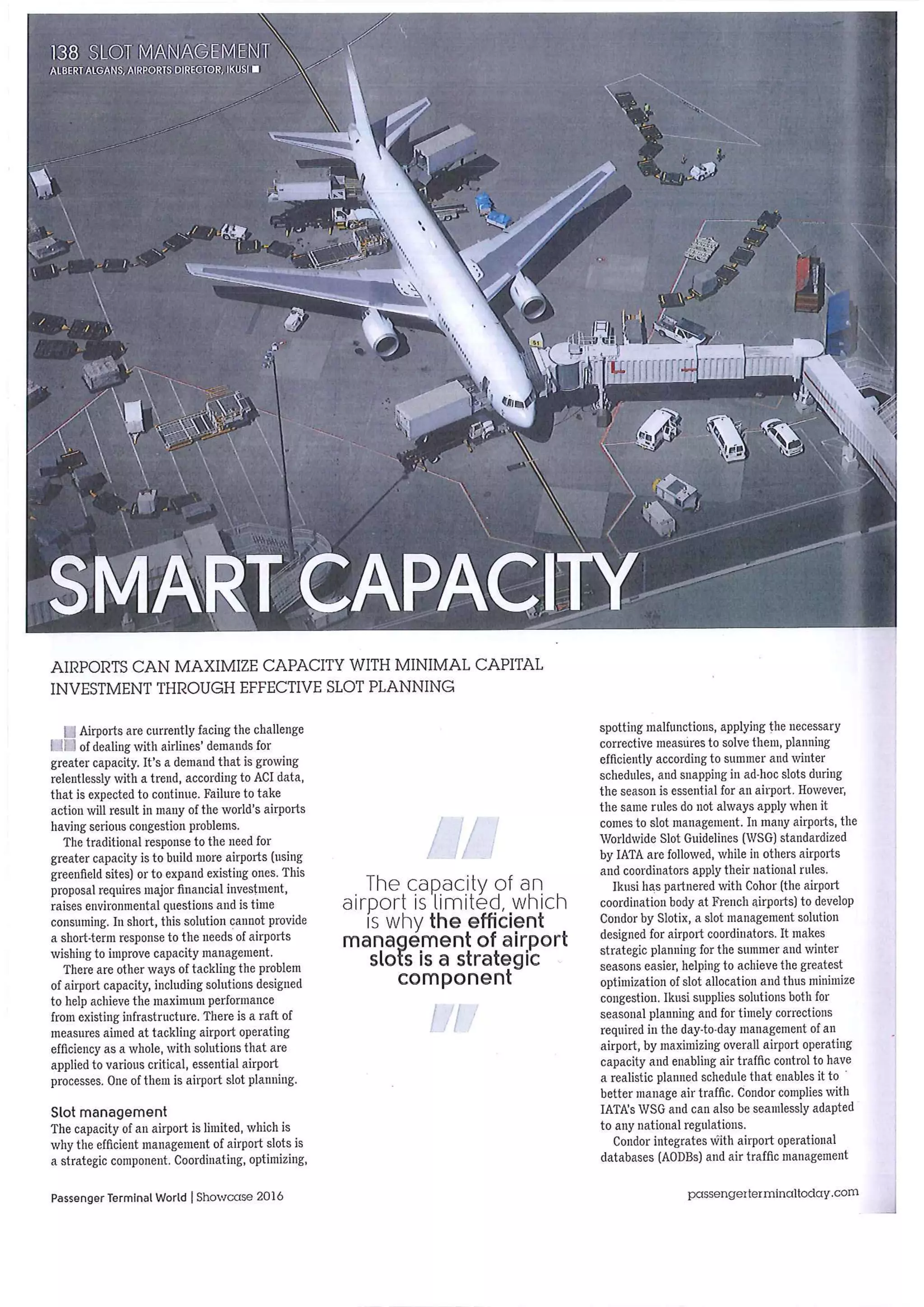
When an airport approaches saturation, stakeholders face a choice between capital-intensive physical expansion and operational optimization. Constructing new runways, parallel taxiways, or entirely new terminal complexes requires multi-year planning, massive capital investment, and complex environmental impact assessments. These physical projects face significant regulatory hurdles and community resistance due to noise and emissions concerns.
In contrast, technological and procedural enhancements offer cost-effective ways to squeeze more performance out of existing infrastructure. Implementing collaborative decision-making (CDM) platforms allows airlines, ground handlers, and air traffic controllers to share real-time data, reducing turnaround times and optimizing gate allocations. Advanced surface movement guidance and control systems (A-SMGCS) help maintain safe taxi speeds during low-visibility operations.
Air navigation service providers also utilize performance-based navigation (PBN) and Required Navigation Performance (RNP) procedures to establish precise, curved approach paths. These procedures reduce track miles, minimize noise footprints over populated areas, and allow closer spacing between arrival streams, thereby increasing overall airspace capacity without laying a single foot of new concrete.
Regulatory Frameworks and Slot Management
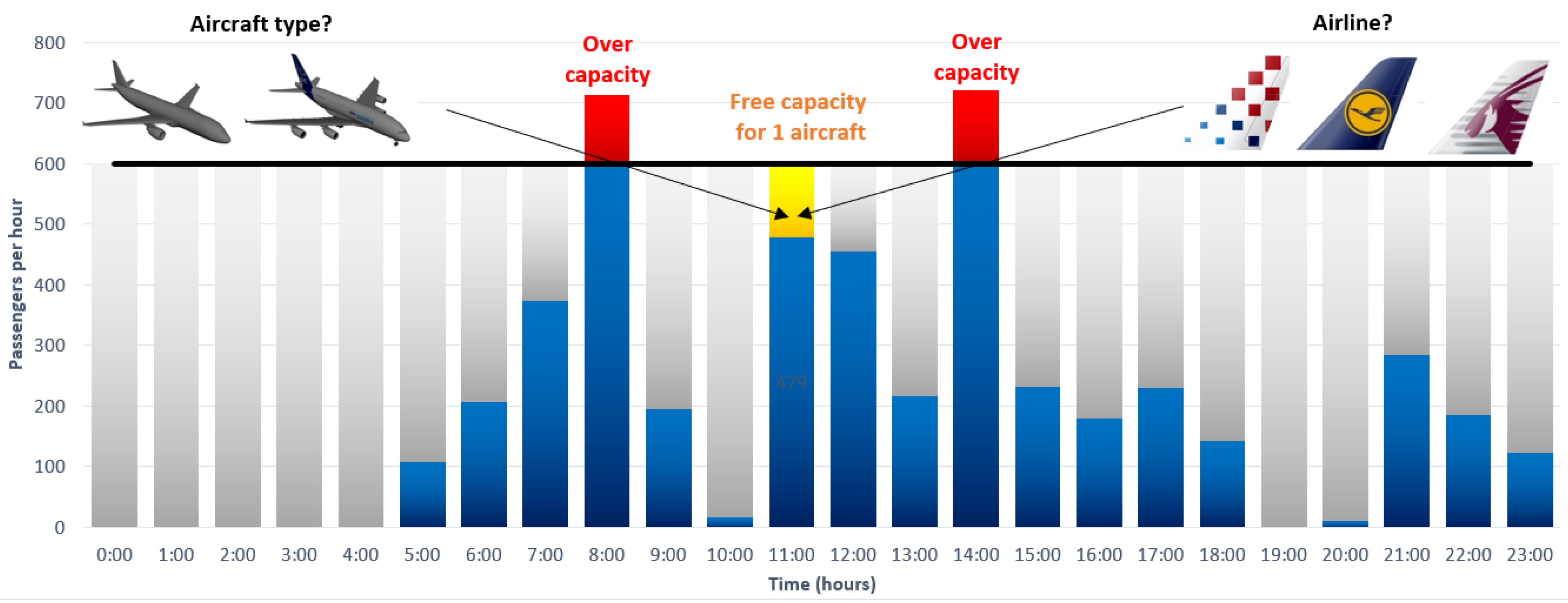
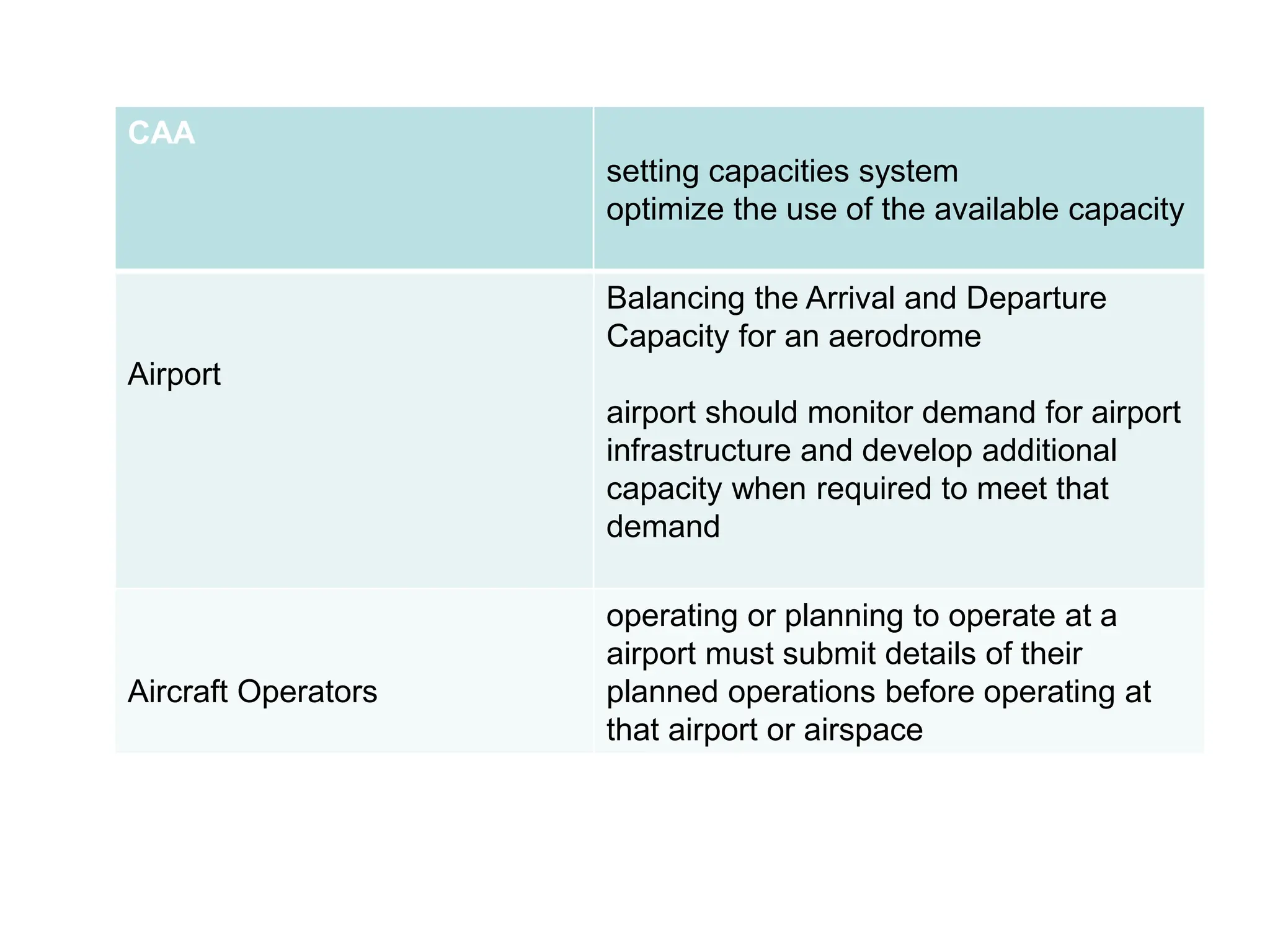
At congested hub airports where demand vastly exceeds available infrastructure, administrative mechanisms are required to allocate access fairly and efficiently. The Worldwide Airport Slot Guidelines (WASG), jointly published by IATA, Airports Council International (ACI), and the Worldwide Airport Coordinators Group (WWACG), provide the global standard for managing schedules at Level 3 fully coordinated airports.
Under the WASG framework, historical precedence—often referred to as grandfather rights—allows airlines to retain their allocated arrival and departure times (slots) from season to season, provided they utilize them at least 80% of the time. This system provides schedule stability for carriers and passengers but can create entry barriers for new airlines seeking to compete at primary international gateways.
Regulatory authorities and independent coordinators constantly audit slot utilization and enforce compliance to prevent airlines from hoarding slots to block competitors. Economic slot trading and secondary markets exist in certain jurisdictions, allowing carriers to buy and sell schedule rights, which encourages efficient allocation of scarce airport capacity to airlines that value it most.
Mitigating Delays and Optimizing Daily Operations
Day-to-day management of airport capacity requires continuous monitoring and proactive tactical interventions. When weather disruptions or equipment failures threaten to overwhelm capacity, flow management initiatives are triggered. Ground delay programs (GDPs) hold departing aircraft at their origin airports to prevent airborne holding patterns and severe congestion at the destination hub.
Airlines and airport operators also employ predictive analytics and machine learning models to forecast passenger arrival curves, baggage volumes, and aircraft turnaround times. By dynamically reallocating check-in desks, security lanes, and contact gates based on real-time data ingestion, operations teams can absorb demand surges that would otherwise cause cascading delays throughout the entire network.
Optimizing Future Aviation Infrastructure Investments
Balancing infrastructure supply with surging global travel demand requires rigorous data-driven master planning, close collaboration between aviation stakeholders, and continuous investment in both physical assets and digital air traffic management tools. Policymakers, airport operators, and airlines must prioritize sustainable expansion methods that enhance throughput while minimizing environmental footprints and community disruption.