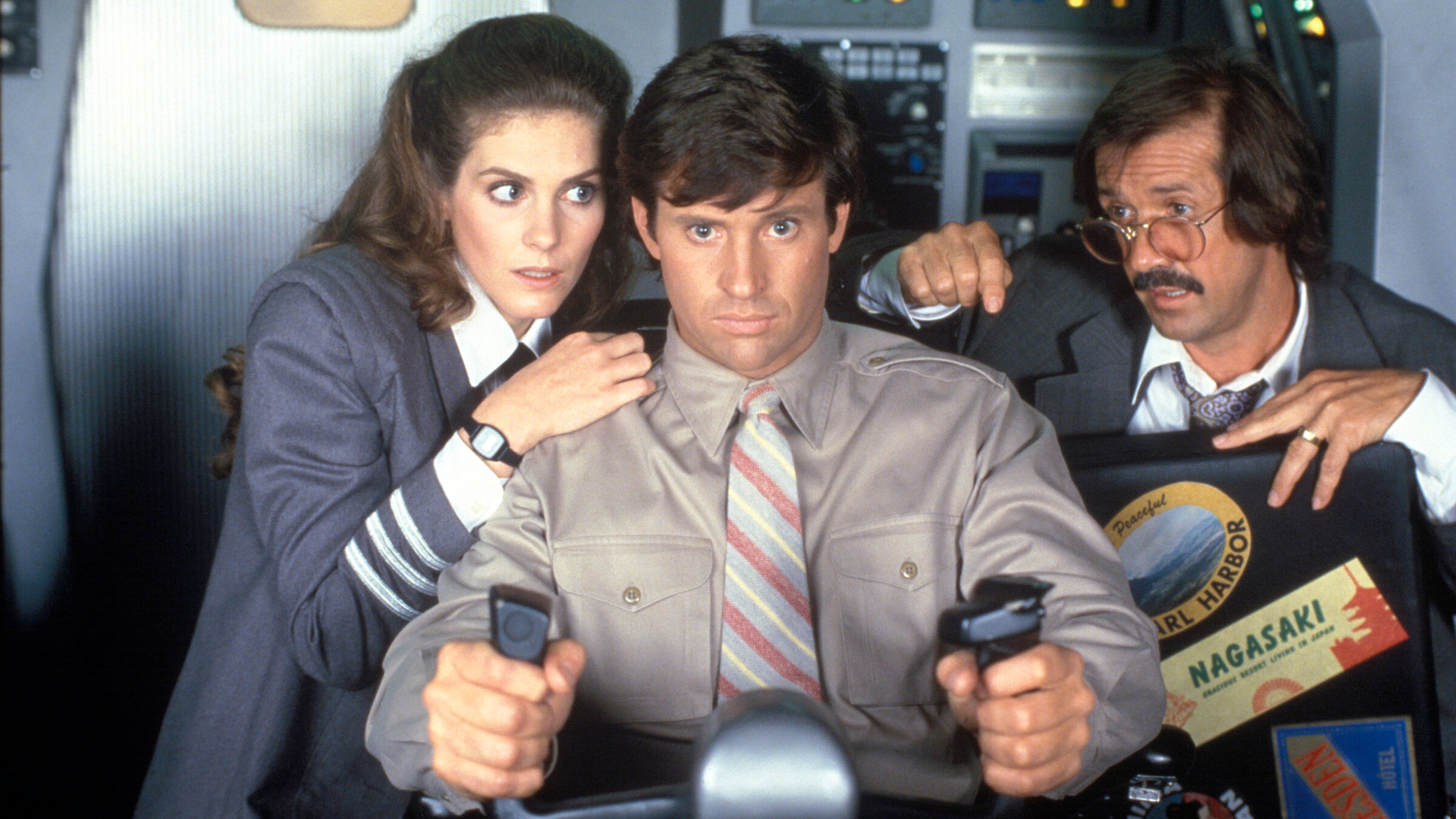
Airplane movies represent a distinct and enduring cinematic subgenre that transforms the confined, pressurized interior of an aircraft into a crucible for suspense, disaster, psychological tension, and sometimes comedy. This category encompasses films where aviation serves as the primary setting, the central plot device, or the catalyst for survival narratives, exploring humanity's complex relationship with flight and technological advancement.
The Evolution of Aviation Cinema from Early Flight to Modern Thrillers
Aviation has fascinated filmmakers since the dawn of the medium, evolving alongside the aerospace industry itself. In the silent era and early decades of sound, aviation films frequently celebrated the romanticism, daring, and technological triumphs of early pilots. Movies such as Wings (1927), which won the first Academy Award for Best Picture, established the visual grammar of aerial combat and stunt flying. These early pictures focused heavily on the heroism of pilots navigating open cockpits and biplanes, capturing the public's wonder at mankind conquering the skies.
As commercial aviation expanded in the mid-20th century and passenger air travel became accessible to the general public, the thematic focus shifted. The sheer scale of commercial airliners introduced a new collective anxiety: the vulnerability of large groups of people suspended thousands of feet in the air. This era gave birth to the modern disaster film, where the airplane became a floating microcosm of society facing imminent catastrophe. Filmmakers utilized the claustrophobic environment to examine human behavior under extreme pressure, setting a template that would influence decades of suspense writing and filmmaking.
Key Subgenres of Airplane Movies
Airplane movies generally branch into distinct narrative categories, each relying on unique dramatic mechanics to engage the audience. Understanding these subgenres helps viewers identify the specific type of tension or storytelling style a particular film employs.
Disaster and survival films focus on mechanical failures, extreme weather events, or sabotage. In these narratives, passengers and crew must work together—or battle each other—against overwhelming odds to land a crippled aircraft safely.
Psychological thrillers and whodunits utilize the closed environment of an aircraft to trap characters with an adversary. These stories often emphasize paranoia, as the protagonist must identify a threat, terrorist, or murderer among a restricted group of passengers with nowhere to run.
Action and hijacking blockbusters elevate the stakes by introducing active combat, criminal syndicates, or military intervention mid-flight. These movies rely on high-octane confrontations, tactical problem-solving, and spectacular set pieces within confined cabins or on wing surfaces.
Satire and parody subvert the earnest conventions of aviation dramas. By exaggerating the tropes of disaster films—such as incompetent crews, hysterical passengers, and absurd mechanical failures—these comedies offer a self-aware release valve for the genuine anxieties associated with air travel.
Core Tropes and Narrative Mechanics in Aviation Films
The effectiveness of an airplane movie often relies on a specific set of narrative conventions designed to maximize tension. The most prominent of these is claustrophobia. Unlike terrestrial thrillers where characters can flee into open spaces, passengers on an aircraft are bound to their seats, surrounded by hundreds of strangers and locked doors at 35,000 feet. This spatial limitation forces intense interpersonal drama and strips characters of standard escape routes.
Another recurring trope is the reluctant or unqualified substitute pilot. Whether due to food poisoning incapacitating the flight deck crew or a catastrophic accident, plots frequently require an ordinary passenger with a minor aviation background—often a traumatized former pilot or someone following instructions via radio—to take the controls. This device bridges the gap between the audience and the technical aspects of flying, translating complex instrument readings into high-stakes binary choices.
Communication breakdowns also serve as a vital engine for suspense. Storms, equipment failures, or intentional jamming frequently isolate the aircraft from air traffic control. Ground support personnel, who typically offer calm guidance and logistical solutions, are reduced to anxious voices fading through static, leaving the characters airborne to fend for themselves.
Comparative Breakdown of Landmark Aviation Films
| Film Title | Release Year | Primary Subgenre | Core Conflict | Key Technical Element |
|---|---|---|---|---|
| The High and the Mighty | 1954 | Disaster / Drama | Engine failure over the Pacific Ocean | Fuel management and crew psychology |
| Airport | 1970 | Ensemble Disaster | Bomb threat and severe blizzard conditions | Ground-to-air coordination and boarding chaos |
| Airplane! | 1980 | Satire / Comedy | Food poisoning incapacitates the flight crew | Parody of procedural aviation tropes |
| Passenger 57 | 1992 | Action / Thriller | Hijacking by a criminal mastermind | Tactical combat in narrow aisles |
| Flight | 2012 | Psychological Drama | Inverted flight recovery and subsequent investigation | Mechanical control surfaces and addiction |
Technical Realism Versus Cinematic License
Filmmakers navigating the aviation genre frequently face a choice between strict technical accuracy and cinematic entertainment. While aviation enthusiasts often scrutinize films for realistic portrayals of flight decks, radio communication protocols, and aircraft physics, narrative requirements regularly necessitate creative liberties.
For instance, real commercial flight decks are highly automated, and modern autopilot systems handle the vast majority of en-route navigation. While this makes modern air travel remarkably safe, it translates poorly to a two-hour dramatic narrative where characters must actively struggle against mechanical failure. Consequently, movies often exaggerate turbulence, cockpit alarms, and manual control difficulties to maintain visual and emotional momentum.
Similarly, physical geography and flight times are frequently compressed. Aircraft are depicted executing sharp, acrobatic maneuvers that would exceed structural load limits for wide-body commercial airliners, or communication signals remain crystal clear despite flying through severe electrical storms. Recognizing these artistic choices allows viewers to appreciate the craftsmanship of the filmmaking without being distracted by technical discrepancies.
The Cultural Impact of Aviation Cinema on Public Perception
Airplane movies have played a complex role in shaping public attitudes toward air travel safety and security. During the mid-20th century boom of commercial aviation, disaster films reflected underlying societal anxieties about the safety of new jet technology. Paradoxically, while these films depicted terrifying scenarios of crashes and near-misses, they also reinforced the resilience of flight crews and the effectiveness of emergency procedures.
Following geopolitical shifts in later decades, the focus of aviation thrillers evolved to reflect contemporary security concerns, particularly hijacking and terrorism. This influenced security protocols at international airports, even as cinema continued to use these real-world anxieties as backdrops for high-stakes fictional entertainment. Despite the harrowing scenarios depicted on screen, the enduring popularity of the genre highlights a collective fascination with the marvel of flight and the triumph of human ingenuity over adversity.
Frequently Asked Questions About Airplane Movies
What was the first major commercial airplane disaster movie?
While early aviation films focused on military dogfights and stunt flying, The High and the Mighty (1954), starring John Wayne, established the template for the modern commercial flight disaster film. It popularized the ensemble cast of passengers facing imminent peril due to mechanical failure and fuel depletion.
Why are airplane cabins considered effective settings for thrillers?
Airplane cabins provide natural confinement and isolation. Characters cannot leave the environment, escape routes are barred, and communication with the outside world is heavily restricted. This spatial limitation intensifies psychological pressure and forces interpersonal conflict into close quarters.
How accurate are the cockpit procedures shown in Hollywood movies?
Accuracy varies widely. While some films consult technical advisors to replicate realistic flight deck layouts and emergency checklists, most prioritize dramatic tension. They frequently exaggerate manual controls, compress timelines, and ignore automated flight systems to make the action more visually engaging for general audiences.
Are there comedic airplane movies that parody the disaster genre?
Yes, the most notable example is Airplane! (1980), directed by Jim Abrahams, David Zucker, and Jerry Zucker. It parodies the serious tone and formulaic plot structures of 1970s disaster epics, utilizing deadpan humor, visual gags, and wordplay to subvert audience expectations.
What distinguishes a hijacking film from an aviation disaster movie?
Hijacking films focus on hostile human intervention, such as criminals, terrorists, or rogue agents taking control of the aircraft. Disaster movies, by contrast, typically center on environmental hazards, structural mechanical failures, pilot incapacitation, or severe weather conditions.
Selecting Your Next Aviation Feature
To get the most out of your next viewing experience within this genre, match your movie choice to your desired viewing mood. If you prefer high-energy action and tactical standoffs, look toward 1990s thrillers set aboard wide-body jets. If you appreciate classic ensemble dramas that examine human grace under pressure, explore mid-century disaster epics. Pay attention to how different eras of filmmaking interpret the anxieties and technological marvels of their respective times, offering a window into both aviation history and cinematic craft.