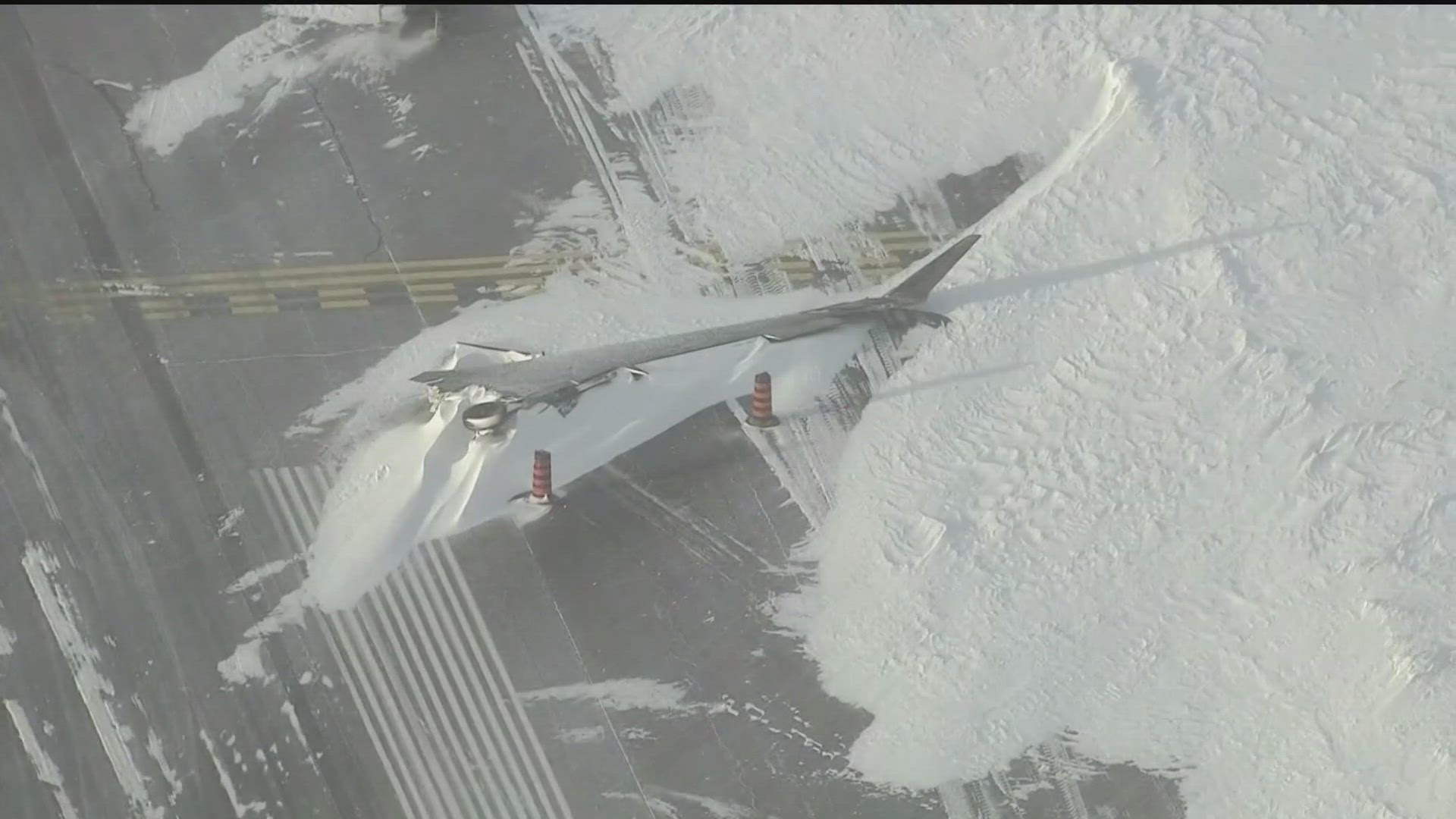
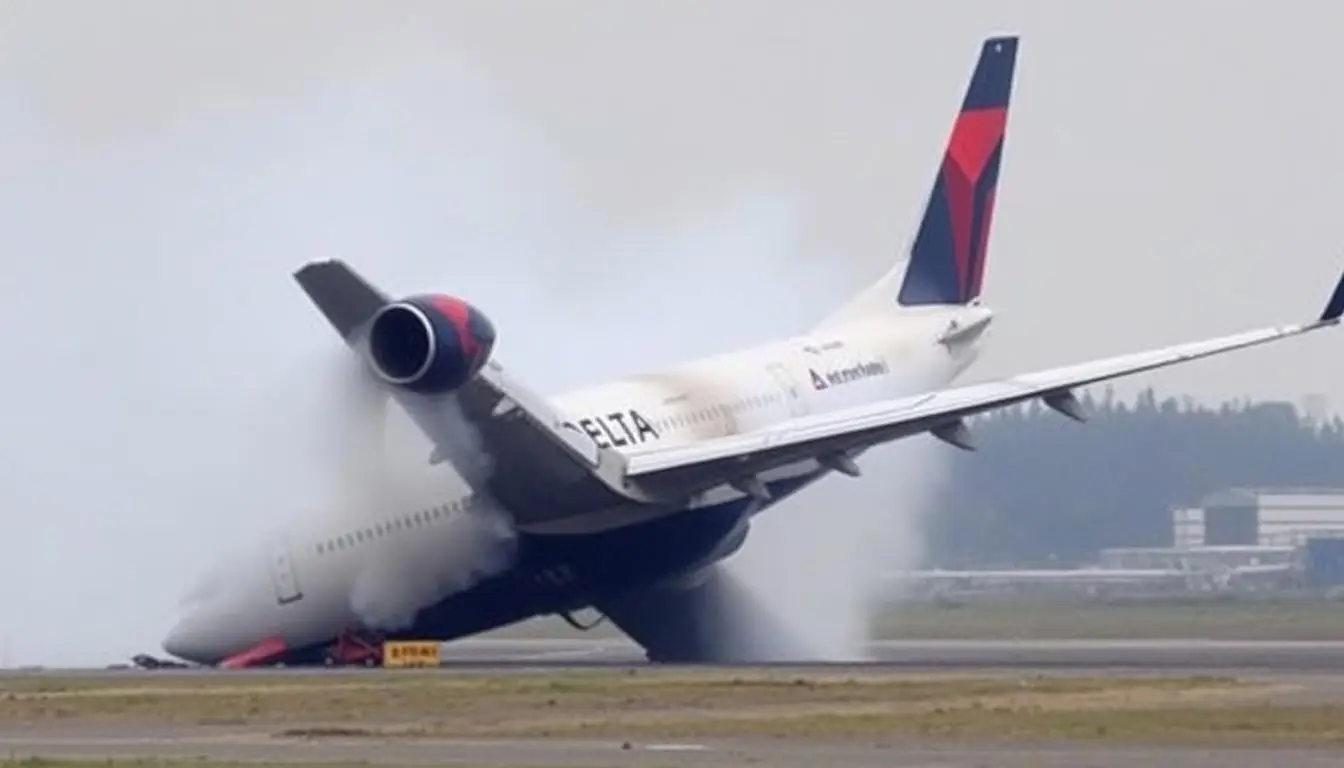
Navigating airplane crash Delta latest incident news investigation updates requires separating verified regulatory findings from early media speculation. Official inquiries by agencies like the National Transportation Safety Board focus on flight data, cockpit voice recorders, and maintenance records to determine probable causes and issue safety recommendations.
The Role of Official Investigative Bodies in Commercial Aviation Incidents
When an aviation incident involving a major carrier like Delta Air Lines occurs, a structured, multi-agency investigative framework is immediately triggered. In the United States, the National Transportation Safety Board (NTSB) serves as the primary independent federal agency tasked with investigating civil aviation accidents and significant incidents. Alongside the NTSB, the Federal Aviation Administration (FAA) participates as an interested party, providing regulatory oversight data, air traffic control transcripts, and radar telemetry.
The investigative process is governed by strict protocols outlined in international agreements, specifically Annex 13 of the Convention on International Civil Aviation. If foreign manufacturers, such as Airbus or Boeing, or foreign engine makers are involved, accredited representatives and technical advisors from those nations join the investigative team. This collaborative environment ensures that every technical facet—from metallurgical analysis of turbine blades to software logic in flight management systems—is scrutinized by domain experts.
Public updates regarding these investigations are released through formal channels, including investigative updates, preliminary reports, and ultimately a comprehensive final report. Media outlets often report breaking news as incidents unfold, but these early bulletins frequently contain unverified witness accounts or preliminary interpretations. Stakeholders monitoring the latest incident news must rely on official NTSB dockets and press releases to understand the factual baseline established by investigators.
How Flight Data and Cockpit Voice Recorders Shape Safety Investigations
The recovery and analysis of flight data recorders (FDRs) and cockpit voice recorders (CVRs)—commonly known as the black boxes—represent the cornerstone of modern aviation safety investigations. The FDR records dozens of parameters related to aircraft performance, including altitude, airspeed, engine thrust settings, control surface positions, and system warnings. Modern FDRs are engineered to withstand extreme environmental conditions, such as high-impact forces, post-crash fires, and deep-sea immersion.
Concurrently, the CVR captures flight deck audio, including crew conversations, radio transmissions, and ambient acoustic cues like switch clicks, warning chimes, and engine sound profiles. Analyzing these audio streams allows human factors specialists to understand crew resource management, situational awareness, and decision-making processes under operational stress.
| Recorder Type | Primary Parameters Monitored |
|---|---|
| Flight Data Recorder | Altitude, airspeed, heading, control inputs, engine parameters, hydraulic pressures |
| Cockpit Voice Recorder | Crew dialogue, radio communications, cockpit acoustic alerts, warning chimes |
Specialized laboratories equipped with advanced audio filtering and signal processing tools extract this data even if the physical medium has sustained damage. Transcripts of CVR recordings are typically released only after the investigation reaches a legally mandated milestone, protecting crew privacy while ensuring transparency regarding safety-critical communications.
Regulatory Responses and Airworthiness Directives Following Incidents
Investigations do not merely assign responsibility; their primary objective is systemic risk mitigation and the prevention of future occurrences. When an investigation uncovers a recurring mechanical vulnerability, an operational hazard, or an air traffic control procedural flaw, regulatory authorities take immediate corrective action. The FAA implements these measures through Airworthiness Directives (ADs) or Safety Alerts for Operators (SAFOs).
- Airworthiness Directives (ADs): Legally enforceable regulations issued by the FAA that mandate specific inspections, modifications, or operational restrictions on aircraft, engines, propellers, or appliances. Compliance with an AD is mandatory for continued airworthiness.
- Safety Alerts for Operators (SAFOs): Informational documents that provide critical safety information and recommend voluntary operational enhancements or procedural reviews for commercial flight crews and airline management.
- Emergency Action Notifications: Rapid-response advisories disseminated when immediate fleet-wide verification is required to address an urgent, newly identified safety risk.
Airlines operating commercial fleets, including major network carriers like Delta Air Lines, maintain dedicated safety management systems (SMS) to integrate these regulatory mandates into daily flight operations, maintenance schedules, and pilot training syllabi.
Media Literacy and Identifying Verified Aviation News
The digital information ecosystem surrounding aviation incidents is frequently saturated with speculation, unverified social media footage, and sensationalized headlines. For travelers, industry analysts, and legal professionals tracking incident updates, discerning verified journalism from speculation is critical. Reputable aviation journalism relies on direct statements from regulatory bodies, official airline communications, and accredited wire services rather than anonymous online commentary.
When consuming news regarding an incident, readers should evaluate sources against established criteria:
- Verify whether quotes and technical assertions are attributed to named spokespersons from the NTSB, FAA, or airline operations centers.
- Distinguish between breaking news reports—which are fluid and prone to correction—and structured investigative updates issued after physical evidence has been formally analyzed.
- Exercise caution regarding amateur video footage or photographic imagery, which may be misattributed, outdated, or digitally altered.
- Consult official docket databases hosted directly on government domains for primary-source documents, maintenance logs, and factual reports.
What Steps Should Passengers and Observers Take Following an Incident?
For individuals directly impacted by an aviation incident, or for those managing travel itineraries in the immediate aftermath, navigating operational disruptions requires clear, actionable protocols. Airlines activate specialized emergency response teams and family assistance centers to provide logistical support, lodging, medical care, and accurate flight rescheduling information.
- Check Official Carrier Channels: Monitor the airline's official travel advisory page, mobile application, or customer service phone lines for real-time schedule adjustments, rebooking options, and waiver policies.
- Utilize Dedicated Assistance Lines: For family members seeking information regarding passengers involved in a significant incident, airlines establish dedicated, toll-free crisis response numbers coordinated through emergency management frameworks.
- Retain Documentation: Keep copies of boarding passes, ticketing receipts, and expense records if travel is delayed or rerouted, as these documents facilitate subsequent compensation claims or baggage tracking inquiries.
- Consult Professional Counsel Wisely: Individuals seeking legal guidance regarding personal injury, property loss, or operational negligence should verify the credentials of aviation law specialists before entering into representation agreements.
Frequently Asked Questions
How long does an official airplane crash investigation typically take?
A comprehensive aviation safety investigation managed by the NTSB typically takes between 12 and 24 months to complete. While a preliminary report is usually published within 30 days of the occurrence, complex metallurgical, aerodynamic, and human factors analyses require extensive laboratory testing and peer review before the final probable cause determination is released.
Where can I find official, verified updates regarding Delta Air Lines incidents?
Official updates are published directly through the NTSB media relations portal for active investigations, the FAA press office, and Delta Air Lines’ official newsroom. These sources provide factual press releases, investigative dockets, and verified operational announcements without speculation.
What is the difference between a preliminary report and a final report?
A preliminary report outlines the factual baseline established during the initial days of an investigation, detailing flight paths, weather conditions, and basic equipment status without drawing conclusions. A final report offers an exhaustive analysis of all contributing factors, including human performance, mechanical integrity, and environmental influences, ultimately establishing the official probable cause.
Are commercial air travel incidents common in modern aviation?
Commercial air travel maintains a statistically high level of safety, with fatal accidents occurring at extremely low rates per million departures. Advanced avionics, rigorous maintenance schedules, redundant systems, and stringent pilot training protocols contribute to the continuous minimization of operational risks across major airline fleets.
How do airworthiness directives affect daily airline operations?
Airworthiness directives require airlines to ground affected aircraft or complete mandated maintenance inspections and component replacements within specified operational hours or calendar days. Compliance is legally mandatory, and failure to adhere to an AD can result in severe civil penalties and the suspension of operating certificates.
Staying Informed Through Verified Channels
Monitoring ongoing developments requires patience and adherence to primary data sources rather than speculative media cycles. By prioritizing official NTSB dockets, FAA regulatory actions, and direct statements from airline operations, stakeholders ensure a factual, objective understanding of aviation safety investigations. Review official agency portals periodically for the most current, verified documentation regarding any specific incident.