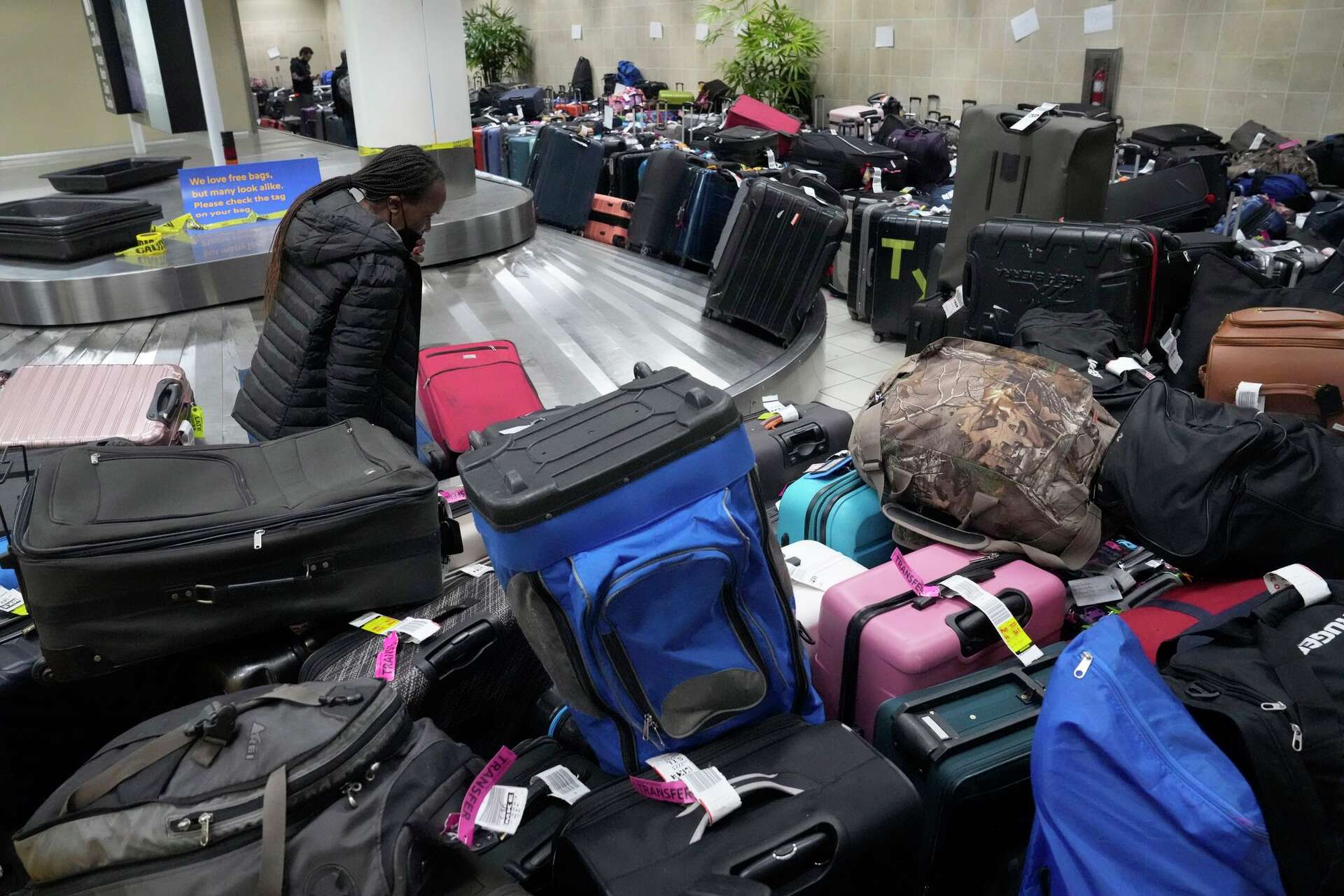
Airlines face severe operational pressures driven by a combination of chronic staff shortages, aging infrastructure, congested airspace, and rising passenger demand. This systemic strain manifests as widespread flight cancellations, massive delays, and disrupted itineraries. Resolving this ongoing travel chaos requires a multi-pronged approach involving modernization of air traffic control systems, stricter enforcement of passenger rights, and long-term workforce expansion.
The Anatomy of Modern Air Travel Disruption
The contemporary aviation ecosystem operates on razor-thin margins and highly optimized schedules. When a single element fails, the resulting disruption cascades rapidly across national and international networks. Understanding why airlines find themselves in trouble requires examining the structural vulnerabilities that have accumulated over the past decade.
At the heart of the issue is a systemic mismatch between surging post-pandemic passenger volumes and the physical capacity of global aviation infrastructure. Airports designed for lower passenger throughput now handle record numbers of travelers. When combined with extreme weather events intensified by shifting climate patterns, these constraints push airlines and airports past their breaking points.
Furthermore, the aviation sector operates within a tightly interconnected web. A delay originating at a major hub like Chicago O'Hare or London Heathrow can ripple through regional airports within hours, stranding crews and aircraft out of position. This operational fragility turns minor mechanical glitches or brief thunderstorms into multi-day scheduling crises.
Core Drivers Behind Surging Travel Chaos
Multiple distinct factors converge to create the daily operational failures experienced by modern travelers. These issues span human capital, technological limitations, and supply chain bottlenecks.
Workforce Shortages and Retention Crises
The aviation industry shed thousands of experienced workers during the initial economic contractions of the early 2020s. While passenger demand rebounded sharply, rehiring and training replacements proved exceptionally slow.
- Pilot Shortages: Training a commercial airline pilot requires years of specialized instruction and thousands of flight hours. Regional carriers, which feed traffic into major airline hubs, faced the most acute deficits as major airlines aggressively recruited their cockpit crews.
- Air Traffic Controller Deficits: Government-operated air traffic control agencies struggle with chronic understaffing. The Federal Aviation Administration (FAA) and European counterparts have repeatedly reported controller shortages, forcing them to mandate capacity reductions at busy airports.
- Ground Handling and Maintenance Staff: Baggage handlers, ramp agents, and certified aircraft mechanics are in short supply. Without adequate ground crews, aircraft turnarounds take longer, increasing gate congestion and departure delays.
Aging Air Traffic Control Infrastructure
Much of the technology guiding commercial aircraft relies on decades-old infrastructure. While modern aircraft possess advanced avionics, they frequently communicate with ground stations using legacy radar and radio systems. Upgrading these national airspace systems requires massive capital investments and prolonged periods of integration, leaving the system vulnerable to technological bottlenecks and equipment failures.
Supply Chain Bottlenecks and Aircraft Delivery Delays
Major aircraft manufacturers like Boeing and Airbus have faced persistent supply chain disruptions, limiting their ability to deliver new, fuel-efficient planes on schedule. Simultaneously, maintenance facilities face shortages of spare parts, particularly for engines. This forces airlines to keep older aircraft in service longer, increasing the frequency of unexpected mechanical delays and cancellations.
Strategic Solutions for Fixing the System
Addressing travel chaos requires coordinated action from airlines, regulatory bodies, and governments. Piecemeal fixes cannot resolve structural deficiencies that span the entire aviation supply chain.
| Stakeholder | Primary Remediation Strategy |
|---|---|
| Airlines | Buffer schedules, improve crew pay, and upgrade predictive maintenance software. |
| Regulatory Bodies (FAA/EASA) | Accelerate air traffic control upgrades and enforce strict passenger protections. |
| Airports | Expand terminal capacity and streamline baggage handling automation. |
Modernizing Air Traffic Control Systems
Governments must prioritize capital injection into air traffic control modernization. Transitioning entirely to satellite-based navigation and digital communication systems will increase airspace capacity and safety. Additionally, streamlining the hiring, vetting, and training pipelines for air traffic controllers is essential to alleviate chronic staffing deficits.
Rebuilding Airline Schedule Integrity
Airlines must abandon overly aggressive scheduling models. During periods of peak demand, carriers frequently schedule flights close to maximum capacity without leaving operational buffers for weather or minor mechanical issues. Building resilience into timetables—such as allocating longer turnaround times at gates and maintaining reserve flight crews—reduces the severity of cascading delays.
Enforcing Robust Consumer Protection Laws
Clear and enforceable regulatory standards incentivize airlines to prioritize operational reliability. When carriers face severe financial penalties for controllable cancellations and delays, executive leadership is more likely to invest in workforce retention and infrastructure redundancy rather than short-term cost-cutting.
Navigating Travel Disruption as a Passenger
While systemic reforms take time to manifest, travelers can adopt proactive strategies to minimize their exposure to travel chaos.
- Book Direct Flights: Nonstop itineraries eliminate the risk of missing connecting flights due to delays at intermediate hubs.
- Select Early Morning Departures: Flights departing at the crack of dawn are historically less susceptible to cascading delays accumulated throughout the day.
- Utilize Airline Mobile Applications: Real-time push notifications often alert passengers to gate changes or schedule adjustments before airport staff can make public announcements.
- Know Your Rights: Familiarize yourself with regional passenger rights regulations—such as Department of Transportation guidelines in the United States or EU261 in Europe—to claim compensation or mandatory rebooking when disruptions occur.
Frequently Asked Questions
Why are flight delays and cancellations happening so frequently?
Frequent travel disruptions stem from a combination of chronic workforce shortages across pilots, controllers, and ground crew, alongside aging air traffic control infrastructure and aggressive airline scheduling that lacks operational buffers.
How can I protect my travel plans from sudden cancellations?
To minimize risk, book nonstop morning flights, download your airline's mobile app for real-time alerts, and allow ample connection time if layovers are unavoidable. Purchasing comprehensive travel insurance can also cover unexpected lodging expenses.
Are airlines legally required to compensate passengers for delays?
Compensation requirements depend heavily on jurisdiction and the cause of the delay. In the European Union, strict rules mandate financial compensation for controllable delays over three hours. In the United States, regulations focus primarily on refunds for canceled flights, though recent policy updates push for clearer airline-funded accommodation rules.
What should I do if my flight is canceled at the airport?
Immediately join the customer service line while simultaneously using the airline's mobile app or calling their customer support hotline. Connecting with an agent via phone often secures a rebooking faster than waiting physically at the gate counter.
Is the pilot shortage expected to resolve soon?
While major carriers have ramped up hiring and training pipelines, bridging the gap for regional and mainline carriers will take several years due to the extensive training hours required to certify commercial pilots.
Taking Action for Reliable Travel
Resolving the crisis in commercial aviation requires sustained pressure from consumers, decisive investments from airline executives, and legislative backing for infrastructure modernization. Travelers should remain vigilant, plan itineraries with built-in operational buffers, and hold carriers accountable through established regulatory channels. By understanding the root causes of travel chaos, stakeholders can collectively steer the industry toward greater stability and efficiency.