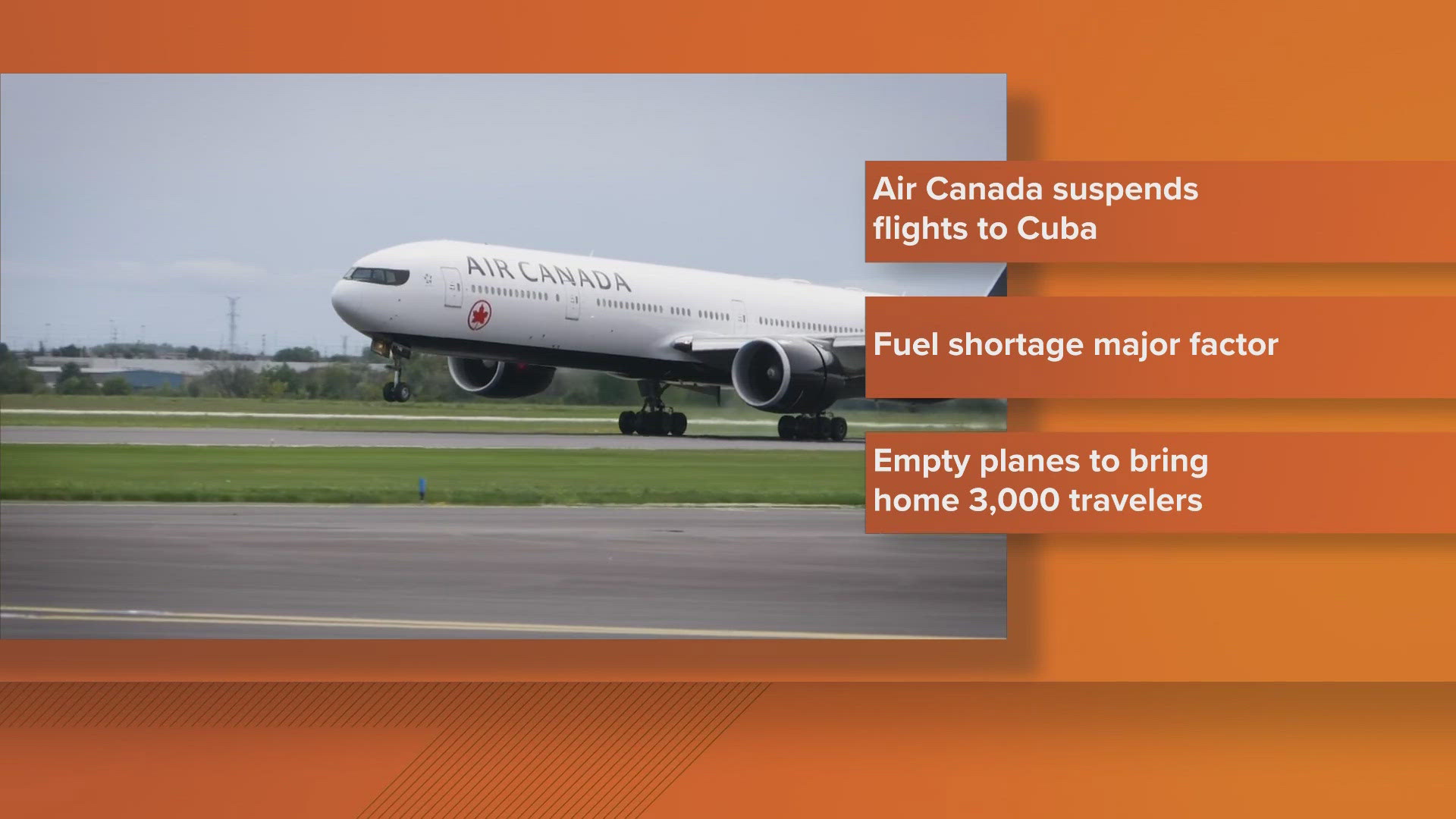
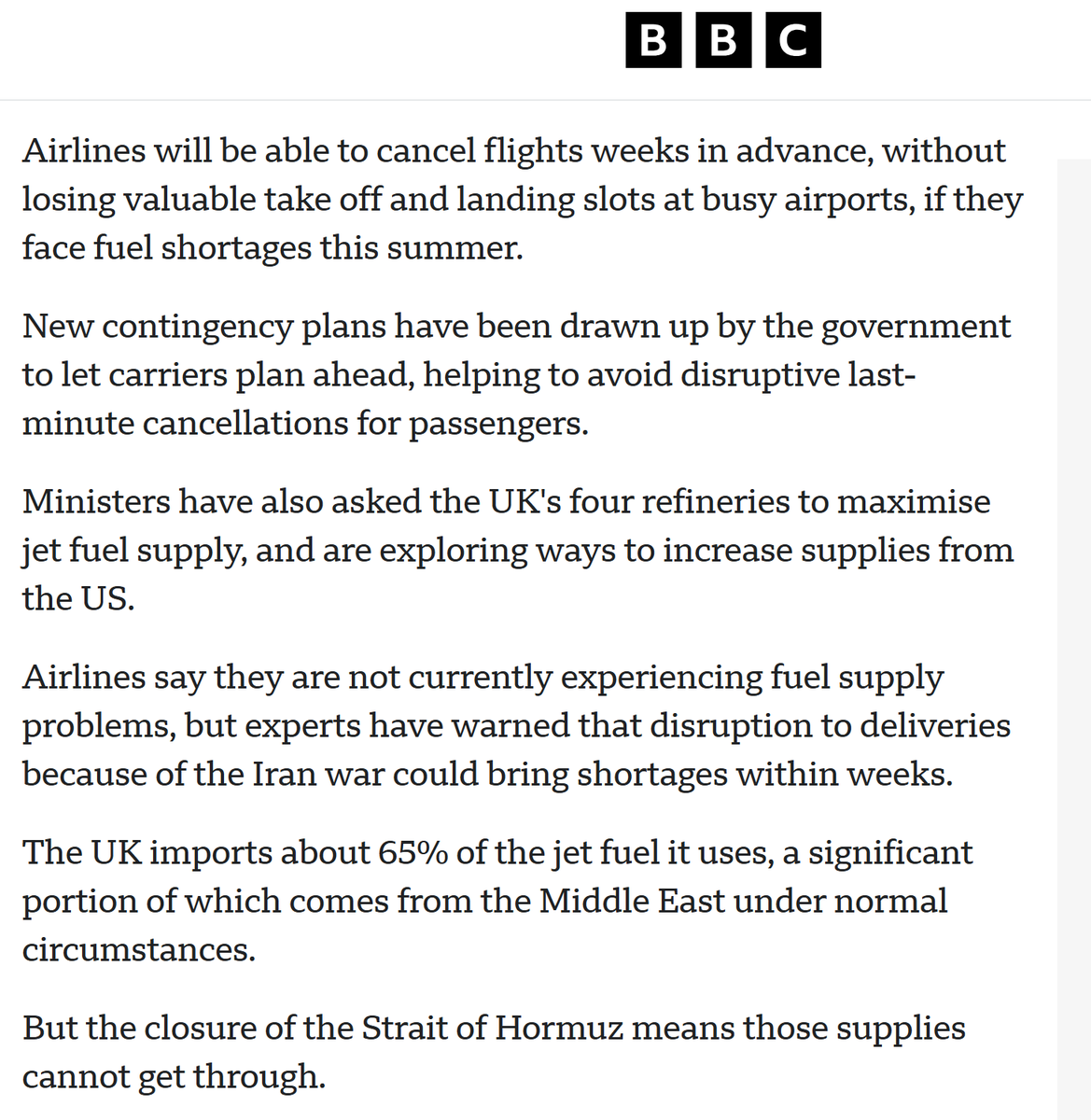
Airlines cancel flights due to fuel shortages when regional supply chain disruptions, refinery outages, or soaring jet fuel demand outstrip available airport inventories, forcing carriers to scale back operations, implement mid-route technical stops, or ground aircraft entirely to maintain regulatory safety reserves.
When aviation fuel supplies run low at key hubs or regional airports, commercial carriers face immediate operational constraints that ripple across global travel networks. Jet fuel, structurally distinct from automotive gasoline or diesel, cannot be easily substituted with alternative commercial mixtures without rigorous certification. Consequently, unexpected refinery maintenance, pipeline disruptions, distribution bottlenecks, or sudden spikes in air traffic demand can trigger acute supply deficits. Understanding how these crises develop, how airlines manage fuel burn, and what passenger rights apply during these disruptions is essential for minimizing travel friction and protecting your financial investment.
Understanding the Roots of Aviation Fuel Shortages
Aviation fuel, designated primarily as Jet A or Jet A-1, represents one of the largest and most volatile operating expenses for commercial airlines. Unlike the retail fuel market, which draws from widespread petroleum distribution networks, jet fuel relies on a specialized infrastructure of dedicated pipelines, specialized storage facilities at or near airports, and direct refinery outputs. A disruption at any single point in this supply chain can quickly isolate an airport from its necessary reserves.
Refinery outages play a major role in creating regional deficits. Jet fuel shares the same distillation window as diesel and heating oil. When refineries undergo unplanned maintenance, switch production profiles to meet seasonal heating oil demands, or face power grid failures, overall jet fuel yields drop precipitously. Furthermore, transportation bottlenecks—such as low water levels on barge-transport rivers, rail worker strikes, or trucking shortages—prevent bulk fuel from reaching airports that lack direct pipeline connectivity.
Compounding these supply vulnerabilities are demand surges. Following periods of rapid global travel recovery, such as the travel seasons seen throughout the 2020s, consumption frequently outpaces refinery capital investments. When multiple carriers increase flight frequencies simultaneously, airport fuel farm inventories deplete faster than delivery trucks or pipelines can replenish them, forcing airport authorities to issue emergency rationing directives known as "allocation protocols."
How Airlines and Airports Manage Critical Fuel Inventories
When fuel supplies become constrained, airport operators and fuel consortiums—groups of airlines that collectively manage an airport's fuel farm—implement strict mitigation strategies. The first line of defense is fuel allocation. Consortiums may cap the maximum volume of fuel each airline can uplift, requiring carriers to adjust their flight planning to ensure aircraft can safely complete their journeys without running below mandated legal reserves.
To operate under allocation rules, flight dispatchers and pilots utilize specialized weight and fuel optimization techniques:
- Tankering Adjustments: Airlines typically practice "fuel tankering," which involves carrying extra fuel from a destination where it is cheap or abundant to avoid refueling at expensive or constrained stations. During shortages, this practice is banned or restricted to prevent depleting local inventories further.
- En-Route Technical Stops: If a departure airport lacks sufficient fuel for a long-haul aircraft to reach its destination, airlines will insert an unscheduled refueling stop at an intermediate airport with stable fuel supplies.
- Payload Restrictions: To reduce fuel burn on critical routes, airlines may limit cargo weight or block a percentage of passenger seats, effectively lightening the aircraft to extend its operational range on a smaller fuel load.
If these operational adjustments prove insufficient to maintain safe reserve margins, airlines have no choice but to consolidate schedules and cancel specific flights. Priority is typically given to high-volume trunk routes and hub connections, leaving regional feeder routes and secondary destinations vulnerable to immediate cancellation.
Passenger Rights and Regulatory Protections During Fuel Cancellations
Navigating flight cancellations caused by fuel shortages requires a clear understanding of passenger rights under regional regulatory frameworks. While weather events and air traffic control strikes are frequently classified under "extraordinary circumstances" or force majeure, the legal standing of supply chain failures, such as fuel shortages, is more nuanced and often favors the consumer.
Under major aviation jurisdictions, such as the European Union's Regulation (EC) No 261/2004 or similar national passenger protection laws, operational failures within an airline's control or standard commercial scope generally do not exempt carriers from compensation liabilities. Because fuel procurement is a standard commercial and logistical responsibility of the airline, a shortage originating from poor supply contract management or failure to secure adequate uplift agreements is typically classified as an airline-induced cancellation rather than an extraordinary circumstance.
| Jurisdiction / Regulation | Compensation Eligibility | Re-routing & Care Obligations | Refund Timeline |
|---|---|---|---|
| European Union (EU261) | Eligible, unless proven to be caused by extraordinary external events (e.g., natural disaster closing all regional fuel pipelines). | Right to immediate re-routing at the earliest opportunity or at a later date, plus meals, communications, and hotel accommodation if overnight delay is required. | Full refund within 7 days if the passenger chooses not to travel on a re-routed flight. |
| United States (DOT Regulations) | No statutory cash compensation for delays or cancellations; however, airlines must provide prompt refunds if the flight is canceled and the passenger declines re-booking. | Mandatory full cash refund for canceled or significantly delayed flights when the passenger chooses not to travel; hotel and meal policies vary by airline commitment plans. | Refund within 7 days for credit card purchases and 20 days for cash purchases. |
| United Kingdom (UK 261) | Eligible under rules mirroring EU261 post-Brexit, covering flights departing from UK airports or arriving on UK/EU carriers. | Comparable re-routing and care standards, including food, drink, and lodging provisions during extended waits. | Full refund processed promptly upon passenger request. |
Passengers must verify whether their specific ticket falls under local consumer protection laws based on the origin, destination, and the operating carrier's home country. Maintaining detailed documentation of all communications with the airline is critical for supporting claims.
Practical Steps to Protect Your Travel Plans
When fuel shortages threaten regional or global aviation networks, proactive travelers can implement specific strategies to mitigate disruptions, protect their schedules, and secure alternative routing before airport chaos peaks.
- Monitor Flight Status and Operational Advisories: Check your airline's mobile application and official airport website 24 to 48 hours before departure. Look for notices regarding schedule adjustments, aircraft changes, or fuel allocation alerts at your departure or connection hubs.
- Avoid Regional Feeder Hubs When Possible: If fuel shortages are localized to smaller regional airports reliant on trucking logistics, choose itineraries that route through major international hubs connected by robust, multi-source pipeline infrastructure.
- Know Your Re-booking Options Instantly: If your flight is canceled, do not wait exclusively in the physical airport service queue. Simultaneously use the airline's mobile app, customer service chat features, or telephone hotline to secure alternative seats before inventory depletes.
- Review Credit Card and Travel Insurance Coverage: Check the trip interruption and cancellation benefits associated with the credit card used to purchase your ticket. Premium travel credit cards often provide coverage for hotel stays, meals, and emergency transport when common carrier disruptions occur.
Frequently Asked Questions
What causes a sudden jet fuel shortage at an airport?
Jet fuel shortages typically result from a combination of refinery outages, pipeline maintenance delays, logistical bottlenecks in trucking or rail transport, and sudden spikes in commercial flight demand that outpace existing storage inventories at airport fuel farms.
Are airlines required to compensate passengers if a flight is canceled due to fuel shortages?
Under strict consumer protection frameworks like EU261, fuel shortages are generally considered an operational issue within the airline's control rather than an extraordinary circumstance, making affected passengers eligible for statutory compensation unless the shortage stems from an unavoidable external crisis such as a regional energy embargo or natural disaster.
How do airlines manage flying when fuel is rationed?
Airlines manage fuel rationing by adjusting flight plans, eliminating heavy fuel tankering, adding intermediate technical refueling stops, reducing cargo weight, and canceling low-priority or redundant flights to preserve fuel for primary routes.
Can I get a full refund if my flight is canceled due to a fuel shortage?
Yes. Regardless of the jurisdiction or the specific reason for cancellation, if an airline cancels your flight and you choose not to accept an alternative re-routed flight, you are legally entitled to a full, prompt refund of your ticket price.
How can I check if my airport is experiencing fuel allocation issues?
Airlines and airport authorities rarely publish detailed fuel inventory levels publicly for security and operational reasons, but travelers can monitor aviation news outlets, notice-to-airmissions (NOTAM) filings regarding fuel availability, and airline operational advisories for warning signs.
Next Actions and Strategic Recommendations
If you are planning upcoming travel during periods of documented energy supply volatility or refinery maintenance seasons, prioritize booking non-stop flights on major mainline carriers rather than multi-leg itineraries involving regional feeder aircraft. Ensure your travel insurance or premium credit card protections are active and confirmed before departure. Should a cancellation occur due to fuel constraints, immediately assert your rights to a prompt refund or re-routing, request written confirmation of the cancellation reason from gate agents, and utilize digital booking channels to secure the fastest alternative path to your destination.