Traveling by air with a canine companion requires meticulous preparation, adherence to strict carrier regulations, and an understanding of animal behavior to ensure a smooth journey for both pet and owner. Navigating airline rules for dogs on airplanes fly stress-free involves decoding complex transport policies, selecting the appropriate carrier style, obtaining necessary health documentation, and conditioning your dog to the airport environment long before departure day.
Understanding Major Airline Pet Policies and Classifications
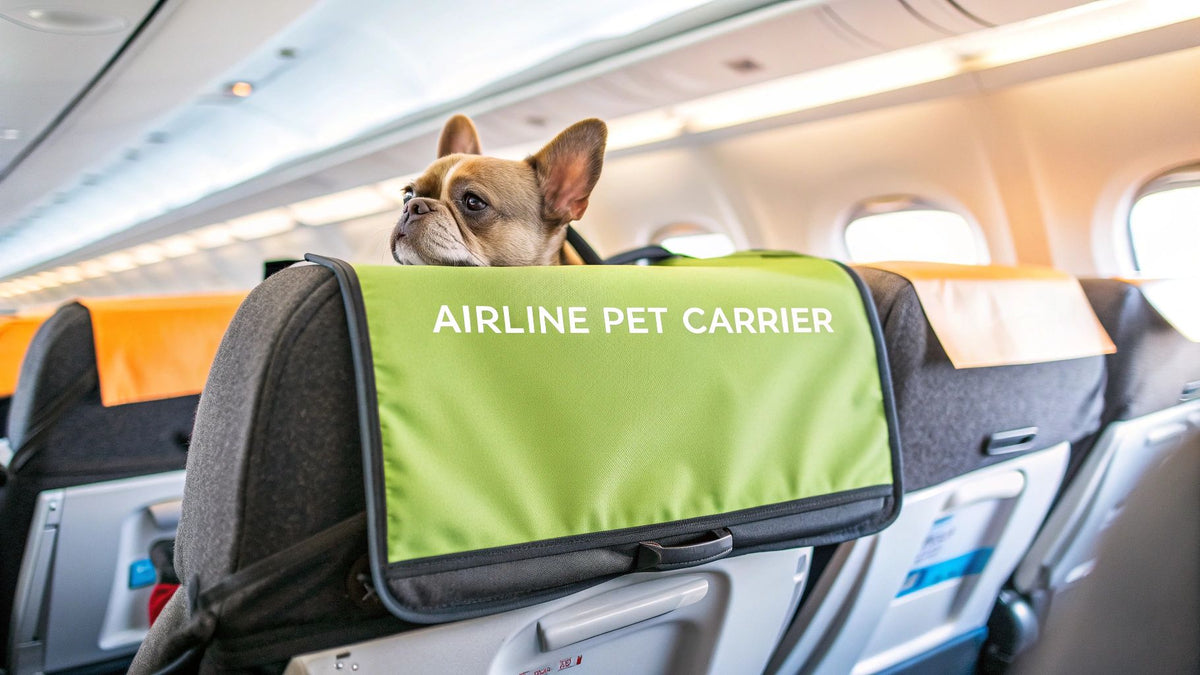
Commercial aviation divides pet travel into three primary categories: in-cabin transport, checked baggage, and cargo hold transport. Each tier operates under distinct regulatory frameworks governed by the Federal Aviation Administration, the Department of Transportation, and individual airline safety manuals. In-cabin travel is generally restricted to small dogs that can fit comfortably inside an approved soft-sided or hard-sided carrier beneath the seat in front of you. Airlines enforce rigid dimensions for these containers, usually ranging around 17 x 12 x 8 inches, though exact measurements vary significantly by carrier.
Medium and large dogs that exceed cabin weight limits—typically capped between 20 and 30 pounds inclusive of the carrier—must travel as cargo or checked baggage, depending on the airline. However, many major commercial carriers have permanently restricted live animals from flying in cargo or baggage compartments due to temperature control concerns and safety hazards, forcing owners to rely on specialized pet transport services or airlines that maintain climate-controlled animal holds. International travel introduces an additional layer of complexity, as destination countries enforce stringent quarantine periods, microchip requirements, and localized rabies vaccination validity windows that supersede domestic airline guidelines.
Preparing Essential Documentation and Health Certifications
Before booking a ticket, owners must assemble a comprehensive veterinary dossier. Most commercial airlines and international destination authorities require a health certificate issued by a licensed veterinarian within a specific timeframe—usually 10 days before travel. This document must certify that the dog is free of infectious diseases, fit to fly, and up to date on core vaccinations, most notably rabies.
International flights demand even greater scrutiny. Many nations require a USDA-endorsed health certificate, an ISO-compliant 15-digit microchip implanted prior to the rabies booster, and occasionally a rabies titer blood test to prove antibody immunity. Neglecting a single administrative detail can result in immediate denial of boarding or mandatory quarantine upon arrival. It is equally important to review the airline's specific liability waiver forms, which passengers must sign at the check-in counter, acknowledging the health risks associated with air travel for animals.
| Airline Travel Type | Typical Weight Limit | Carrier Placement | Core Documentation Required |
|---|---|---|---|
| In-Cabin | 20–30 lbs (incl. carrier) | Stowed beneath the seat | Health certificate, rabies tag, reservation |
| Checked Baggage | Varies by carrier | Climate-controlled hold | USDA health form, USDA endorsement, IATA crate |
| Cargo Transport | Varies by carrier | Pressurized animal hold | International veterinary clearance, import permit |
Selecting and Conditioning the Right Travel Carrier
The cornerstone of a stress-free flight is the carrier or crate. For in-cabin travel, soft-sided carriers with mesh ventilation panels on multiple sides are preferred because they can slightly compress to fit under tight seat configurations while allowing the dog to see its owner. For cargo or checked baggage, the International Air Transport Association enforces strict specifications: crates must be rigid, escape-proof, adequately ventilated on all four sides, large enough for the dog to stand, turn around, and lie down comfortably, and secured with metal nuts and bolts rather than plastic snaps.
Crate training should begin weeks or months before the flight. Forcing a dog into an unfamiliar carrier on the day of departure triggers severe anxiety, panting, and distress. Owners should place the carrier in a common living area, line it with absorbent pads and familiar bedding, and encourage the dog to enter voluntarily using treats and positive reinforcement. Gradually increase the duration the dog spends inside the carrier with the door closed, and simulate motion by carrying the crate around the house or taking short trips in a vehicle.
Managing Airport Security and Terminal Logistics
Navigating airport terminals with a dog introduces unique procedural hurdles, particularly during security screening. Transportation Security Administration regulations require that passengers remove their dog from its carrier before passing through the metal detector or advanced imaging technology.
- Secure your dog with a reliable harness and a standard, non-retractable leash before unzipping the carrier.
- Collapse and fold the empty carrier so it can be placed through the X-ray machine conveyor belt along with your personal items.
- Walk or carry your dog through the screening checkpoint. If your dog cannot walk through the metal detector, security personnel will conduct a secondary pat-down and explosive trace detection swab of your hands.
- Request a private screening room if you are concerned your dog may bolt in the busy, loud terminal environment.
- Immediately return the dog to its secure carrier on the other side of the checkpoint before gathering your remaining luggage.
Once through security, locate the terminal's designated pet relief area. Most modern airports feature indoor pet relief stations equipped with artificial turf, waste disposal bags, and wash basins, allowing your dog to eliminate waste before boarding. Avoid feeding your dog heavy meals for four to six hours prior to departure to minimize the risk of motion sickness or digestive accidents, though providing small amounts of water or ice chips during layovers is recommended.
Mitigating Stress and Physiological Anxieties
Achieving a truly stress-free travel experience requires careful consideration of your dog's physiological and psychological well-being. Pharmaceutical sedation for flying dogs is a heavily debated topic among veterinary professionals. Major veterinary associations, including the American Veterinary Medical Association, generally advise against tranquilizers or sedatives for animals traveling in cargo or cabin environments. Sedation can impair cardiovascular and respiratory function, lower blood pressure, and reduce a dog's ability to maintain balance and regulate body temperature in fluctuating pressure environments.
Instead of sedatives, focus on natural calming aids and behavioral adaptation. Pheromone-infused collars, anxiety wraps, and natural calming supplements containing chamomile or L-theanine can help take the edge off a nervous animal without compromising physiological stability. Acclimate your dog to ambient airport sounds by playing recorded terminal noises at home. Wear an unwashed t-shirt or place a favorite toy inside the carrier to provide olfactory comfort throughout the journey. If your dog experiences severe, panic-induced phobias, consult a licensed veterinarian for specialized behavioral modification strategies or prescription anxiolytics specifically evaluated for safety at cruising altitude.
Frequently Asked Questions
What are the main differences between emotional support dogs and service dogs under airline rules?
Under current Department of Transportation regulations, commercial airlines are no longer required to recognize emotional support animals as service animals. Emotional support dogs must travel under standard pet rules, subject to carrier fees, size limitations, and in-cabin carrier requirements. Specially trained service dogs that perform tasks for individuals with disabilities retain the right to fly in the cabin free of charge, provided they meet specific behavioral and documentation standards.
Can I feed or give water to my dog during the flight?
You should avoid feeding your dog a heavy meal within four to six hours of departure to prevent nausea and motion sickness during takeoff and landing turbulence. For in-cabin travel, you can offer small amounts of water or ice chips during the flight using a spill-proof travel bowl. For cargo travel, attach a small, fixed water dish to the inside of the crate door so airline personnel can refill it during layovers without opening the main enclosure.
Are brachycephalic dog breeds allowed to fly on airplanes?
Many commercial airlines restrict or outright ban brachycephalic, or short-nosed, breeds—such as Pugs, French Bulldogs, and English Bulldogs—from traveling in cargo holds due to severe respiratory vulnerabilities exacerbated by stress, high temperatures, and altitude pressure changes. Some airlines permit these breeds to travel in the cabin if they fit inside an approved carrier, but you must verify individual airline breed embargoes well in advance.
What should I do if my flight is delayed while traveling with a dog?
If your flight experiences a prolonged delay or cancellation, immediately contact the airline's customer service desk to prioritize pet accommodations. Locate the nearest indoor pet relief area to allow your dog to stretch and eliminate waste. Keep a portable collapsible bowl, bottled water, and extra waste bags easily accessible in your carry-on luggage to handle unexpected layovers comfortably.
Do all airlines charge the same pet fee for in-cabin travel?
Airline pet fees vary widely, typically ranging from $95 to $150 each way per pet on domestic flights, with international fees often running significantly higher. These fees are non-refundable and must be paid at the time of booking or during check-in. Because cabin space for pets is strictly limited per flight—often capped at two to six animals total—you must reserve your pet's spot immediately after purchasing your own ticket.
Strategic Preparation for Departure Day
A successful flight with your canine companion hinges on eliminating last-minute chaos. Arrive at the airport at least two hours early for domestic flights and three hours early for international journeys to accommodate manual check-in procedures, security screening, and pet documentation verification. Double-check that your dog's collar features an up-to-date microchip tag with your current mobile phone number. By aligning your preparation with strict carrier rules, prioritizing your dog's health and comfort, and managing terminal logistics calmly, you can navigate airline regulations and achieve a safe, stress-free travel experience.