Navigating airline rules requires understanding a complex framework of federal regulations, international treaties, and individual carrier contracts of carriage that govern everything from baggage allowances and ticket modifications to passenger rights and safety compliance.
When preparing for commercial air travel, passengers often encounter a bewildering array of policies dictating how they must pack, check in, board, and behave. While major aviation authorities like the Federal Aviation Administration (FAA) in the United States and the European Union Aviation Safety Agency (EASA) establish baseline safety mandates, commercial carriers retain significant autonomy in setting operational policies, pricing structures, and service conditions. Understanding these parameters ensures a smoother journey, minimizes unexpected fees, and empowers travelers to assert their rights during disruptions.
The Foundation of Air Travel: Contracts of Carriage and Regulatory Authorities
At the core of all airline operations is the Contract of Carriage. This legally binding agreement between the passenger and the airline outlines the rights, duties, and liabilities of both parties. When a traveler purchases a ticket, they implicitly accept these terms, which are usually accessible via the carrier’s official website. These documents detail policies on flight cancellations, schedule changes, denied boarding compensation, and baggage liability.
Overarching these private contracts are national and international regulatory frameworks designed to protect consumer interests and ensure aviation safety. In the United States, the Department of Transportation (DOT) enforces consumer protection rules, mandating transparency in fare advertising, timely refunds for canceled flights, and specific compensations for tarmac delays exceeding set time limits. Internationally, treaties such as the Montreal Convention govern airline liability for lost, damaged, or delayed baggage, as well as passenger injury or death during international carriage, establishing baseline financial recovery limits measured in Special Drawing Rights (SDRs).
Baggage Allowances, Dimension Limits, and Fee Structures
Baggage policies represent one of the most frequent sources of passenger confusion and unexpected expenditure. Airlines generally divide baggage into three categories: personal items, carry-on bags, and checked luggage. Each category is subject to strict weight and dimension limits that vary significantly between legacy carriers and ultra-low-cost carriers.
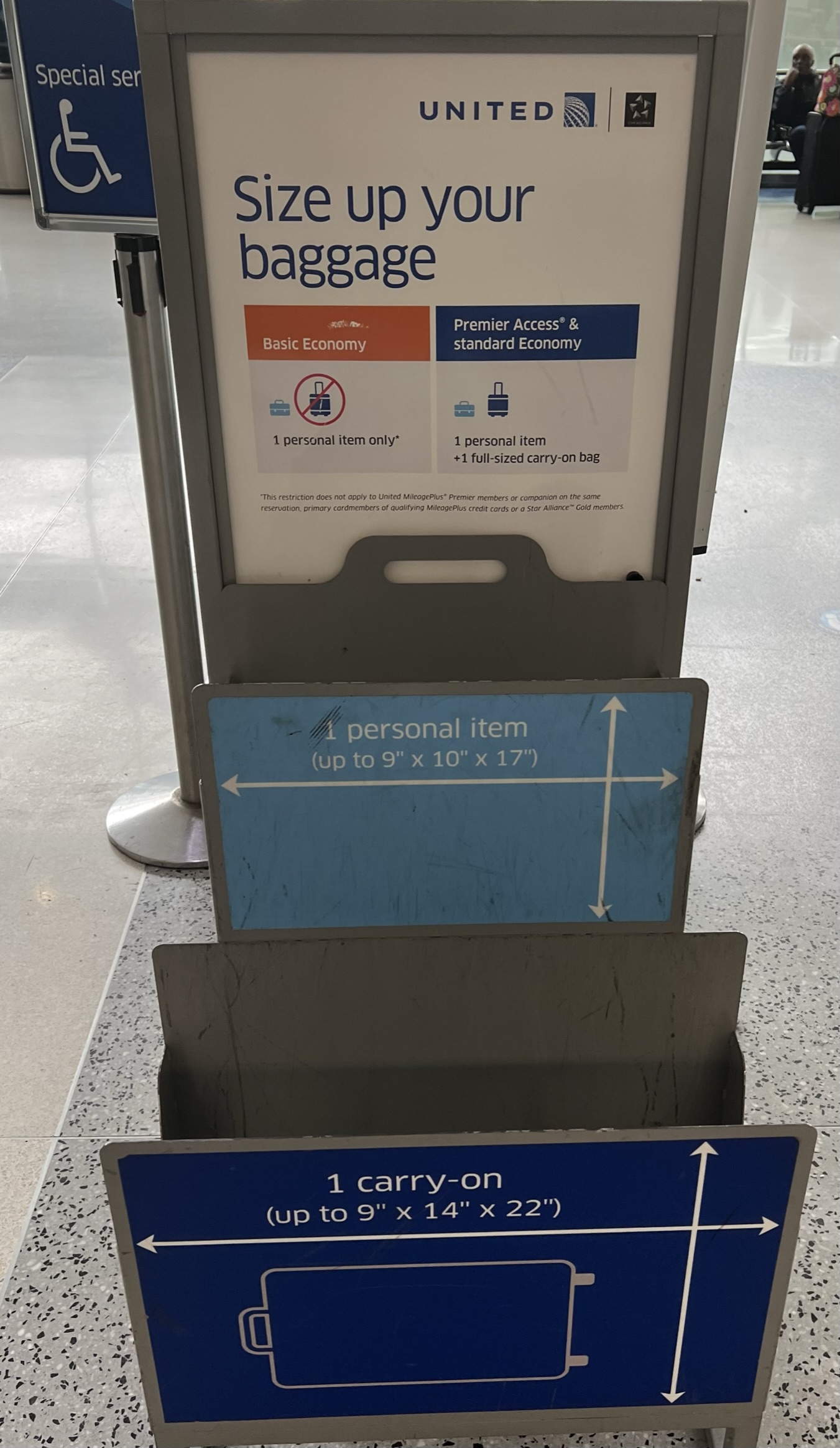
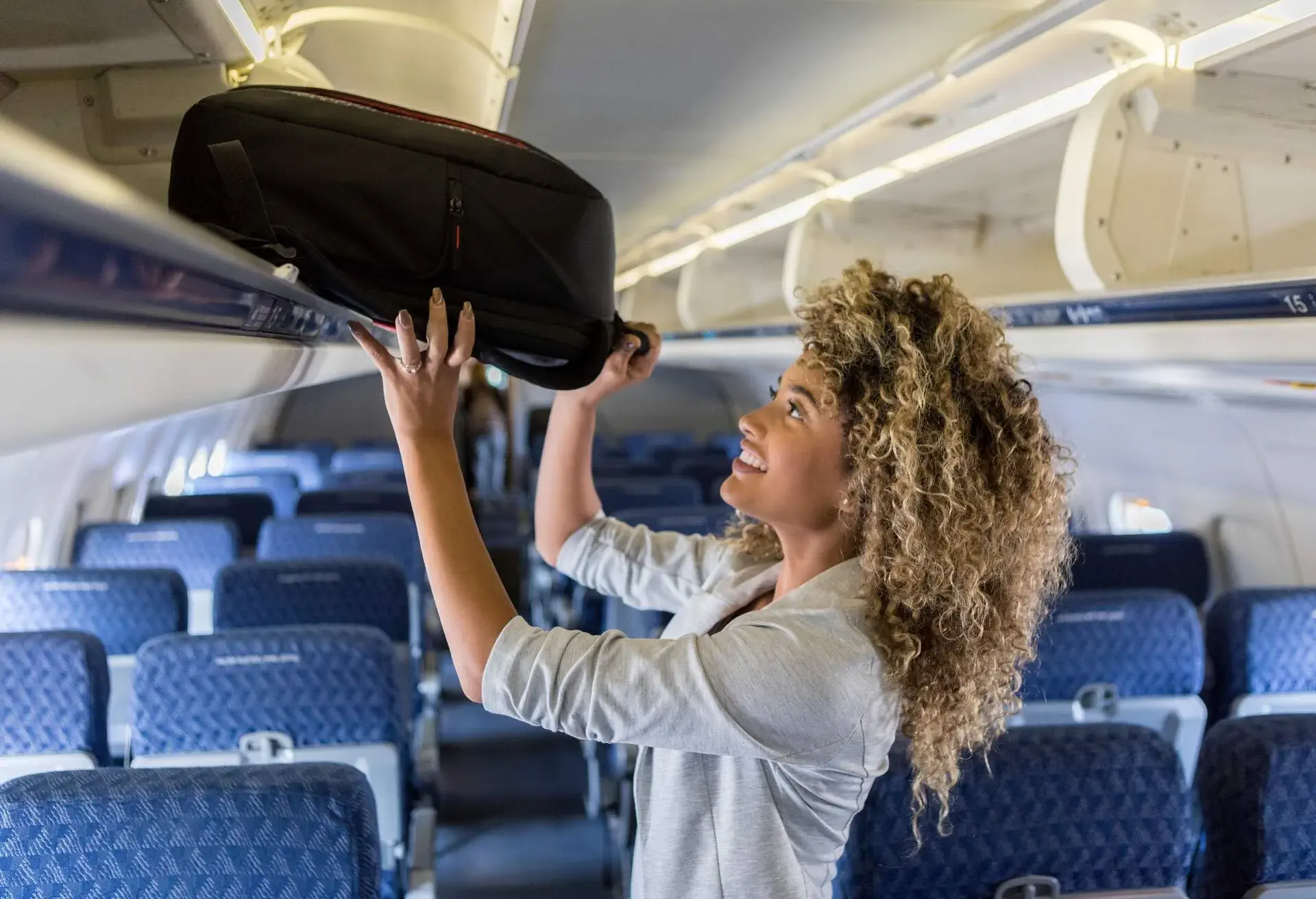
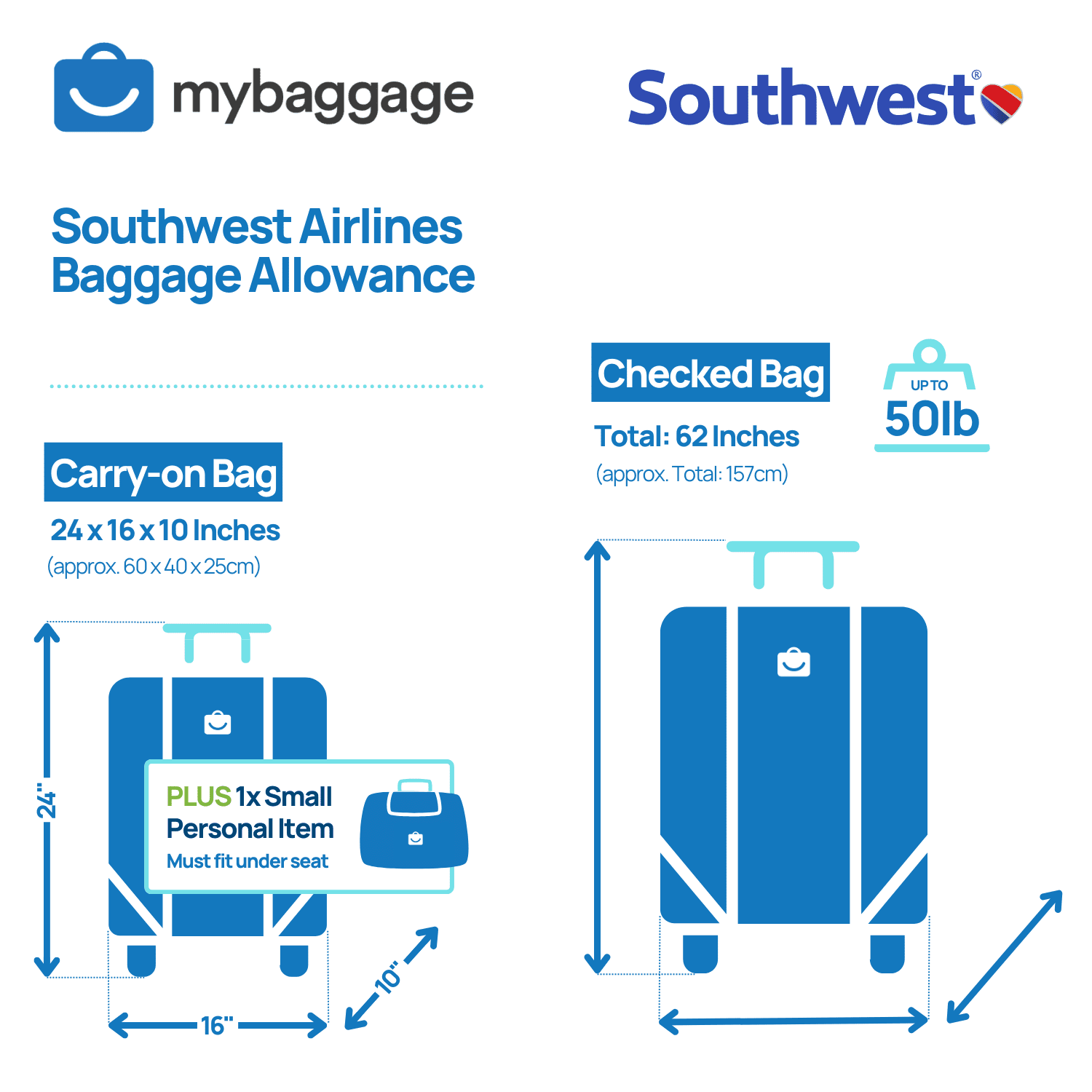
A personal item typically includes a purse, laptop bag, or small backpack that must fit completely under the seat in front of the passenger. Carry-on bags are larger, designed for overhead bins, and subject to maximum linear dimension restrictions—often around 22 x 14 x 9 inches (56 x 36 x 23 cm). Checked baggage allowances depend heavily on the fare class purchased, elite frequent flyer status, or co-branded credit card ownership. Exceeding weight thresholds—commonly set at 50 pounds (23 kg) or 70 pounds (32 kg) for standard economy and business classes respectively—triggers heavy overweight baggage fees.
| Baggage Category | Typical Dimension Limits | Common Weight Restrictions | Additional Considerations |
|---|---|---|---|
| Personal Item | 18 x 14 x 8 inches (45 x 35 x 20 cm) | None specified (must fit under seat) | Must fit fully without protruding into aisle |
| Carry-On Bag | 22 x 14 x 9 inches (56 x 36 x 23 cm) | 15–35 lbs (7–15 kg) depending on carrier | Subject to gate-checking if bin space runs out |
| Checked Bag | 62 linear inches (length + width + height) | 50 lbs (23 kg) standard; 70 lbs (32 kg) premium | Overweight and oversized items incur extra fees |
Ticketing, Fare Classes, and Change Policies
Modern airline pricing relies on dynamic revenue management, dividing aircraft cabins into numerous fare classes, each tied to distinct operational rules. Understanding these rules is essential before booking, as economy tickets are frequently non-refundable and restrictive regarding changes or cancellations.
Basic economy fares usually represent the lowest upfront cost but come with severe operational constraints. Passengers holding these tickets are typically barred from selecting seats in advance, changing or canceling their itineraries, or bringing full-sized carry-on bags on certain carriers. Conversely, flexible or refundable tickets command a higher price but permit penalty-free schedule modifications and full cash refunds upon cancellation. Following regulatory updates by transport authorities in many jurisdictions, airlines are also required to provide a 24-hour grace period allowing travelers to cancel tickets booked at least a week before departure without penalty.
Passenger Rights During Delays, Cancellations, and Denied Boarding
Operational irregularities such as mechanical failures, adverse weather, and air traffic control congestion frequently disrupt flight schedules. Regulatory frameworks dictate how airlines must compensate and care for passengers affected by these disruptions, though rights vary widely depending on the jurisdiction of the flight.
In the European Union, Regulation (EC) No 261/2004 provides robust consumer protections, entitling passengers to fixed cash compensations ranging from €250 to €600 for cancellations or long delays originating from EU airports, unless caused by extraordinary circumstances beyond the airline's control. In contrast, United States regulations do not mandate cash compensation for domestic delays or cancellations; however, DOT rules require airlines to provide meal vouchers for significant delays and full refunds if a flight is canceled and the passenger chooses not to travel on a rebooked itinerary. For involuntary denied boarding due to overbooking, both U.S. and EU laws require carriers to solicit volunteers before bumping passengers and to pay escalating compensation based on the length of the delay introduced to the traveler's journey.
Security Directives and Prohibited Item Protocols
Airport security regulations are universally enforced by government agencies, such as the Transportation Security Administration (TSA) in the U.S. or national police forces across international hubs. These rules prioritize aviation security by restricting items permitted in the cabin and checked hold.
The restriction on liquids, aerosols, and gels in carry-on luggage—commonly known as the 3-1-1 rule—limits containers to 3.4 ounces (100 milliliters) placed inside a single transparent, resealable quart-sized or liter-sized bag. Exemptions exist for necessary medical liquids, infant formula, and prescription medications, though these require secondary screening. Furthermore, lithium-ion batteries, power banks, and electronic smoking devices must be carried exclusively in carry-on baggage and are strictly prohibited in checked luggage due to fire hazards associated with thermal runaway.
Special Assistance, Traveling with Pets, and Minor Policies
Airlines maintain specialized rules to accommodate passengers with unique travel requirements, ensuring accessibility and safety for all travelers.
- Accessibility and Medical Needs: Carriers must provide wheelchair assistance, priority boarding, and seating accommodations for passengers with disabilities without charging extra fees, provided advance notice is given.
- Traveling with Pets: Policies regarding pets in the cabin versus the cargo hold vary sharply by airline. Carriers usually limit the number of pets allowed in the cabin, mandate hard-sided or soft-sided ventilated carriers that fit under the seat, and require valid health certificates and rabies vaccination records for international routes. Service animals are subject to distinct federal documentation requirements, such as DOT animal behavior and health attestation forms.
- Unaccompanied Minors: Children traveling without an adult parent or guardian are subject to strict airline supervision rules. Carriers mandate specific age brackets, require escort fees, and dictate that minor-friendly itineraries be restricted to non-stop flights to minimize transfer complications.
Frequently Asked Questions
What happens if my carry-on bag exceeds the airline size limits at the gate?
If a gate agent determines that a carry-on bag exceeds permitted dimension or weight thresholds, the airline typically requires the bag to be checked into the aircraft cargo hold. This often incurs standard or punitive gate-check baggage fees, and in some ultra-low-cost carrier models, these fees are substantially higher than pre-purchased checked baggage rates.
Are airlines required to compensate me if weather cancels my flight?
Airlines are generally not required to pay cash compensation for flight cancellations or delays caused by severe weather or other extraordinary circumstances outside their operational control. However, carriers are still obligated to rebook passengers on the next available flight at no additional cost or issue a full refund if the passenger decides to abandon travel.
Can I pack lithium-ion power banks in my checked luggage?
No, lithium-ion batteries and spare power banks must be transported exclusively in carry-on baggage. When stored in checked luggage, these batteries pose a severe fire risk due to potential short-circuiting and thermal runaway in the unmonitored cargo hold.
How does the 24-hour ticket cancellation rule work?
Under Department of Transportation regulations in the United States, airlines must allow consumers to cancel a ticket without penalty and receive a full refund if the reservation was made at least seven days prior to the flight’s scheduled departure date and the cancellation request is submitted within 24 hours of booking.
What documents do I need to check when flying internationally?
International travel requires a valid passport with a minimum validity period—often six months beyond the planned return date—along with any necessary visas, electronic travel authorizations (such as ESTA or ETIAS), and sometimes proof of onward travel or vaccination certificates depending on the destination country's entry requirements.
Maximizing Compliance for a Seamless Journey
To ensure compliance with evolving airline rules, travelers should review their carrier’s specific Contract of Carriage and baggage guidelines 48 hours prior to departure. Checking-in online during the opening window helps secure preferred seat assignments and prevents last-minute gate surprises, while organizing digital and physical documentation streamlines both security screening and international border control processing.