Airline industry executive compensation balances complex operational risks, capital-intensive asset management, labor relations, and intense public scrutiny. Because commercial carriers operate on thin margins while managing massive fleets, high-stakes safety protocols, and volatile fuel markets, remuneration packages for chief executive officers and senior leadership teams are meticulously structured to align executive enrichment with long-term shareholder value and operational stability.
Publicly traded major carriers must disclose executive pay through regulatory filings such as proxy statements filed with the U.S. Securities and Exchange Commission. These disclosures reveal that airline executive compensation rarely consists solely of a cash base salary. Instead, it relies on a sophisticated mix of short-term annual incentives, multi-year performance-based equity awards, retention grants, and comprehensive benefit packages designed to retain top-tier aviation management talent amidst fierce global competition.
The Core Structure of Airline Executive Pay Packages
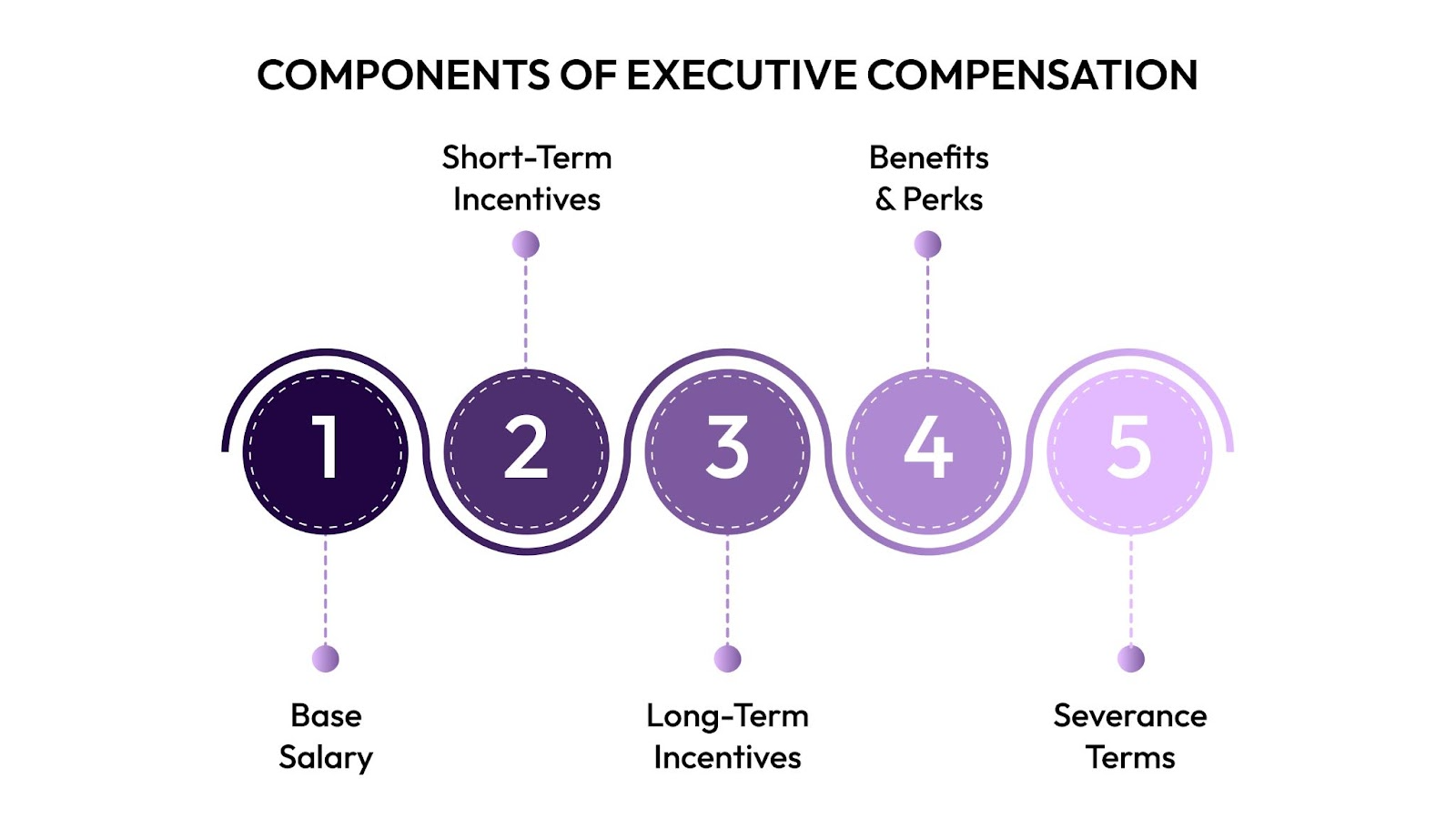
Executive compensation in the commercial aviation sector typically breaks down into four primary components: base salary, annual cash bonuses, long-term equity incentives, and perquisites. Each component serves a distinct strategic purpose in corporate governance, balancing guaranteed income with aggressive performance targets.
The base salary represents the fixed cash compensation component, providing a predictable financial baseline regardless of macroeconomic shocks or industry downturns. While base salaries for major airline CEOs are substantial—often ranging between $800,000 and $1,500,000 annually—they usually constitute a minor percentage of total direct compensation. The bulk of executive remuneration is variable and tied directly to performance metrics and stock market valuations.
Annual cash bonuses depend on the achievement of specific financial and operational milestones established by compensation committees at the beginning of each fiscal year. In the airline industry, these metrics frequently include unit revenue performance, operating margin expansion, on-time arrival rates, baggage handling accuracy, and safety compliance benchmarks. If a carrier experiences severe operational disruptions, fatal safety incidents, or extended labor disputes, compensation committees frequently exercise discretion to reduce or eliminate annual cash payouts, highlighting the accountability built into modern airline governance.
Long-Term Equity Incentives and Shareholder Alignment
Long-term incentives dominate the total compensation packages of airline executives, usually delivered through restricted stock units and performance shares. These instruments tie executive wealth directly to the performance of company shares over a three-to-five-year horizon, aligning leadership decisions with the interests of institutional and retail shareholders.
Performance-based restricted stock units require the carrier to meet specific financial thresholds relative to a peer group of competing airlines or broader market indices. Common performance benchmarks include total shareholder return, return on invested capital, and free cash flow generation. Because commercial aviation is heavily capital-intensive—requiring continuous multi-billion-dollar investments in aircraft fleets, terminal leases, and digital infrastructure—performance shares incentivize executives to allocate capital efficiently rather than pursuing unprofitable growth or short-term stock price manipulation.
| Compensation Component | Primary Purpose | Typical Performance Metrics | Risk Profile |
|---|---|---|---|
| Base Salary | Talent attraction and financial stability | None (Fixed annual amount) | Low |
| Annual Cash Bonus | Short-term operational and financial goals | Operating margin, on-time performance, safety | Moderate |
| Performance Shares | Multi-year strategic alignment | Total shareholder return, return on invested capital | High |
| Restricted Stock Units | Executive retention | Time-vesting criteria | Moderate |
Vesting schedules also act as retention tools. By staggering the vesting of equity awards over several years, airlines discourage executive poaching by competing carriers or private equity firms. Furthermore, clawback provisions have become standard across the industry. These legal mechanisms allow the board of directors to reclaim previously paid incentive compensation if financial statements are later restated due to material non-compliance or fraudulent activity, protecting shareholders from the consequences of misreported financial data.
Regulatory Disclosure and Governance Oversight
Transparency in airline executive compensation is enforced by regulatory bodies like the SEC through detailed proxy disclosures, known as Schedule 14A filings. These documents mandate clear reporting of total compensation figures, including the CEO pay ratio—a metric comparing the total compensation of the chief executive officer to the median compensation of all other company employees.
The public nature of these filings subjects airline executive pay to intense scrutiny from labor unions, institutional investors, and the media. During collective bargaining negotiations, labor representatives frequently examine executive compensation packages when evaluating airline profitability and wage proposals for pilots, flight attendants, and mechanics. Consequently, compensation committees must justify large payouts by demonstrating a clear, quantitative link between executive performance and shareholder returns.
Board oversight is managed entirely by independent compensation committees composed of non-executive directors. These committees hire independent compensation consultants to benchmark carrier pay structures against comparable Fortune 500 companies and peer airlines. This benchmarking ensures that compensation remains competitive enough to attract executives capable of navigating complex regulatory environments, geopolitical risks, and unionized workforces without triggering excessive shareholder dilution.
Historical Pressures and Crisis Adjustments
The structure of airline executive compensation has evolved significantly in response to systemic industry crises, most notably the post-9/11 downturn, the 2008 financial crisis, and the COVID-19 pandemic. During periods of severe financial distress, executive pay practices undergo dramatic temporary restructuring.
When the pandemic grounded global fleets in 2020 and federal payroll support programs were enacted under legislation like the Coronavirus Aid, Relief, and Economic Security Act, strict regulatory conditions were imposed on recipient carriers. These rules placed absolute caps on executive compensation, suspended stock buybacks, and restricted dividend payments for the duration of government assistance plus an additional year. Many airline executives voluntarily surrendered their base salaries entirely during the initial months of the crisis, relying instead on previously accumulated equity while navigating unprecedented operational shutdowns and cash preservation strategies.
These historical precedents demonstrate that executive compensation in aviation is not isolated from macroeconomic reality. When passengers stop flying and balance sheets face existential threats, leadership remuneration adjusts rapidly to reflect broader economic hardship and shared sacrifice among the workforce.
Common Pitfalls in Evaluating Executive Pay
When analyzing airline executive compensation data, financial analysts and stakeholders must avoid several common misinterpretations that can distort the true picture of leadership remuneration.
- Confusing Realized Pay with Granted Pay: The figures reported in summary compensation tables often reflect the estimated grant-date fair value of equity awards rather than cash received. If airline stock prices drop, the actual realized value of those shares can be substantially lower than proxy disclosures suggest.
- Ignoring Non-Cash Perquisites: While base salaries and bonuses dominate headlines, supplementary benefits such as personal use of corporate aircraft, security details, and tax gross-ups can add significant hidden value to executive packages.
- Overlooking Peer Group Skewing: Compensation committees occasionally select peer groups that inflate median pay figures, leading to upward pressure on executive salaries even when operational performance lags behind industry averages.
- Neglecting Severance and Change-in-Control Provisions: Golden parachutes—lucrative severance agreements triggered by mergers, acquisitions, or involuntary termination—represent significant contingent liabilities that must be evaluated independently of ongoing annual pay.
Practical Guidance for Assessing Airline Pay Packages
Stakeholders, investors, and governance researchers examining a specific carrier's executive remuneration should follow a systematic verification process to ensure accurate analysis.
- Access Primary Regulatory Filings: Retrieve the definitive proxy statement from the SEC EDGAR database or the investor relations portal of the target airline.
- Review the Compensation Discussion and Analysis Section: Read the CD&A narrative to understand the qualitative rationale provided by the board for specific bonus payouts and metric adjustments.
- Examine the Summary Compensation Table: Analyze the multi-year trends in salary, bonus, stock awards, and non-equity incentive plan compensation rather than focusing on a single fiscal year.
- Evaluate Performance Metric Rigor: Check whether the financial hurdles attached to performance shares are demanding or if they rely on low baseline comparisons.
- Cross-Reference Labor Contract Terms: Compare the growth rate of executive compensation against average employee wage increases to gauge internal wage equity and labor relations health.
By examining these dimensions comprehensively, observers can move beyond sensationalized headlines and evaluate whether an airline's leadership team is fairly compensated for steering one of the world's most complex and volatile industrial sectors.