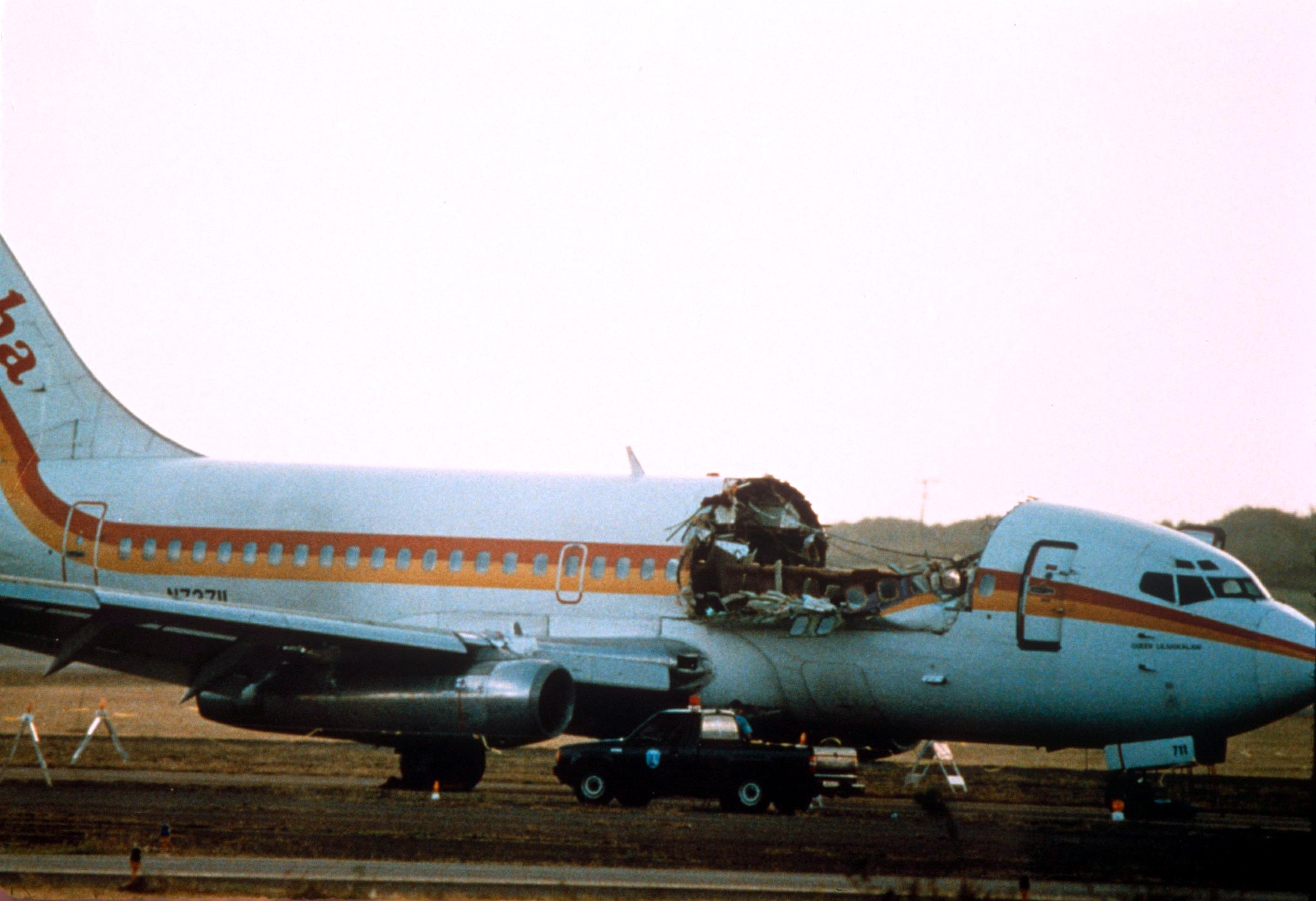
Airline incidents encompass a wide range of operational anomalies, equipment malfunctions, and safety occurrences that do not necessarily result in fatal outcomes or hull losses but provide critical data for global aviation safety. Regulatory bodies and international agencies meticulously analyze these events to identify systemic risks, update engineering standards, and refine flight crew training protocols.
Commercial aviation operates under an intricate web of international treaties, national regulations, and standardized safety management systems designed to minimize risk. When an irregularity occurs in flight or on the ground, it triggers a structured sequence of reporting, investigation, and regulatory oversight. Understanding how these occurrences are categorized and investigated reveals the relentless pursuit of safety that underpins modern air travel.
Defining Airline Incidents Versus Accidents
The distinction between an airline incident and an aviation accident is legally and operationally significant, primarily defined by the severity of the outcome and the extent of structural damage or personal injury. International standards established by the International Civil Aviation Organization (ICAO) in Annex 13 provide the universal framework for making this differentiation.
An aviation accident involves an occurrence associated with the operation of an aircraft where a person is fatally or seriously injured, the aircraft sustains substantial structural damage, or the aircraft is missing and completely inaccessible. Conversely, an airline incident is an occurrence other than an accident associated with the operation of an aircraft that affects or could affect the safety of operations.
| Feature | Airline Incident | Aviation Accident |
|---|---|---|
| Primary Definition | An operational irregularity affecting or potentially affecting safety, short of an accident. | An occurrence resulting in fatal/serious injury or substantial structural aircraft damage. |
| Structural Damage | Usually none, or minor damage that does not compromise structural integrity. | Substantial damage or structural failure adversely affecting structural strength or flight characteristics. |
| Injuries | None, or minor injuries not classified as serious under ICAO standards. | Fatalities or serious injuries requiring hospitalization for more than 48 hours. |
| Regulatory Action | Mandatory reporting, internal safety reviews, and targeted safety recommendations. | Formal independent state-led investigation involving accredited representatives and public reports. |
| Objective | Mitigate precursors, correct procedural errors, and prevent escalation to accidents. | Determine exact causal chains, establish liability parameters, and mandate systemic safety overhauls. |
Recognizing this boundary helps analysts, journalists, and travelers interpret safety statistics accurately. While accidents represent actual failures of the safety net, incidents represent near misses or manageable anomalies that test the resilience of the aviation system.
The Role of Safety Management Systems and Mandatory Reporting
Modern aviation safety relies heavily on proactive data collection through Safety Management Systems (SMS) implemented by airlines, maintenance repair organizations, and air navigation service providers. An SMS integrates safety into everyday operations by encouraging hazard identification, risk assessment, and continuous monitoring.
Mandatory Occurrence Reporting (MOR) systems require pilots, air traffic controllers, and maintenance technicians to report specific types of safety-related events to national authorities, such as the Federal Aviation Administration (FAA) in the United States or the European Union Aviation Safety Agency (EASA). These reports cover a broad spectrum of occurrences, including:
- Runway incursions where aircraft, vehicles, or pedestrians compromise runway separation minimums.
- Uncontained engine failures, localized fires, or severe smoke events within the cabin or cockpit.
- Severe turbulence encounters resulting in operational disruptions or minor occupant discomfort.
- Airprox events, which describe situations where the distance between aircraft compromises safety margins.
- Flight control anomalies, autopilot disengagements, or uncommanded attitude changes.
To foster transparency, many jurisdictions enforce a "just culture" environment, protecting reporters from punitive administrative action when errors are unintentional, provided they do not involve gross negligence or willful violations. This encourages personnel to report near misses and minor incidents without fear of reprisal, ensuring safety databases capture comprehensive operational data.
Investigating Incidents: From Data Recovery to Corrective Action
When a significant airline incident occurs, the process of investigation begins immediately, though it differs in scale and formality from a catastrophic accident investigation. The primary objective is never to assign blame or liability, but rather to determine the contributing factors and prevent future occurrences.
Operators and regulatory bodies begin by downloading and analyzing data from the aircraft's Flight Data Recorder (FDR) and Cockpit Voice Recorder (CVR), often referred to as the black boxes. Modern digital flight data systems record hundreds of parameters per second, allowing investigators to reconstruct the exact aerodynamic state of the aircraft, control inputs made by the flight crew, and automated system responses.
- Incident Occurs
- Data Capture: FDR, CVR & Radar Logs
- Preliminary Classification by Authority
- Minor: Internal Airline SMS Review
- Significant: Formal State Investigation
- Human Factors & Technical Analysis
- Issuance of Safety Recommendations & ADs
Human factors analysis plays a vital role in these investigations. Investigators evaluate cockpit resource management, crew workload, fatigue levels, interface design of flight deck displays, and communication clarity between air traffic control and the flight deck. Technical teams concurrently inspect physical components, software logic, and maintenance logs to isolate mechanical or digital faults.
Once conclusions are drawn, the regulatory body issues safety recommendations. Depending on the severity of the findings, these can range from voluntary operational advisories to legally binding Airworthiness Directives (ADs) that mandate specific structural inspections, software patches, or hardware replacements across an entire global fleet of aircraft.
Common Categories and Historical Trends in Operational Safety
Analyzing decades of safety data reveals that airline incidents generally cluster into specific operational categories. Understanding these patterns allows safety engineers to target interventions where they yield the greatest statistical impact.
Controlled Flight Into Terrain (CFIT), once a major hazard, has decreased significantly due to the mandatory installation of Ground Proximity Warning Systems (GPWS) and Terrain Awareness and Warning Systems (TAWS). Similarly, runway excursions during landing or takeoff remain a focus area, heavily influenced by weather conditions, braking action on contaminated runways, and landing technique.
Loss of Control In-Flight (LOC-I) represents another critical category. While rare, these incidents challenge the envelope limits of aircraft aerodynamics and require sophisticated recovery training for flight crews. Modern simulator training programs now explicitly incorporate upset prevention and recovery training (UPRT) to ensure pilots can recognize and recover from unusual flight attitudes.
Technological advancements, including satellite-based navigation, enhanced flight vision systems, and predictive maintenance algorithms, have continuously driven down the rate of both incidents and accidents over the past several decades. This trend underscores how the industry learns iteratively from every recorded anomaly.
How Passengers Can Access and Interpret Safety Data
For travelers interested in evaluating airline safety records, navigating public databases requires an understanding of what the data actually represents. Raw incident counts alone do not provide an accurate measure of an airline's safety level, as larger carriers operating thousands of flights daily will naturally record a higher absolute number of minor events than smaller regional operators.
Reputable sources for verified aviation safety information include official state regulatory portals, the ICAO safety reports, and independent safety analytics organizations like the Aviation Safety Network. When reviewing these resources, experts look at normalized safety metrics, such as incidents per million departures, rather than raw volume.
Passengers should also verify that an airline maintains valid certification from recognized international authorities and adheres to the IATA Operational Safety Audit (IOSA) standard. The IOSA registry evaluates an airline's operational management and control systems against internationally accepted safety benchmarks, offering a reliable indicator of corporate safety culture.
What Steps Should Travelers Take When Evaluating Airline Safety?
- Review Regulatory Status: Check whether the airline is authorized to operate within major jurisdictions like the US, EU, or UK, which enforce rigorous safety oversight.
- Examine Audit Registrations: Verify if the carrier is a current member of the IOSA registry, confirming compliance with comprehensive international safety standards.
- Analyze Normalized Metrics: Look at independent safety analysis reports that evaluate incident rates relative to total flight volume rather than absolute numbers.
- Understand Aircraft Fleets: Consider the age and maintenance pedigree of the aircraft operated on specific routes, keeping in mind that modern fleets benefit from advanced avionic safety nets.
- Monitor Travel Advisories: Consult official government travel portals for any operational bans or restrictions placed on specific carriers due to safety concerns.
Frequently Asked Questions
What constitutes a mandatory occurrence reportable airline incident?
A mandatory occurrence reportable incident includes any technical defect, operational hurdle, or human error that endangers or, if uncorrected, would endanger the safe operation of an aircraft. Examples include uncontained engine failures, severe air traffic control separation losses, uncommanded flight control movements, and fires on board.
Are airline incidents made public by aviation authorities?
Yes, national aviation authorities and international organizations publish summaries of investigations and statistical safety reports. However, minor internal incidents handled through an airline's Safety Management System may not always be individually broadcast to the public unless they involve regulatory enforcement or systemic safety bulletins.
How do black boxes assist in investigating flight incidents?
Flight Data Recorders (FDR) capture hundreds of operational parameters such as altitude, airspeed, engine performance, and control settings, while Cockpit Voice Recorders (CVR) capture crew communications and ambient cockpit sounds. Together, they provide an objective chronological record that enables investigators to recreate the exact sequence of events leading up to an incident.
Do airline incidents always lead to canceled flights or delays?
Not necessarily. Many incidents are handled in flight without disrupting the passenger journey, or they are identified during routine pre-flight and maintenance inspections on the ground. However, significant technical or procedural anomalies will prompt grounded aircraft inspections, resulting in rescheduled departures or operational delays while safety verifications take place.
How does the aviation industry use incident data to improve safety?
Aviation regulators and manufacturers aggregate global incident data to identify emerging trends, design flaws, or training gaps. This intelligence directly informs the issuance of Airworthiness Directives, modifications to pilot training syllabi, and updates to aircraft system software, ensuring lessons learned from one event prevent similar occurrences elsewhere.