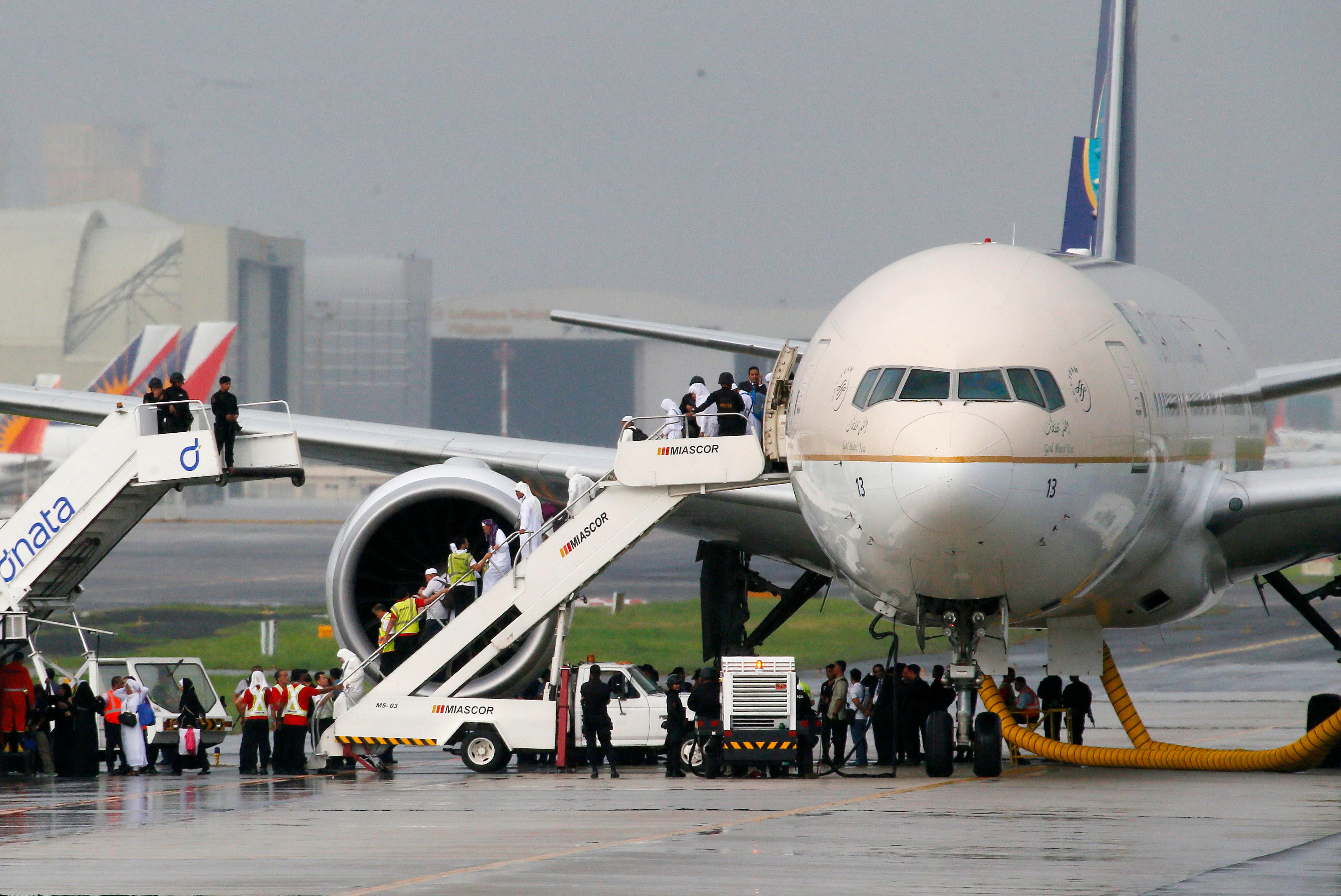
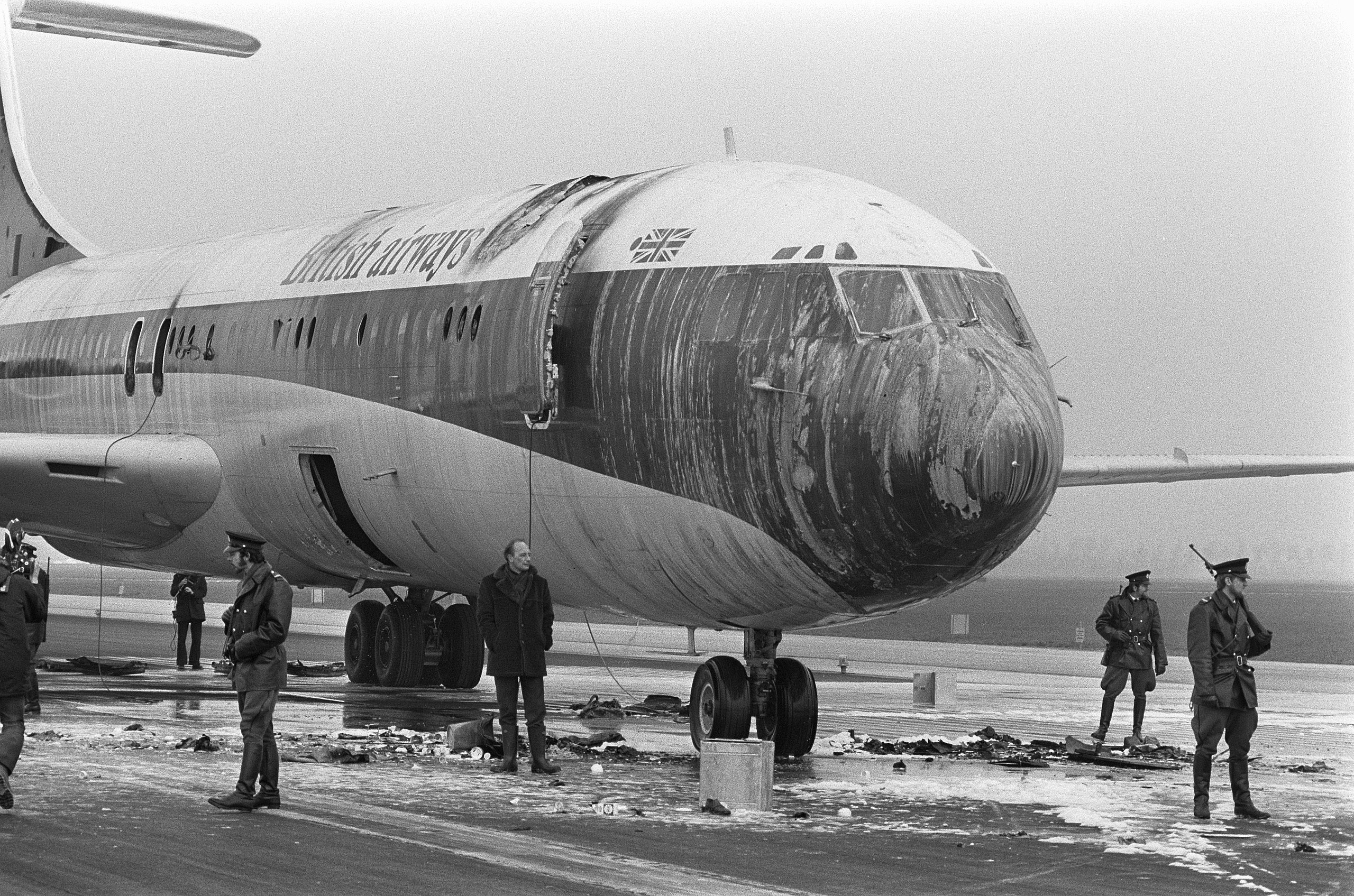
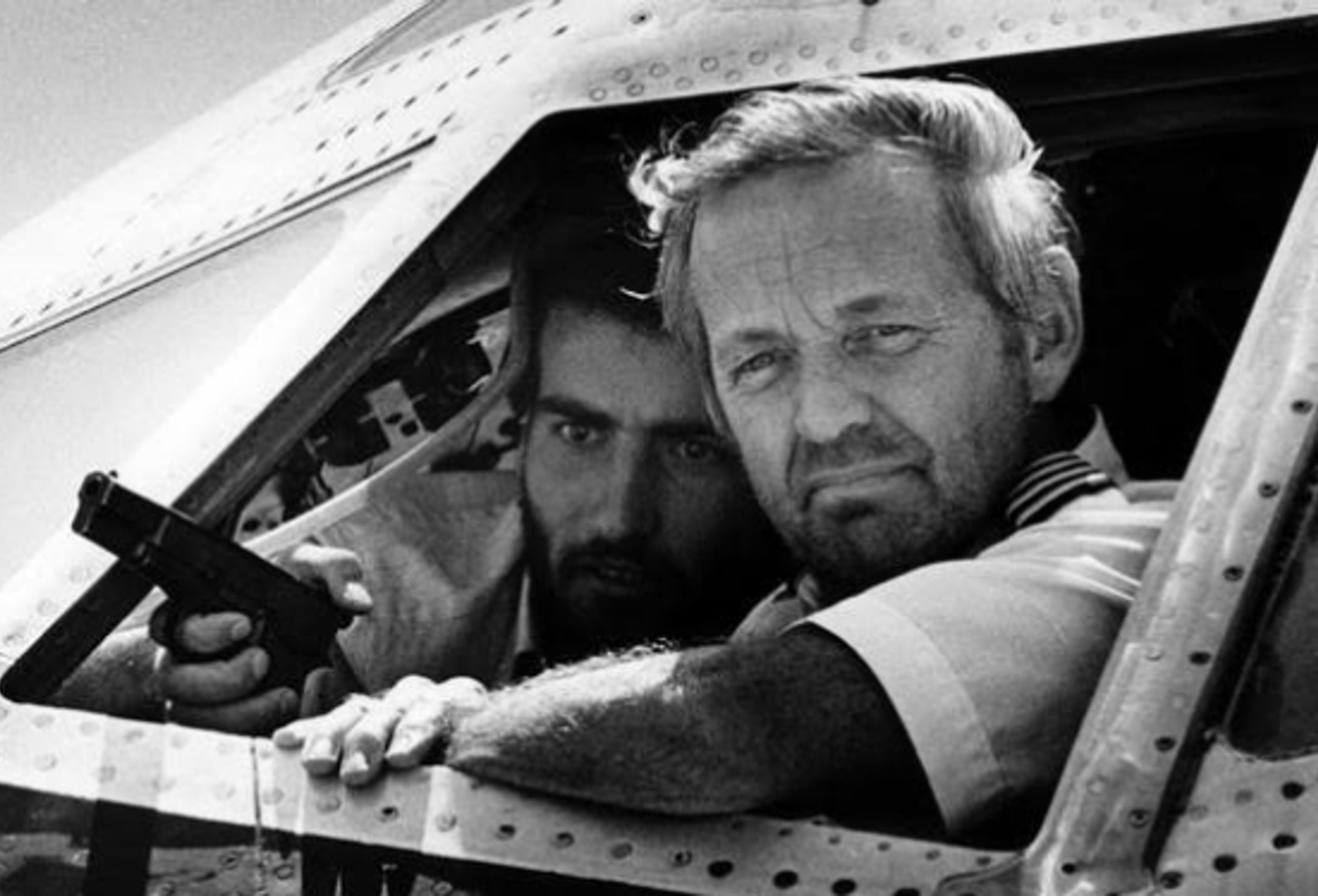
Airline hijacking, also known as aircraft piracy or skyjacking, represents the unlawful seizure of an aircraft by an individual or a group. Historically utilized for political extortion, transportation escape, or mass casualty attacks, this severe security threat fundamentally transformed commercial aviation regulation, international law, and physical screening protocols worldwide.
Historical Context and the Golden Age of Skyjacking
The phenomenon of airline hijacking gained global prominence during the 1960s and 1970s, a period often characterized by frequent politically motivated seizures. During this era, commercial air travel expanded rapidly, while security checkpoints at international airports were virtually non-existent. Passengers boarded aircraft with minimal identity verification, and luggage screening was rarely conducted. This lack of structural safeguards made commercial fleets highly vulnerable to armed individuals or small groups seeking political asylum, financial ransom, or ideological leverage.
The political volatility of the Cold War and the Middle East conflict heavily influenced these early incidents. Many hijacked aircraft were diverted to sympathetic nations or remote airstrips where hostage negotiations unfolded over days or weeks. The sheer frequency of these events forced governments to recognize that aviation networks were soft targets for asymmetric warfare and radical activism. The United Nations and the International Civil Aviation Organization (ICAO) began drafting multilateral treaties to criminalize aircraft seizure and mandate universal extradition or prosecution of perpetrators, establishing the foundational legal framework used to combat aerial piracy today.
Regulatory Frameworks and International Law
Addressing airline hijacking required unprecedented global cooperation, leading to a series of landmark international conventions designed to establish universal jurisdiction over aircraft pirates. The Tokyo Convention of 1963 laid the initial groundwork by addressing offenses committed aboard aircraft. It empowered the aircraft commander to take reasonable measures against any person who jeopardized safety, and it obliged contracting states to take custody of offenders.
Building upon this foundation, the Hague Convention for the Suppression of Unlawful Seizure of Aircraft (1970) and the Montreal Convention for the Suppression of Unlawful Acts against the Safety of Civil Aviation (1971) specifically targeted hijacking. These treaties established the principle of aut dedere aut judicare—the obligation of a state to either extradite a suspected hijacker or submit the case to its competent authorities for prosecution, regardless of where the offense occurred. Subsequent amendments, such as the 2010 Beijing Convention, further expanded these definitions to cover modern threats, including the use of civil aircraft as weapons and the release of biological, chemical, or nuclear material from or against an aircraft.
| International Treaty | Adoption Year | Primary Focus | Key Legal Principle |
|---|---|---|---|
| Tokyo Convention | 1963 | Offenses and acts aboard aircraft | Commander authority and custody |
| Hague Convention | 1970 | Unlawful seizure of aircraft | Universal jurisdiction and prosecution |
| Montreal Convention | 1971 | Acts against aviation safety | Protection of ground facilities and fleets |
| Beijing Protocol | 2010 | Modern threats and weapons use | Criminalization of new technological risks |
Physical Security and Screening Protocols
The landscape of airport security shifted dramatically following major historical disruptions, most notably the events of September 11, 2001. Prior to this, airport security was primarily managed by private contractors hired by airlines, focusing predominantly on metal detection to intercept firearms. Following the shift in tactical utilization of hijacked aircraft as guided weapons, governments assumed direct regulatory control over screening processes, establishing specialized federal agencies such as the Transportation Security Administration (TSA) in the United States and equivalent bodies globally.
Modern security screening integrates multiple layers of technological and procedural safeguards. Passengers undergo advanced imaging technology, millimeter-wave scanners, and explosive trace detection systems designed to identify non-metallic threats, liquids, and improvised explosive devices. Checked baggage is subjected to multi-level automated baggage screening systems, including computer tomography (CT) scans, which analyze luggage contents in three dimensions to detect anomalies. Furthermore, strict regulatory controls govern airside access, requiring background checks, biometric verification, and secure identification credentials for all airport and airline personnel.
Onboard Defense Mechanisms and Cockpit Hardening
When physical and technological screening fails to prevent a breach, onboard security measures serve as the final line of defense against an active hijacking attempt. The most prominent structural change in modern commercial aviation is the hardening of the flight deck. Following historical breaches where perpetrators gained unauthorized access to controls, aviation regulators mandated the installation of intrusion-resistant cockpit doors. These doors are constructed from high-strength ballistic materials, equipped with heavy-duty deadbolts, and designed to withstand small-arms fire and physical force. Furthermore, video surveillance systems allow flight crews to monitor the cabin entrance without opening the reinforced door.
Beyond passive structural defenses, airlines and governments utilize active tactical measures:
- Federal Air Marshal Services: Armed, undercover law enforcement officers deployed on select domestic and international flights to neutralize active threats within the cabin.
- Flight Crew Training: Specialized training programs for pilots and cabin crew focusing on threat assessment, behavioral analysis, situational de-escalation, and physical non-lethal defense techniques.
- Transponder Protocols: Standardized emergency procedures that enable flight crews to discreetly transmit specific squawk codes to air traffic control, signaling an unlawful interference event without verbal radio communication.
Protocols for Responding to an Active Security Incident
When an airline hijacking occurs in flight, a highly coordinated multi-agency response is immediately initiated between the affected aircraft, airline operations control centers, air traffic management, and national security forces. Air traffic controllers, upon receiving a silent or verbal hijacking alert, immediately clear airspace surrounding the aircraft, track its trajectory, and prioritize its routing to a designated secure facility or isolation parking area at an appropriate diversion airport.
Negotiation teams, tactical assault units, and intelligence agencies are mobilized to the destination airport prior to landing. National security directives typically dictate that hijacked aircraft should remain grounded through tactical positioning of heavy equipment or vehicles to prevent unauthorized takeoff. Crisis management frameworks prioritize passenger and crew survival, intelligence gathering, and, when necessary, precision tactical intervention by specialized counter-terrorism units trained in aircraft assault operations.
Frequently Asked Questions
What is the legal definition of an airline hijacking?
Airline hijacking is defined under international law as the unlawful seizure or exercise of control of an aircraft in flight, accomplished by force, threat of force, coercion, or any other form of intimidation.
How do pilots covertly signal a hijacking to authorities?
Pilots can signal a hijacking by setting the aircraft's transponder to specific emergency codes, commonly known as a "squawk code," such as Code 7500, which specifically designates unlawful interference to air traffic control without verbal confirmation.
Are commercial cockpit doors completely impenetrable?
Cockpit doors are engineered to be intrusion-resistant against ballistic threats and physical force, but they are not entirely impenetrable. They feature reinforced locking mechanisms and monitoring systems designed to protect the flight deck during an emergency.
What role does the International Civil Aviation Organization play in aviation security?
The International Civil Aviation Organization (ICAO), a specialized agency of the United Nations, establishes international standards and recommended practices for aviation safety, security, and facilitation, which member states implement into their national legislation.
How has airport security changed over the decades?
Airport security has evolved from basic ticket verification and casual observation into a comprehensive, multi-layered defense system featuring advanced biometric identification, high-resolution imaging scanners, automated baggage analysis, and rigorous regulatory oversight.
Securing the Future of Global Aviation Networks
Maintaining the integrity of commercial aviation requires continuous vigilance, adaptive threat intelligence, and international cooperation. Aviation authorities must continually update security protocols to counter emerging technological, physical, and cyber threats without compromising operational efficiency. Stakeholders across the aviation industry—including regulatory bodies, airport operators, and air carriers—must prioritize investment in advanced screening technologies, comprehensive crew training, and rigorous intelligence sharing to ensure the sustained safety of global passengers.