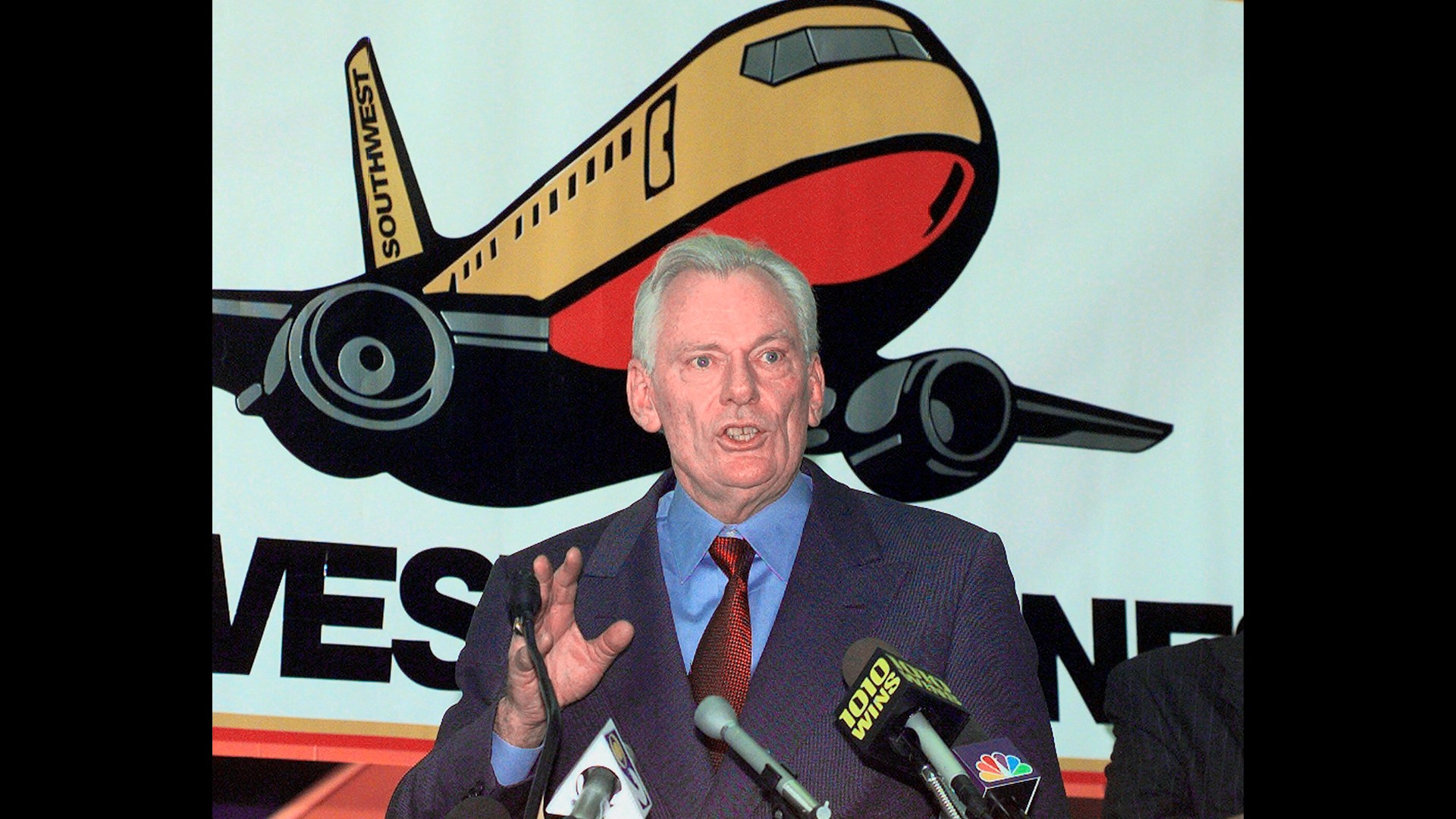
An airline founder is an entrepreneur, investor, or visionary leader who initiates, finances, and builds a commercial aviation enterprise from the ground up, navigating complex regulatory approvals, massive capital acquisition, and strategic fleet procurement. Establishing a commercial airline is one of the most capital-intensive, heavily regulated, and operationally rigorous ventures in global business, requiring a unique convergence of financial backing, aviation law expertise, and operational foresight.
Defining the Role of an Airline Founder
The journey of an airline founder begins long before a single aircraft takes flight. Unlike traditional startup founders who can launch software products with minimal upfront costs, an airline founder must secure tens or hundreds of millions of dollars in initial capitalization before the enterprise can even apply for an air operator certificate. The primary role involves orchestrating a multidisciplinary team of aviation attorneys, seasoned operations managers, financial analysts, and safety officers. Founders must balance high-level strategic vision with an exhaustive understanding of aviation economics, labor relations, and government compliance.
In the early stages, the founder acts as the chief architect of the business plan, deciding whether the airline will operate as a low-cost carrier, a legacy network hub-and-spoke model, a regional feeder, or an all-cargo operation. This foundational decision dictates every subsequent choice, from aircraft selection and seating configurations to route networks and hub locations. Throughout this process, the founder must maintain relationships with aircraft manufacturers, lessors, airport authorities, and civil aviation regulators such as the Federal Aviation Administration (FAA) or the European Union Aviation Safety Agency (EASA).
Capital Acquisition and Financial Structuring
Securing adequate funding is consistently the most formidable hurdle for any airline founder. Commercial aviation operates on notoriously thin profit margins, exposed to volatile jet fuel prices, economic downturns, and geopolitical shocks. Because of these systemic risks, conventional venture capital is rarely sufficient or appropriate for launching an airline. Founders must assemble complex financial syndicates involving private equity firms, institutional investors, aircraft lessors, and sometimes state-backed investment funds.
The capital required is divided into initial startup costs—covering regulatory compliance, staff training, deposits on aircraft, and technology infrastructure—and operating capital required to sustain the airline through its initial years of unprofitability. A critical competency for an airline founder is negotiating favorable lease agreements for aircraft engines and airframes. Because purchasing commercial airliners outright is financially prohibitive for a startup, founders rely heavily on operating leases from major lessors like AerCap or GECAS, structuring agreements that preserve liquidity while ensuring fleet reliability.
Regulatory Compliance and Certification Pathways
An airline founder cannot simply purchase an airplane and begin selling tickets. The regulatory framework governing commercial aviation is uncompromisingly stringent, designed to prioritize public safety above all commercial interests. Obtaining an Air Operator Certificate (AOC) is a multi-year administrative and operational marathon that tests every facet of the prospective airline's management structure, maintenance programs, and safety management systems (SMS).
During the certification process, regulators conduct rigorous audits of the airline's manuals, training protocols, and financial stability. The founder must demonstrate that the organization possesses qualified personnel in key safety-sensitive positions, including a Director of Safety, Director of Operations, Chief Pilot, and Chief Inspector. Regulators also require proving runs, where the airline operates the aircraft empty along proposed routes to verify operational competence under real-world conditions. Any misstep during this phase can delay the launch by months, burning through precious operating capital before revenue generation begins.
Fleet Strategy and Route Network Development
Choosing the right aircraft is a defining strategic decision for an airline founder. The composition of the fleet directly influences operating costs, maintenance overhead, crew training requirements, and market positioning. Founders must choose between single-type fleet strategies—favored by low-cost carriers to maximize maintenance efficiency and crew scheduling flexibility—versus mixed fleets tailored to diverse route profiles.
| Fleet Strategy | Primary Advantages | Main Operational Risks | Typical Airline Model |
|---|---|---|---|
| Single-Type Fleet | Lower maintenance costs, simplified crew training, high aircraft utilization. | Vulnerability to grounding issues (e.g., specific engine or airframe defects). | Low-Cost Carrier (LCC) |
| Mixed Fleet | Flexibility to match aircraft size to specific route demand and range. | Higher spare parts inventory, complex crew scheduling, increased training overhead. | Legacy Network Carrier |
| Regional Turboprop/Jet | Access to smaller airports with short runways, lower trip costs on thin routes. | Higher per-seat operating costs on longer sectors, passenger preference for jets. | Regional Feeder |
Alongside fleet selection, the founder must shape the route network. This involves securing valuable airport slots, negotiating gate leases, and establishing ground-handling agreements. For startup airlines, avoiding congested primary hubs in favor of secondary airports can significantly reduce operating costs and airport fees, though it requires sophisticated marketing to attract passengers to alternative locations.
Operational Challenges and Risk Management
Once an airline is airborne, the founder's role shifts from capital raising and regulatory clearance to operational oversight and risk mitigation. Aviation is exposed to numerous external shocks that can instantly jeopardize an airline's solvency. Fluctuations in jet fuel prices can erase profit margins overnight, necessitating sophisticated hedging strategies or dynamic fuel surcharges. Furthermore, global events—such as pandemics, trade disputes, or regional conflicts—can severely depress passenger demand, testing the liquidity reserves established during the founding phase.
Labor management represents another continuous challenge. Airlines are intensely labor-dependent organizations relying on pilots, flight attendants, maintenance technicians, and dispatchers, many of whom are unionized. Maintaining constructive labor relations while controlling labor costs is essential for long-term survival. Founders must foster a robust safety culture where employees feel empowered to report safety concerns without fear of reprisal, ensuring that regulatory compliance remains absolute even as commercial pressures mount.
Frequently Asked Questions
What are the financial requirements to become an airline founder?
The financial requirements vary drastically based on the scale and model of the airline, but launching a certified commercial airline typically requires a minimum of $50 million to $100 million in initial capital for a regional or low-cost operation, while long-haul or legacy-style startups can require hundreds of millions. This capital must cover regulatory compliance, aircraft deposits, employee salaries, and substantial cash reserves required by civil aviation authorities to prove financial fitness.
How long does it take to launch a commercial airline from scratch?
The process generally takes between 18 to 36 months. The vast majority of this timeline is consumed by the multi-phase Air Operator Certificate (AOC) application process with civil aviation authorities, alongside aircraft procurement, facility leasing, and the recruitment of certified management personnel.
Do airline founders need a commercial pilot license or aviation background?
While having a background as a commercial pilot, aeronautical engineer, or aviation executive provides a distinct operational advantage, it is not a legal requirement. Many successful airline founders are entrepreneurs with strong backgrounds in finance, logistics, or corporate management who hire experienced aviation professionals to run operations and safety divisions.
What is the biggest reason startup airlines fail?
Under-capitalization is the leading cause of startup airline failure. Many founders underestimate the duration of the regulatory approval process and the time required to achieve brand recognition and sustainable load factors, causing the airline to exhaust its operating capital before reaching profitability.
How do airline founders secure aircraft without buying them outright?
Founders typically acquire aircraft through operating leases or finance leases negotiated with major aircraft leasing companies such as AerCap, Aviation Capital Group, or directly from manufacturers like Boeing and Airbus. These agreements allow startups to deploy modern fleets with lower upfront capital outlays, though they entail significant monthly lease obligations.
Strategic Next Actions for Aspiring Aviation Entrepreneurs
Aspiring aviation entrepreneurs should begin by conducting a rigorous feasibility study focusing on underserved market niches, regulatory burdens in target jurisdictions, and realistic capitalization models. Securing advisory relationships with seasoned aviation attorneys and former regulatory officials is essential before committing substantial capital to aircraft leasing or facility acquisition. Prospective founders must prioritize the construction of a comprehensive Business Plan and Safety Management System that satisfies civil aviation authorities, ensuring that regulatory compliance and financial resilience remain the twin pillars of the enterprise from day one.