A comprehensive airline food policy encompasses the complex regulatory frameworks, safety protocols, and dietary standards that govern how meals and snacks are prepared, cleared, and served on commercial flights. Understanding these policies helps passengers navigate dietary restrictions, allergen management, and safety regulations when traveling across domestic and international airspace.
Commercial aviation food service operates under a rigorous intersection of public health mandates, international trade laws, and security protocols. Unlike ground-based dining, dining at 35,000 feet requires adherence to specialized guidelines set by global aviation authorities, agricultural departments, and individual carrier operating procedures. Passengers often encounter these rules when requesting special meals, bringing personal snacks through security checkpoints, or managing severe food allergies while flying.
Regulatory Frameworks Governing In-Flight Catering
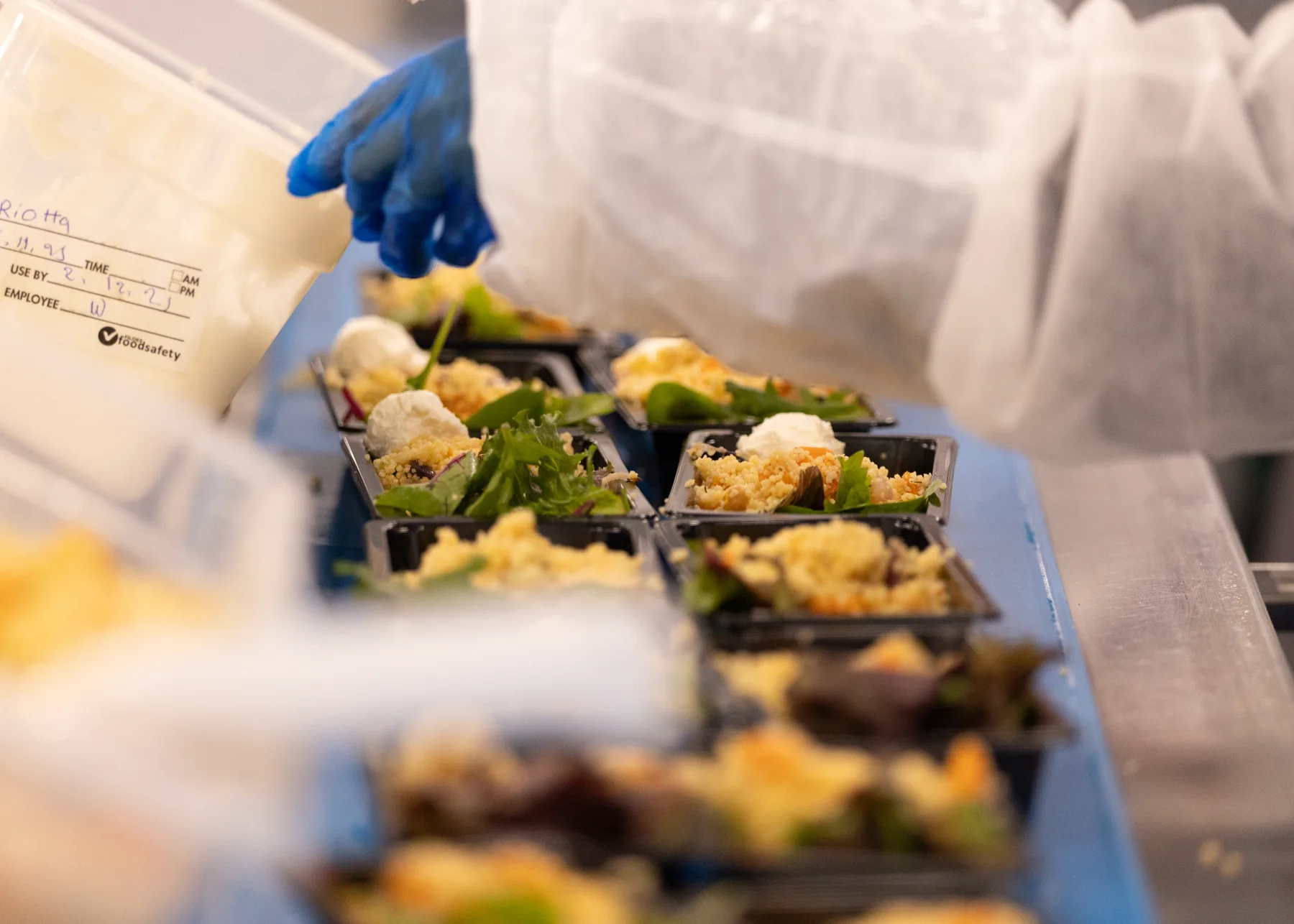
The foundation of any airline food policy rests upon international and national health safety regulations. Regulatory bodies such as the Federal Aviation Administration (FAA) in the United States, the European Union Aviation Safety Agency (EASA), and the International Civil Aviation Organization (ICAO) set baseline safety standards. However, the physical food safety inspection of catering facilities typically falls under the jurisdiction of national agencies like the Food and Drug Administration (FDA) or local departments of health.
International catering introduces additional complexity through strict agricultural quarantine laws. When a flight crosses international borders, customs agencies enforce strict controls on undeclared agricultural products to prevent the spread of animal and plant diseases. Consequently, unconsumed meals or passenger-brought fresh fruits, vegetables, and meats originating from outside the destination country are frequently subject to mandatory disposal protocols before landing.
| Regulatory Body | Jurisdiction | Primary Focus Area |
|---|---|---|
| FAA / EASA | National / Regional Airspace | Cabin safety, galley equipment certification, and service logistics |
| FDA / EFSA | National / Regional Health | Kitchen sanitation, food handler hygiene, and ingredient safety |
| Customs & Border Protection | International Borders | Agricultural waste disposal and prevention of invasive pests |
| ICAO | Global Aviation | Harmonization of international aviation standards and operational guidance |
Special Dietary Requirements and Meal Availability
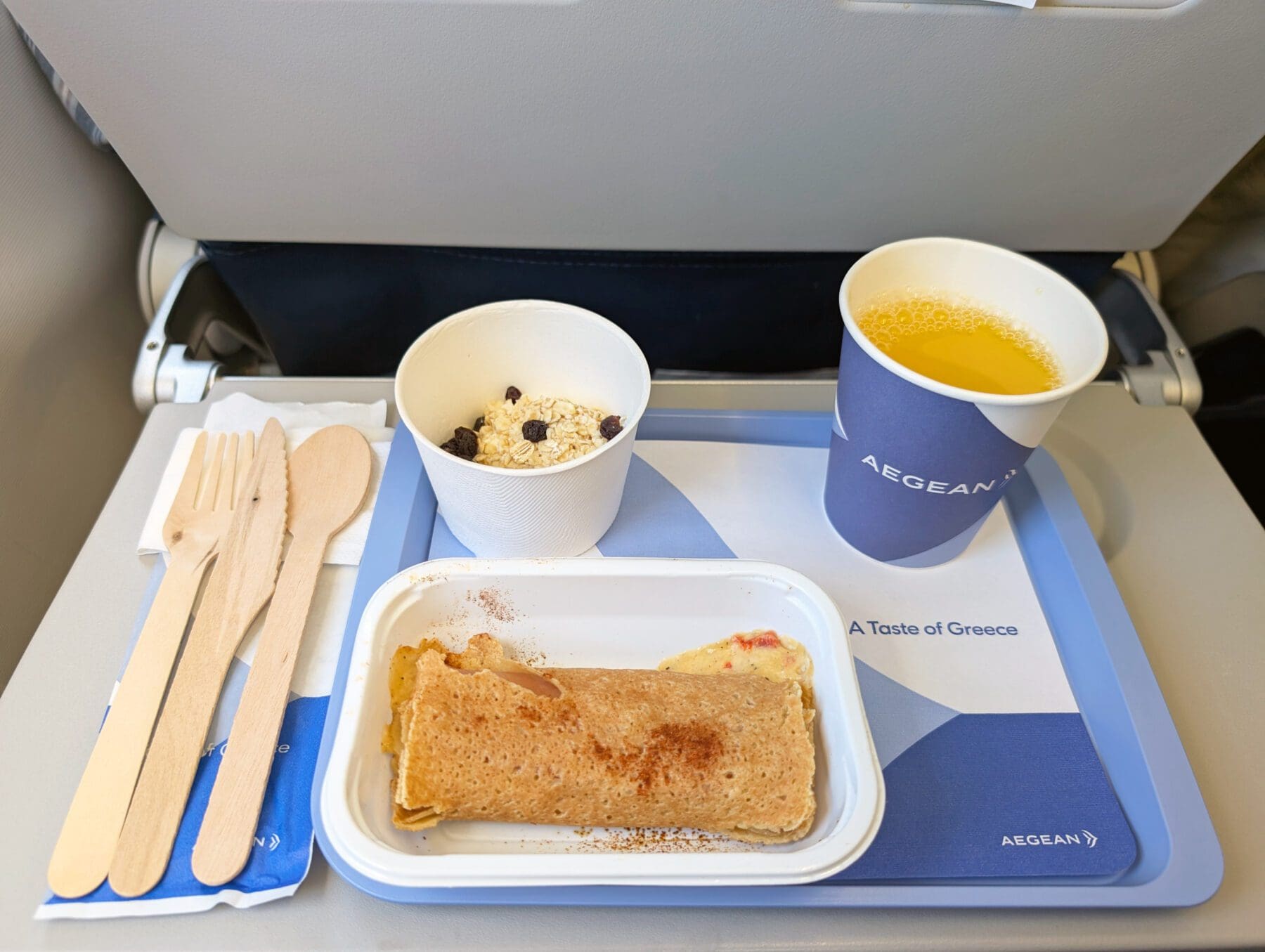
Passengers requiring specialized nutrition due to medical, religious, or ethical reasons must rely on specific airline meal policies. Most major legacy carriers provide a range of special meal options—such as diabetic, gluten-free, kosher, halal, vegan, and low-sodium meals—at no additional cost, provided they are requested well in advance of departure.
Operational lead times are a critical component of these policies. Because in-flight catering trucks must be loaded with precise manifests hours before pushback, airlines typically require special meal requests to be submitted anywhere from 24 to 48 hours prior to the scheduled flight departure time. Failure to meet this window usually results in the passenger being offered only the standard cabin service, which may not align with their dietary needs.
Furthermore, low-cost carriers and basic economy tiers often operate on a "buy-on-board" model where special meals are entirely unavailable. In these scenarios, passengers are generally permitted to bring their own food items onboard, subject to standard security screening procedures at the airport checkpoint.
Managing Food Allergies in Cabin Environments
Managing severe food allergies, particularly peanut and tree nut sensitivities, represents one of the most sensitive aspects of modern airline food policy. Unlike ground-based restaurants, commercial aircraft feature recirculated air systems and confined seating, making airborne allergen exposure a legitimate concern for highly sensitive individuals.
Airlines diverge significantly in their approach to allergen management:
- Nut-Free Policies: Some international carriers completely ban the serving of peanuts or specific nuts if a passenger registers an allergy prior to flight, or proactively choose not to serve certain nuts on any flight.
- Buffer Zones: Other carriers establish a "buffer zone" around the affected passenger, requesting nearby travelers refrain from consuming their own nut products during the journey.
- No-Guarantee Stances: Many major network airlines state they cannot guarantee a completely allergen-free environment due to cross-contamination risks during food preparation facilities, catering loading, or from residue left by previous passengers.
Travelers with severe allergies are advised to notify the airline during booking, carry necessary emergency medication such as epinephrine autoinjectors in their carry-on luggage, and verify individual carrier policies well ahead of travel dates.
Bringing Personal Food and Snacks Through Security
Security screening checkpoints managed by agencies such as the Transportation Security Administration (TSA) dictate what passengers can bring past security and into the cabin. The foundational rule governing liquids, aerosols, and gels applies directly to food items. Creamy, spreadable, or liquid foods—including yogurt, peanut butter, hummus, salad dressing, and soup—must adhere to the standard volume limits or be placed in checked baggage unless purchased past the security checkpoint.
Solid food items, such as sandwiches, fresh fruit, baked goods, and dry snacks, are universally permitted through security checkpoints. However, officers may require passengers to separate food items from carry-on bags during X-ray screening to ensure clear visibility of electronic devices or organic matter.
Frequently Asked Questions
Can I bring my own food on an airplane?
Yes, passengers are permitted to bring solid food items through airport security and into the cabin. However, any food items that have a liquid, gel, or spreadable consistency must comply with standard liquid volume restrictions or be placed in checked luggage. International flights may also prohibit bringing certain fresh agricultural products across borders.
How far in advance must I request a special dietary meal?
Most legacy airlines require special meal requests to be submitted between 24 and 48 hours before scheduled departure. Low-cost carriers and basic economy tickets frequently do not offer special meal options, requiring passengers to provision their own dietary needs.
Are commercial flights completely nut-free?
Most commercial airlines do not guarantee a 100% nut-free environment due to shared catering facilities and potential residue from prior flights. While some carriers will halt the service of specific nuts upon request or establish buffer zones, sensitive passengers should always carry prescribed emergency medication.
What happens to leftover airline food after a flight?
Due to stringent international health regulations and agricultural waste laws, unconsumed catering items on international flights are frequently treated as regulated garbage. Much of this leftover food must be incinerated or specially disposed of upon arrival to prevent the potential introduction of foreign agricultural pests and pathogens.
Are meals included in the price of all airline tickets?
No, meal inclusion depends heavily on the airline class, ticket fare, route distance, and carrier business model. Full-service international carriers typically include meals on long-haul flights, whereas domestic routes and budget carriers rely on buy-on-board programs or complimentary light snack service.
Securing Your In-Flight Provisions
Reviewing the specific policy of your operating carrier before your travel date ensures a seamless journey. If you require specialized nutrition or manage severe food allergies, contact the airline's customer service or manage your booking online to confirm your dietary preferences are successfully registered in the manifest prior to departure.