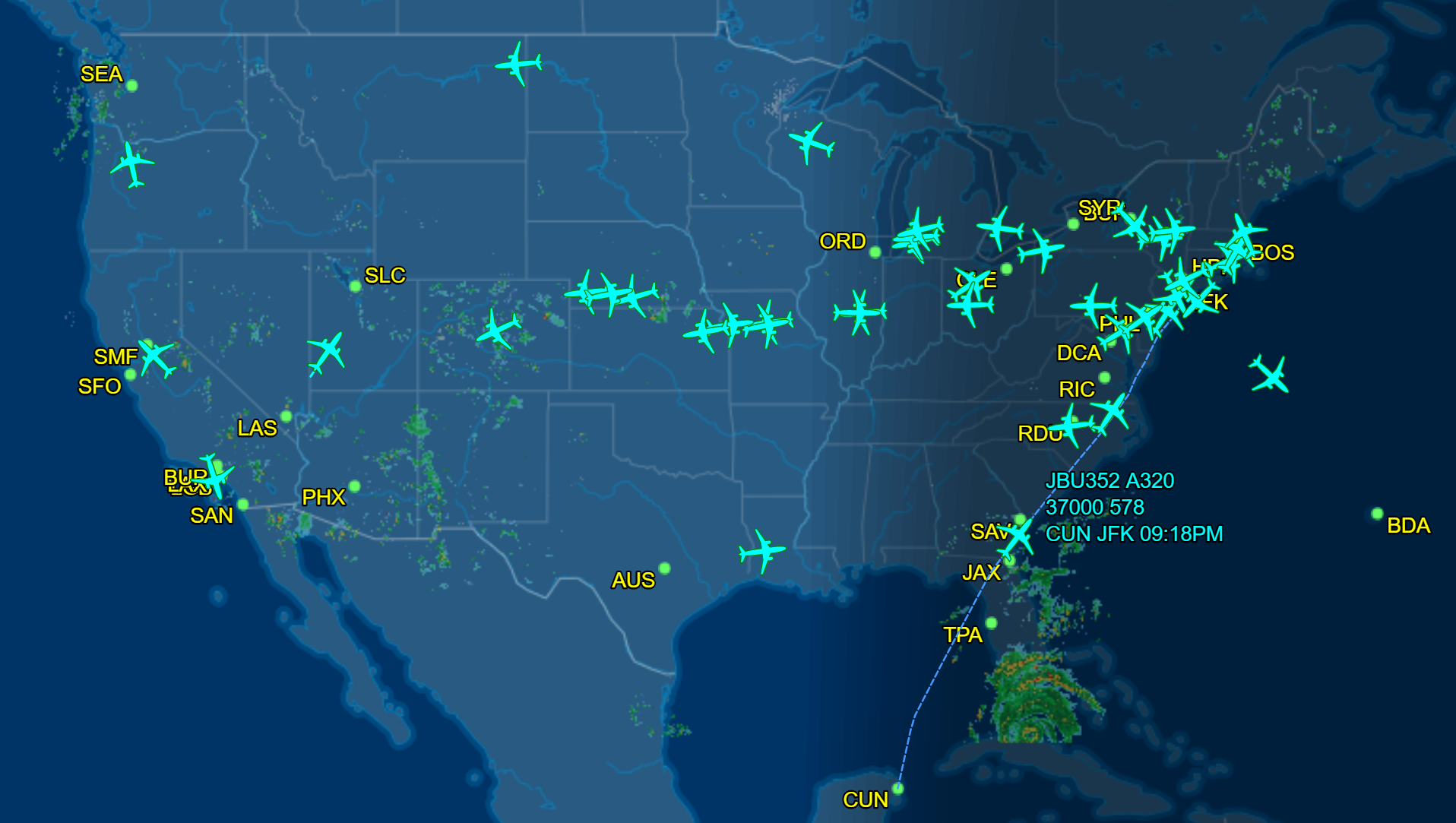
Airline flight catalogs are comprehensive operational schedules and inventory documents issued by commercial carriers to organize route networks, manage seat allocation, and coordinate aircraft rotations. These systems translate complex fleet logistics and regulatory constraints into structured data accessible to passengers, travel agents, and global distribution systems.
Defining Airline Flight Catalogs and Their Core Purpose
An airline flight catalog functions as the master ledger of a carrier's scheduled services over a given season or year. Unlike a simple timetable designed solely for public viewing, an operational flight catalog contains deep logistical data points, including specific aircraft tail number assignments, slot coordination metrics, and interline partnership agreements. The primary purpose of these catalogs is to bridge the gap between internal resource management and external distribution channels, ensuring that every available seat, cargo hold capacity, and flight hour is accounted for and monetized under strict international regulatory frameworks.
Historically, these catalogs existed primarily as massive printed volumes distributed seasonally to travel agencies. In the modern aviation ecosystem, they are dynamic, cloud-based databases synchronized globally in real-time. Carriers utilize these catalogs to publish flight numbers, departure and arrival airports, scheduled times, aircraft types, and days of operation. By standardizing this data through protocols established by organizations like the International Air Transport Association (IATA), airlines ensure that a flight catalog generated in New York can be read, interpreted, and booked seamlessly by a travel management system in Tokyo or Frankfurt.
The Mechanics of Flight Schedule Generation
The creation of an airline flight catalog is a multi-step engineering and economic exercise that begins up to a year before the actual date of operation. Network planners analyze historical load factors, seasonal demand fluctuations, fuel price forecasts, and macroeconomic trends to determine which routes will be profitable. Once the route network is mapped, schedule planners must navigate a complex web of regulatory constraints before a single flight can be entered into the catalog.
Key factors involved in generating a flight catalog include:
- Airport Slot Coordination: Airlines must secure takeoff and landing slots at congested Level 3 airports worldwide, which are managed by independent coordinators to balance capacity and demand.
- Aircraft Rotations and Maintenance Windows: Planners design tight loops that keep expensive aircraft flying as many hours as possible while embedding mandatory heavy and line maintenance checks into the schedule.
- Crew Duty Regulations: Flight schedules must strictly adhere to maximum flight time limitations and rest requirements mandated by aviation authorities such as the Federal Aviation Administration (FAA) or the European Union Aviation Safety Agency (EASA).
- Connection Banks: Hub-and-spoke airlines structure their catalogs around arrival and departure banks, allowing passengers to transfer smoothly between incoming and outgoing flights within a compressed window.
Distribution: How Catalogs Reach Global Distribution Systems
Once an airline finalizes its schedule, the data must be transmitted to the global marketplace. This is where airline flight catalogs interface with Global Distribution Systems (GDS) such as Sabre, Amadeus, and Travelport. The GDS acts as the central electronic marketplace connecting airline inventory with travel agencies, corporate booking tools, and online travel agencies (OTAs).
| Distribution Layer | Primary Function | Data Updated | User Interface |
|---|---|---|---|
| Airline Host System | Internal inventory and schedule management | Real-time | Airline staff, crew portals |
| Global Distribution System (GDS) | Aggregating and broadcasting multi-airline schedules | Real-time / Batched | Travel agents, corporate bookers |
| Direct Channels (API/NDC) | Delivering rich content, ancillaries, and dynamic schedules | Real-time | Consumer websites, mobile apps |
| Public Timetables | High-level seasonal reference for offline users | Seasonally | Public web archives, static PDFs |
Modern distribution increasingly relies on New Distribution Capability (NDC) standards, which allow airlines to push more than just basic schedule and pricing data from their catalogs. Through NDC APIs, carriers can distribute ancillary services—such as preferred seating, Wi-Fi packages, and prepaid baggage—directly into the catalog view seen by the end consumer, bypassing legacy GDS limitations.
Schedule Integrity, Code-Sharing, and Interlining
Maintaining the integrity of an airline flight catalog requires constant monitoring because external disruptions frequently threaten planned operations. Weather events, air traffic control delays, and mechanical failures force airline operations control centers to make tactical adjustments. When a flight is delayed, canceled, or rerouted, the flight catalog system updates downstream distribution channels instantly so that passengers and booking agents see accurate status information.
Furthermore, flight catalogs are heavily integrated through alliance networks and partnership agreements. Code-sharing allows multiple airlines to market and sell a single flight operated by only one of the partner carriers. In this scenario, the operating airline manages the physical aircraft and crew, while partner airlines list the flight in their own catalogs under their unique flight numbers. This requires sophisticated data synchronization protocols to prevent overbooking and to ensure that passengers receive accurate notifications regarding terminal changes, baggage policies, and check-in procedures.
Common Challenges in Flight Catalog Management
Managing a modern flight catalog presents significant technical and operational hurdles for commercial carriers. One of the most persistent issues is data latency, where updates made in an airline's internal host system fail to propagate instantly across all third-party GDS nodes, resulting in phantom availability or booking errors for travel agents. Additionally, sudden regulatory shifts, such as airspace closures or last-minute slot revocations by airport authorities, require rapid schedule restructuring that can disrupt thousands of interconnected flight legs across a global network.
Airlines also face the challenge of legacy technology debt. Many core reservation and scheduling systems rely on decades-old architecture that struggles to integrate smoothly with modern, cloud-native dynamic pricing and retailing engines. Upgrading these systems requires massive capital investments and carries inherent operational risks, as any downtime during a migration can halt ticket sales and disrupt global travel operations.
How to Verify and Interpret Flight Catalog Data
For travelers and corporate booking managers, understanding how to read and verify catalog entries ensures smoother travel arrangements. When reviewing a flight schedule, paying attention to specific operational markers can prevent common logistical mistakes.
- Check Operating Carriers: Look closely at the "Operated by" text on multi-airline bookings to identify code-share flights, as terminal locations and baggage rules often follow the operating carrier rather than the marketing airline.
- Verify Equipment Changes: Note the aircraft type listed in the schedule; equipment swaps can occasionally alter seat maps, amenity availability, or connection minimums.
- Confirm Local Times: Always cross-reference departure and arrival times against local time zones at origin and destination airports, factoring in daylight saving time adjustments that occur on different dates globally.
- Monitor Schedule Changes: Regularly check booking references directly on the airline's official website rather than relying solely on third-party confirmation emails, as schedule adjustments occur frequently in advance of the departure date.
Frequently Asked Questions
What is the difference between an airline flight catalog and a public timetable?
An airline flight catalog is a comprehensive operational database containing internal routing, fleet assignments, and live inventory linkages used by GDS networks. A public timetable is typically a simplified, static summary of scheduled passenger routes published for seasonal reference without deep logistical metadata.
How far in advance are airline flight catalogs published?
Most major commercial carriers publish their primary flight catalogs between 330 and 360 days in advance of departure. This window aligns with standard airline reservation system parameters and allows corporate planners and individual travelers to book long-range itineraries.
What causes discrepancies between different booking sites viewing the same flight catalog?
Discrepancies usually stem from caching delays between the global distribution system and third-party online travel agencies. While the airline's direct host system reflects real-time seat availability, intermediate aggregation layers may display outdated cache data until a manual sync occurs.
How do code-share agreements affect flight catalog listings?
Code-share agreements allow a single physical flight to appear in multiple airline catalogs under different flight designator codes. One carrier acts as the operating carrier providing the aircraft and crew, while partner airlines market the seat under their own brand to expand their virtual network.
Are flight catalog schedules legally binding contracts?
Flight schedules published in catalogs are subject to change clauses outlined in the airline's contract of carriage. While carriers make every effort to operate as scheduled, unforeseen operational circumstances permit them to modify times, alter routes, or cancel flights without constituting a permanent breach of contract.
Optimizing Your Travel Planning Through Catalog Awareness
Leveraging an understanding of how airline flight catalogs operate allows frequent travelers and corporate travel managers to anticipate schedule adjustments, navigate code-share complexities, and secure optimal routing. By monitoring schedule release windows, verifying operating carriers directly with the airline, and maintaining awareness of distribution dependencies, you can minimize travel disruptions and navigate global aviation networks with greater confidence.