Airline fees encompass a complex web of ancillary charges beyond the base ticket price, including baggage, seat selection, change policies, and onboard services. Understanding how these carrier pricing structures work enables travelers to calculate true trip costs, avoid surprise airport penalties, and select fare classes that align with their specific travel needs.
The Evolution of Unbundled Airline Pricing Models
The modern commercial aviation landscape relies heavily on unbundled pricing strategies. Historically, base ticket prices included checked baggage, seat selection, and light meals or snacks. Over the last two decades, major network carriers and ultra-low-cost carriers alike shifted toward an a la carte pricing model. This structural transformation allows airlines to advertise lower base fares on meta-search engines, capturing price-sensitive consumer attention while recovering operational revenues through optional services.
Understanding this financial architecture requires examining how carriers segment their inventories. Basic Economy fares, for example, typically represent the lowest tier of entry. These tickets frequently restrict overhead bin access, prohibit advance seat assignments, and assess heavy penalties for itinerary modifications. Conversely, Main Cabin or Premium Economy tickets bundle several of these traditional services into a higher upfront cost. Consumers must weigh the initial savings of a stripped-down fare against the cumulative impact of add-on fees, which often exceed the price difference of a higher-tier ticket.
Furthermore, airline ancillary revenues constitute a vital component of carrier balance sheets. Ancillary streams shield airlines from fuel price volatility and macroeconomic downturns. Because these fees are dynamic and vary significantly depending on the route, purchase channel, and elite loyalty status, passengers face an increasingly intricate matrix of rules. Navigating this environment demands meticulous planning, proactive digital check-in practices, and a thorough review of specific contract-of-carriage terms before completing a purchase.
Comprehensive Breakdown of Common Airline Charges
Travelers encounter a wide array of variable costs from the moment of booking through the completion of their journey. Each fee category carries distinct parameters, thresholds, and penalty mechanisms that can rapidly inflate the overall travel budget if ignored.
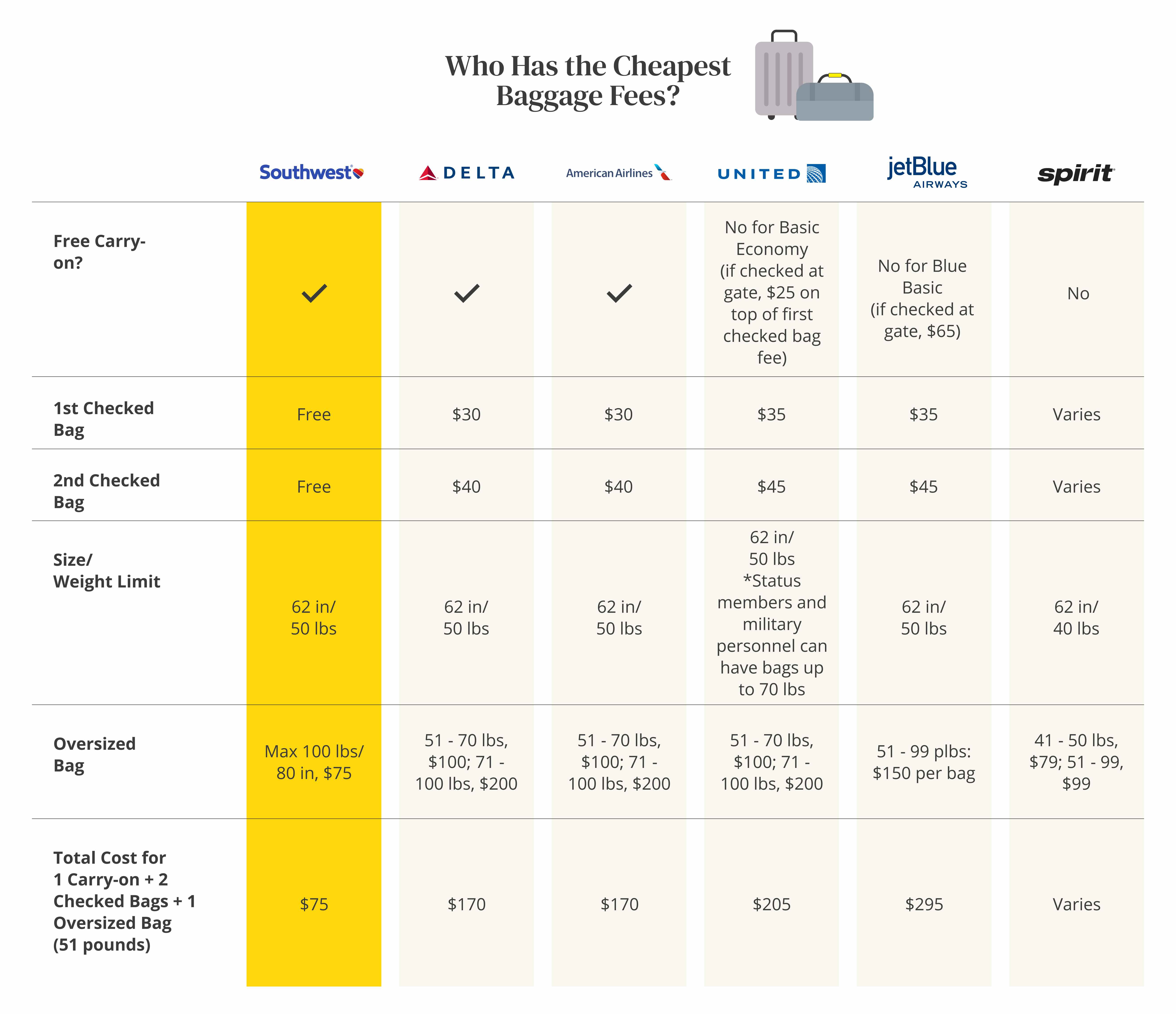
Baggage fees remain the most widely recognized and frequently encountered ancillary cost. Carriers enforce strict weight and linear dimension limits—typically 50 pounds (23 kg) for standard checked bags and 62 cumulative inches—beyond which oversized or overweight penalties apply. Domestic and international routes feature divergent pricing tiers, with transoceanic flights occasionally including a first checked bag while charging substantially more for secondary and oversized luggage. Carry-on baggage policies have also tightened; while most major airlines permit one personal item and one standard overhead bag free of charge, Basic Economy tiers on select carriers explicitly restrict overhead storage, routing uncompliant passengers to steep gate-check fees.
Seat selection charges represent another significant revenue generator. Choosing a preferred window or aisle seat, or securing extra legroom in exit rows and bulkhead sections, requires an additional transactional fee. These charges vary based on aircraft configuration, flight duration, and proximity to the front of the cabin. Passengers who forgo advance selection are randomly assigned remaining seats at check-in, running the risk of party separation or middle-seat placement.
Change, Cancellation, and Ticketing Fees
Modifying an itinerary introduces complex fee structures that differ drastically between domestic and international routes, as well as fare classes. While many network legacy carriers permanently eliminated change fees for standard domestic main cabin and premium tickets, Basic Economy and deep-discount promotional fares remain strictly non-changeable and non-refundable.
When changes are permitted, passengers are typically responsible for the change fee plus any fare difference between the original ticket and the newly selected flight. Understanding the distinction between refundable and non-refundable tickets is vital; canceling a non-refundable ticket generally results in a flight credit valid for future travel, minus an administrative fee if applicable, rather than an original-form-of-payment refund.
| Fee Category | Average Cost Range | Key Restrictions & Variables |
|---|---|---|
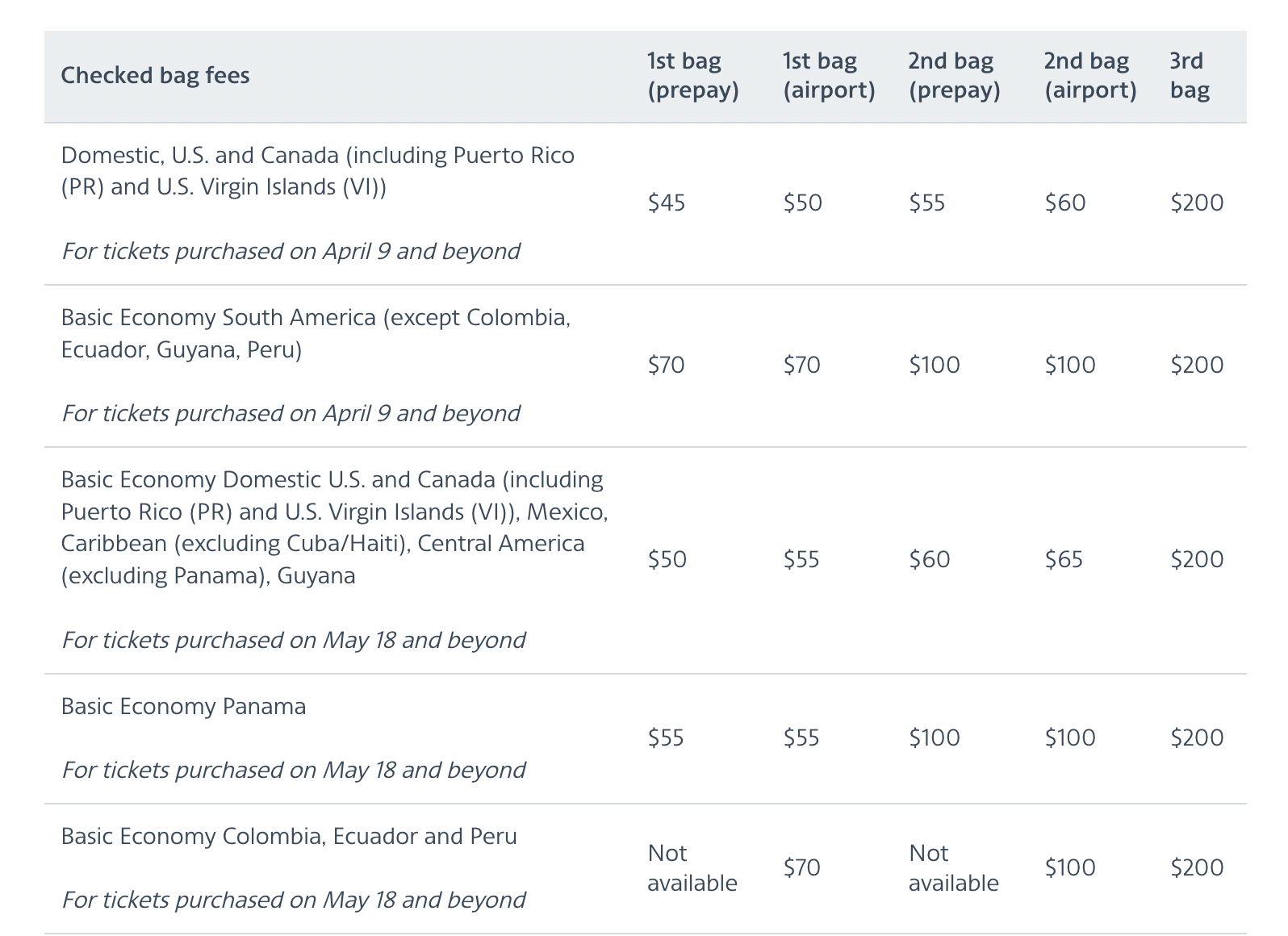
| First Checked Bag | $30 – $45 each way | Varies by route; higher for transatlantic; waived for elite status. |
| Second Checked Bag | $40 – $60 each way | Increases significantly for third bag or excess weight. |
| Advance Seat Selection | $10 – $50+ per segment | Based on location, legroom, and aircraft type. |
| Itinerary Change Fee | $0 – $200+ per ticket | Zero for main cabin domestic on major US carriers; strict on basic tiers. |
| Airport Check-In Surcharge | $10 – $25 per passenger | Imposed by ultra-low-cost carriers for printing boarding passes at desks. |
Operational Differences Between Low-Cost and Legacy Carriers
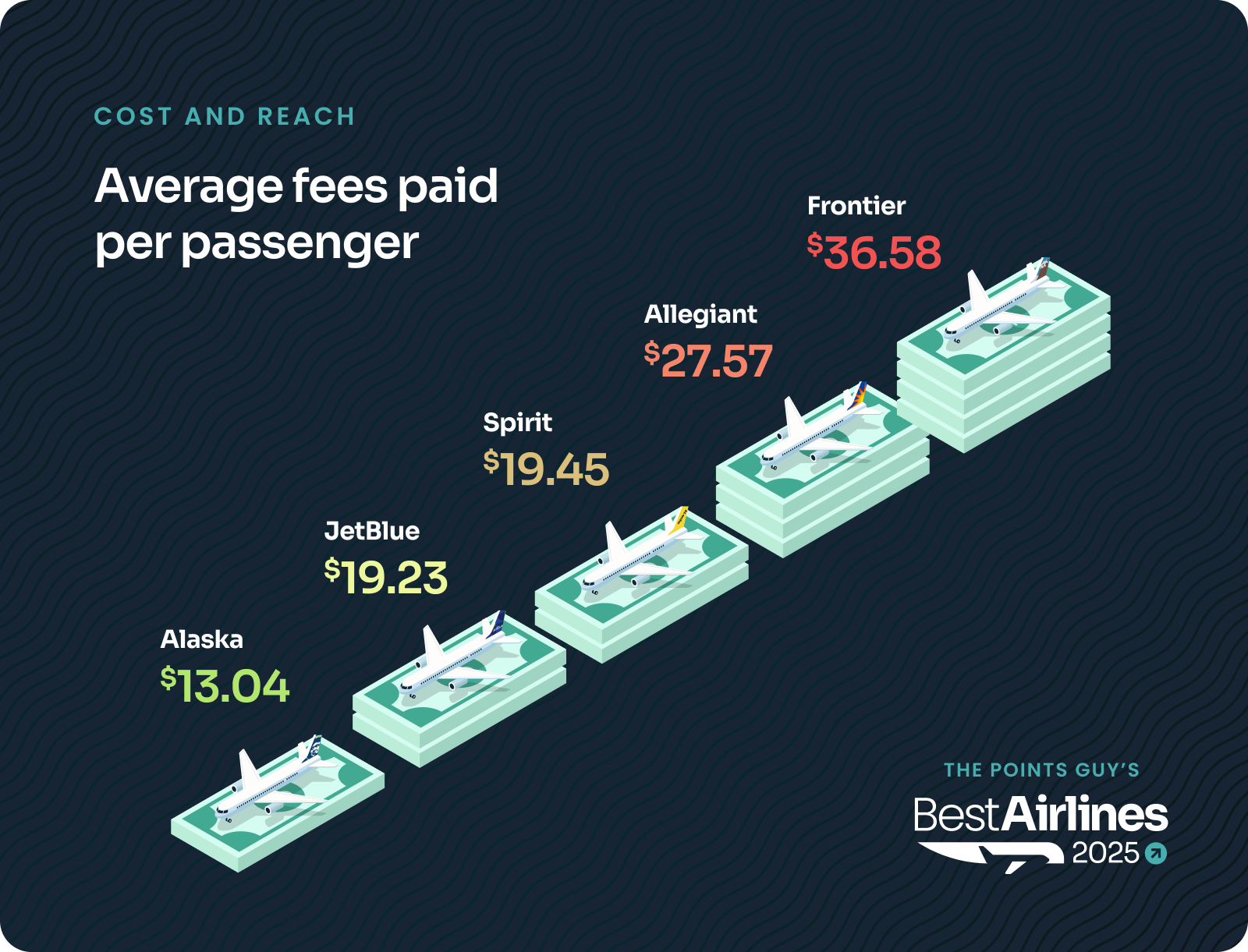
Carrier business models dictate how aggressively ancillary charges are levied and enforced. Ultra-low-cost carriers build their entire economic model around rock-bottom base fares paired with high-margin ancillary services. These airlines charge for every conceivable extra, including carry-on bags placed in overhead bins, non-digital boarding pass issuance at airport ticket counters, bottled water, and customer service call-center bookings.
Legacy network carriers operate with a more blended model. While they offer tiered products that mirror low-cost structures in their lowest booking classes, they maintain traditional inclusions in higher cabins. For example, international long-haul flights on major network carriers traditionally include checked baggage and meal service even in economy, whereas low-cost long-haul operators charge separately for every amenity.
Recognizing these operational distinctions prevents unrealistic expectations at the airport. A seemingly inexpensive ticket on a budget carrier can easily surpass the price of a legacy airline once mandatory seat selections and baggage requirements are factored into the total calculation.
Elite Status, Credit Cards, and Fee Mitigation Strategies
Frequent travelers can neutralize many ancillary costs by leveraging airline loyalty programs and co-branded credit cards. Achieving elite status within a frequent flyer program unlocks valuable waivers, such as complimentary checked baggage, priority boarding, free premium seat selection, and expedited security screening lanes.
For occasional flyers who cannot attain elite status, co-branded airline credit cards serve as an effective mitigation tool. Many cards offer an introductory checked bag fee waiver for the primary cardholder and travel companions on the same reservation, priority check-in privileges, and annual statement credits that offset incidental expenses. Furthermore, booking through flexible travel portals or utilizing corporate travel booking tools can occasionally surface corporate-negotiated rates that bundle essential fees into the upfront fare.
Travelers should also evaluate the timing of their purchases. Purchasing baggage and seat assignments in advance through mobile applications or airline websites is invariably less expensive than paying at the airport ticket counter or boarding gate, where administrative surcharges apply.
Common Misconceptions and Booking Mistakes
Travelers frequently fall into financial traps driven by incomplete knowledge of carrier regulations and fee schedules. One prominent mistake involves assuming that codeshare flights follow the baggage and fee rules of the marketing carrier rather than the operating carrier. Under international aviation guidelines, the baggage rules of the Most Significant Carrier—typically the airline operating the longest leg of the itinerary—govern the entire journey, which can lead to unexpected baggage charges when transferring between partner airlines.
Another frequent error is underestimating the strictness of weight and dimension limitations. Packing an extra pair of shoes or heavy winter garments can push a suitcase past the 50-pound threshold, triggering overweight fees that often exceed the cost of pre-purchasing a second bag. Additionally, travelers often overlook the expiration terms of travel credits issued after a flight cancellation, resulting in forfeited funds if the voucher is not utilized within the mandated validity window.
How to Avoid Unexpected Airline Charges
- Review the exact fare rules and ticket class conditions before completing your purchase, paying close attention to whether the ticket is designated as Basic Economy or Main Cabin.
- Weigh your luggage at home using a portable luggage scale before departing for the airport to ensure each bag complies with weight limits.
- Purchase baggage allowances and seat selections digitally during the online check-in window rather than at the airport counter.
- Enroll in the airline's free frequent flyer program to accumulate mileage and track promotional updates regarding fee modifications.
- Utilize eligible co-branded credit cards or travel rewards cards that automatically waive standard baggage and priority service fees.
Frequently Asked Questions
Can airlines charge a fee for infant travel?
Infants traveling on an adult's lap typically fly free on domestic routes, though international flights generally assess a percentage of the adult fare plus applicable taxes. If you purchase a dedicated seat for an infant requiring an approved car seat, standard adult fare rules and associated seat selection fees apply.
Are change fees refundable if I cancel my flight?
Change fees and administrative penalties are generally non-refundable. If you voluntarily change an itinerary, any fee paid to modify the ticket is absorbed by the airline, even if you subsequently cancel the entire trip for a flight credit.
Do military personnel receive exemptions from airline baggage fees?
Most major commercial carriers offer generous baggage fee waivers for active-duty military personnel and their dependents. Exemptions typically apply to both personal and official travel, though documentation such as military identification orders is required at check-in.
What happens if my carry-on bag exceeds size limits at the gate?
If a gate agent determines that a carry-on or personal item exceeds maximum dimensions, the airline will require the item to be checked. This frequently incurs a gate-check fee that is higher than standard advance baggage fees, alongside potential wait times at baggage claim upon arrival.
Are taxes included in airline fee totals?
Taxes are applied to ancillary fees based on regulatory jurisdictions and the nature of the service. Government excise taxes, security fees, and local airport facility charges are typically factored into the final calculation when purchasing add-ons like baggage and seat selection online.
Strategic Financial Planning for Air Travel
Managing ancillary expenses requires a disciplined approach to itinerary selection and pre-flight preparation. By auditing your actual luggage requirements, evaluating the true cost differentials between fare tiers, and utilizing loyalty benefits or appropriate credit products, you can insulate your travel budget from volatile administrative charges and enjoy a streamlined journey.