Airline fares are dynamic prices set by commercial carriers for passenger seats, fluctuating continuously based on inventory, demand elasticity, purchase timing, and ancillary choices. Securing the optimal ticket requires navigating complex global distribution systems, fare classes, and regulatory fee structures that govern modern aviation commerce.
The Economic Fundamentals of Airline Pricing
The price paid for an airline seat is rarely arbitrary; rather, it is the product of sophisticated revenue management systems designed to maximize profitability across every flight. Airlines divide their cabins into distinct fare buckets or classes, each corresponding to a specific price point and set of rules. As a flight fills up, lower-priced inventory closes, forcing later purchasers into higher fare tiers. This dynamic pricing model allows airlines to capture revenue from business travelers, who typically book late and are less price-sensitive, while simultaneously filling empty seats in advance by offering lower fares to leisure travelers.
Operating costs heavily influence these baseline pricing structures. Jet fuel prices, aircraft leasing or acquisition, airport landing fees, labor contracts, and maintenance overhead form the fixed and variable expenses that carriers must offset. Because a commercial airliner incurs nearly identical operating costs whether it flies full or half-empty, filling every seat—even at a deep discount—contributes to covering marginal costs. Consequently, airlines utilize automated algorithms that monitor booking velocity, historical travel patterns, competitor pricing, and external market signals to adjust fare buckets in real time.
How Fare Classes and Rules Dictate Ticket Costs
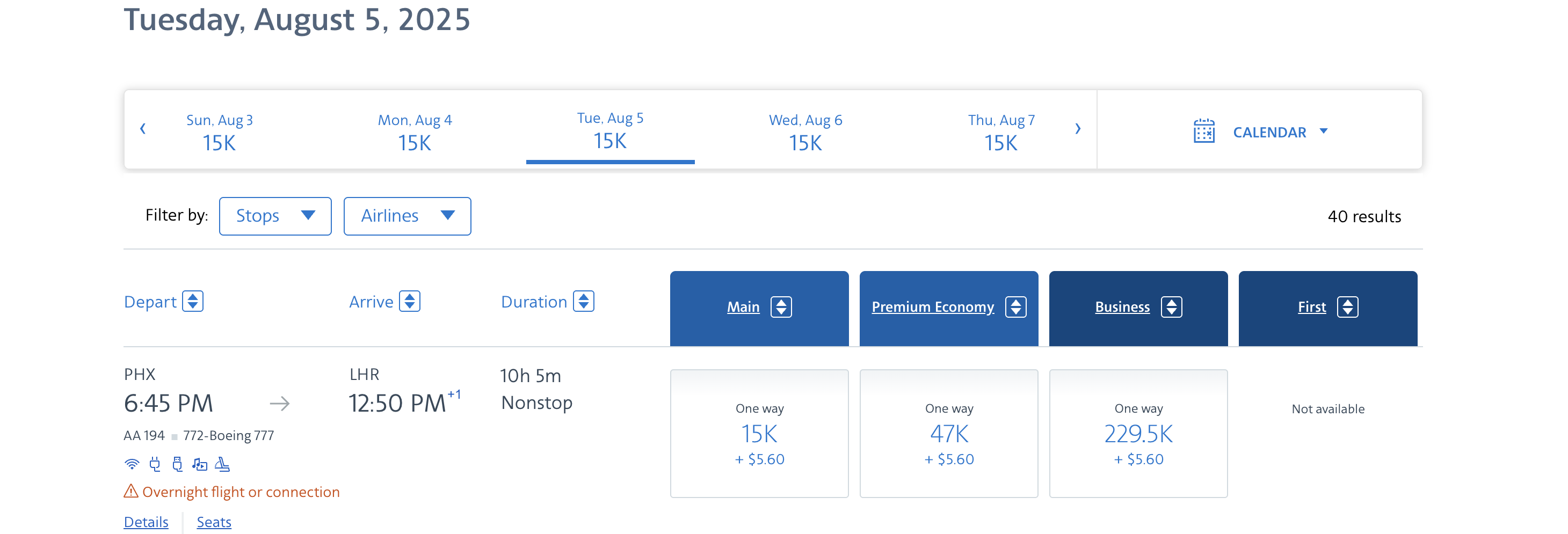
Every airline ticket is assigned a specific letter code, known as a fare basis code or fare class, which dictates not only the price but also the conditions attached to the journey. Economy cabins, for instance, often span a dozen or more distinct sub-categories, ranging from deeply discounted non-refundable tickets to flexible fares that permit free changes and cancellations. Premium cabins—such as premium economy, business class, and first class—follow a similar hierarchy with their own dedicated inventory buckets.
Understanding the rules associated with a specific fare class is essential for avoiding unexpected expenses. Key restrictions typically embedded within fare rules include:
- Advance Purchase Requirements: Mandating that a ticket be purchased 7, 14, or 21 days prior to departure to qualify for a specific rate.
- Minimum and Maximum Stay Restrictions: Requiring passengers to stay away over a Saturday night, or limiting the total duration of the trip to prevent business travelers from utilizing leisure rates.
- Change and Cancellation Penalties: Specifying whether a ticket is entirely non-refundable, subject to a fixed change fee, or fully reimbursable to the original form of payment.
- Stopover Privileges: Dictating whether a passenger can break their journey at a connecting hub for more than 24 hours without incurring an additional segment charge.
Distribution Channels and the Role of Global Distribution Systems
Airlines distribute their seat inventory through multiple channels, each affecting the visibility and final cost of airline fares. Historically, travel agents relied entirely on Global Distribution Systems (GDS)—such as Amadeus, Sabre, and Travelport—to view schedules and book tickets. Today, airlines also distribute fares directly through their proprietary websites and mobile applications, as well as via New Distribution Capability (NDC) application programming interfaces that enable richer merchandising of ancillary services like seat selection and baggage.
Online travel agencies (OTAs) aggregate fares from multiple carriers and GDS networks, giving consumers a broad overview of available options. However, travelers should note that fares found on third-party aggregator sites may occasionally exclude certain carrier-direct promotions, or they may complicate the process of making schedule changes or processing refunds. When disruptions occur, airlines generally require passengers who booked through third parties to resolve issues through their point of purchase, which can introduce delays compared to booking directly with the operating carrier.
| Distribution Channel | Primary Benefit | Potential Drawback | Best Used For |
|---|---|---|---|
| Airline Direct (Web/App) | Full access to inventory, easier modifications, direct customer support | Limited to a single carrier’s network and direct promotions | Booking straightforward itineraries and managing active reservations |
| Online Travel Agencies (OTAs) | Comprehensive cross-carrier price comparison and flexible bundling | Complex change policies, third-party service fees, potential customer service friction | Comparing baseline market rates across multiple airlines |
| Global Distribution Systems (GDS) | Access to deep corporate contracts, multi-leg interline routing | Generally restricted to corporate travel departments and licensed agencies | Managed corporate travel programs and complex multi-city journeys |
Taxes, Fees, and Surcharges Beyond the Base Fare
When evaluating airline fares, the advertised headline price rarely represents the total out-of-pocket cost. Governments and airport authorities levy various taxes, security fees, and passenger facility charges that carriers must collect on their behalf. In many jurisdictions, consumer protection regulations require airlines to display the total mandatory price upfront, including all government taxes and carrier-imposed fees.
Carrier-imposed surcharges, historically referred to as fuel surcharges, represent an additional cost component added by certain international airlines. Unlike government taxes, these surcharges are set by the carrier and can vary significantly depending on the route and the frequent flyer program used to redeem miles. Furthermore, ancillary fees—such as checked baggage charges, carry-on restrictions for basic economy fares, seat selection fees, and in-flight amenities—can substantially alter the true cost of travel if not factored into the initial purchasing decision.
Strategic Timing and Booking Best Practices
Securing the most advantageous airline fares involves balancing purchase timing with flexibility regarding travel dates and routing. While the long-standing myth of a specific magical day or hour to buy tickets has been largely debunked by dynamic pricing algorithms, broader historical patterns remain useful. For domestic flights, booking windows typically peak between one and three months prior to departure, while international itineraries often demand a three-to-six-month lead time to capture optimal pricing before business-tier demand drives up remaining inventory costs.
Travelers seeking to minimize expenses should leverage fare-monitoring tools and set price alerts for specific routes. Flexibility remains the single most effective lever for cost reduction; shifting departure or return dates by even a single day, or considering alternative airports within the same metropolitan area, can unlock lower fare buckets. Additionally, understanding the distinction between non-stop flights and itineraries with connections helps travelers weigh the trade-off between lower fares and increased transit duration.
How to Secure Optimal Fares and Manage Bookings
Navigating the complexities of airline pricing requires a systematic approach to research, evaluation, and purchasing. Travelers can implement a reliable process to ensure they capture fair market value while maintaining necessary trip flexibility.
- Define Itinerary Parameters: Establish flexible travel dates, acceptable routing windows, and essential baggage or seat requirements before beginning your search.
- Conduct Broad Market Research: Utilize meta-search engines and airline direct channels to establish a baseline price for your desired route across multiple carriers.
- Review Fare Class Rules: Examine the specific conditions attached to the target fare, verifying change policies, refundability, and baggage allowances.
- Calculate Total Cost: Add mandatory ancillary fees—such as seat selection or checked bags—to the base fare to determine the true out-of-pocket expense.
- Execute the Purchase: Book directly through the carrier or a trusted platform, and retain all confirmation records and fare basis details for future reference.
Frequently Asked Questions About Airline Fares
Why do airline fares change so frequently?
Airline fares change constantly because they are managed by automated revenue management software responding in real time to seat inventory levels, booking velocity, competitor price shifts, and historical demand forecasts for specific routes.
Are basic economy fares always the cheapest option?
While basic economy tickets feature the lowest base price, they frequently exclude standard carry-on bags, seat selection, and ticket flexibility. Once mandatory ancillary fees are added, basic economy fares can occasionally exceed the cost of standard economy tickets.
Do hidden-city ticketing strategies violate airline rules?
Yes, booking a multi-leg flight and intentionally exiting at the connection hub—known as hidden-city ticketing—violates the contract of carriage agreed upon at purchase. Airlines may penalize passengers by revoking frequent flyer miles, canceling return segments, or barring them from future travel.
How do flight search engines track user search history?
Most modern flight search aggregators do not actively raise prices based on individual cookies or search history; rather, visible price increases typically occur because other consumers are booking seats from the same limited inventory bucket simultaneously.
What recourse do passengers have when a purchased fare drops in price?
Most non-refundable airline tickets offer no recourse if prices drop after purchase, though some network carriers have eliminated change fees, allowing passengers to cancel for a travel credit and rebook at the lower current rate minus any fare differences.
Are weekend flights always more expensive than weekday flights?
Not necessarily. While Friday and Sunday afternoons experience high demand from business and leisure travelers, mid-week days like Tuesdays and Wednesdays often see competitive pricing, though pricing ultimately depends on route-specific supply and demand dynamics.
Optimizing Your Next Flight Purchase
To consistently secure favorable airline fares, prioritize flexibility and transparency throughout the booking process. Always evaluate the total cost of travel by factoring in ancillary fees, baggage rules, and change policies rather than focusing solely on the initial headline price. By monitoring market trends and booking within optimal timeframes, travelers can navigate airline pricing structures with confidence and efficiency.