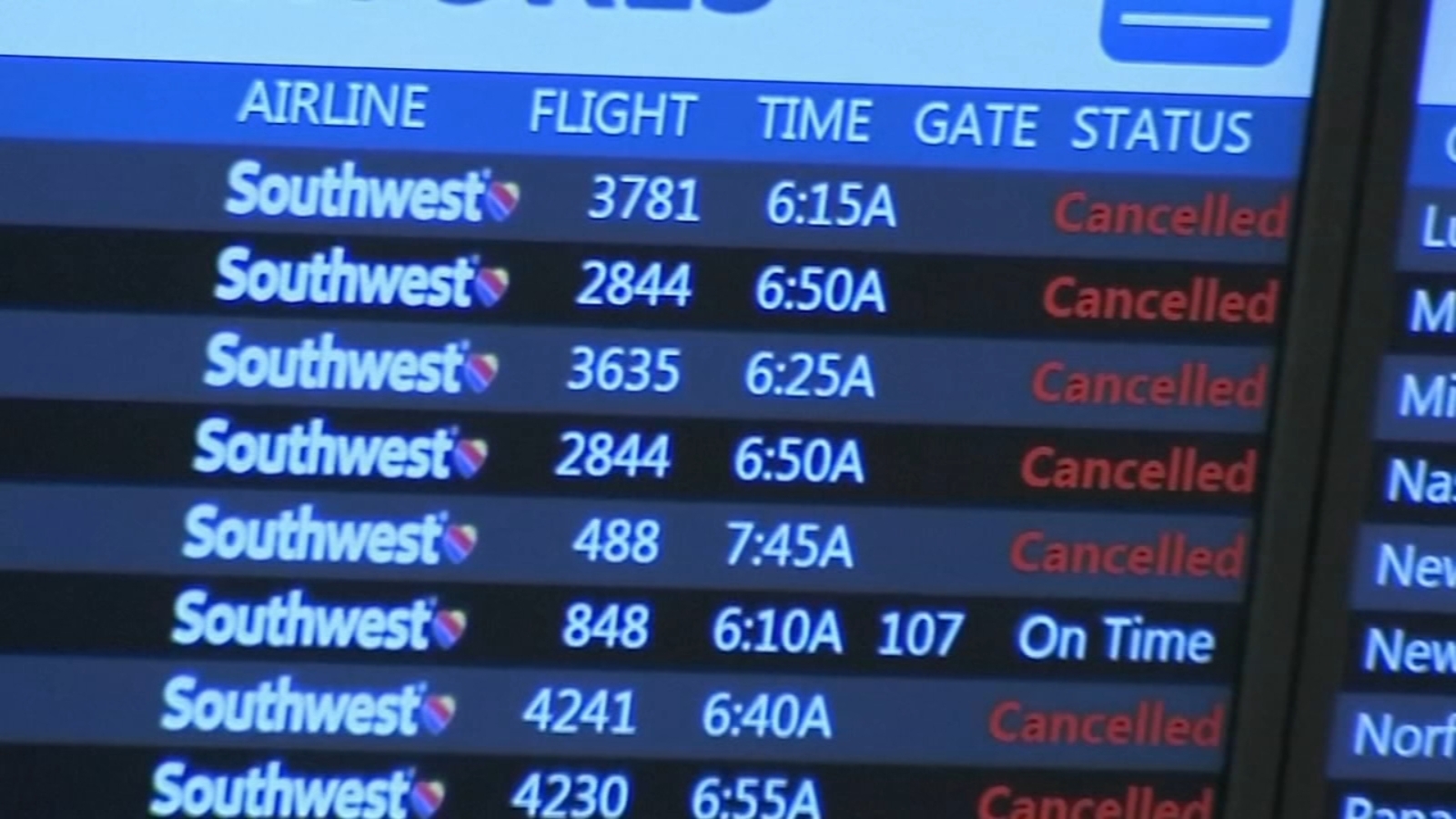
Airline disruptions, encompassing flight cancellations, significant delays, missed connections, and denied boarding, interrupt travel schedules and require passengers to understand their legal protections, carrier obligations, and operational realities to secure appropriate assistance or financial compensation.
Understanding the Root Causes of Flight Disruptions
Airline disruptions rarely occur in a vacuum; they are typically the downstream result of a complex chain of operational bottlenecks, environmental factors, and regulatory pressures. To navigate these events effectively, travelers must first understand what triggers them. The commercial aviation ecosystem operates on tight schedules where a single delayed aircraft in the morning can cascade into a series of missed connections and cancellations by evening.
Weather remains the most common external catalyst for disruption. Severe thunderstorms, heavy snowfalls, fog, and hurricanes reduce airport capacity by forcing air traffic control to increase spacing between arrivals and departures. Beyond direct weather at the departure or arrival airport, an airline may experience disruptions due to adverse conditions along the flight path or at an intermediate hub airport through which aircraft and crew must rotate.
Technical failures and maintenance requirements represent another critical category. Commercial aircraft are subject to rigorous safety mandates enforced by aviation authorities such as the Federal Aviation Administration (FAA) or the European Union Aviation Safety Agency (EASA). When a mechanical discrepancy arises, airlines must address it immediately, sometimes resulting in lengthy delays while replacement parts are sourced or maintenance crews complete repairs.
Air traffic control (ATC) constraints and staffing shortages round out the primary causes. High-density airspace, outdated infrastructure, and regional shortages of certified air traffic controllers frequently force regulatory bodies to implement ground delays or flow control programs. Similarly, airline crew scheduling issues—often exacerbated by weather disruptions that strand flight crews out of position—frequently ground flights even when the weather at the departure gate is clear.
Legal Frameworks and Passenger Rights Protections
Passenger rights during airline disruptions vary significantly depending on the jurisdiction in which the flight operates, the nationality of the carrier, and the governing regulatory framework. Understanding these laws is essential for determining whether an affected traveler is entitled to care, rebooking, or statutory financial compensation.
In the European Union, Regulation (EC) No 261/2004 establishes some of the most robust passenger protections in the world. This regulation applies to all flights departing from an EU airport, regardless of the airline's nationality, as well as flights arriving in an EU airport operated by an EU-regulated carrier. Under EU261, if a flight is canceled or delayed by three hours or more upon arrival at the final destination, passengers may be entitled to fixed statutory compensation ranging from €250 to €600, unless the disruption is caused by "extraordinary circumstances" that could not have been avoided even if all reasonable measures had been taken. Extraordinary circumstances typically include severe weather, air traffic control restrictions, and security risks, whereas technical malfunctions and routine airline operational issues are generally excluded from this exemption.
In contrast, United States aviation regulations historically placed fewer statutory compensation mandates on carriers regarding delays and cancellations. U.S. Department of Transportation (DOT) rules require airlines to provide a full refund if a flight is canceled or significantly delayed and the passenger chooses not to travel. Following expanded regulatory updates, U.S. carriers are also required to provide clear, upfront disclosures regarding fee waivers and amenities—such as meals, hotel accommodations, and ground transportation—when a cancellation or significant delay is controllable by the airline.
| Regulatory Framework | Geographic Scope | Compensation Mandates (Delays/Cancellations) | Mandatory Care (Meals, Hotels) |
|---|---|---|---|
| EU Regulation 261/2004 | Flights departing EU, or arriving EU on EU carriers | €250 – €600 fixed cash compensation for controllable disruptions | Required after 2+ hours for meals; overnight hotel and transport required |
| U.S. DOT Regulations | Flights within, to, or from the United States | Full refund for canceled/significantly delayed flights; no statutory cash delay fines | Standardized commitments vary by airline; minimum service commitments mandated by DOT dashboard |
| UK Regulation 261 | Flights departing UK, or arriving UK on UK/EU carriers | £220 – £520 fixed cash compensation mirroring EU standards | Required after 2+ hours for meals; overnight hotel and transport required |
| Canada Air Passenger Protection Regulations (APPR) | Flights to, from, and within Canada | CAD $125 – CAD $1_000 depending on airline size and length of delay | Required after 2 hours; hotel and transport for overnight delays |
Immediate Actions to Take When Disrupted
When an airline disruption occurs at the airport or prior to departure, taking methodical, well-documented steps maximizes the likelihood of a swift rebooking and secures the evidentiary foundation for any subsequent compensation claims. Panic and disorganization often lead to prolonged wait times and missed opportunities for alternative routing.
The first step is to establish communication with the airline while simultaneously utilizing digital alternatives. Physical airport service desks frequently accumulate massive queues during major disruptions. While waiting in line, passengers should immediately open the airline’s mobile application or website to check available rebooking options. Modern airline apps often permit self-service rebooking, allowing savvy travelers to secure seats on alternative flights before airport ticket agents even process the queue.
Documentation is critical for both expense reimbursement and compensation claims. Travelers should preserve all boarding passes, booking confirmations, and text messages or emails from the airline detailing the delay or cancellation. If the disruption results in out-of-pocket expenses for meals, communications, local transport, or overnight accommodations, itemized physical or digital receipts must be retained. Airlines are generally not obligated to reimburse luxury expenses, but reasonable costs for standard meals and mid-tier lodging are frequently recoverable under applicable regulations or carrier contract of carriage agreements.
Travelers should also request a written statement from the airline detailing the exact reason for the disruption. Gate agents or customer service representatives can provide documentation or endorsement codes confirming whether a delay was classified as weather-related, air traffic control-mandated, or mechanical in nature. This classification directly influences eligibility under frameworks like EU261 or Canadian APPR.
Rebooking, Routing Alternatives, and Carrier Obligations
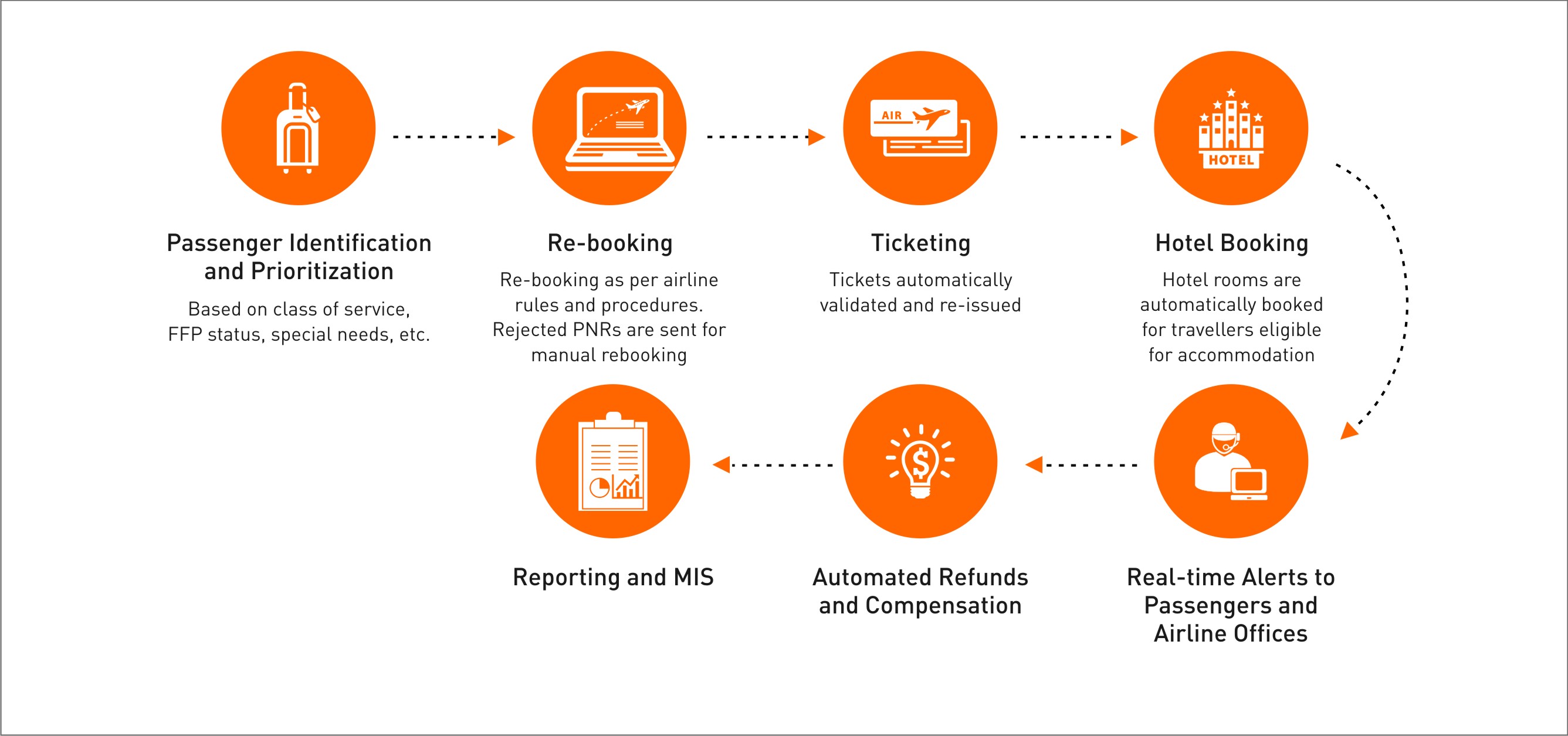
When an airline cancels a flight or causes a missed connection, the carrier’s legal and contractual obligation is to transport the passenger to their final destination under comparable transport conditions. However, the speed and efficiency with which this obligation is fulfilled depend heavily on knowing passenger entitlements.
Airlines are generally required to rebook passengers on the next available flight operated by their own network at no additional cost. If the carrier’s next available flight is days away—common during major hub meltdowns or weather events—passengers have the right to request rebooking on partner airlines or even competing carriers under interline agreements or regulatory mandates. For instance, under EU rules, if an airline cannot reroute a passenger on a reasonable schedule, the passenger may purchase their own ticket on an alternative carrier and seek full reimbursement for the cost, provided the expenses are substantiated and deemed necessary.
Passengers also retain the absolute right to refuse alternative transportation if the new itinerary defeats the purpose of the trip. In such cases, travelers are entitled to a full, unconditional refund of the unused ticket portion, as well as a return flight to their original point of departure if the disruption occurred during a journey with multiple legs. Accepting a refund, however, typically waives the airline's obligation to provide further care or onward transportation.
Navigating Travel Insurance and Credit Card Protections
Beyond statutory airline obligations, auxiliary financial protections can mitigate the out-of-pocket costs and logistical friction associated with severe airline disruptions. Coordinating these layers of protection requires understanding policy triggers, deductibles, and documentation requirements.
Comprehensive travel insurance policies frequently include coverage for trip interruption, travel delay, and baggage loss. Trip delay coverage typically activates after a specified threshold—such as a delay of six to twelve hours—and reimburses reasonable expenses incurred during the waiting period, including meals, lodging, and essential clothing. To successfully file a travel insurance claim, policyholders must submit the original ticket receipt, proof of the airline's delay confirmation, and itemized receipts for all expenses.
Premium credit cards frequently offer built-in travel protection benefits for cardholders who purchase their fares using the card. These policies often operate as secondary or primary coverage, supplementing what the airline provides. Cardholder benefits may cover non-refundable hotel bookings, rental car reservations, and event tickets lost due to a flight cancellation. Reviewing the specific terms and conditions of the credit card’s benefits guide before travel ensures travelers know their exact coverage limits and reporting deadlines.
Frequently Asked Questions About Airline Disruptions
What constitutes a significant flight delay under passenger rights laws?
A significant delay varies by jurisdiction. Under EU and UK regulations, a delay of three hours or more upon arrival at the final destination qualifies passengers for potential statutory compensation. In the United States, the Department of Transportation defines a significant delay as a change of three hours or more for domestic flights and six hours or more for international flights, which triggers eligibility for a full refund if the passenger declines alternative travel.
Are airlines required to pay for hotel rooms during overnight delays?
Yes, when a delay is within the airline's control—such as a mechanical failure or crew scheduling error—and necessitates an overnight stay, airlines operating under EU, UK, or Canadian jurisdictions are strictly required to provide hotel accommodations and ground transportation to and from the hotel. U.S. carriers are increasingly updating their customer service commitments to cover hotels for controllable disruptions, though coverage details depend on the individual airline's contract of carriage.
Can I claim compensation if bad weather caused my flight to be canceled?
Generally, no. Severe weather events are legally classified as extraordinary circumstances or acts of God, which exempt airlines from paying statutory cash compensation. However, airlines are still obligated to provide care items such as food and water during extended waits and must offer either rebooking on the next available flight or a full refund.
What should I do if my luggage is lost or delayed during an airline disruption?
Passengers should immediately file a Property Irregularity Report (PIR) with the airline's baggage service desk before leaving the airport terminal. Under international agreements like the Montreal Convention, airlines are liable for proven damages resulting from delayed, lost, or damaged baggage up to a specified financial limit. Passengers should retain receipts for essential items purchased while awaiting delayed baggage to support reimbursement claims.
How long do I have to file an airline compensation claim?
Filing deadlines vary considerably depending on the governing jurisdiction and national statute of limitations. Under EU261, claims can typically be filed retroactively for up to three to six years, depending on the member state's national laws. In the United States, claims regarding refunds must be processed in accordance with DOT guidelines, while breach of contract claims are governed by state-level statutes of limitations.
Practical Next Steps for Affected Travelers
When confronting an airline disruption, maintaining composure and systematic documentation ensures the best possible outcome. Begin by immediately securing digital rebooking alternatives through the carrier's application while tracking all wait times and communications. Obtain written confirmation of the disruption's root cause from customer service agents, as this documentation dictates eligibility for statutory compensation. Retain every receipt for food, lodging, and transport to substantiate reimbursement claims with the airline, travel insurance provider, or credit card issuer. By leveraging these established rights and protective mechanisms, travelers can effectively mitigate the financial and logistical impacts of unexpected flight interruptions.