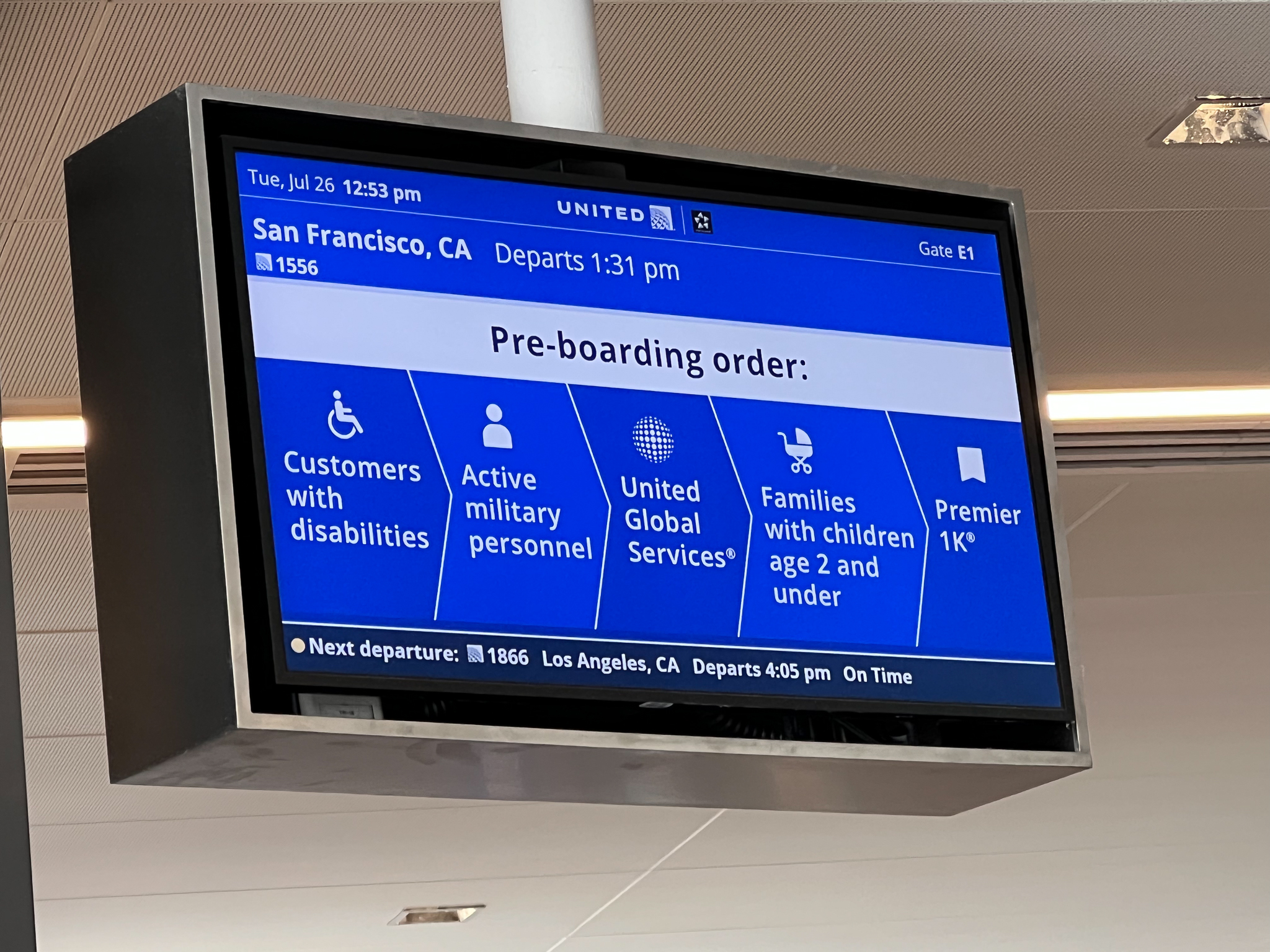
Airline boarding is the highly orchestrated operational phase in which passengers transition from the terminal gate into the aircraft cabin to prepare for departure. Navigating this process efficiently requires understanding airline priority systems, gate announcements, and baggage policies, ensuring a seamless journey from the waiting area to your assigned seat.
Understanding the Evolution of Modern Airline Boarding
The methodology airlines use to load aircraft has evolved dramatically over the last few decades. Historically, carriers relied on simple back-to-front or random seating configurations, but operational data revealed these approaches caused severe bottlenecks in the aisle. Modern aviation management relies heavily on advanced boarding systems designed to optimize turn times—the duration an aircraft spends at the gate between flights—while maximizing passenger convenience and loyalty program value.
Carriers now implement multi-tiered zone systems, rear-to-front boarding with window-to-aisle variations, and group-based sequences. These methods reduce passenger congestion in the aisle and accelerate stowing procedures for carry-on luggage. Major domestic and international carriers invest heavily in biometric boarding lanes and automated ticket scanners to streamline identity verification, cutting manual processing times down to mere seconds per passenger.
Understanding how your carrier structures these phases helps you position yourself correctly in the gate area. Rather than rushing the podium, passengers benefit from monitoring gate displays and listening closely to crew instructions, ensuring they enter the jet bridge only when their designated group or zone is called.
Decoding Boarding Zones and Priority Groups
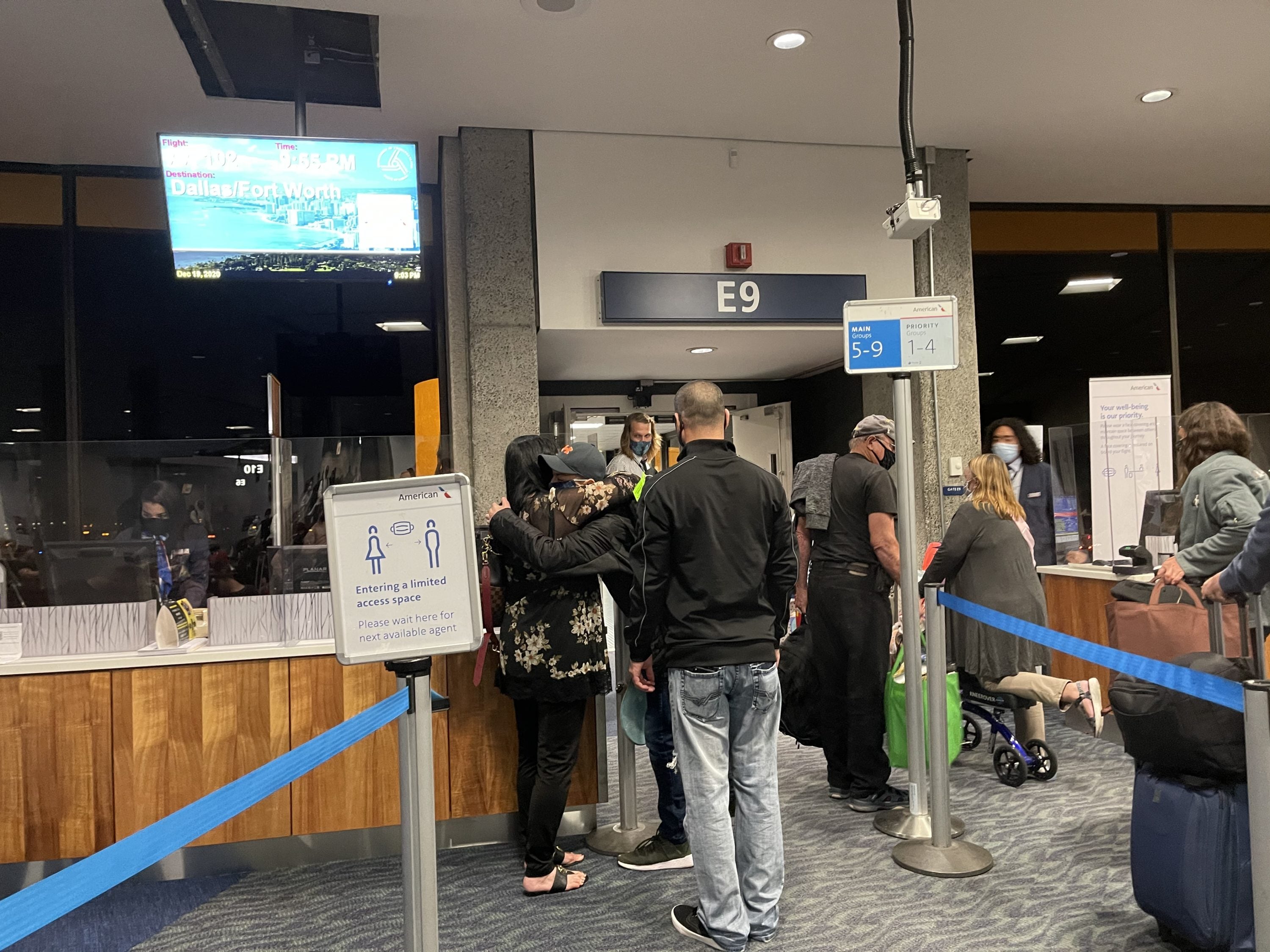
Most major airlines utilize a numbered or lettered zone system to dictate the order in which travelers leave the gate area. These groups are printed directly on your boarding pass, whether physical or digital. Navigating this hierarchy correctly prevents unnecessary friction with gate agents and ensures that overhead bin space remains available for your belongings.
The sequence typically begins with pre-boarding passengers, followed by elite frequent flyers, premium cabin ticket holders, and general boarding groups. While the exact terminology varies by air carrier, the structural hierarchy remains remarkably consistent across the commercial aviation industry.
Standard Airline Boarding Sequence
- Pre-Boarding: Unaccompanied minors, passengers requiring special assistance or wheelchair services, and active-duty military personnel.
- First Class and Business Class: Premium cabin ticket holders paying for top-tier front-cabin accommodations.
- Elite Frequent Flyers: Top-tier loyalty program members and premium co-branded credit cardholders.
- General Boarding Groups: Divided into numeric or alphabetical tiers (often Groups 1 through 5 or 6), usually sorted by fare class and seating position from rear to front or window to aisle.
- Basic Economy: Passengers who purchased restricted economy fares, who almost invariably board in the final group.
Gate Procedures and Identity Verification
Before stepping onto the jet bridge, passengers must clear the gate podium verification check. This step involves scanning your boarding pass—either from a smartphone screen or a printed paper slip—and, on international flights or select domestic routes, undergoing facial recognition verification.
Automated e-gates match your face against secure government passport databases in seconds, minimizing human error and accelerating the throughput of large crowds. If traveling internationally, gate agents will also verify passport validity, visa requirements, and destination entry rules before allowing physical passage. Failure to present valid documentation at this stage results in denial of boarding, regardless of whether you hold a valid ticket.
| Boarding Group Tier | Typical Eligibility Criteria | Carry-On Bin Access Level |
|---|---|---|
| Pre-Boarding | Special assistance, military, families with infants | Guaranteed priority placement |
| Premium Cabin | First Class, Business Class, elite status | Reserved or guaranteed overhead space |
| Mid-Tier Groups | Premium economy, mid-tier loyalty status | Moderate availability |
| General / Basic | Standard economy, basic economy fares | Limited or restricted overhead space |
Managing Carry-On Luggage and Personal Items
One of the most contentious aspects of airline boarding is the management of carry-on baggage. Airlines enforce strict size and weight limitations to ensure luggage fits safely into overhead bins or beneath the seat in front of you.
Passengers boarding in later groups frequently face the risk of overhead bin exhaustion. When bins fill up, gate agents are forced to check rolling suitcases into the cargo hold, often without charge, but causing delays upon arrival at your destination. To mitigate this, airlines encourage travelers to place smaller personal items—such as backpacks, purses, or laptop bags—under the seat, reserving the overhead compartment strictly for larger roller bags.
If you are traveling on a basic economy ticket with strict baggage allowances, ensure your bag complies with dimensions before arriving at the airport. Attempting to board with oversized luggage can trigger immediate gate-check fees or administrative delays.
Special Assistance and Family Boarding Protocols
Airlines accommodate passengers with unique physical, medical, or familial needs during a dedicated window before general boarding commences. This pre-boarding period ensures that travelers needing extra time, physical assistance, or wheelchair deployment can settle into their seats without navigating a crowded aisle.
Families traveling with small children or infants in strollers are typically invited to board during or immediately after the special assistance window. This allows parents to collapse strollers, stow car seats, and organize child-care essentials without holding up the rest of the aircraft.
- Wheelchair Services: Request wheelchair assistance at least 48 hours before departure through your airline's reservation portal.
- Stroller Checking: Most airlines allow you to gate-check strollers and folding wheelchairs right at the aircraft door, returning them to you on the jet bridge upon arrival.
- Unaccompanied Minors: Airline staff manage children traveling alone from the gate through flight arrival, ensuring safe handoff to designated guardians.
Troubleshooting Common Boarding Delays and Issues
Boarding is a time-sensitive operational milestone; delays at the gate can cascade into missed flight slots and disrupted connections across an entire airline network. Passengers can proactively address common obstacles to keep the line moving smoothly.
If your boarding pass fails to scan or rejects at the podium, step aside immediately rather than blocking the lane. This usually indicates a seat reassignment, a security flag, or a failure to verify passport documents. Gate agents can quickly reprint a seat assignment or clear the error code using their terminal workstaions.
Similarly, if you arrive at the gate after your designated group has passed, most airlines permit you to board immediately through the priority or remaining lanes rather than waiting for the entire queue to clear. However, arriving after the boarding door closes—typically 15 to 20 minutes before scheduled departure—will result in denied entry as the manifests are finalized and cargo doors are secured.
Frequently Asked Questions
What happens if I miss my boarding group call?
If you miss your designated group call, you can typically join the boarding line immediately using the current open lane or the designated priority lane, depending on the airline's policy. Gate agents rarely force you to wait until the very end of the line, provided boarding is still actively underway.
Can I board with a higher group if I am traveling with someone who has elite status?
Generally, airlines permit companions traveling on the exact same reservation to board with the higher priority passenger. However, if you are on separate reservations, gate agents rarely extend group-upgrade privileges unless you request an exception at the podium prior to the announcement.
Why do airlines check carry-on bags at the gate?
Gate agents check rolling bags when the cabin overhead bins reach maximum capacity. To prevent delays and ensure aircraft safety, late-boarding groups are often required to check excess roller bags into the cargo hold free of charge.
What is biometric boarding and is it mandatory?
Biometric boarding uses facial recognition technology to verify a passenger's identity against customs and border protection databases. While highly efficient, most international and domestic jurisdictions allow passengers to opt out of biometric scanning and request manual document inspection by a gate agent.
How early before departure does airline boarding start?
Domestic flights typically begin boarding 30 to 45 minutes before the scheduled departure time, while wide-body international flights often commence boarding 45 to 60 minutes prior to pushback due to higher passenger volumes.
What should I do if my boarding pass says SSSS?
The SSSS designation stands for Secondary Security Screening Selection. If your pass displays this code, you will be subjected to additional security screening at the gate, including luggage inspection and pat-downs, before you are cleared to enter the jet bridge.
Next Steps and Gate Preparation
Arrive at your assigned departure gate at least 45 minutes before domestic flights and 60 minutes prior to international departures. Monitor airport flight information display screens constantly for sudden gate changes or schedule updates. Keep your mobile boarding pass or paper ticket easily accessible on your smartphone or in hand, alongside valid government-issued identification, ensuring a streamlined transition from the terminal lounge to your aircraft seat.