When an airline enters bankruptcy, it triggers a complex web of legal, financial, and operational challenges that affect ticket holders, creditors, and employees alike. Understanding the mechanics of airline insolvency helps stakeholders navigate flight cancellations, refund requests, and ticket validity during corporate restructuring or liquidation proceedings.
An airline bankruptcy occurs when a carrier becomes legally and financially unable to meet its debt obligations to creditors, suppliers, and financial institutions. Unlike standard corporate retail insolvencies, commercial aviation involves immense capital costs, heavy regulatory oversight, and complex international treaties that dictate how carriers handle debt, fleet leasing, and passenger liabilities. When a major carrier files for insolvency, it generally seeks protection under specific domestic legal frameworks—such as Chapter 11 reorganization in the United States or administration under the Insolvency Act in the United Kingdom—allowing operations to continue while debt is restructured. However, liquidations can also occur abruptly, shutting down the airline immediately and leaving passengers stranded.
The Economic Drivers of Aviation Insolvency
The commercial aviation industry operates under notoriously thin profit margins, making it acutely vulnerable to macroeconomic volatility. Fixed costs consume a massive share of an airline's revenue, driven by fleet acquisitions, long-term leasing agreements, airport slot fees, and mandatory maintenance programs. When passenger demand drops or input costs spike, carriers can quickly burn through their cash reserves, leading to severe liquidity crises.
Fuel price volatility represents one of the most volatile cost centers for any carrier. Jet fuel constitutes between 20% and 30% of an airline's total operating expenses depending on market conditions. While sophisticated airlines utilize hedging strategies to lock in fuel prices, a sustained upward spike in crude oil prices can instantly transform a profitable quarter into a severe deficit. Coupled with labor disputes, pilot shortages, and rising interest rates on corporate debt, these pressures frequently push financially leveraged carriers toward restructuring.
Macroeconomic shocks, such as global recessions, geopolitical conflicts, or pandemics, compound these structural vulnerabilities. During widespread travel restrictions or economic downturns, passenger yields collapse while fixed overhead expenses remain largely constant. Because airlines rely on advance ticket sales to fund day-to-day operations—a pool of capital often referred to as the "unearned transportation revenue" liability—a sudden decline in forward bookings starves the carrier of the cash flow required to service its immediate obligations.
Legal Frameworks: Chapter 11 Reorganization Versus Liquidation
When an airline can no longer service its debt, it must choose between reorganizing its business under legal protection or winding down operations entirely. The legal pathway chosen dictates whether flights will continue and what options passengers and creditors will have.
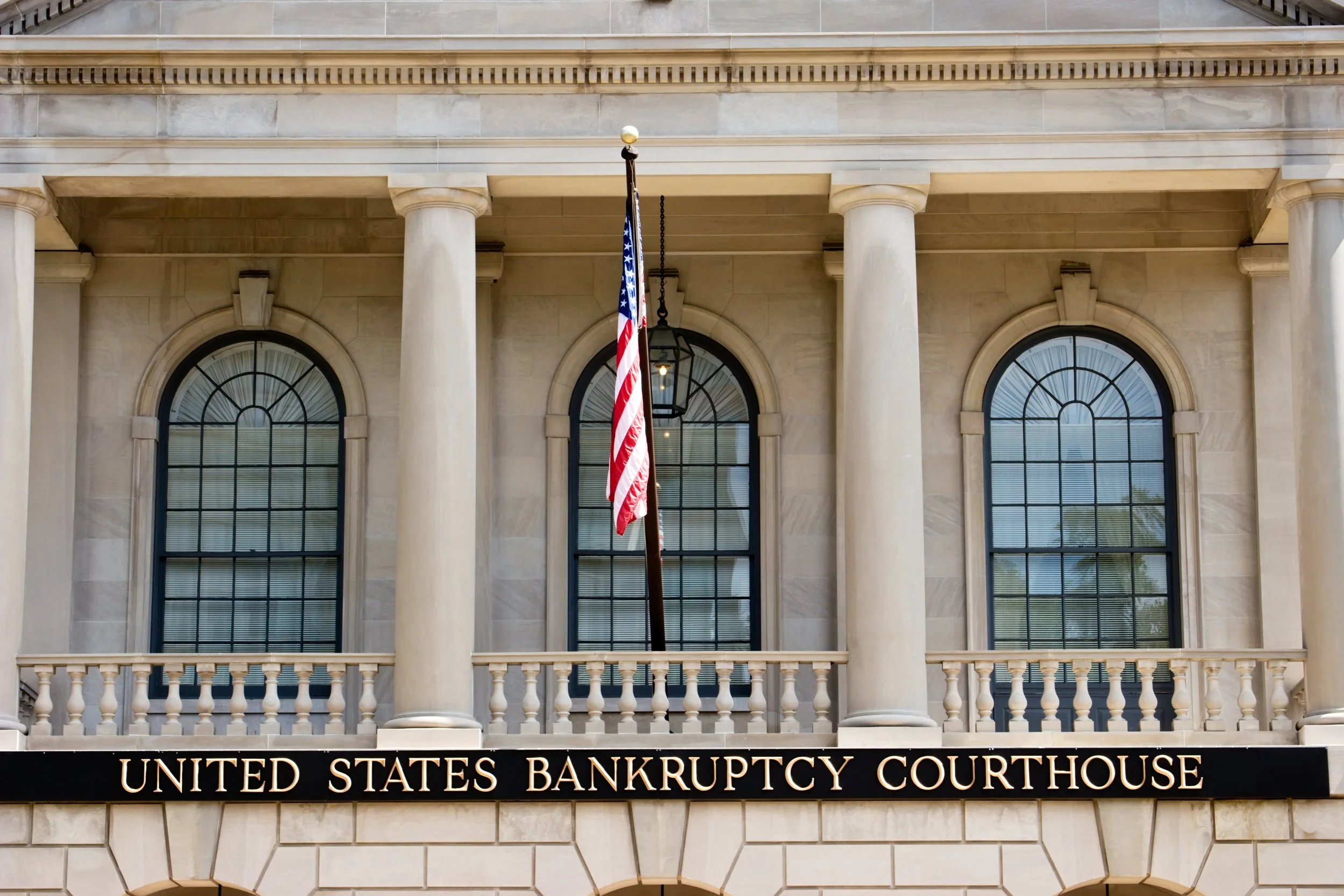
In jurisdictions like the United States, Chapter 11 of the Bankruptcy Code allows an airline to continue flying while it negotiates debt relief with creditors, renegotiates aircraft leases, and slashes operational overhead. The carrier operates under court supervision as a "debtor in possession." During this period, automatic stays temporarily halt lawsuits and collection efforts by creditors, giving management breathing room to formulate a comprehensive reorganization plan. Major network carriers have historically used Chapter 11 to shed unprofitable routes, renegotiate labor contracts, and emerge as leaner, financially viable enterprises.
Conversely, liquidation—such as Chapter 7 in the U.S. or compulsory liquidation in international jurisdictions—occurs when restructuring is deemed impossible. The court appoints a trustee to seize and sell off remaining assets, including aircraft, spare parts, and intellectual property, to satisfy creditor claims according to strict legal priorities. In a liquidation scenario, all flights are grounded immediately, and operations cease permanently without warning.
Key Differences Between Reorganization and Liquidation
| Feature | Chapter 11 Reorganization | Liquidation (Chapter 7 / Administration) |
|---|---|---|
| Operational Status | Flights generally continue under court supervision. | Immediate and permanent cessation of all flights. |
| Primary Goal | Restructure debt, renegotiate contracts, and restore profitability. | Sell off physical and intellectual assets to pay creditors. |
| Management Control | Existing management stays in place as "debtor in possession." | Independent trustee or administrator takes full control. |
| Ticket Validity | Existing tickets usually honored; schedule may be streamlined. | Tickets become invalid immediately; refunds require claims filing. |
| Employee Status | Workforce retained, though wages and benefits may be renegotiated. | Mass layoffs occur immediately upon shutdown. |
Passenger Rights and Ticket Protection During Insolvency
For the traveling public, the immediate concern during an airline bankruptcy centers on ticket validity, scheduled flights, and financial compensation. Passenger rights vary significantly depending on the jurisdiction in which the airline is licensed, the type of insolvency proceeding, and the method used to purchase the fare.
If an airline enters a restructuring process like Chapter 11, flights typically continue running, and previously purchased tickets remain valid. The airline's primary objective is to maintain passenger confidence and revenue generation. However, ancillary services, frequent flyer programs, and partner airline agreements may face disruption. Travelers holding elite status or accumulated miles may see the value of their rewards devalued or frozen during the restructuring period.
When an airline collapses entirely through sudden liquidation, passengers face a complex recovery process. Tickets purchased for future travel become worthless overnight. Passengers seeking refunds must navigate legal claims processes, which rank near the bottom of the creditor priority list. Secured creditors, tax authorities, and aircraft lessors are paid long before unsecured consumers receive any reimbursement.
Recovery Steps and Financial Protection for Ticket Holders
Navigating financial loss or flight cancellation due to airline insolvency requires prompt action and an understanding of available reimbursement channels.
Warning: Relying solely on the bankrupt airline for a refund during sudden liquidation rarely yields results. Consumers should immediately explore third-party financial protections and statutory chargeback mechanisms.
- Credit Card Chargebacks: Under consumer protection regulations such as the Fair Credit Billing Act in the U.S. or Section 75 of the Consumer Credit Act in the U.K., purchases made using a credit card for services not rendered are often eligible for a chargeback. Contact the card issuer immediately to file a dispute.
- Travel Insurance Policies: Review existing travel insurance or premium credit card travel protections. Comprehensive policies frequently include "scheduled airline failure insurance" (SAFI) or trip interruption coverage, though basic policies may explicitly exclude carrier insolvency.
- Regulatory Protections: Familiarize yourself with regional passenger rights regulations. For instance, European Union regulation EC 261 mandates specific care and compensation frameworks, though bankrupt carriers frequently claim exemption under "extraordinary circumstances," making direct enforcement difficult.
- Filing Proof of Claim: If a chargeback or insurance claim is unavailable, monitor the airline's bankruptcy portal to file an unsecured creditor claim within the court-mandated deadline, recognizing that recovery pennies on the dollar are common.
Mitigating Risk When Booking Vulnerable Carriers
Savvy travelers can minimize exposure to airline insolvency by employing strategic booking practices, particularly when purchasing long-haul or high-value itineraries during periods of economic uncertainty.
Evaluating the financial health of an airline involves reviewing publicly available quarterly earnings reports, debt-to-equity ratios, and credit ratings. Carriers carrying excessive long-term debt relative to their liquid cash reserves carry a higher risk profile. Monitoring independent aviation analytics and industry news can provide early warning indicators regarding a carrier's liquidity distress.
Payment method selection remains the single most effective safeguard. Consumers should avoid using debit cards, cash, or direct bank transfers for future travel bookings, as these methods lack the statutory protections afforded to credit card transactions. Purchasing comprehensive third-party travel insurance specifically covering supplier default adds an additional layer of financial insulation.
Frequently Asked Questions
What happens to my frequent flyer miles if an airline goes bankrupt?
Frequent flyer miles are unsecured liabilities of the airline. During a corporate restructuring, miles may be frozen, devalued, or subjected to stricter redemption rules, but they are rarely wiped out entirely. In a total liquidation, however, accumulated miles and elite status tiers typically become completely worthless with no avenue for financial recovery.
Will my return flight be honored if the airline declares bankruptcy mid-trip?
If the airline enters a court-supervised restructuring program, scheduled flights generally continue to operate, and your return flight should be honored. However, if the carrier shuts down operations abruptly, all flights are grounded immediately, stranding passengers. In such cases, travelers must arrange and pay for alternative transportation home out of pocket and seek reimbursement later through credit card chargebacks or travel insurance.
Are airline tickets protected by travel insurance?
Standard travel insurance policies often exclude losses arising from airline bankruptcy unless the policy explicitly includes "Scheduled Airline Failure Insurance" (SAFI) or "Financial Default" coverage. Travelers should verify these specific policy riders before departure, especially when booking with smaller or financially leveraged carriers.
How long does an airline bankruptcy restructuring take?
A court-supervised restructuring process typically takes anywhere from six months to several years, depending on the complexity of the carrier's debt structure, fleet obligations, and labor agreements. During this period, the airline must submit a formal plan of reorganization to the bankruptcy court for approval before it can officially emerge from insolvency protection.
Can I get a refund if I booked through a travel agency or online travel agency?
If you booked through a third-party travel agency, your primary contractual relationship may be with that agency rather than the airline directly. Contact the agency immediately to determine whether they can rebook your itinerary on another carrier or assist in processing a refund through merchant processing channels.
Strategic Next Actions for Affected Travelers
Travelers impacted by airline insolvency should audit their current bookings, verify payment methods used for upcoming itineraries, and review personal credit card agreements for consumer protection clauses. If a carrier shows signs of severe financial distress, proactively securing alternative travel arrangements or initiating chargeback procedures before formal liquidation occurs is the most effective way to safeguard personal capital.