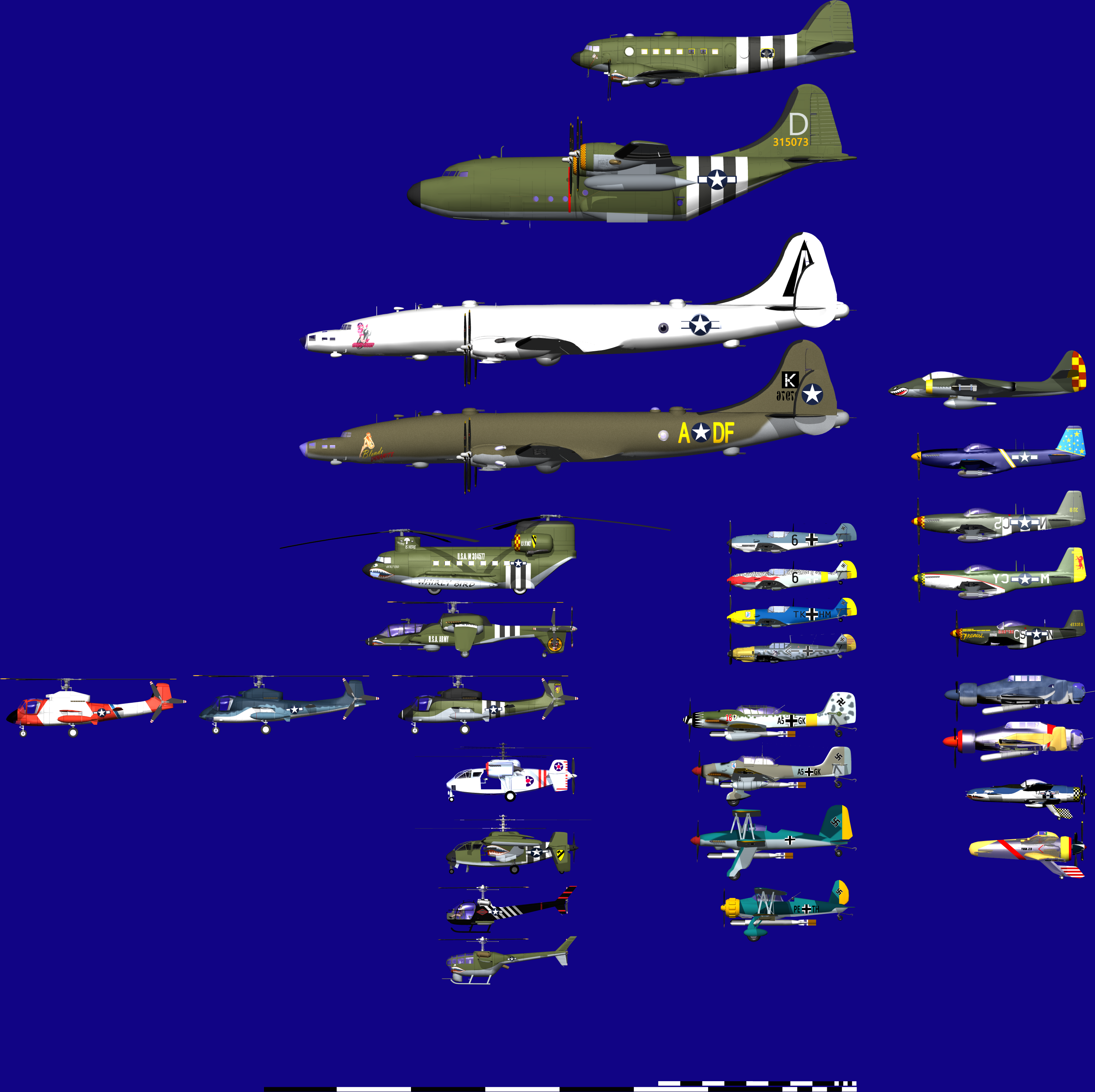
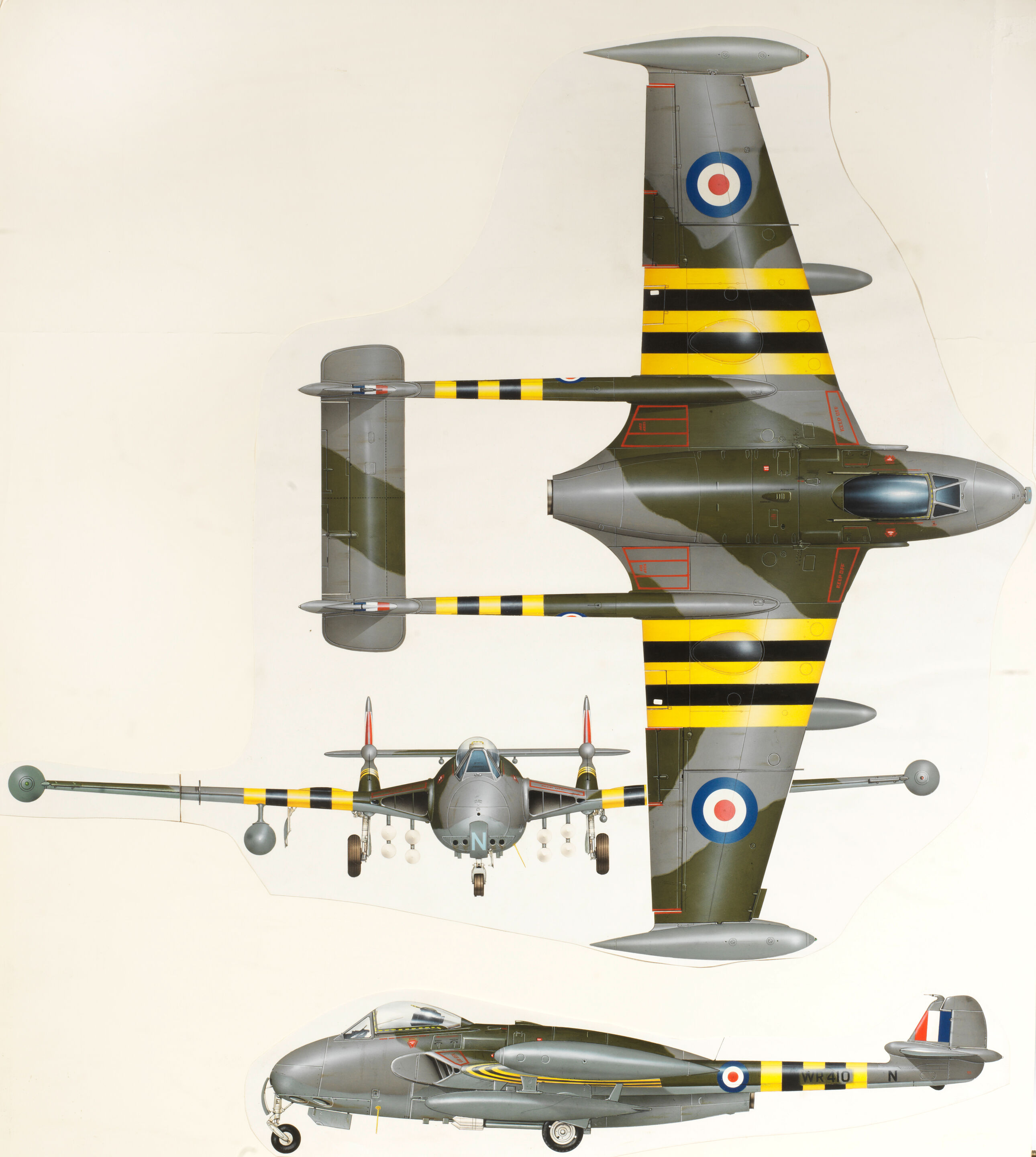
An aircraft profile encompasses the technical data, historical background, operational capabilities, and physical dimensions that define a specific flying machine or aircraft type. It serves as an essential reference for aviation professionals, regulators, enthusiasts, and model builders who require precise design specifications and performance metrics.
Defining the Core Components of an Aircraft Profile
An aircraft profile functions as a comprehensive digital or physical dossier containing all critical metrics required to identify, operate, or replicate an aircraft. This documentation spans structural blueprints, aerodynamic parameters, propulsion details, weight configurations, and avionics suites. Whether dealing with a commercial narrow-body airliner, a military interceptor, or a general aviation single-engine trainer, the profile bridges raw engineering data and practical application.
At its core, the profile breaks down into structural geometry, powerplants, and performance envelopes. Structural geometry details the wingspan, overall length, height, wing area, and aspect ratio, which dictate how the aircraft interacts with the air. Propulsion data covers engine types, thrust or horsepower outputs, fuel capacity, and specific fuel consumption rates. The performance envelope encapsulates stall speeds, maximum operating Mach numbers, service ceilings, and range calculations under standard atmospheric conditions.
| Category | Key Parameters Tracked |
|---|---|
| Geometric Data | Wingspan, Length, Height, Wing Area |
| Propulsion Systems | Engine Model, Thrust/Power, Fuel Load |
| Operational Envelope | Service Ceiling, Range, Stall Speed |
| Regulatory Identifier | ICAO/IATA Codes, Type Certificate |
Regulatory bodies such as the Federal Aviation Administration (FAA) and the European Union Aviation Safety Agency (EASA) rely on these standardized profiles to issue type certificates. These profiles ensure that every manufactured unit adheres strictly to approved engineering tolerances. Without an accurate profile, maintenance schedules, weight and balance calculations, and airspace integration become impossible to manage safely.
The Role of Aerodynamic Design and Geometry
The aerodynamic characteristics embedded within an aircraft profile dictate its flight behavior and mission suitability. Wing design stands as the most prominent feature, incorporating airfoil sections, sweep angles, dihedral, and twist. These variables influence lift-to-drag ratios, low-speed handling, and high-speed transonic or supersonic stability. For instance, a high-aspect-ratio wing favors long-range endurance and glider efficiency, whereas a delta wing supports high-speed maneuvering.
Fuselage design and empennage (tail assembly) configurations are equally critical. The fineness ratio of the fuselage minimizes parasitic drag, while the horizontal and vertical stabilizers provide pitch and yaw stability. Modern profiles frequently incorporate computer-aided fluid dynamics (CFD) summaries to illustrate pressure distributions and boundary layer behavior across the airframe. Understanding these aerodynamic properties helps pilots anticipate stall characteristics and allows engineers to optimize fuel efficiency across varied cruise altitudes.
Weight, Balance, and Loading Limitations
Every aircraft profile establishes strict weight boundaries to guarantee structural integrity and controllable flight dynamics. Operating outside these parameters risks catastrophic structural failure or loss of control authority. The profile outlines several baseline weight classifications that dictate daily flight planning:
- Maximum Takeoff Weight (MTOW): The absolute heaviest weight at which the aircraft is certified to commence its takeoff run, accounting for structural limits and runway performance requirements.
- Maximum Landing Weight (MLW): The highest weight permitted upon touchdown, designed to ensure the landing gear and airframe absorb impact forces without permanent deformation.
- Operating Empty Weight (OEW): The total weight of the aircraft including standard equipment, unusable fuel, un-drained fluids, and a standard crew, but excluding usable fuel and payload.
- Zero Fuel Weight (ZFW): The maximum permissible weight before adding usable fuel to the tanks, ensuring that wing-root bending moments do not exceed design thresholds during flight.
Weight and balance calculations require referencing the aircraft profile's center of gravity (CG) limits. The profile provides a longitudinal and lateral envelope within which the CG must reside from takeoff to landing. Exceeding forward CG limits results in high control forces and excessive landing speeds, while aft CG limits cause longitudinal instability and potential unrecoverable stalls.
Propulsion Integration and Performance Envelopes
The powerplant profile details the integration between the airframe and its engines, whether piston, turboprop, turbofan, or turbojet. Engine performance charts included in the profile define power settings, exhaust gas temperature (EGT) limits, and fuel flow rates across various altitudes and ambient temperatures. These metrics allow operators to plan fuel reserves accurately under international aviation regulations.
Performance envelopes also map out time-to-climb data, takeoff ground roll distances, and landing landing distances over a 50-foot obstacle. These figures vary based on density altitude—a combination of pressure altitude and temperature. Pilots consult these tables during pre-flight planning to verify that a given runway length is adequate for the aircraft's current weight and meteorological conditions.
| Aircraft Category | Typical Cruise Speed | Primary Operational Use | Typical Payload Capacity |
|---|---|---|---|
| General Aviation Piston | 100–180 knots | Training, Personal Transport | 2–6 Persons |
| Turboprop Utility | 250–350 knots | Regional Transport, Cargo | 9–19 Persons |
| Narrow-Body Jet | Mach 0.78–0.82 | Medium-Haul Commercial | 120–230 Passengers |
| Wide-Body Jet | Mach 0.82–0.85 | Long-Haul Intercontinental | 250–400+ Passengers |
Avionics, Systems, and Regulatory Identification
Modern aircraft profiles extend beyond physical dimensions to document onboard electronics, electrical distribution, and hydraulic systems. Avionics suites—ranging from traditional analog instruments to advanced glass cockpit flight management systems (FMS)—are cataloged to ensure crew qualifications and equipment compliance with modern air traffic management mandates, such as ADS-B Out and RNAV capabilities.
Furthermore, regulatory profiling requires standard identification codes. The International Civil Aviation Organization (ICAO) assigns a unique designator code (such as B738 for a Boeing 737-800 or A320 for an Airbus A320) used in flight plans worldwide. The International Air Transport Association (IATA) provides corresponding commercial codes. These identifiers ensure seamless communication between flight crews, dispatchers, and air traffic control authorities across international borders.
How to Verify and Utilize an Aircraft Profile
Utilizing an aircraft profile correctly requires accessing up-to-date documentation directly from the original equipment manufacturer (OEM) or national aviation authority. Pilots, dispatchers, and aerospace engineers must avoid relying on outdated or unverified secondary sources, as modifications, service bulletins, and supplemental type certificates (STCs) frequently alter baseline specifications.
When preparing for flight operations or technical analysis, execute the following verification steps:
- Locate the official Pilot's Operating Handbook (POH), Flight Manual (AFM), or Type Certificate Data Sheet (TCDS) corresponding directly to the specific serial number and modification state of the airframe.
- Cross-reference the current weight and balance manifest against the baseline OEW and CG envelope provided in Section 6 of the POH/AFM.
- Verify that all installed avionics and navigation databases align with current regional mandates specified by local civil aviation authorities.
- Review recent service bulletins and airworthiness directives (ADs) to ensure no temporary operational limitations have been imposed on the aircraft profile.
Adhering to these verification protocols eliminates operational hazards and guarantees compliance with international aviation standards.
Frequently Asked Questions
What is included in an official aircraft profile?
An official aircraft profile includes physical dimensions, aerodynamic data, weight and balance limits, powerplant specifications, performance charts, avionics equipment lists, and regulatory identification codes such as ICAO designators and type certificate numbers.
Why is the Center of Gravity important in an aircraft profile?
The Center of Gravity (CG) determines the stability and controllability of the aircraft. If the CG falls outside the forward or aft limits defined in the profile, the aircraft may become uncontrollable, experience extreme stall tendencies, or suffer structural failure.
How do changes to an aircraft affect its profile?
Modifications such as installing new avionics, painting the exterior, or changing interior seating alter the aircraft's weight, balance, and aerodynamic drag. These changes require an updated weight and balance report and potentially a Supplemental Type Certificate (STC) to keep the profile accurate.
Where can I find verified aircraft profiles for flight planning?
Verified profiles are found in official manufacturer documentation, including the Pilot's Operating Handbook (POH), Airplane Flight Manual (AFM), and Type Certificate Data Sheets (TCDS) published by regulatory bodies like the FAA or EASA.
What is the difference between MTOW and OEW?
Maximum Takeoff Weight (MTOW) is the absolute heaviest weight authorized for takeoff, while Operating Empty Weight (OEW) is the baseline weight of the empty aircraft plus standard equipment, unusable fluids, and crew, excluding usable fuel and payload.
Optimizing Operational Accuracy
To maintain peak safety and compliance, aviation operators must treat the aircraft profile as a living document that requires continuous cross-referencing against regulatory updates and physical airframe modifications. Always consult primary manufacturer documentation and national aviation authority databases before finalizing flight plans or engineering alterations.