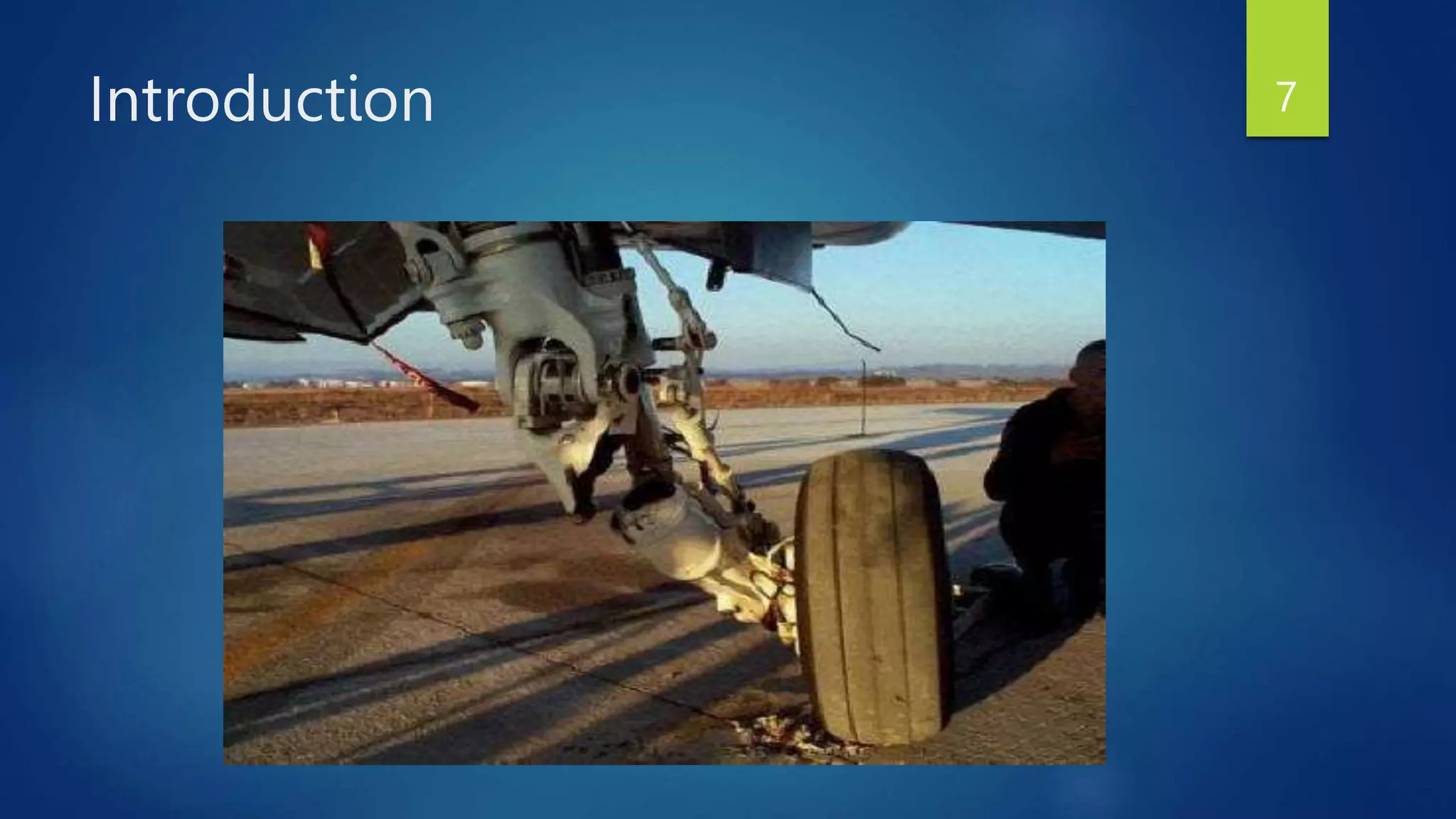
Aircraft fatigue is the progressive, localized structural damage that occurs when an aircraft is subjected to repeated cyclic loading and unloading during flight operations. Over time, fluctuating stresses from takeoff, pressurization cycles, turbulence, and landing cause microscopic cracks to initiate and propagate, which can eventually lead to catastrophic structural failure if not detected and mitigated through rigorous inspection and maintenance programs.
The Mechanics of Cyclic Stress in Aviation
Every phase of an aircraft flight introduces distinct mechanical loads that challenge structural integrity. Unlike static loads, which remain constant, cyclic loads fluctuate continuously in magnitude and frequency. When an aircraft sits on the tarmac, the fuselage and wings support only the dead weight of the structure and fuel. During taxiing, runway unevenness induces high-frequency, low-amplitude vibrations throughout the landing gear and airframe.
The most severe cyclic loads occur during the climb, cruise, and descent phases. Cabin pressurization introduces hoop and longitudinal stresses in the fuselage shell, expanding the metal skin slightly on every ascent and contracting it upon descent. Meanwhile, aerodynamic lift flexes the wings upward, while gusts and turbulence introduce unpredictable, transient bending moments. Each takeoff and landing cycle represents one full thermal and mechanical stress event. Over tens of thousands of hours, these cumulative cycles exceed the fatigue limit of aerospace alloys, shifting the molecular structure of the material and causing microscopic dislocations to coalesce into observable cracks.
Material Selection and Structural Design Philosophies
Modern aerospace engineering mitigates fatigue through careful material selection and adherence to strict design philosophies. Aluminum alloys, such as 2024 and 7075, have historically formed the backbone of airframe construction due to their high strength-to-weight ratio, though they require sophisticated protective coatings to prevent corrosion fatigue. Newer designs increasingly incorporate advanced composites, titanium, and aluminum-lithium alloys, which offer superior resistance to crack propagation and environmental degradation.
Airframe designers utilize three primary safety-design philosophies to manage fatigue over an aircraft's operational lifecycle:
- Safe-Life: Components are designed to operate for a specific, predetermined number of flight hours or cycles, after which they must be retired unconditionally, regardless of their visual condition. This approach is typically applied to critical non-inspectable parts like rotor hubs and engine turbine disks.
- Fail-Safe: Structures are engineered with redundant load paths. If one structural element fractures, adjacent members absorb the remaining load safely until the damage is discovered during routine maintenance.
- Damage-Tolerant: Based on the assumption that microscopic flaws may exist even in brand-new aircraft, this philosophy requires that structures are inspected periodically to ensure any developing cracks remain well below critical dimensions before they cause structural failure.
| Design Philosophy | Primary Objective | Typical Application | Inspection Frequency |
|---|---|---|---|
| Safe-Life | Prevent fatigue failure by mandatory retirement before crack initiation. | Engine disks, landing gear components, helicopter rotors. | None (part replacement at limit). |
| Fail-Safe | Prevent catastrophic failure via structural redundancy and alternate load paths. | Fuselage frames, multi-spar wings, control linkages. | Periodic visual and basic non-destructive checks. |
| Damage-Tolerant | Monitor known crack propagation rates to ensure safety via scheduled inspections. | Pressure bulkheads, high-stress wing joints, skin panels. | Rigorous, recurring NDT (Non-Destructive Testing) intervals. |
Non-Destructive Testing and Inspection Techniques
Detecting fatigue cracks before they reach a critical threshold requires specialized non-destructive testing (NDT) methods applied by certified technicians. Visual inspections alone are insufficient, as fatigue cracks often initiate beneath fasteners, inside multi-layer joints, or within internal structural members where they remain hidden from the naked eye.
Eddy current inspection is widely used to detect surface and near-surface cracks around fastener holes. By inducing an electromagnetic field in the material, technicians can identify disruptions in electrical conductivity caused by micro-cracking. Ultrasonic testing employs high-frequency sound waves to probe deep into thick metallic sections, such as wing spars and landing gear forgings, revealing internal flaws through signal reflection patterns. X-ray and digital radiography are deployed for complex assemblies where disassembly is impractical, allowing maintenance personnel to examine internal components for hidden structural degradation. Routine checks are mandated by airworthiness directives issued by regulatory bodies such as the Federal Aviation Administration and the European Union Aviation Safety Agency.
Operational Factors and Environmental Influences
Environmental conditions and operational profiles significantly accelerate or retard the rate of aircraft fatigue. Flights conducted in regions with severe atmospheric turbulence experience higher dynamic loads, consuming fatigue life at an accelerated rate compared to aircraft operating in smooth cruise conditions. Similarly, short-haul aircraft that execute frequent takeoffs, climbs, and pressurization cycles accumulate fatigue damage much faster than long-haul aircraft of the same age, even if their total flight hours are identical.
Corrosion acts as a major catalyst for structural degradation, creating a synergistic phenomenon known as corrosion-fatigue. Pits formed by environmental oxidation serve as severe stress concentrators, drastically reducing the number of cycles required to initiate a fatigue crack. To combat this, operators apply corrosion-inhibiting compounds and maintain strict environmental control within environmental control systems to manage moisture accumulation inside the fuselage bilge and lower lobe areas.
Implementing Structural Health Monitoring and Life Extension Programs
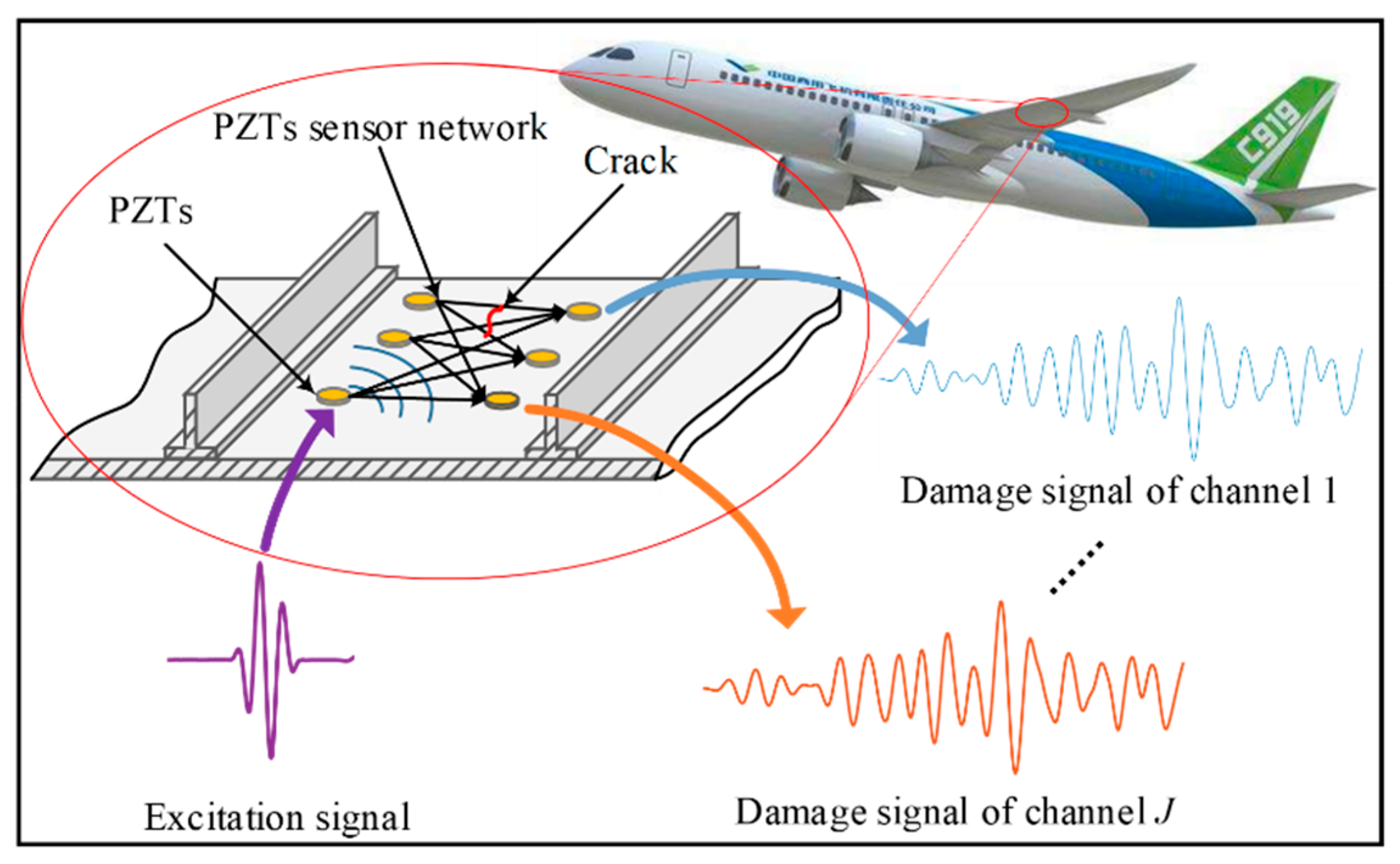
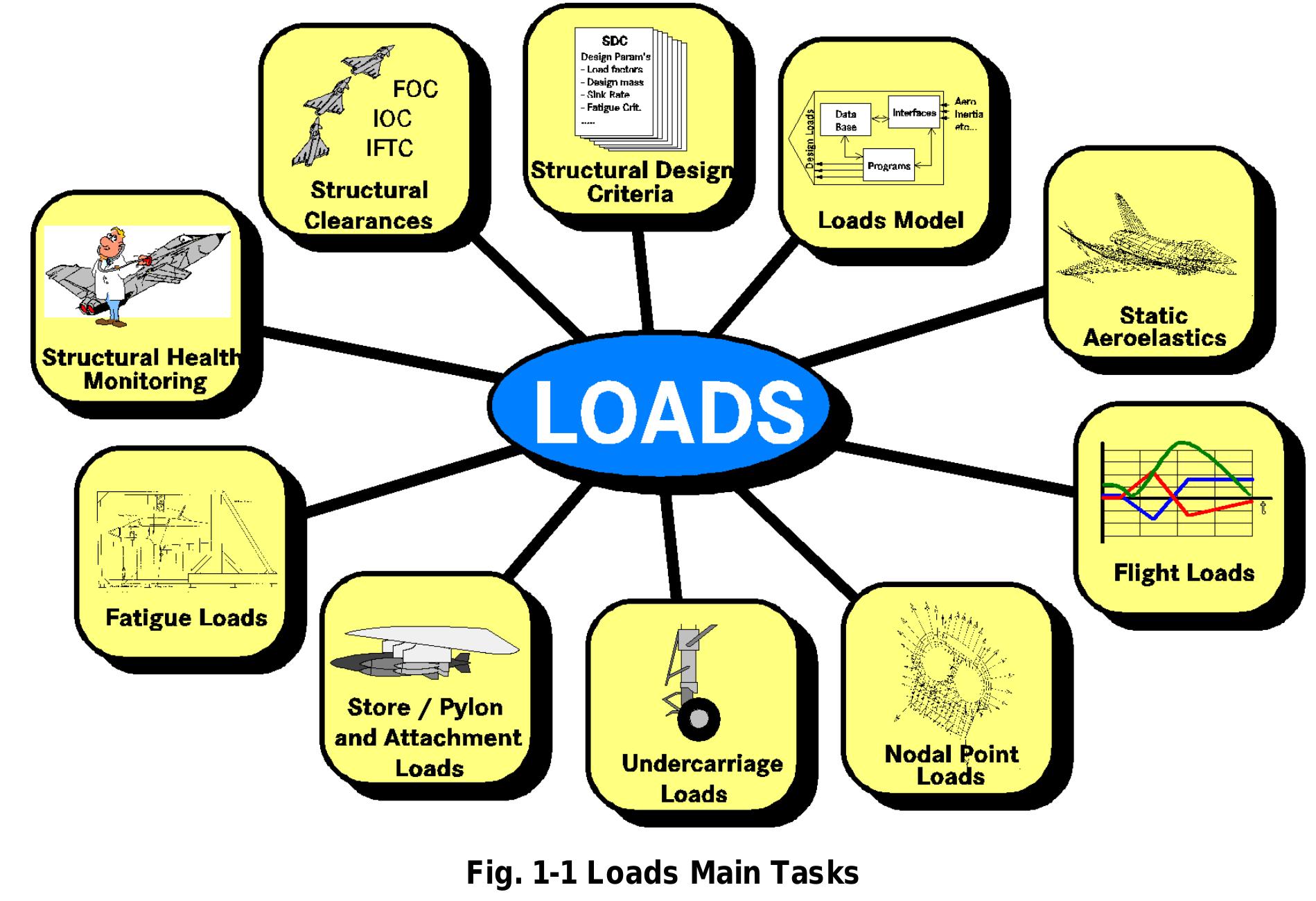
Managing aging fleets requires comprehensive structural health monitoring (SHM) and life extension programs. As aircraft exceed their original design service goals, operators employ strain gauges, fiber-optic sensors, and acoustic emission monitors to track actual in-service loading rather than relying solely on fleet-average analytical models. These systems provide real-time data on load histories, enabling data-driven maintenance and targeted structural modifications.
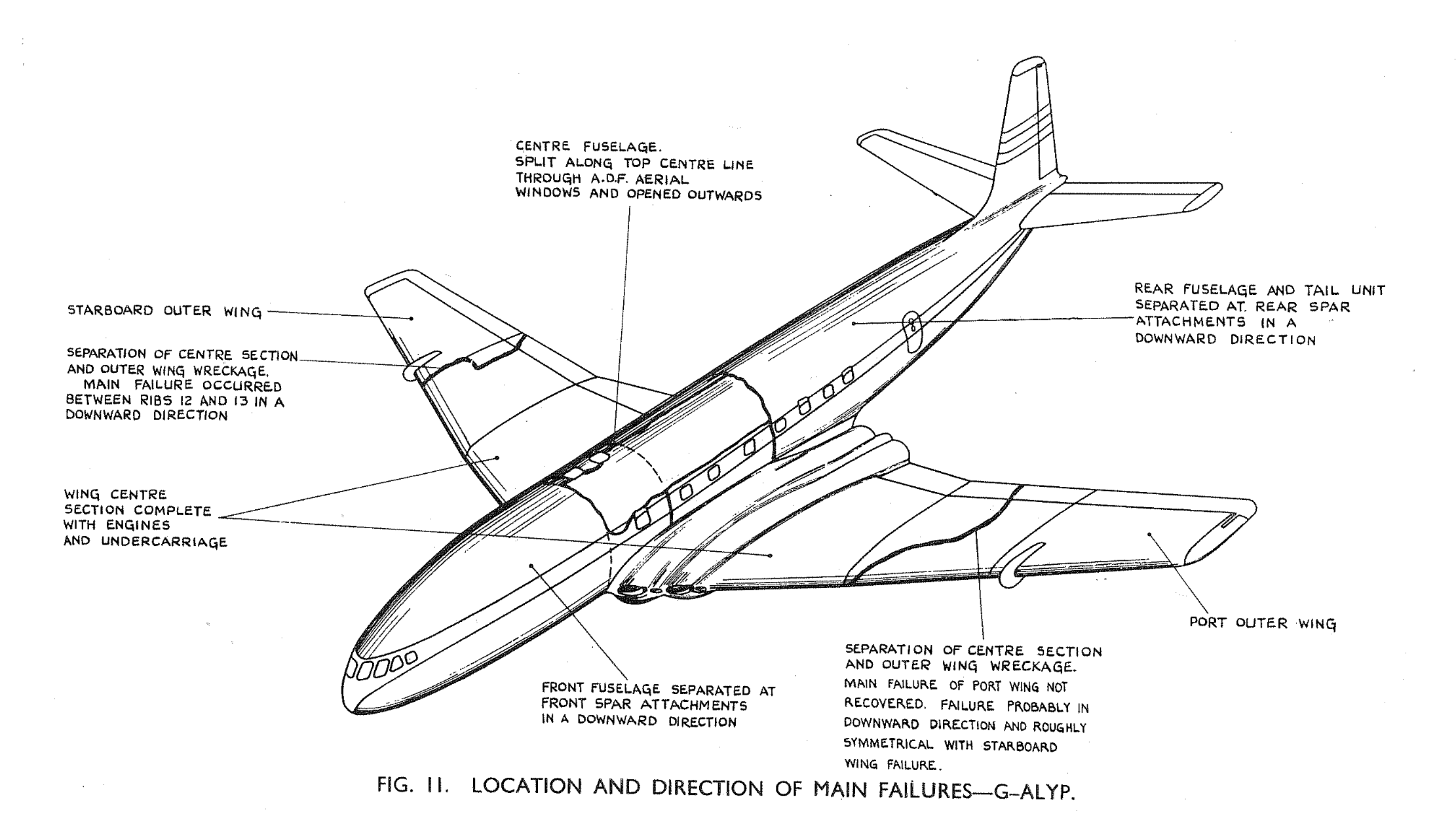
When inspections reveal widespread fatigue damage or when an aircraft approaches its certified limit, operators may execute major structural repairs or complete fuselage and wing reinforcement modifications. These interventions typically involve replacing fatigued skin panels, installing doubler plates to redistribute loads away from stress concentration zones, or upgrading fasteners to higher-tolerance interference-fit pins. Through these rigorous engineering measures, commercial and military aircraft can safely extend their operational lifespans well beyond initial design forecasts without compromising structural safety.
Frequently Asked Questions
What causes aircraft fatigue?
Aircraft fatigue is caused by the repetitive application of fluctuating mechanical and thermal stresses during flight. Factors such as cabin pressurization cycles, engine vibrations, aerodynamic buffeting, and landing impacts generate microscopic structural changes that eventually form cracks over thousands of operational hours.
How do engineers detect invisible fatigue cracks?
Engineers use advanced non-destructive testing (NDT) methods, including eddy current testing for surface cracks, ultrasonic testing for internal flaws, and X-ray radiography for hidden structural assemblies, allowing technicians to find micro-cracks without damaging the aircraft.
What is the difference between safe-life and damage-tolerant design?
Safe-life design requires components to be retired from service after a fixed number of hours or cycles to prevent cracks from ever starting. Damage-tolerant design assumes flaws may exist from manufacturing and relies on scheduled inspections to monitor crack growth, ensuring the structure remains safe before failure occurs.
Can aircraft fatigue be repaired?
Yes, localized fatigue damage can be repaired or mitigated. Maintenance teams utilize structural reinforcements, such as bonded doubler plates, replacement skin panels, and upgraded fastener systems, to restore load paths and extend the structural life of the airframe.
How do short-haul flights affect aircraft fatigue compared to long-haul flights?
Short-haul flights accelerate fatigue accumulation because they involve a much higher frequency of takeoff, landing, and cabin pressurization cycles per flight hour. An aircraft flying many short routes experiences rapid thermal and mechanical expansion cycles faster than a long-haul aircraft of identical calendar age.
What regulatory bodies oversee aircraft structural integrity?
National and international civil aviation authorities, such as the Federal Aviation Administration (FAA) in the United States and the European Union Aviation Safety Agency (EASA), mandate inspection intervals, airworthiness directives, and structural modification requirements to ensure fleet safety.
Implementing Effective Maintenance and Inspection Protocols
To maintain airworthiness and prevent catastrophic structural failures, operators must establish proactive maintenance tracking systems that correlate actual flight profiles with manufacturer service bulletins. Fleet managers should audit operational logs regularly to identify high-stress route patterns, schedule non-destructive testing well ahead of regulatory deadlines, and ensure maintenance personnel maintain rigorous certification standards for specialized inspection techniques. Prioritizing early detection safeguards operational continuity and protects passenger safety across the lifecycle of the aircraft.