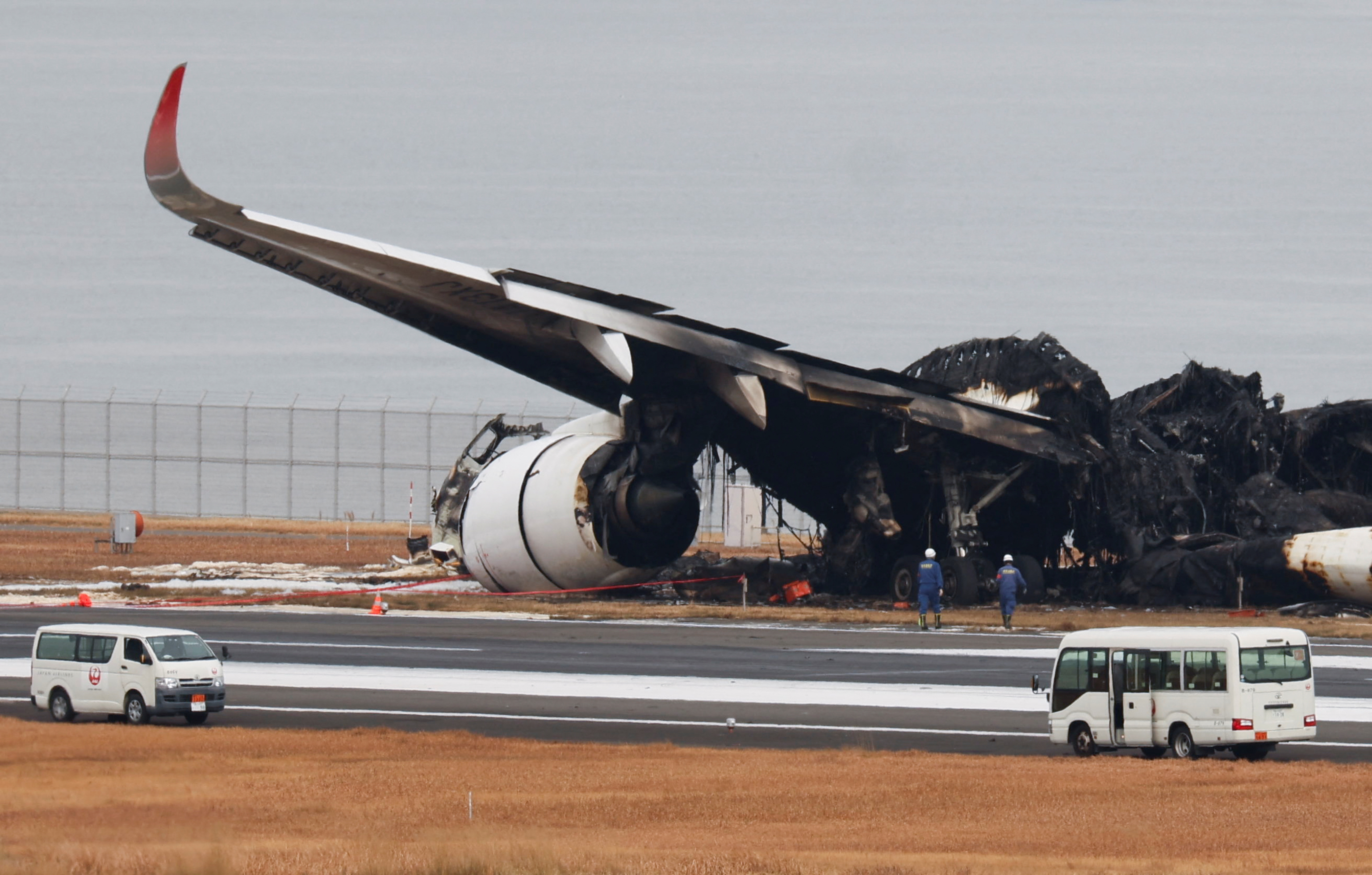
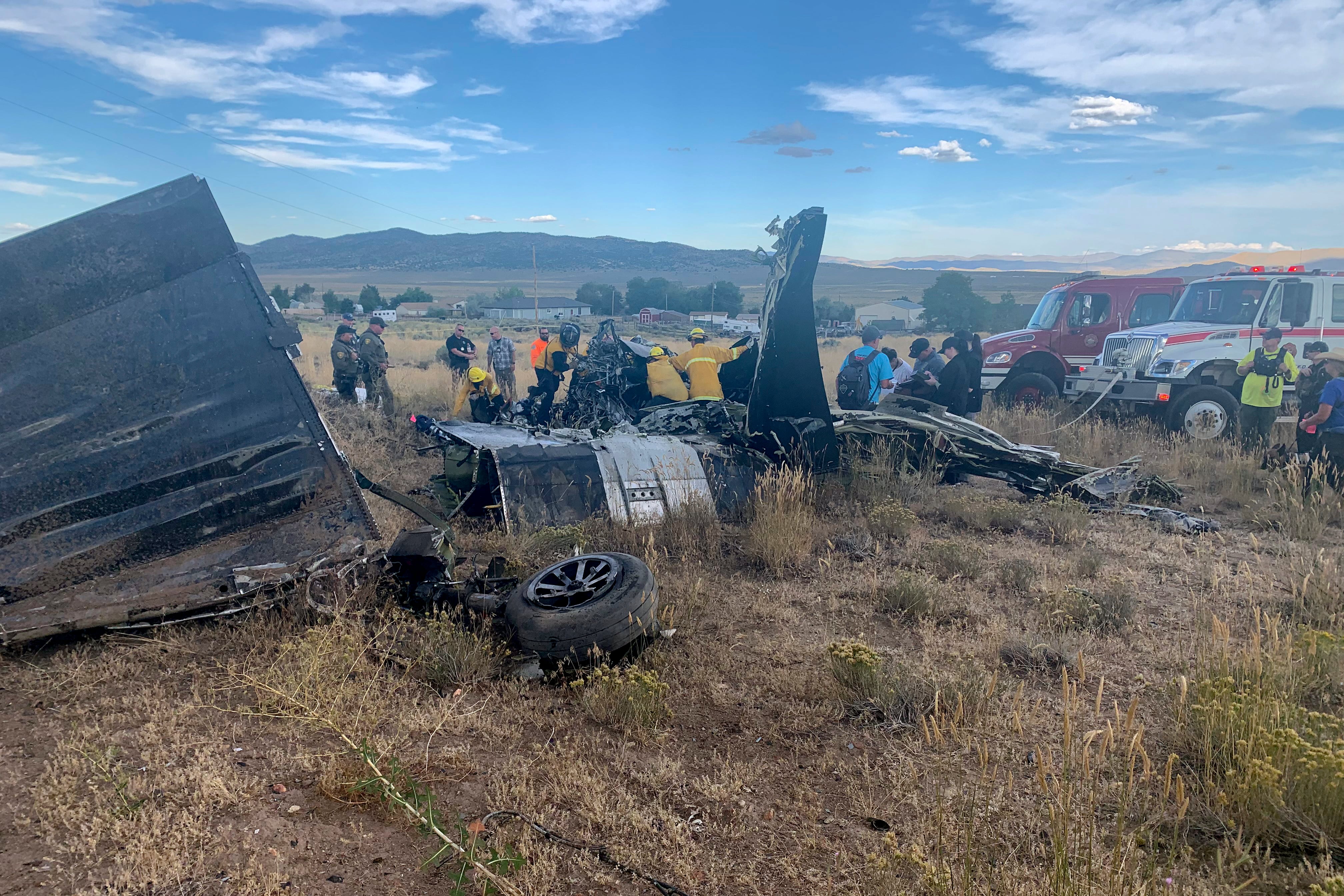
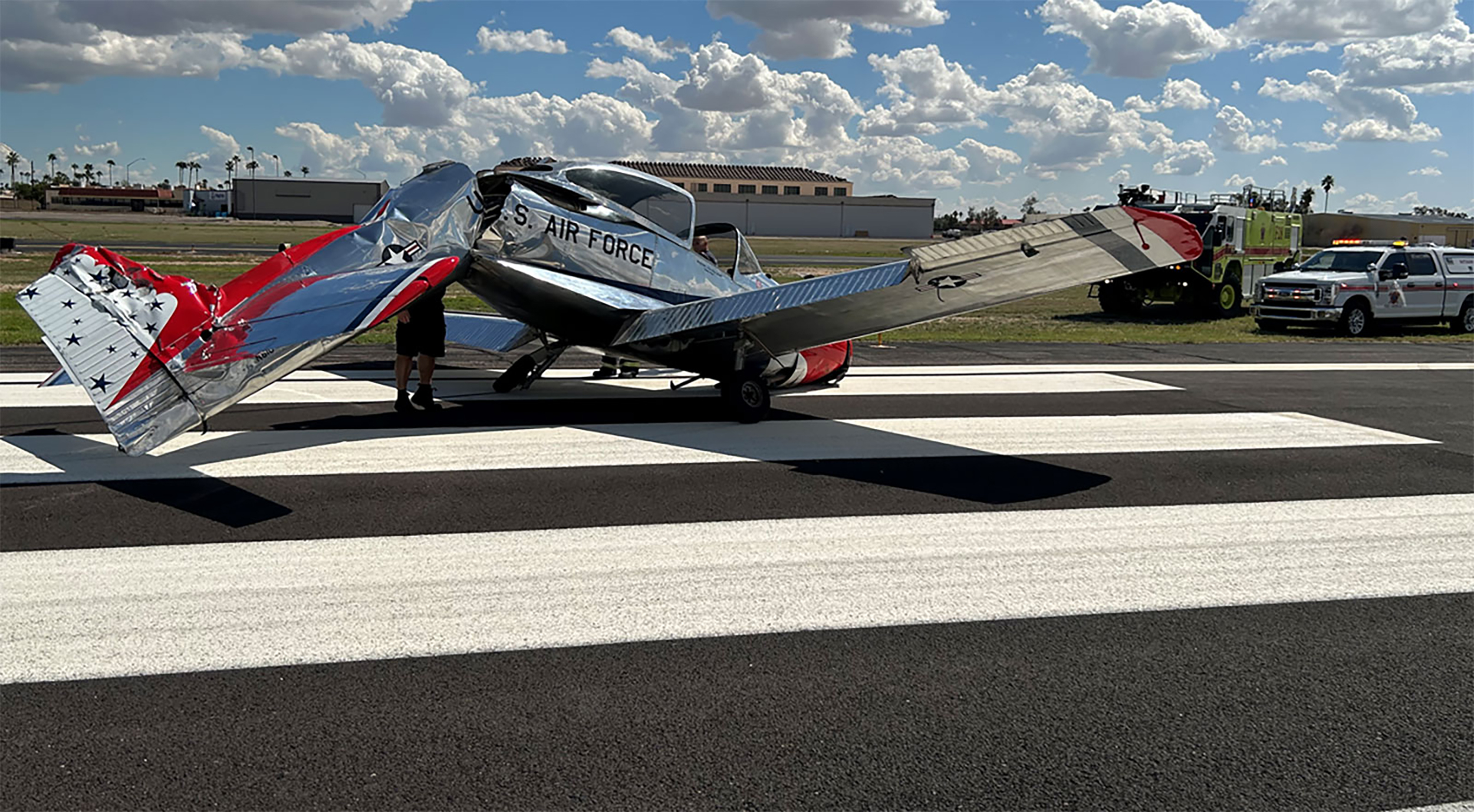
An aircraft collision involves the catastrophic or near-disastrous impact of two or more flying or ground-maneuvering air vehicles, encompassing both mid-air collisions and runway incursions. Modern aviation mitigates these severe hazards through rigorous air traffic control separation standards, advanced onboard collision avoidance logic, and mandatory safety reporting protocols governed by national and international regulatory bodies.
Defining Aircraft Collisions in Modern Aviation
An aircraft collision represents one of the most critical safety hazards in global aviation, encompassing both mid-air collisions (MAC) and ground-based incidents such as runway incursions and collisions during taxiing, takeoff, or landing. While mid-air collisions occur when aircraft intersect flight paths at cruising altitudes or during terminal maneuvering, runway collisions happen on the ground where aircraft and airport service vehicles share limited infrastructure. Understanding the taxonomy of these events is essential for pilots, air traffic controllers, and aviation safety analysts striving to eliminate fatal encounters.
The physics of an aircraft collision typically results in catastrophic structural failure due to the immense closure speeds involved. Even light general aviation aircraft approaching each other at standard cruising speeds generate closure rates exceeding 200 knots, while commercial jetliners cruising at high altitudes can experience closure velocities surpassing 1,000 knots. At these speeds, human visual reaction times are entirely insufficient to avoid an impact, necessitating automated technological interventions and strict procedural rules.
Regulatory agencies such as the Federal Aviation Administration (FAA) and the International Civil Aviation Organization (ICAO) categorize collisions based on proximity, operational phase, and causal factors. Near mid-air collisions (NMAC) are formally investigated as serious incidents where aircraft pass within hazardous proximity, even if physical contact does not occur. Analyzing these close calls provides vital empirical data that shapes future airspace design, communication protocols, and separation minimums.
The Evolution of Air Traffic Control and Separation Standards
Historically, early aviation relied primarily on the "see-and-avoid" principle, which placed the absolute burden of collision avoidance on the pilot's visual scan. As air traffic density increased exponentially following World War II, this manual approach proved dangerously inadequate, especially in adverse weather conditions or low-visibility environments. This operational limitation spurred the development of structured air traffic control (ATC) systems designed to maintain minimum spatial and temporal separation between aircraft.
Today, controlled airspace is divided into distinct classes that dictate mandatory separation services provided by ground-based controllers. Radar vectoring, flight plan filing, and standardized transponder usage allow controllers to track aircraft positions precisely. In en-route airspace, standard vertical separation mandates a minimum of 1,000 feet below Flight Level 290 and 2,000 feet above it, supplemented by horizontal separation criteria that scale according to radar coverage and navigational aid accuracy.
Despite these robust ground-based controls, human error, radio communication misinterpretations, and radar blind spots can still compromise separation margins. To bridge these safety gaps, aviation authorities implemented secondary surveillance radar (SSR) and mandatory encoding altimeters. These technologies transmit an aircraft's altitude and identification code directly to controller displays, transforming air traffic management from a reactive exercise into a proactive, predictive safety discipline.
Onboard Safety Technologies: TCAS and ADS-B
To provide a vital safety net independent of ground-based air traffic control, modern commercial and large turbine-powered aircraft utilize the Traffic Alert and Collision Avoidance System (TCAS). TCAS interrogates the transponders of nearby aircraft, calculates their relative trajectories, and provides pilots with two tiers of warnings: Traffic Advisories (TA), which alert crew members to a potential threat, and Resolution Advisories (RA), which issue explicit, coordinated instructions to climb or descend.
Complementing TCAS is Automatic Dependent Surveillance-Broadcast (ADS-B), a surveillance technology in which an aircraft determines its position via satellite navigation and periodically broadcasts it, enabling it to be tracked. ADS-B Out transmits precise position, velocity, and flight data to ground stations and other equipped aircraft via ADS-B In receivers. This system dramatically enhances situational awareness in both controlled and uncontrolled airspace, allowing pilots to visualize surrounding traffic on cockpit multi-function displays.
| Technology System | Primary Function | Operational Range | Warning / Output Type |
|---|---|---|---|
| TCAS II | Active aircraft interrogation and collision avoidance | Up to 40 nautical miles | Traffic Advisories (TA) and Resolution Advisories (RA) |
| ADS-B Out | Satellite-based aircraft position broadcasting | Varies by line-of-sight (typically 100+ NM) | Broadcasts GPS position, velocity, and identity data |
| ADS-B In | Reception of surrounding traffic and weather data | Varies by line-of-sight | Cockpit traffic display and meteorological data feeds |
| ASDE-X | Ground-based surface movement radar tracking | Airport surface and terminal area | Controller alerts for runway incursions and conflicts |
Runway Incursions and Ground Collision Risks
While mid-air collisions capture significant public attention, a substantial percentage of catastrophic aviation accidents occur on the ground. A runway incursion is defined as any occurrence at an aerodrome involving the incorrect presence of an aircraft, vehicle, or person on the protected area of a surface designated for the landing and takeoff of aircraft. These incidents often stem from complex taxiway layouts, diminished visibility, pilot disorientation, or communication lapses between ground control and flight crews.
Airports mitigate these risks through advanced surface surveillance tools such as the Airport Surface Detection Equipment, Model X (ASDE-X), which integrates radar, multilateration, and GPS data to track all surface traffic. Additionally, lighting systems like Runway Status Lights (RSLT) utilize automated ground sensors to illuminate red in-pavement lights directly when a runway is unsafe for entry or crossing, bypassing the delays inherent in verbal radio instructions.
Standard operating procedures during taxiing also emphasize sterile cockpit rules, mandatory read-backs of holding short instructions, and the use of precise airport diagram charts. When pilots or vehicle operators maintain disciplined situational awareness and adhere strictly to surface markings and signage, the statistical probability of a fatal ground collision decreases dramatically.
Human Factors and Psychological Elements in Collision Avoidance
Human factors play a definitive role in both the genesis and prevention of aircraft collisions. Fatigue, high workload, visual illusions, and cognitive tunnel vision can severely degrade a pilot's ability to maintain an effective visual scan or monitor avionics displays. In busy terminal areas, the sheer volume of radio chatter can lead to frequency congestion and missed read-backs, where an aircraft accepts a clearance intended for another call sign.
Crew Resource Management (CRM) training addresses these psychological and interpersonal vulnerabilities by emphasizing open communication, shared mental models, and assertive error-checking. Pilots are trained to question ambiguous instructions from air traffic control and to utilize all available onboard resources, including autopilot systems and co-pilot cross-checks, to manage high-workload phases of flight effectively.
Furthermore, standardization of phraseology minimizes the risk of semantic misunderstandings. International aviation operates under strict English-language phraseology guidelines established by the ICAO, ensuring that a clearance issued in New York carries the exact same operational meaning and parsing as one issued in Tokyo or London.
Investigation and Regulatory Response to Close Calls
When an aircraft collision or a serious near mid-air collision occurs, independent investigative bodies—such as the National Transportation Safety Board (NTSB) in the United States or equivalent national authorities—launch comprehensive forensic investigations. These investigations analyze cockpit voice recorder (CVR) transcripts, flight data recorder (FDR) parameters, radar logs, and air traffic control audio recordings to reconstruct the exact sequence of events leading to the loss of separation.
The objective of these investigations is never punitive; rather, the global aviation community operates under a "just culture" framework designed to encourage voluntary reporting of safety hazards and near misses. Organizations utilize systems like the Aviation Safety Reporting System (ASRS) to collect confidential incident reports from pilots and controllers, allowing safety analysts to identify systemic latent failures before they result in fatal accidents.
Regulatory responses to these findings often manifest as mandatory airworthiness directives, revised training curriculum requirements, or infrastructure upgrades at congested hub airports. By continuously refining the feedback loop between incident analysis and regulatory policy, the aviation industry maintains an exceptionally high safety record relative to other modes of transportation.
What Steps Should Flight Crews Take When Receiving a TCAS Resolution Advisory?
When a Traffic Alert and Collision Advisories (TCAS) Resolution Advisory (RA) is triggered, the pilot flying must immediately disconnect the autopilot and smoothly adjust the pitch and thrust to follow the vertical guidance displayed on the primary flight display. Simultaneously, the pilot monitoring must communicate the RA status to air traffic control using standardized phraseology, stating clearly that the aircraft is deviating from its assigned clearance due to a TCAS maneuver. Crews must never maneuver in a direction opposite to the RA guidance, as TCAS systems on conflicting aircraft coordinate their maneuvers inversely to ensure safe separation.
How Do Visual Scan Techniques Reduce Mid-Air Collision Risks?
Pilots reduce mid-air collision risks during visual flight rules (VFR) operations by employing systematic sector scanning rather than staring fixedly at a single point ahead. The human eye requires time to refocus and detect distant targets, making structured eye movements across small angular sectors (typically 10 to 15 degrees) essential for spotting conflicting traffic. Maintaining a clean windshield, wearing polarized or tinted aviation sunglasses to reduce glare, and utilizing cockpit lighting properly during twilight hours further enhance target acquisition capabilities.
What Is the Difference Between a Traffic Advisory and a Resolution Advisory?
A Traffic Advisory (TA) serves as an initial warning indicating that another aircraft is in close proximity, typically generating an aution-level "Traffic, Traffic" alert to prompt visual search and situational awareness. A Resolution Advisory (RA) is a higher-urgency alert that provides explicit directional guidance—such as "Climb, Climb" or "Descend, Descend"—requiring immediate physical intervention by the flight crew to alter the aircraft's vertical path and prevent an impending collision.
How Do Air Traffic Controllers Prevent Runway Incursions?
Air traffic controllers prevent runway incursions by enforcing strict holding position clearances, utilizing surface movement radar displays, and issuing explicit, unambiguous taxi routes that require mandatory read-backs from flight crews. Controllers also apply temporal and spatial separation rules between landing, departing, and taxiing aircraft, ensuring that active runways remain entirely clear of unauthorized personnel, vehicles, and stray aircraft before clearance is granted for takeoff or landing.
Prioritizing Safety Through Vigilance and Technology
Mitigating the threat of an aircraft collision requires an unwavering commitment to technological integration, disciplined operational procedures, and proactive human factors management. Whether operating under visual flight rules in uncontrolled airspace or navigating complex terminal environments under instrument meteorological conditions, pilots and controllers must utilize every available resource—from ADS-B and TCAS to standardized phraseology and CRM principles—to ensure safe skies. Continuous reporting, rigorous training, and adherence to established regulatory frameworks remain the cornerstone of global aviation safety.