Aircraft accident investigation is a systematic, highly specialized process aimed at determining the root causes of aviation occurrences to prevent future tragedies, relying on multidisciplinary technical analysis, international standards, and rigorous evidence recovery.
The process of aircraft accident investigation represents one of the most critical cornerstones of modern aviation safety. Far from serving a punitive or judicial function, modern civil aviation safety investigations are strictly safety-oriented. Their sole legal and operational purpose under international frameworks is to determine the facts, conditions, and circumstances surrounding an accident or serious incident, and to formulate safety recommendations. Determining liability or apportioning blame is expressly partitioned from this technical process, allowing investigators to unearth systemic vulnerabilities, mechanical failures, human factors, and environmental influences without interference.
Understanding how these complex inquiries operate requires examining the legal foundations, multi-phase technical methodologies, modern technological tools, and institutional frameworks that govern global aviation safety.
International Legal Frameworks and Regulatory Authority
The foundation of modern aircraft accident investigation is rooted in international law, specifically Annex 13 to the Convention on International Civil Aviation, commonly known as the Chicago Convention. Administered by the International Civil Organization (ICAO), Annex 13 establishes the global standard for how sovereign states must notify, investigate, and report on civil aircraft accidents and serious incidents.
Under Annex 13, the State in which the accident occurs holds the primary responsibility for conducting the investigation. However, depending on the circumstances, that state may delegate the whole or any part of the investigation to another state or regional accident investigation body by mutual arrangement and consent. Additional nations hold specific rights to participate through designated accredited representatives. These participatory rights are extended to:
- The State of Registry (where the aircraft is registered).
- The State of the Operator (where the operator's principal place of business is located).
- The State of Design (having jurisdiction over the type design of the aircraft).
- The State of Manufacture (having jurisdiction over the final assembly of the aircraft).
National authorities execute these international mandates within their respective jurisdictions. In the United States, the National Transportation Safety Board (NTSB) operates as an independent federal agency tasked with investigating civil aviation accidents. In the European Union, member states coordinate through bodies such as the Bureau d'Enquêtes et d'Analyses pour la Sécurité de l'Aviation Civile (BEA) in France or the Bundesstelle für Flugunfalluntersuchung (BFU) in Germany, working in close cooperation with the European Union Aviation Safety Agency (EASA). These organizations operate independently of civil aviation regulators to ensure absolute objectivity.
The Multi-Phase Investigation Methodology
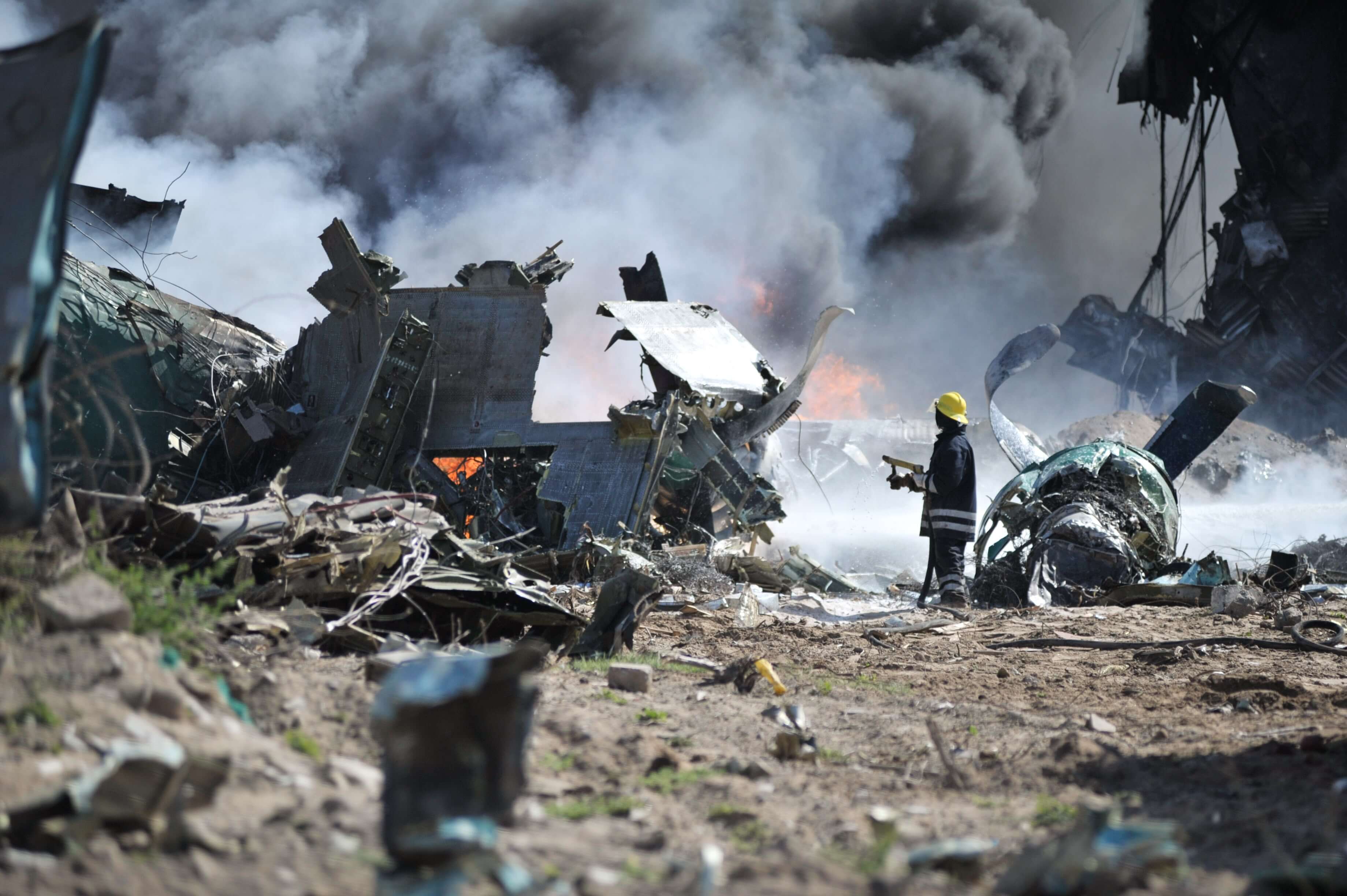
Executing an aircraft accident investigation requires a structured, multi-phase methodology that begins the moment an emergency notification is received. Investigators must mobilize rapidly to secure perishable evidence while managing complex hazardous materials and wreckage sites.
- PHASE 1: Notification and Mobilization
- PHASE 2: On-Site Wreckage Documentation
- PHASE 3: Flight Recorder and Data Analysis
- PHASE 4: Human Factors and Operational Review
- PHASE 5: Report Drafting and Safety Recommendations
1. Notification and Mobilization
Upon the occurrence of an accident, air traffic control, rescue coordination centers, or local authorities alert the national investigation agency. A "Go-Team" is assembled, typically comprising specialists in structures, systems, powerplants, human performance, air traffic control, and weather. This multidisciplinary approach ensures that no potential domain of failure is overlooked during initial data gathering.
2. On-Site Examination and Documentation
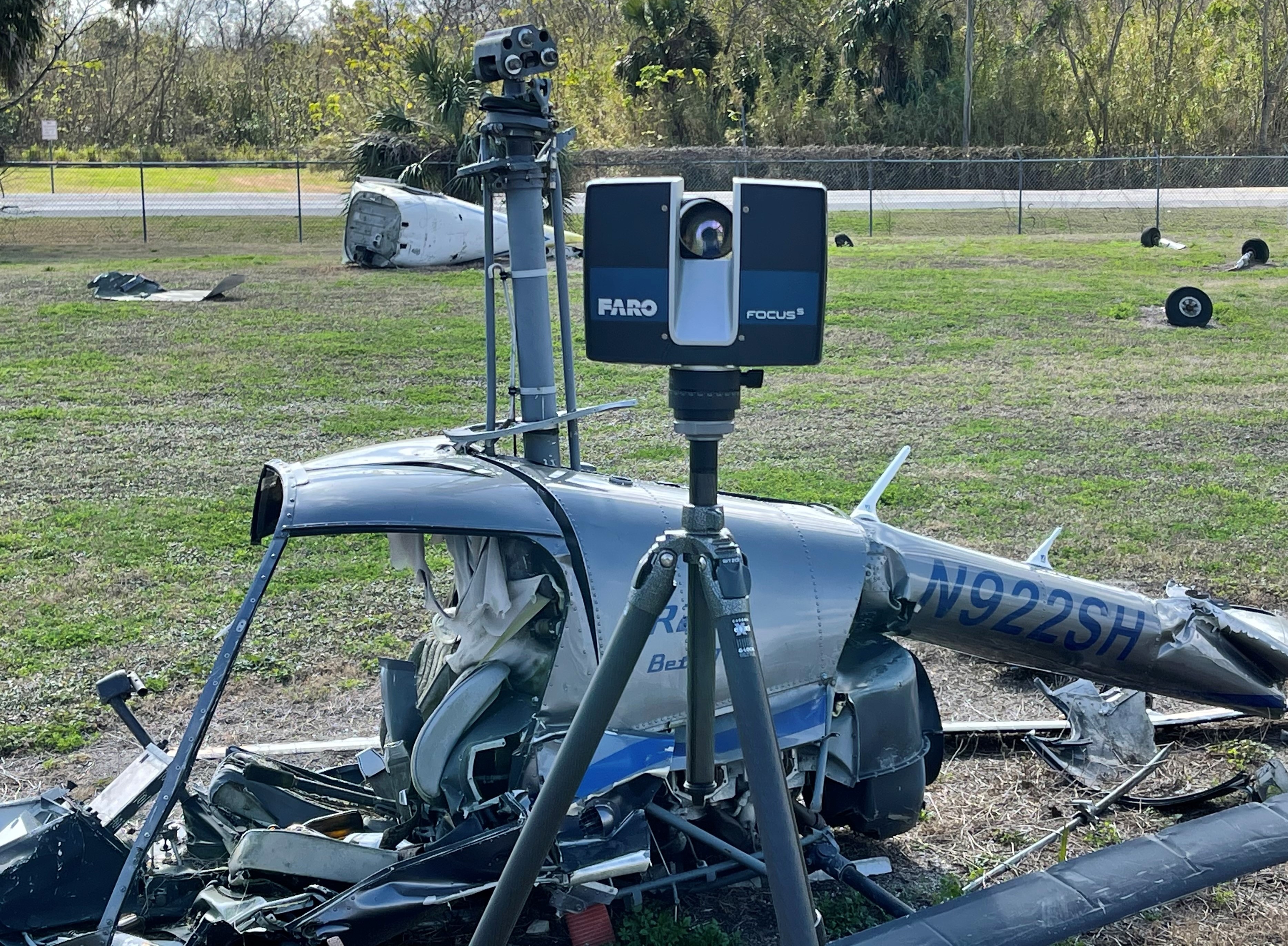
Securing the crash site is the first operational priority upon arrival. Investigators document the macro-environment using photogrammetry, drone surveys, and laser scanning before any physical movement of wreckage occurs. Every piece of debris is mapped to establish a debris field scatter pattern, which often reveals whether an aircraft broke up in flight or impacted terrain intact. Investigators inspect flight control surfaces, engine turbine blades, and instrument panels for pre-impact versus post-impact signatures.
3. Flight Recorder Analysis
Recovering and reading out the Flight Data Recorder (FDR) and Cockpit Voice Recorder (CVR)—collectively known as the "black boxes"—provides chronological insight into aircraft systems performance and crew communications. Modern solid-state recorders withstand extreme g-forces, high-temperature fires, and deep-sea immersion. Specialized laboratories extract raw parametric data, translating hundreds of discrete parameters into readable engineering units to reconstruct flight trajectories, control inputs, and engine performance metrics.
4. Human Factors and Operational Review
Human performance investigations analyze the physiological, psychological, and environmental factors that influenced crew decision-making. This involves reviewing pilot training records, medical histories, crew resource management (CRM) dynamics, fatigue levels, and workload pressures. Air traffic management communications and airline dispatch protocols are scrutinized to evaluate the broader operational ecosystem in which the crew operated.
5. Laboratory Testing and Specialized Studies
Components suspected of failure are sent to metallurgical or electronic laboratories. Scanning electron microscopes (SEM) analyze fatigue striations on fractured metal components to determine whether structural failure was progressive or sudden. Software code within flight management computers undergoes rigorous line-by-line verification to identify potential logic errors or anomalies.
Comparative Overview of Investigation Disciplines
To effectively resolve complex accidents, investigative authorities deploy specialized working groups. Each discipline targets a specific domain of aviation technology and human operation.
| Investigation Discipline | Primary Focus Area | Key Tools and Methods | Typical Evidence Examined |
|---|---|---|---|
| Structures & Systems | Airframe integrity, flight controls, hydraulics, electrical systems | Metallurgical analysis, laser mapping, component stress testing | Actuators, hydraulic lines, structural spars, fasteners |
| Powerplants | Engines, propellers, fuel systems, auxiliary power units | Borescope inspections, thermodynamic modeling, metallurgical examinations | Turbine blades, fuel manifolds, combustion chambers |
| Flight Recorders | Parametric data and audio reconstruction | Acoustic laboratory extraction, digital signal processing | FDR magnetic/solid-state media, CVR magnetic/solid-state media |
| Human Performance | Crew actions, cognitive workload, physiological status | Toxicological testing, roster analysis, CRM transcript coding | Medical records, simulator validation, audio transcripts |
| Air Traffic Control | Radar data, radio communications, airspace management | Audio synchronization, radar vector playback | ATC transcripts, ground-based radar logs, sector handoffs |
The Evolution of Flight Tracking and Wreckage Recovery
The historical challenge of locating missing aircraft over remote oceans or dense jungles has driven significant technological advancements in recent years. Traditional search operations often relied on delayed radar sweeps and floating debris, sometimes taking weeks or months to locate primary wreckage fields.
The integration of satellite-based tracking systems, such as space-based Automatic Dependent Surveillance-Broadcast (ADS-B), provides real-time position reporting globally. Furthermore, the mandatory deployment of low-frequency underwater locator beacons (ULBs) operating at 37.5 kHz, combined with newer 90-day beacons and automatic deployable flight recorders (ADFRs), has radically transformed oceanic search-and-rescue and investigation timelines. When an aircraft enters distress, these systems transmit precise coordinates, drastically reducing the search radius and accelerating the recovery of perishable flight recorder data.
Challenges in Modern Accident Investigation
Investigating modern commercial and general aviation accidents presents unique technical and logistical hurdles. As aircraft become increasingly software-dependent, the complexity of digital architectures multiplies.
Software and Complex System Interactions
Modern fly-by-wire aircraft rely heavily on complex control laws and proprietary software algorithms. When an accident involves unexpected behavior by flight automation systems, investigators must analyze millions of lines of source code. Determining whether a failure originated from a sensor malfunction, a data corruption event, or a latent software bug requires sophisticated simulation testbeds and collaboration with aircraft manufacturers.
Wreckage Accessibility and Deep-Sea Recovery
When accidents occur in deep marine environments, recovery operations face extreme hydrostatic pressures, freezing temperatures, and complex currents. Deploying remotely operated vehicles (ROVs) and specialized side-scan sonar systems is expensive, time-consuming, and technically demanding. Despite these hurdles, recovering major wreckage components and recorders remains essential for verifying engineering hypotheses.
Cybersecurity and Digital Forensics
With the expansion of connected aircraft cabins, electronic flight bags (EFBs), and datalink communications, accident investigators increasingly incorporate digital forensics into their mandates. Evaluating whether external or internal cyber interference contributed to an aviation event requires specialized cybersecurity experts capable of tracing malicious or accidental data injections across aircraft bus networks.
Frequently Asked Questions About Aircraft Accident Investigations
Who leads an aircraft accident investigation?
The primary investigation is led by the independent government accident investigation authority of the state where the accident occurred, operating in accordance with ICAO Annex 13 guidelines. In the United States, this is the NTSB, while other nations maintain equivalent dedicated state agencies.
What is the difference between an accident and a serious incident?
An accident involves fatal or serious injury to persons or substantial damage to the aircraft where the person boards with intent to fly. A serious incident involves circumstances indicating that an accident nearly occurred, such as near-midair collisions, runway incursions, or severe engine failures.
How long does an aircraft accident investigation take?
A comprehensive investigation typically takes between 12 to 24 months to complete. Simple incidents may be resolved faster, while complex multi-system failures involving extensive laboratory testing and international coordination can span several years.
Are preliminary reports made available to the public?
Yes. Investigation authorities typically release a preliminary report within 30 days of the occurrence, outlining factual findings established up to that point without drawing definitive safety conclusions.
Can criminal charges be brought against a pilot during an investigation?
While safety investigations are strictly non-punitive, judicial authorities in certain jurisdictions may conduct parallel criminal investigations. However, international agreements emphasize that safety data should be protected to encourage open testimony from aviation personnel.
What happens to the safety recommendations issued after an investigation?
Safety recommendations are issued to regulatory bodies, manufacturers, and operators. While these recommendations are generally non-binding advisory notices, regulatory agencies frequently codify them into mandatory Airworthiness Directives (ADs) to eliminate identified safety risks.
Ensuring Aviation Safety Through Rigorous Inquiry
The continuous improvement of global aviation safety relies directly on the integrity, independence, and technical rigor of accident investigations. By transforming tragic lessons into enforceable engineering standards, operational procedures, and regulatory frameworks, the international aviation community systematically drives down accident rates. Ensuring that investigators retain unhindered access to data, technical expertise, and institutional independence remains vital to protecting the traveling public and advancing aerospace engineering.