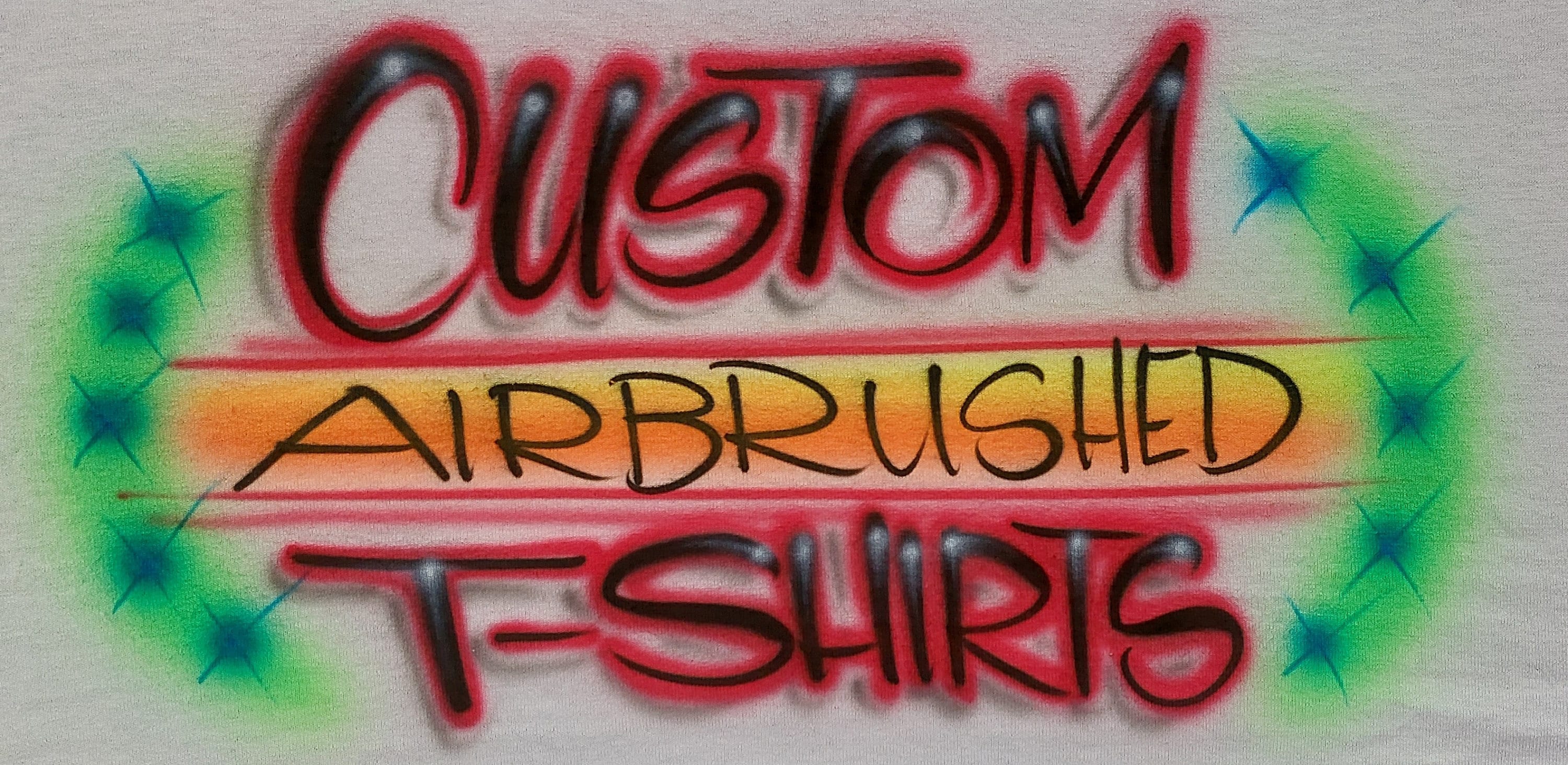
Locating a skilled airbrush clothing artist near you for custom designs on demand involves understanding local artisan markets, evaluating portfolio styles, selecting appropriate textile mediums, and clarifying pricing structures for bespoke wearable art. Finding the right creator ensures your apparel visions transform into durable, high-quality custom pieces.
Custom airbrushed apparel blends fine art techniques with textile design, offering a personalized alternative to mass-market fashion. Whether you are searching for a local storefront, a freelance studio artist, or a mobile customization booth for an event, securing an airbrush clothing artist on demand requires careful navigation of material compatibility, design specifications, and turnaround times.
Understanding the Airbrush Clothing Customization Market
The custom airbrush industry operates across a diverse spectrum, ranging from mall kiosks and boardwalk artists to high-end independent fashion studios. Understanding how this market functions helps you identify the right tier of artist for your project. Traditional airbrush artists often specialize in freehand lettering, nostalgic 1990s-style gradients, cartoon characters, and memorial tributes on cotton T-shirts, hoodies, and denim jackets. Meanwhile, contemporary custom apparel artists frequently incorporate intricate stencil work, fine-line detailing, and mixed-media applications combining fabric paint, markers, and textile inks.
When looking for on-demand services, you must distinguish between live event artists and studio-based custom designers. Live event artists prioritize speed, crowd engagement, and standardized templates to fulfill orders within minutes. In contrast, studio artists focus on detailed consultations, complex multi-layer designs, and rigorous heat-setting processes that maximize garment longevity. Knowing your specific requirement—whether a quick-turnaround party favor or an elaborate, one-of-a-kind streetwear piece—directs your search toward the appropriate professional.
Evaluating Technical Expertise and Medium Compatibility
Not all garments react equally to airbrush paints. A professional airbrush clothing artist understands the chemistry of textile mediums, ensuring the artwork resists cracking, fading, or washing out. Fabric paints formulated for airbrushing typically require specific binders and acrylic emulsions that bond with fibers without compromising flexibility.
| Fabric Type | Paint Compatibility | Durability & Treatment Requirements | Best Use Case |
|---|---|---|---|
| 100% Cotton | Excellent | High durability; heat-set required; wash inside out in cold water. | T-shirts, hoodies, canvas tote bags, denim jackets. |
| Polyester Blends | Moderate | Requires specialized flexible synthetic inks to prevent peeling. | Athletic jerseys, performance wear, activewear jackets. |
| Genuine Leather | High | Requires surface deglazing, leather-specific acrylic paints, and flexible topcoat sealants. | Motorcycle jackets, leather vests, custom sneakers. |
| Denim / Canvas | Superior | Absorbs pigments deeply; highly durable with proper heat curing. | Denim vests, jeans, structured canvas outerwear. |
When consulting with an artist, inquire about the specific type of paint they use. High-end custom artists use professional-grade heat-set acrylics or urethane-based fabric colors rather than standard craft paints, which tend to stiffen fabric and flake off after a few laundry cycles.
Methods for Locating Local Airbrush Artists
Finding an airbrush clothing artist near you requires combining local search strategies with direct verification of past work. Because many specialized apparel artists operate independently outside major retail chains, they may not appear on standard business directory maps under obvious corporate titles.
- Hyper-Local Digital Searches: Use targeted search terms including your city or neighborhood alongside keywords like "custom airbrush apparel studio," "hand-painted denim artist," or "live event airbrush painter." Examine local business listings, independent creator directories, and regional artisan maps.
- Social Media Portfolio Discovery: Platforms heavily driven by visual media serve as primary portfolios for custom clothing artists. Search for localized hashtags (e.g., your city name combined with
#airbrushartistor#customdenim) to review recent client commissions, video walkthroughs of the painting process, and durability demonstrations. - Local Creative Hubs and Marketplaces: Visit local flea markets, artisan collectives, custom sneaker shops, and skate or streetwear boutiques. These physical retail environments frequently host resident airbrush artists or can provide direct referrals to trusted local creators.
- Event and Entertainment Vendors: Contact local event production companies, amusement parks, or party entertainment agencies. Even if they specialize in bulk event favors, they maintain networks of skilled freelance airbrush artists capable of individual, high-detail commissions.
Assessing Portfolios, Pricing, and Turnaround Times
Once you identify potential artists, evaluating their portfolios and business practices protects your investment. A reliable custom designer maintains a transparent portfolio showcasing varied garment types, close-up details of line work and gradients, and examples of how their garments look after washing.
Pricing for custom airbrushing varies widely based on complexity, garment source, and urgency. Artists may charge a flat rate per design style, an hourly rate for intricate, multi-layered fine art, or a base price depending on whether you supply the garment or purchase it directly through the artist. On-demand rush services generally incur additional fees to accommodate accelerated drying, heat-curing, and schedule adjustments. Always request a written or digital estimate outlining the scope of work, design revisions policy, and estimated completion date before handing over garments or paying deposits.
Best Practices for Care and Maintenance of Airbrushed Apparel
Preserving the quality of custom airbrushed clothing requires proper post-purchase care. Even the highest quality fabric paints degrade when exposed to harsh laundering conditions.
- Initial Curing Period: Wait at least 72 hours before washing a newly airbrushed garment to allow the textile medium to fully cure and bond with the fabric fibers.
- Washing Guidelines: Always turn the garment inside out before placing it in the washing machine. Use cold water on a gentle cycle to minimize mechanical friction against the painted surface.
- Drying Methods: Avoid high-heat tumble drying. Hang drying or laying the garment flat is optimal. If using a machine dryer, select a low-heat or air-fluff setting.
- Ironing Restrictions: Never apply a hot iron directly to the painted design. If ironing is necessary, turn the garment inside out and use a low setting without steam over the decorated area.
Frequently Asked Questions
How long does a custom airbrush clothing design take to complete?
Turnaround times depend heavily on the complexity of the design and the artist’s current workload. Simple freehand lettering or standard graphic requests at a local booth can take anywhere from 15 to 45 minutes. Detailed, multi-color custom studio commissions on jackets or specialized apparel typically require a turnaround window of several days to two weeks.
Can I bring my own garments for an airbrush artist to paint?
Most independent airbrush artists accept client-supplied garments, provided the fabric meets technical requirements such as being 100% cotton or properly pre-treated synthetic material. However, artists often prefer supplying standard blanks—like specific heavyweight hoodies or brand-certified denim jackets—to ensure consistent paint adhesion and predictable finishing results.
How do I ensure the airbrush paint does not wash off in the laundry?
Professional airbrush artists ensure wash durability by using specialized textile acrylics and permanently heat-setting the finished artwork using commercial heat presses, industrial irons, or heat guns. Following the artist's specific care instructions—such as washing inside out in cold water and avoiding harsh chemical detergents—further prevents premature fading or peeling.
What is the typical cost for a custom airbrush design on a jacket or hoodie?
Pricing varies based on regional cost of living, the artist's experience level, and the time investment required. Simple name-and-motif designs on standard hoodies generally start around moderate price points, whereas fully customized, intricate back-panel artwork on premium leather or heavyweight denim jackets can command significantly higher artisan rates.
Are airbrush paints safe for skin contact and daily wear?
Modern professional-grade fabric airbrush paints are non-toxic, water-based, and formulated to be safe for apparel once fully cured and heat-set. They do not emit harmful fumes after drying and are designed to flex naturally with fabric movement without causing skin irritation during normal daily wear.
Securing Your Custom Commission
To initiate your custom airbrush project successfully, prepare clear visual references, color preferences, and exact garment specifications before contacting an artist. Reach out to a verified local professional or studio through their official booking channels, confirm their current turnaround schedule, and review their deposit and revision policies. Clear communication of your design intent ensures your custom apparel piece meets your exact expectations and delivers lasting artistic value.