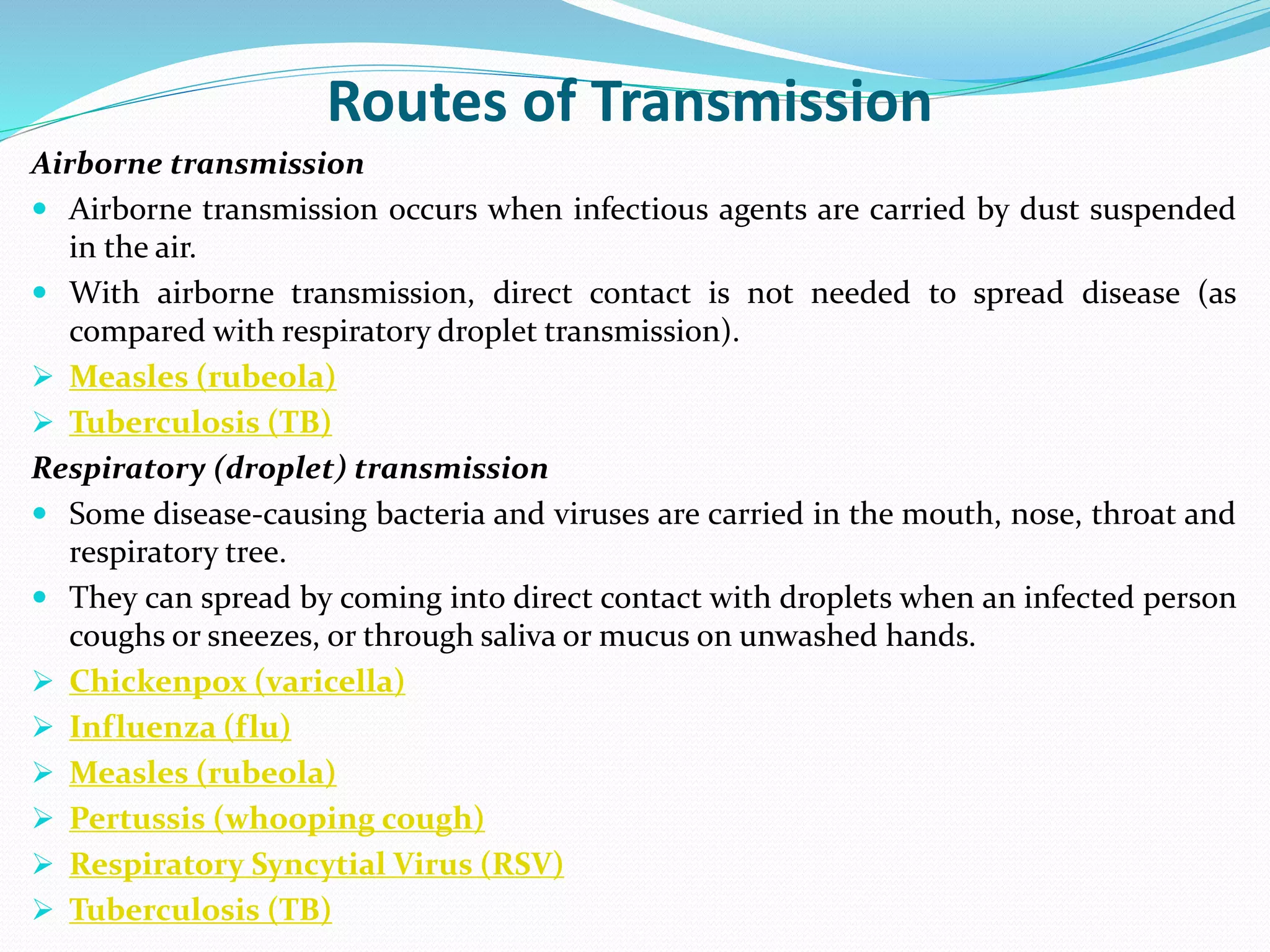
Airborne transmission occurs when infectious agents spread via droplet nuclei or small respirable particles that remain suspended in the air over long distances and extended periods. Pathogens carried this way can infect susceptible individuals who inhale them, even if they have had no direct, face-to-face contact with the source.
The Mechanics of Aerosol Generation and Dispersion
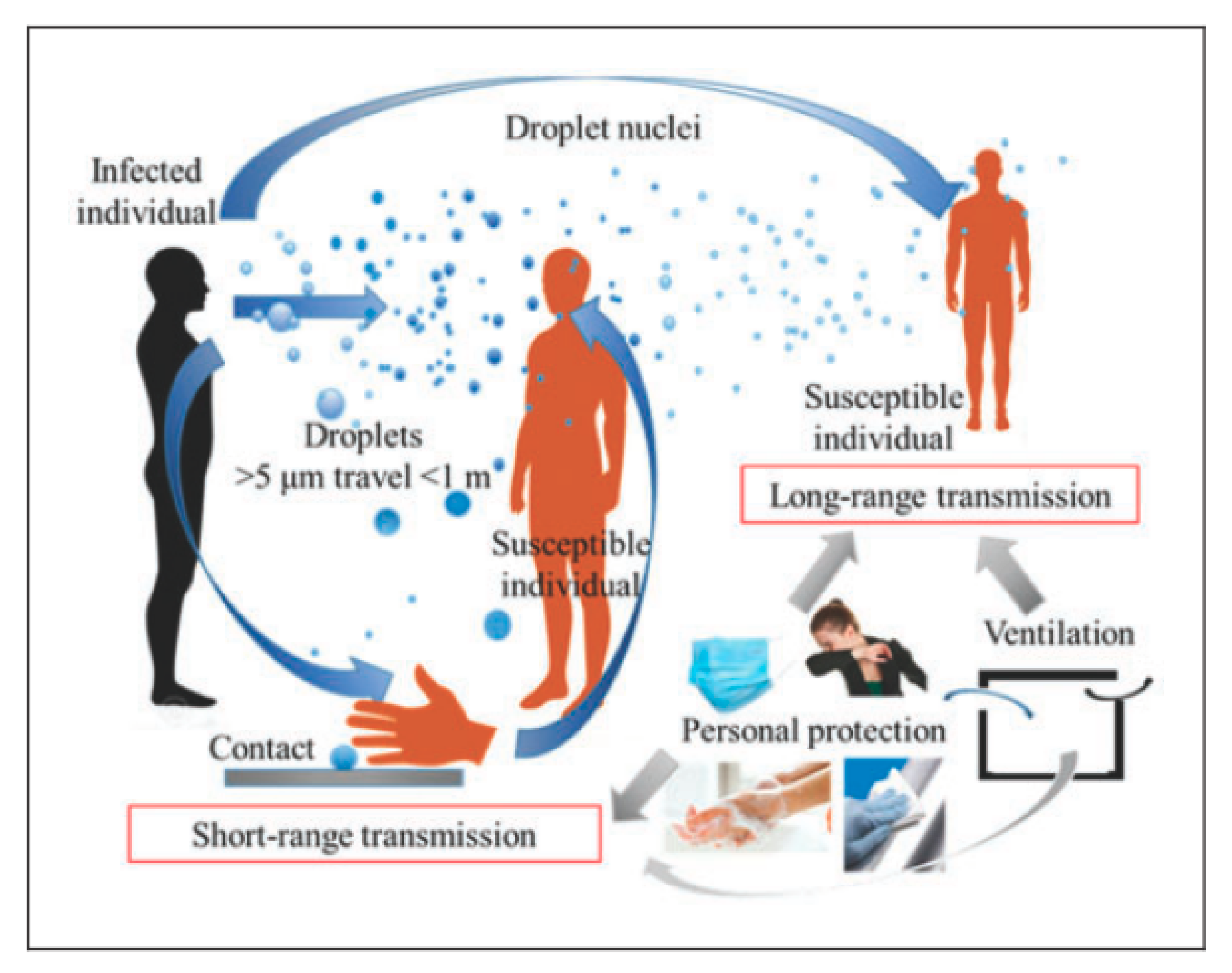
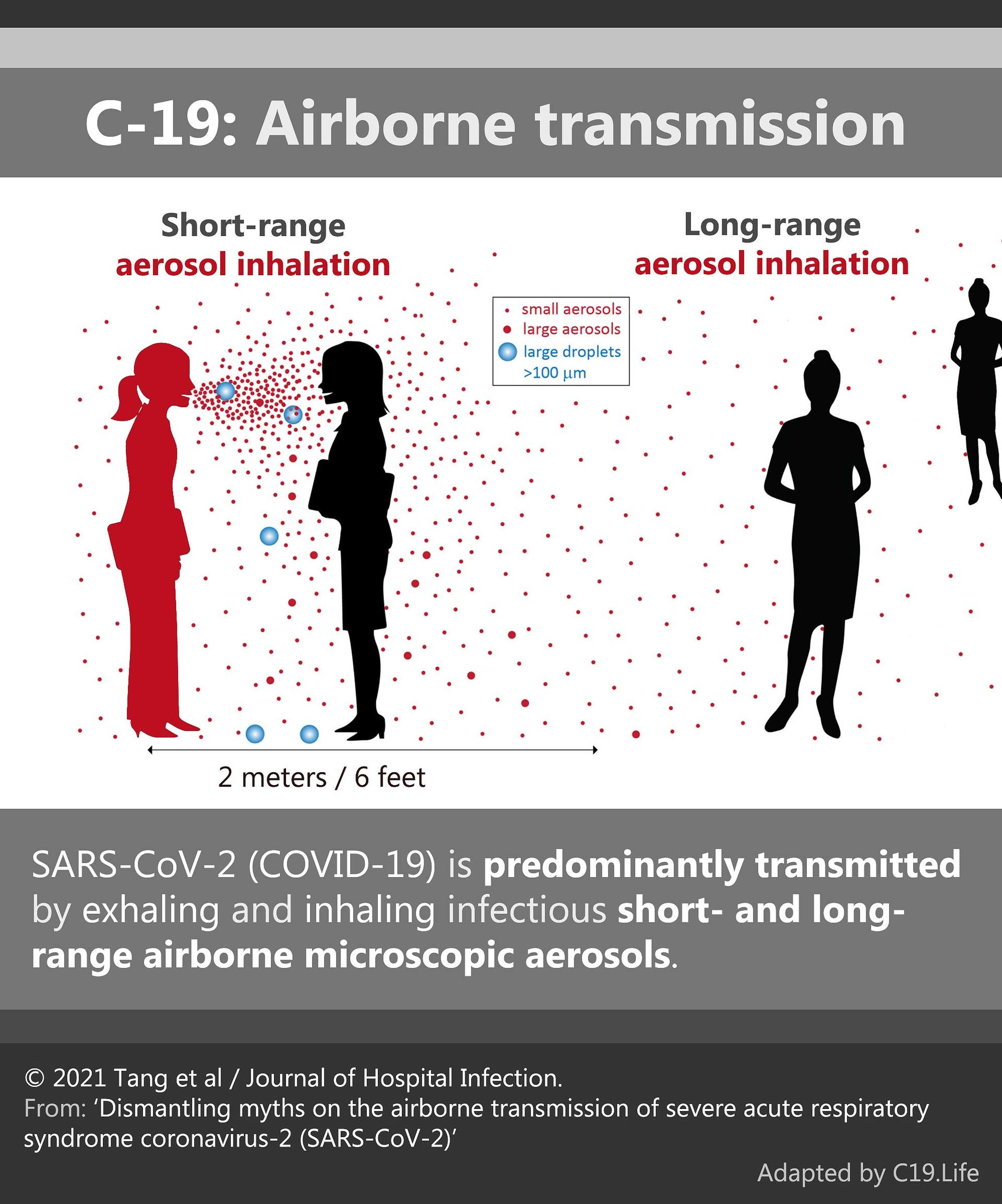
The process of airborne transmission begins deep within the human respiratory tract. When an infected individual breathes, speaks, sings, coughs, or sneezes, they expel respiratory fluids. These fluids break up into a spectrum of droplet sizes. While large droplets rapidly fall to the ground under the influence of gravity—typically settling within one to two meters—smaller particles evaporate quickly into droplet nuclei.
Droplet nuclei generally measure less than 5 micrometers in diameter. Because of their minuscule mass and low settling velocity, these particles can remain suspended in ambient air currents for hours. They behave much like gas molecules, dispersing throughout indoor spaces, accumulating in poorly ventilated zones, and traveling down corridors or through centralized heating, ventilation, and air conditioning (HVAC) systems. Consequently, infection risk does not rely strictly on physical proximity. A person sharing a poorly ventilated room can inhale suspended pathogens long after the infected individual has left the area.
Key Factors Influencing Airborne Spread
Several environmental and physiological variables dictate how effectively an airborne pathogen spreads through an indoor or outdoor ecosystem. Understanding these variables helps engineers and public health professionals design robust interventions.
- Ventilation Rates: The volume of outdoor air introduced into a space and the frequency of total air changes per hour (ACH) directly dictate how quickly suspended aerosols are diluted or removed.
- Airflow Patterns: Directional airflow, stagnant dead zones, and mixing currents influence whether aerosols concentrate in specific areas or disperse evenly.
- Relative Humidity and Temperature: Atmospheric conditions affect the evaporation rate of expelled droplets and can influence the biological viability and persistence of lipid-enveloped viruses and bacteria suspended in the air.
- Source Emission Rate: The viral or bacterial load generated by an infected individual, influenced by the volume of their vocalization and the stage of their infection, alters the concentration of pathogens entering the environment.
- Duration of Exposure: Cumulative inhalation of contaminated air increases the probability of establishing an infection, making time spent in high-risk zones a critical factor.
Comparing Transmission Routes
To appreciate the distinct nature of airborne spread, it is useful to contrast it with other common modes of disease transmission, such as large droplet spread and contact transmission.
| Transmission Route | Particle Size | Suspension Time & Distance | Primary Mitigation Focus |
|---|---|---|---|
| Airborne Transmission | $<5$ micrometers (droplet nuclei) | Hours; long range (entire rooms or buildings) | Ventilation, filtration, upper-room UV, respirators (N95) |
| Droplet Transmission | $>5$ to $100+$ micrometers | Seconds to minutes; short range ($<2$ meters) | Physical distancing, source control (masks), hygiene |
| Contact Transmission | Varies (fomites and surfaces) | Dependent on surface material and pathogen survival | Hand hygiene, surface disinfection, avoiding touching the face |
Engineering Controls and Ventilation Upgrades
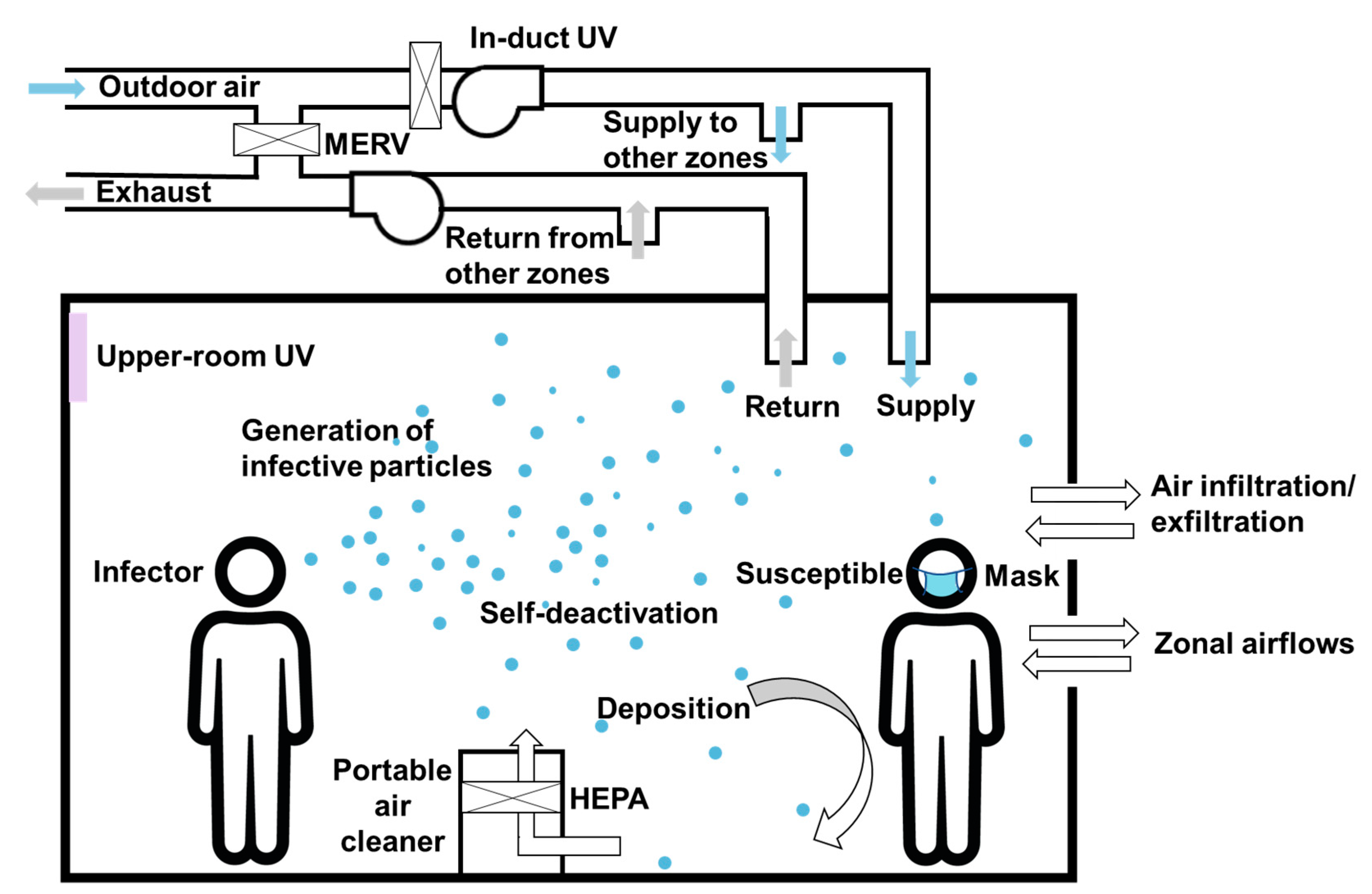
Mitigating airborne transmission requires moving beyond behavioral modifications to implement structural engineering controls. The primary objective is to reduce the concentration of infectious aerosols in shared indoor environments through dilution, filtration, and inactivation.
Ventilation and Air Changes
Increasing outdoor air supply dilutes indoor contaminant concentrations. Building codes often specify minimum ventilation rates, but high-occupancy or high-risk settings frequently require enhanced air change rates. Engineers often install demand-controlled ventilation systems tied to carbon dioxide ($CO_2$) monitors. Because human respiration steadily raises indoor $CO_2$ levels, tracking these concentrations serves as a reliable proxy for indoor air stagnation and the relative fraction of rebreathed air.
Filtration Technologies
Mechanical air filters capture suspended particles as air passes through HVAC ducts or standalone units. High-Efficiency Particulate Air (HEPA) filters are the gold standard, capable of trapping at least 99.97% of airborne particles down to 0.3 micrometers in diameter, and even higher efficiencies for smaller or larger sizes. When centralized HEPA retrofitting is impractical, portable room air cleaners equipped with true HEPA filters provide localized aerosol removal.
Ultraviolet Germicidal Irradiation (UVGI)
Upper-room UVGI systems use germicidal ultraviolet lamps—typically emitting UV-C radiation at a wavelength around 254 nanometers—to sterilize air in the upper portion of a room. Natural convection currents or ceiling fans lift indoor air upward, where the pathogens are exposed to intense UV radiation that inactivates their genetic material, rendering them non-infectious before the air circulates back down to the breathing zone.
Personal Protective Equipment and Respirators
When engineering controls are insufficient or absent, personal protective equipment (PPE) becomes the primary barrier protecting the individual respiratory tract. Ordinary cloth face coverings and loose surgical masks are designed primarily for source control—capturing large droplets expelled by the wearer. They offer limited protection against fine airborne aerosols because air flows easily around their gaps and through loosely woven fabrics.
True protection against airborne transmission requires certified respirators, such as N95, KN95, or FFP2 equivalents. These devices feature electrostatic filter media and tight facial seals. When properly fitted, they force inhaled air through the high-efficiency filter material, capturing microscopic aerosol particles via impaction, interception, and diffusion. Fit testing and correct donning procedures are mandatory to ensure that unfiltered air does not leak around the nose bridge or cheekbones.
Common Mistakes in Indoor Air Management
Organizations and individuals frequently misjudge how airborne pathogens behave, leading to ineffective mitigation investments. Avoiding these common errors ensures resources target actual transmission vectors.
- Relying Solely on Surface Cleaning: Intense scrubbing of floors and desks does little to stop airborne pathogens, which remain suspended in the breathing zone regardless of surface hygiene.
- Using Low-Grade MERV Filters: Standard residential HVAC filters (MERV 1 to 4) capture only large dust and lint, allowing microscopic aerosols to pass straight through without restriction.
- Ignoring Dead Zones: Placing air purifiers or vents improperly can create stagnant air pockets where aerosols accumulate undisturbed while clean air bypasses occupied areas.
- Assuming Outdoor Safety is Absolute: While outdoor environments generally provide massive dilution and rapid dispersion, close and prolonged face-to-face interactions outdoors can still expose individuals to direct plumes of exhaled aerosols.
Optimizing Indoor Air Quality for Safety
Implementing an effective airborne mitigation framework requires a systematic approach tailored to building architecture and occupancy levels. Facility managers and building occupants should take the following steps to minimize infection risks:
- Assess Current Ventilation: Measure baseline air change rates and evaluate whether the existing HVAC system meets or exceeds recommended standards for occupant density.
- Monitor Carbon Dioxide: Install real-time $CO_2$ monitors in high-traffic rooms to flag areas where ventilation drops below safe thresholds (typically targeting levels below 700 to 800 parts per million).
- Upgrade Filtration Media: Replace standard air filters with MERV 13 or higher filters where HVAC systems can handle the pressure drop, or deploy portable HEPA fan units in high-risk zones.
- Implement Disinfection Protocols: Integrate upper-room UVGI where ceiling heights permit, ensuring proper shielding to protect occupants from direct UV exposure.
- Enforce Respiratory Protection: Require certified respirators (N95 or equivalent) during periods of high community transmission or in high-consequence healthcare and congregate settings.