The term "airbnb show" generally refers to television programming, docuseries, and digital media formats that center on the operations, guest experiences, controversies, and unique transformations associated with properties listed on home-sharing platforms like Airbnb. These shows capture a growing public fascination with short-term rentals, property investment, and modern hospitality.
Television networks and streaming platforms have increasingly turned their lenses toward the short-term rental market, producing content that ranges from home-design makeovers to true-crime investigations and reality-style lifestyle programming. As the sharing economy has matured, media companies have recognized that the intersection of real estate, entrepreneurship, and transient human behavior offers compelling material for audiences worldwide. This evolution has transformed short-term rentals from a niche travel alternative into a dominant cultural and economic touchstone.
The Evolution of Short-Term Rental Media
The presence of short-term rentals in popular culture began as a peripheral element in travel documentaries and lifestyle vlogs before evolving into dedicated television formats. Early digital creators documented the realities of hosting travelers, highlighting both the financial upside and the logistical headaches. As property platforms scaled globally, traditional media producers identified a dual opportunity: satisfying audience curiosity about high-end design and addressing the mounting social tensions surrounding housing markets.
Production companies adapted by creating formats that fall into distinct categories. Some programs focus on the architectural transformation of ordinary houses into lucrative vacation destinations, while others examine the interpersonal conflicts between hosts and difficult guests. This shift mirrors the broader institutionalization of the short-term rental industry, moving from informal couch-surfing networks to professionally managed real estate portfolios.
Major Genres and Formats of Short-Term Rental Programming
Programming related to home-sharing platforms typically divides into several distinct genres, each appealing to different viewer motivations. Understanding these sub-genres clarifies how media producers package the economic realities of real estate for entertainment consumption.
- Design and Renovation Makeovers: Shows in this category follow interior designers and property investors as they purchase distressed real estate and remodel it specifically to maximize rental yield and visual appeal on digital booking sites.
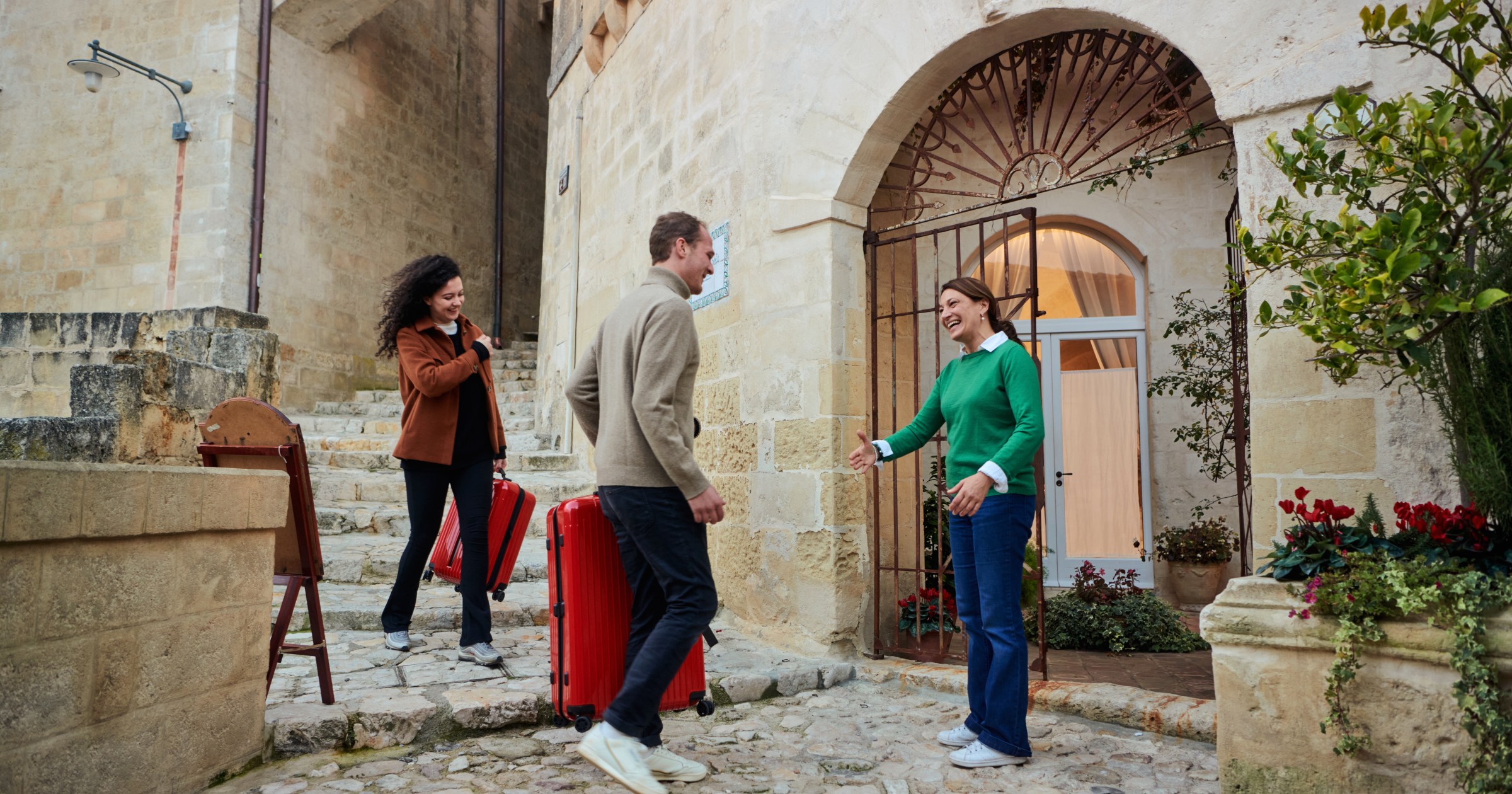
- Host and Guest Docuseries: These programs profile the daily operations of running hospitality businesses, often highlighting quirky accommodations, eccentric travelers, and the high-stakes customer service required to maintain Superhost status.
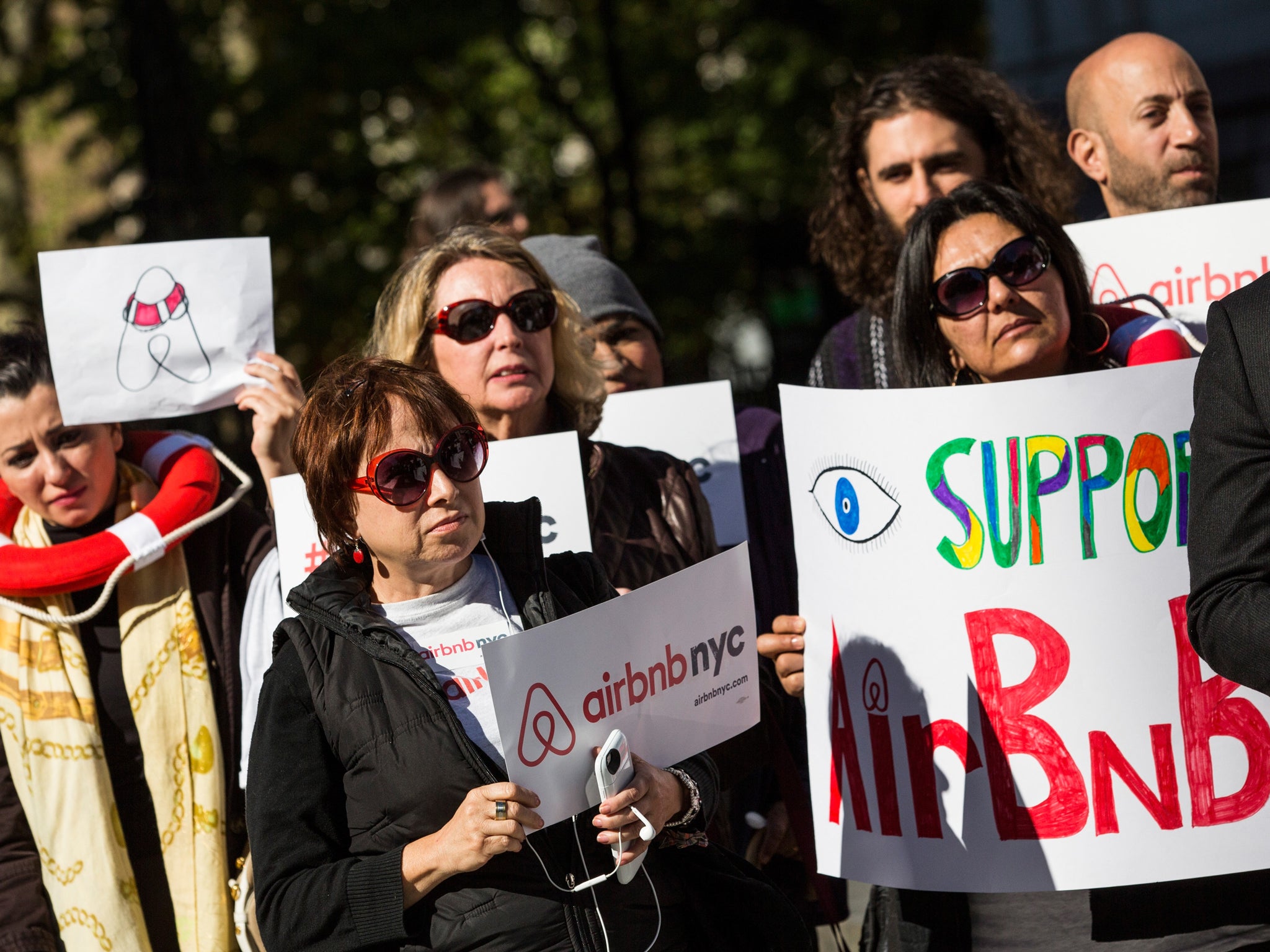
- Investigative and Conflict-Focused Media: A subset of media coverage explores the friction points of the industry, including unauthorized parties, neighborhood disputes, municipal zoning battles, and fraud within online booking ecosystems.
| Programming Sub-Genre | Primary Focus | Typical Viewer Appeal |
|---|---|---|
| Design & Makeover | Aesthetic upgrades, return on investment, staging. | Home improvement inspiration, real estate finance. |
| Operational Reality | Guest interactions, management logistics, hospitality. | Human interest, behind-the-scenes business insights. |
| Investigative / Conflict | Neighborhood impact, scams, policy disputes, safety. | Consumer advocacy, social commentary, drama. |
Economic Realities Versus Television Depictions
While entertainment media often emphasizes dramatic transformations and rapid financial success, the day-to-day reality of operating a short-term rental differs significantly from screen portrayals. Producing a television segment requires compressed timelines and heightened emotional stakes, which can obscure the nuanced regulatory and financial challenges faced by independent hosts.
In practice, property owners must navigate complex municipal zoning laws, homeowner association restrictions, transient occupancy taxes, and continuous maintenance costs. Shows frequently gloss over the administrative burden of regulatory compliance, insurance adjustments, and platform fee structures. Prospective hosts relying solely on television representations often underestimate the capital requirements and operational fatigue involved in maintaining high occupancy rates across competitive urban and rural markets.
Cultural Impact and Public Perception
Media depictions of short-term rentals significantly influence public discourse regarding housing affordability, neighborhood character, and the commercialization of residential zones. When television shows celebrate the conversion of long-term housing stock into luxury vacation retreats, they often intersect with real-world debates about housing shortages and rising rents in major metropolitan areas.
Conversely, programs that expose negligent hosting practices or consumer scams prompt greater platform accountability and tighter regulatory scrutiny. By bringing these issues into the public eye, media coverage acts as an informal watchdog, compelling both booking platforms and municipal governments to reevaluate safety standards, guest verification protocols, and neighborhood protection policies.
Frequently Asked Questions
What are the main types of shows focused on vacation rentals?
Programming generally falls into design-focused makeover shows, operational docuseries about hosting, and investigative reports covering the social and legal impacts of short-term rentals on local communities.
Do real-estate shows accurately reflect the costs of hosting?
Television programs often compress renovation timelines and omit ongoing operational expenses such as deep cleaning, constant repairs, local taxes, and platform commissions, presenting an idealized financial picture.
How do these programs affect local housing markets?
By popularizing property flipping and short-term leasing, media coverage can increase investor interest in residential neighborhoods, contributing to ongoing debates about housing availability and long-term rental costs.
Can viewers learn practical management tips from these series?
While shows offer valuable inspiration for interior staging and visual marketing, they rarely provide a comprehensive guide to regulatory compliance, insurance requirements, or emergency troubleshooting.
Are short-term rental shows scripted or unscripted?
Most reality and renovation programming follows a structured narrative format, utilizing edited sequences to heighten dramatic tension while retaining a foundation in actual property transformations or real-world events.
Evaluating Short-Term Rental Media
For viewers and aspiring property investors interested in exploring the media landscape surrounding home-sharing platforms, approaching these programs with an analytical mindset is essential. Distinguishing between entertainment-driven narratives and the pragmatic requirements of property management ensures a balanced understanding of how digital hospitality operates in practice. Audiences should view these shows primarily as lifestyle entertainment rather than definitive guides to real estate investment or business management.