Air travel identification requirements depend on your destination, citizenship status, and age. For U.S. domestic flights, adult passengers must present a REAL ID-compliant driver’s license or another approved federal identification, such as a passport or military ID. International travel strictly requires a valid passport, along with necessary visas or travel authorizations tailored to your destination.
U.S. Domestic Flight ID Requirements: The REAL ID Mandate
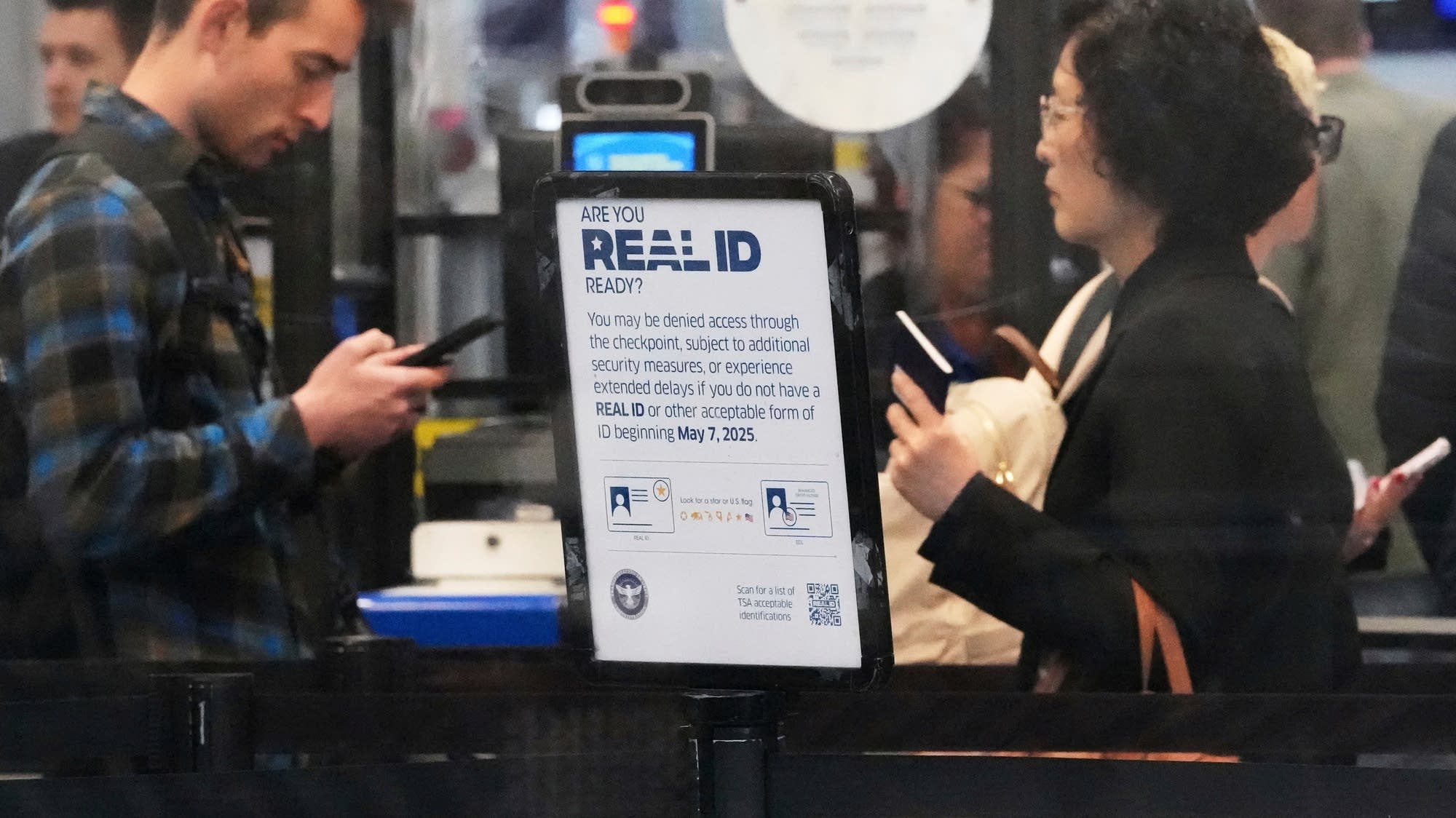
Navigating airport security in the United States requires adherence to federal identification standards established by the Transportation Security Administration (TSA). Following full enforcement of the REAL ID Act, standard state-issued driver's licenses that do not meet federal security standards are no longer accepted at airport security checkpoints for passengers aged 18 and older.
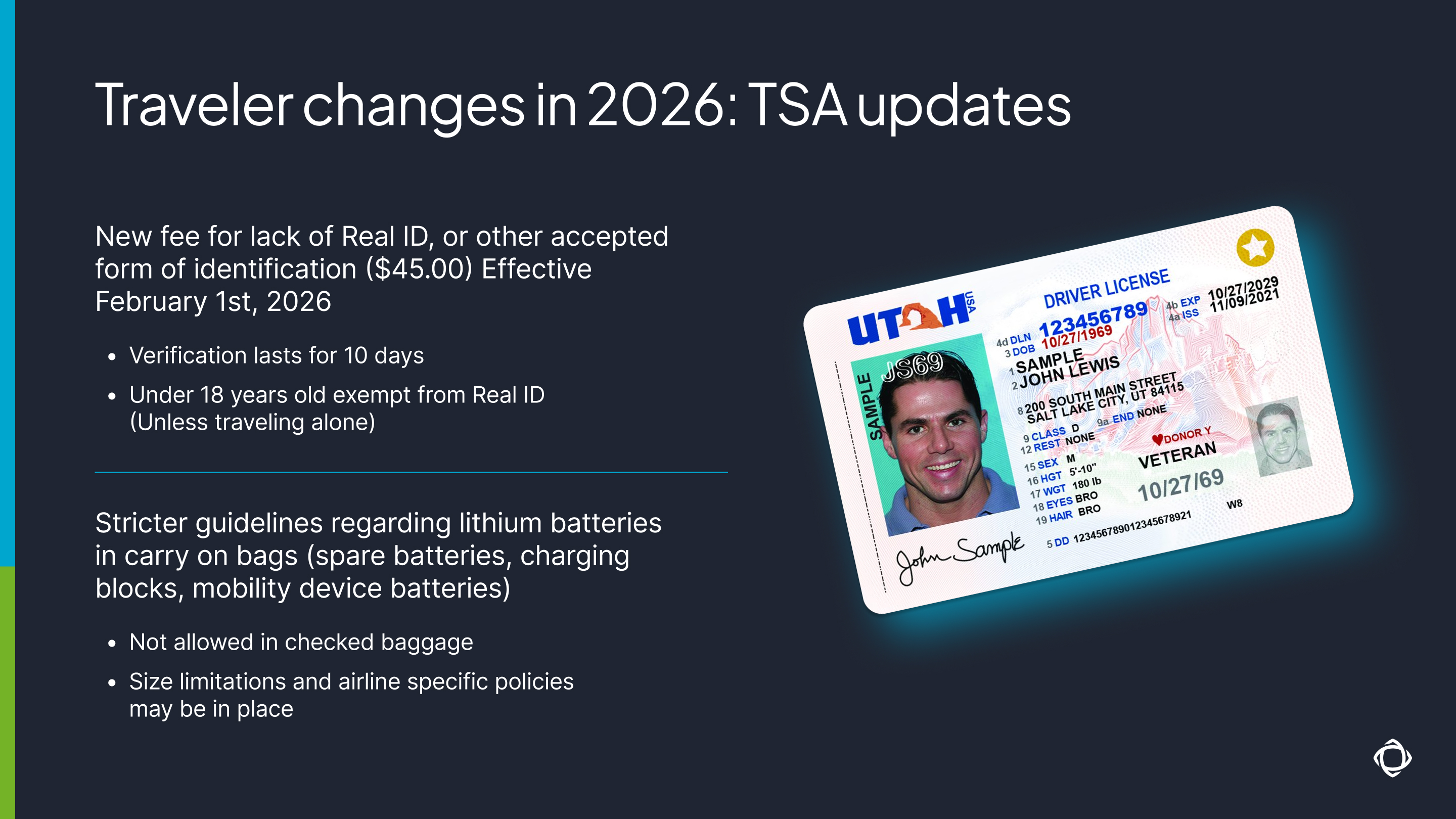
The REAL ID Act, passed by Congress in 2005 following recommendations from the 9/11 Commission, established minimum security standards for state-issued driver's licenses and identification cards. To determine if your current driver's license is REAL ID-compliant, look for a star symbol located in the upper portion of the card. Depending on your state's issuance design, this may appear as a gold star, a black star, or a star inside a cutout circle.
If your state-issued driver's license or state ID card bears a notation such as "Not for Federal Identification," "Federal Limits Apply," or lacks the official star marking, TSA transportation security officers will not accept it as a standalone identity document at security checkpoints. Passengers presenting non-compliant licenses must provide an acceptable alternative form of identification to access the secure area of the airport and board their flights.
For official updates on airport security policies, travelers can consult the TSA Identification Guidelines.
TSA-Approved Forms of Identification
If you do not possess a REAL ID-compliant state driver's license, the TSA accepts several alternative forms of photo identification. All presented documents must be unexpired, original credentials; photocopies, digital photographs on personal devices (unless processed through an official state mobile ID integration at participating checkpoints), and laminated paper temporary licenses are generally rejected.
Acceptable Photo Identification Options:
- Passports & Federal Documents
- U.S. Passport or U.S. Passport Card
- Foreign Government-Issued Passport
- Permanent Resident Card (Form I-551)
- U.S. Department of Defense ID
- Trusted Traveler Credentials
- Global Entry Card
- NEXUS Card
- SENTRI Card
- FAST Card
- Special & State Credentials
- Enhanced Driver's License (EDL)
- Tribal Photo Identification
- Transportation Worker Identification Credential (TWIC)
The full list of TSA-approved identification credentials for domestic air travel includes:
- U.S. Passport or U.S. Passport Card: Fully valid for both domestic screening and international travel (passport book only for international flights).
- Foreign Government-Issued Passport: Accepted for domestic U.S. flights regardless of the issuing country, provided it remains unexpired.
- DHS Trusted Traveler Cards: Physical membership cards for Global Entry, NEXUS, SENTRI, and FAST programs.
- U.S. Department of Defense ID: Includes credentials issued to active duty military personnel, retirees, military dependents, and civilian Department of Defense employees.
- Permanent Resident Card: Form I-551 (commonly known as a Green Card) issued to lawful permanent residents of the U.S.
- Enhanced Driver’s License (EDL): State-issued licenses provided by specific states (such as Michigan, Minnesota, New York, Vermont, and Washington) that denote both identity and U.S. citizenship.
- Federally Recognized Tribal Photo ID: Photo identification issued by a federally recognized Native American tribe.
- Border Crossing Card (BCC): Issued by the U.S. Department of State to qualified Mexican citizens.
- HSPD-12 PIV Card: Personal Identity Verification cards issued to federal employees and contractors.
- Transportation Worker Identification Credential (TWIC): Issued by the TSA for security personnel and maritime workers.
- USCIS Employment Authorization Card (Form I-766): Issued to foreign nationals granted temporary authorization to work in the U.S.
International Air Travel ID and Entry Documentation Standards
International air travel carries significantly stricter documentation mandates governed by international aviation treaties, customs regulations, and national entry laws. A state-issued driver's license or REAL ID card is never valid for international border crossing by air.
Passport Validity Rules
A valid passport book is the universal requirement for international commercial flights. Crucially, possessing an unexpired passport does not guarantee entry into a foreign country. Many foreign nations enforce the 6-month passport validity rule, requiring your passport to remain valid for at least six months beyond your planned date of departure from that country.
For example, European nations within the Schengen Area generally enforce a 3-month validity requirement past the intended departure date from the Schengen zone, whereas many countries across Asia, Africa, South America, and the Middle East strictly enforce a 6-month buffer. Travelers must verify specific entry parameters using the U.S. Department of State Country Information Pages prior to booking flights.
Additionally, international passports must contain a sufficient number of blank visa pages—typically one to two full pages per country visited—to accommodate entry and exit stamps, as well as physical visa stickers.
Visas and Electronic Travel Authorizations
In addition to a passport, international air travelers must obtain appropriate entry credentials based on their citizenship and destination. These include:
- Traditional Visas: Physical stamps or document inserts obtained in advance through an embassy or consulate.
- Electronic Travel Authorizations (eTAs): Pre-departure digital travel authorizations linked electronically to your passport. Key examples include:
- ESTA (Electronic System for Travel Authorization): Required for eligible foreign visitors entering the U.S. under the Visa Waiver Program.
- ETIAS (European Travel Information and Authorization System): Required for visa-exempt visitors entering 30 European countries.
- UK ETA: Electronic clearance required for non-visa nationals traveling to the United Kingdom.
- Transit Visas: Required by certain jurisdictions when changing planes in an international airport, even if the passenger does not exit the secure transit area.
Airlines bear legal and financial liability for transporting passengers who lack valid entry documents. Consequently, airline staff verify passports and mandatory travel clearances at check-in and prior to boarding. If your credentials fail to satisfy the destination country's entry criteria, the airline will deny boarding.
Identification Requirements for Minors and Infants
Identification rules for children vary significantly depending on whether the flight is domestic or international, as well as the child's age and accompanying adults.
Domestic Flights Within the U.S.
The TSA does not require children under the age of 18 to present photo identification when traveling within the United States with an adult companion. The accompanying adult must present valid, approved identification.
However, individual airlines maintain their own policies regarding age verification:
- Lap Infants (Under 2 Years): Airlines usually allow children under two years old to fly free on an adult's lap. However, airlines require proof of age—such as a government-issued birth certificate or immunization record—to confirm eligibility.
- Unaccompanied Minors: Children traveling alone under an airline’s Unaccompanied Minor program may need to present identification (such as a school ID, birth certificate, or passport), and the designated parent or guardian dropping off or picking up the minor must present valid government photo ID.
International Flights for Minors
For international travel, all passengers regardless of age must possess their own valid passport book. Infants flying internationally cannot share a parent's passport and must have an individual passport issued in their own legal name.
When a minor travels internationally with only one parent, with non-parent relatives, or as part of a group, customs and border protection authorities worldwide enforce strict anti-abduction protocols. It is strongly recommended (and legally required by many countries, including Mexico and Canada) to carry a notarized Minor Travel Consent Form signed by the non-traveling parent(s) or legal guardian(s). This document should state explicit permission for the minor to travel internationally, outline the flight itinerary, and provide emergency contact information.
Comparative Summary of Travel Identification Credentials
The following table outlines the functional scope, travel acceptability, and typical use cases for standard identification documents across domestic and international flight contexts.
| Credential Type | Domestic U.S. Flights | International Flights | Border Crossing via Land/Sea | Notes & Prerequisites |
|---|---|---|---|---|
| REAL ID Driver's License | Valid | Invalid | Invalid | Standard for domestic travel; marked with a star. |
| Non-Compliant License | Invalid | Invalid | Invalid | Rejected at TSA checkpoints without secondary federal ID. |
| U.S. Passport Book | Valid | Valid | Valid | Universal credential; required for all international air travel. |
| U.S. Passport Card | Valid | Invalid (Air) | Valid (Land/Sea only) | Low-cost alternative; valid for domestic air travel and land/sea entry to Canada, Mexico, Caribbean. |
| Global Entry Card | Valid | Invalid (Standalone)* | Valid (Land/Sea) | Approved TSA checkpoint ID; physical card must be presented for domestic screening. *Passport required for international flight entry. |
| State Enhanced License (EDL) | Valid | Invalid (Air) | Valid (Land/Sea only) | Denotes identity and U.S. citizenship; issued by select border states. |
| Foreign Passport | Valid | Valid | Valid | Accepted at U.S. checkpoints; must be valid and unexpired. |
| Permanent Resident Card | Valid | Valid (With Foreign Passport) | Valid | Serves as primary photo ID for U.S. domestic screening. |
Protocol for Lost, Forgotten, or Expired Identification
Losing an identification card prior to a flight presents serious complications, but it does not automatically prevent domestic travel. International flights, however, strictly require valid credentials, and travelers without passports will be turned away.
Domestic Identity Verification at TSA Checkpoints
If you arrive at a U.S. domestic airport without a valid photo ID due to loss, theft, or an forgotten wallet, TSA officers can attempt to confirm your identity through an alternative verification procedure.
- Arrive Early: You must arrive at the airport at least two to three hours prior to your scheduled departure time to allow sufficient time for manual identity verification.
- Report to Screening: Inform the TSA officer at the checkpoint entrance that you do not have your physical ID.
- Complete Identity Verification: The officer will direct you to complete an identity verification process. This involves collecting personal information such as your full legal name, current residential address, and date of birth.
- Database Validation: TSA personnel cross-reference your details against public databases and specialized identity databases to confirm your identity. You may be asked direct security questions based on personal history records.
- Secondary Screening: Once identity is confirmed through the database, you will undergo additional physical screening, including a thorough hand-search of carry-on luggage and full-body pat-down screening.
Caution: TSA identity verification is conducted at the agency's discretion. If your identity cannot be conclusively confirmed through public database cross-referencing or if you refuse to cooperate with secondary screening procedures, you will not be permitted to enter the secure gate area.
Expired Identification Guidelines
TSA accepts expired driver's licenses or state IDs for domestic flight screening for up to one year past the expiration date, provided the document was compliant when issued. However, this exception applies strictly to domestic TSA security lines; airlines and foreign customs agencies will not honor expired documents for identity verification, ticketing, or international travel under any circumstances.
Digital IDs, Mobile Driver's Licenses, and Biometric Screening
The transition toward paperless and touchless travel has led to the adoption of digital identification credentials and biometric authentication systems across major transit hubs.
Mobile Driver's Licenses (mDLs)
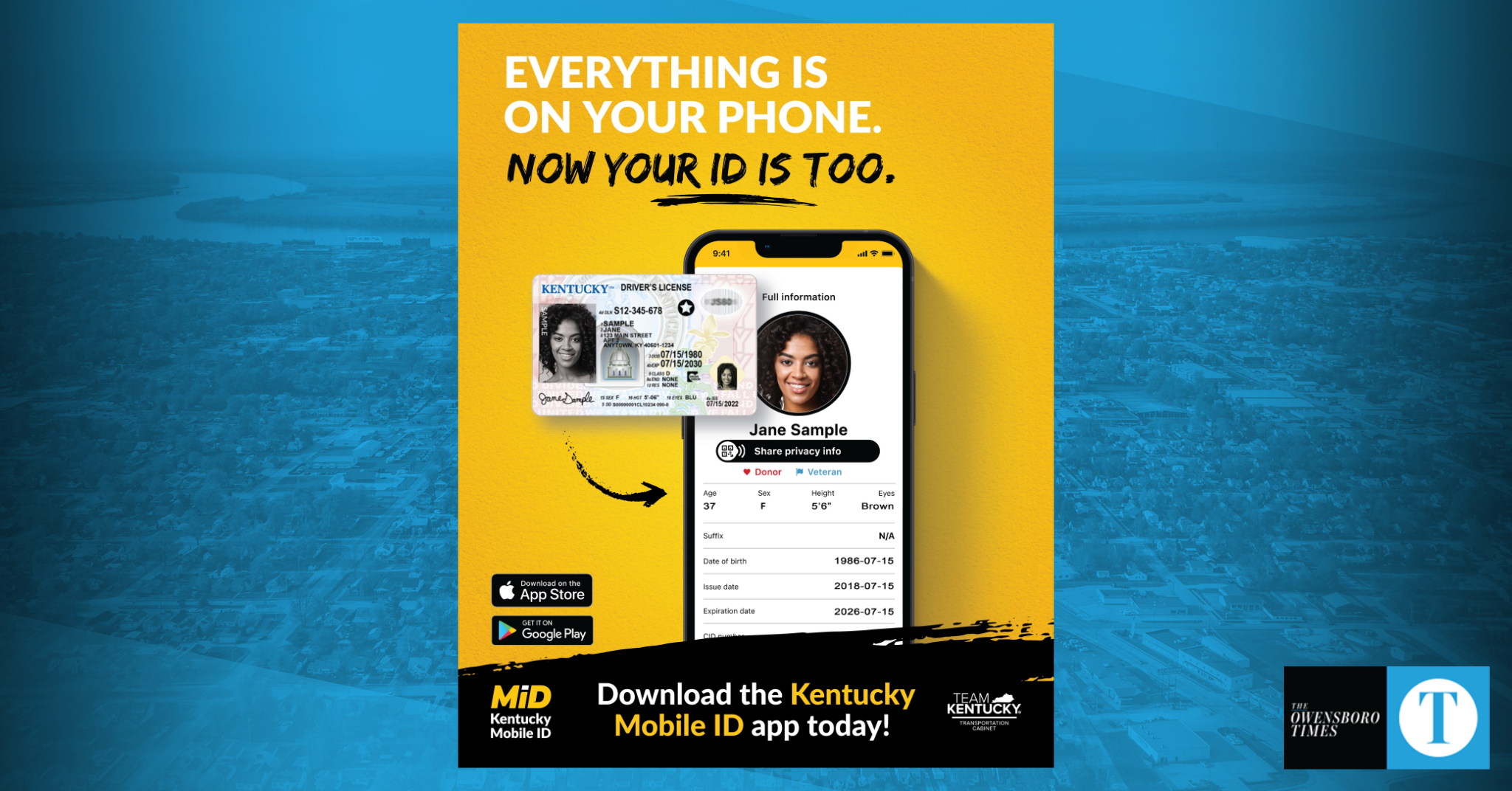
State-issued Mobile Driver's Licenses (mDLs) stored in digital wallet applications (such as Apple Wallet, Google Wallet, or state-specific identity apps) are increasingly recognized at participating TSA security checkpoints.
To utilize a digital ID at security:
- Your issuing state must offer an accredited digital ID program compatible with ISO/IEC 18013-5 standards.
- The airport terminal must be equipped with TSA Credential Authentication Technology (CAT-2) readers featuring Near Field Communication (NFC) or QR scanners.
- Passengers authenticate identity by tapping their smartphone or smartwatch at the reader; the device transmits identity data securely without requiring the physical device to be handed to a TSA officer.
Important Advisory: Even when traveling through airports that support mobile driver's licenses, TSA mandates that passengers must always carry their physical photo ID card. Technical failures, dead device batteries, or system outages may necessitate presenting physical documentation at any time.
Biometric Identity Verification
Major airlines and federal agencies utilize biometric facial recognition systems to streamline identity checks at international boarding gates and security checkpoints:
- TSA PreCheck Touchless ID: Eligible travelers enrolled in TSA PreCheck can opt in through participating airlines to use facial recognition for baggage drop and security screening, eliminating the need to physically present an ID or boarding pass at supported lanes.
- Biometric Exit/Entry: U.S. Customs and Border Protection (CBP) utilizes facial comparison technology at international departure gates to verify passenger identity against passport database photos, accelerating the boarding process for international flights.
Frequently Asked Questions
Can I fly domestically with an expired driver's license or passport?
Yes, but only under specific domestic conditions. TSA accepts expired state-issued IDs and U.S. passports at domestic security checkpoints for up to 12 months after the expiration date. However, international travel strictly prohibits expired passports, and foreign authorities will deny entry regardless of how recently the document expired.
Does a lap infant need a photo ID for domestic air travel?
No, the TSA does not require photo identification for passengers under 18 on domestic flights. However, individual airlines require proof of age (such as a original or certified copy of a birth certificate) to verify that a lap infant is under two years of age and eligible to fly without purchasing an individual seat.
What is the difference between a REAL ID and an Enhanced Driver’s License (EDL)?
A REAL ID satisfies federal security standards for domestic air travel and access to federal facilities, but it is not valid for international border crossings. An Enhanced Driver’s License (EDL) is a specialized document issued by select states (e.g., New York, Washington) that proves both identity and U.S. citizenship. EDLs meet REAL ID requirements for domestic air travel and permit land and sea border crossings into Canada, Mexico, and the Caribbean.
Do I need a passport to fly to U.S. territories like Puerto Rico or the U.S. Virgin Islands?
U.S. citizens flying directly between the U.S. mainland and U.S. territories—including Puerto Rico, the U.S. Virgin Islands, Guam, American Samoa, and the Northern Mariana Islands—do not need a passport. You only need a REAL ID-compliant state license or acceptable domestic photo ID. However, if your flight itinerary includes a layover or transit stop in a foreign country, a valid passport book is required.
What should I do if the name on my flight ticket does not match my legal ID?
The name on your airline ticket and boarding pass must match the full legal name printed on your government-issued identification credential. Minor typographical errors (such as missing middle names or omitted hyphens) are typically managed at airport ticket counters, but significant discrepancies—such as a maiden name listed on a ticket while holding a post-marriage driver's license—can lead to denied boarding. Contact your airline immediately prior to travel to update passenger records and request a name correction on your reservation.
Pre-Flight Action Plan: Verifying Your Credentials
To prevent delays, secondary screening hassles, or denied boarding, complete this document audit checklist at least 30 days prior to your departure date:
- Audit Expiration Dates: Verify that your state ID is REAL ID-compliant (indicated by a star). If using a passport for international travel, ensure it remains valid for at least six months beyond your planned return date.
- Confirm Ticket Name Match: Compare your electronic ticket confirmation line-by-line against your physical identification. Ensure first, middle, and last names are spelled identically.
- Check Destination Entry Mandates: Review entry requirements for international destinations, verifying if an entry visa, ESTA, ETIAS, or return ticket proof is required by immigration authorities.
- Prepare Documentation for Minors: When traveling internationally with children, secure individual passport books and obtain a signed, notarized travel consent letter if traveling without both legal parents.
- Create Redundant Backups: Store digital copies of your passport data page, driver’s license, visas, and vaccination records in a secure cloud folder or encrypted digital device, and keep paper printouts in a separate bag from your primary credentials.