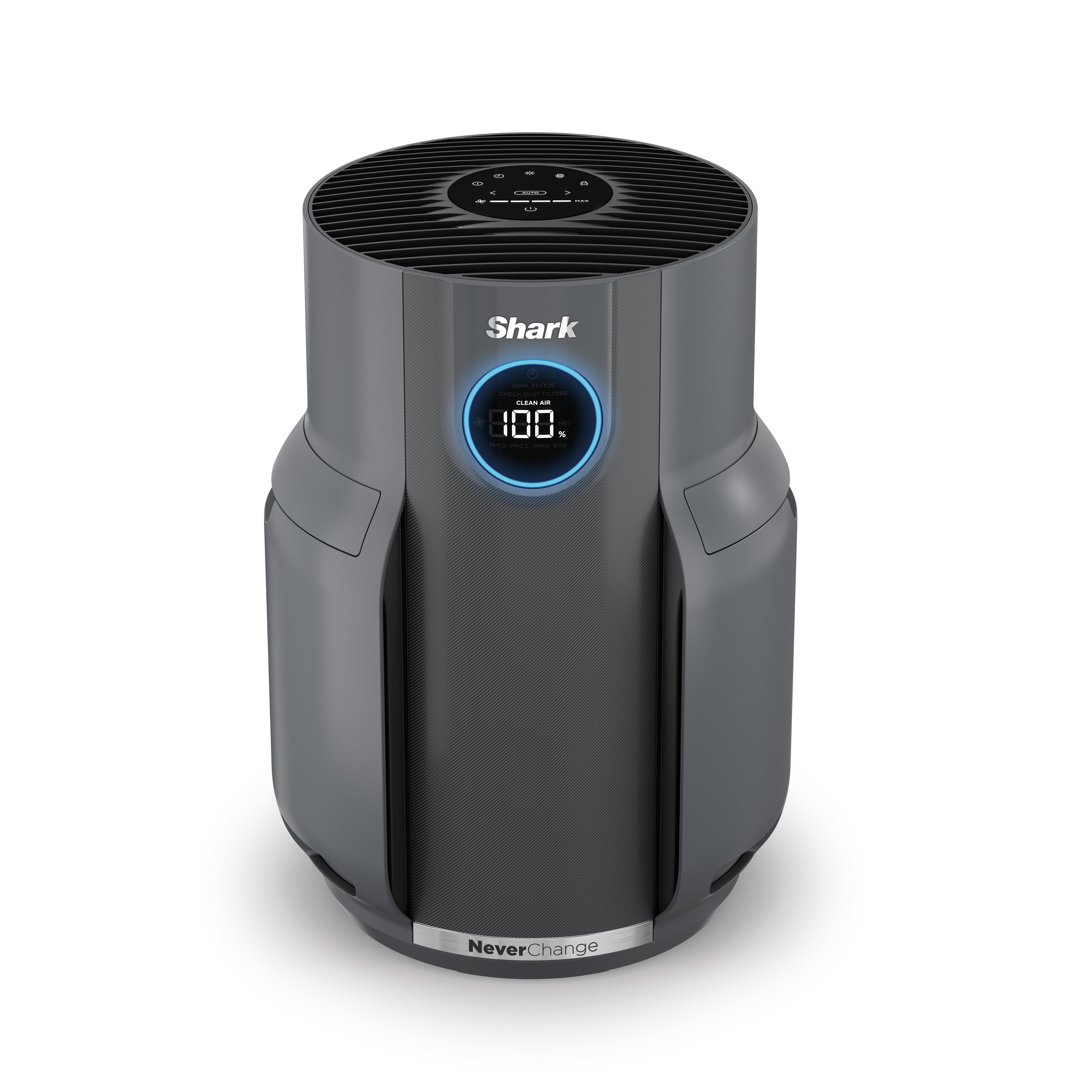
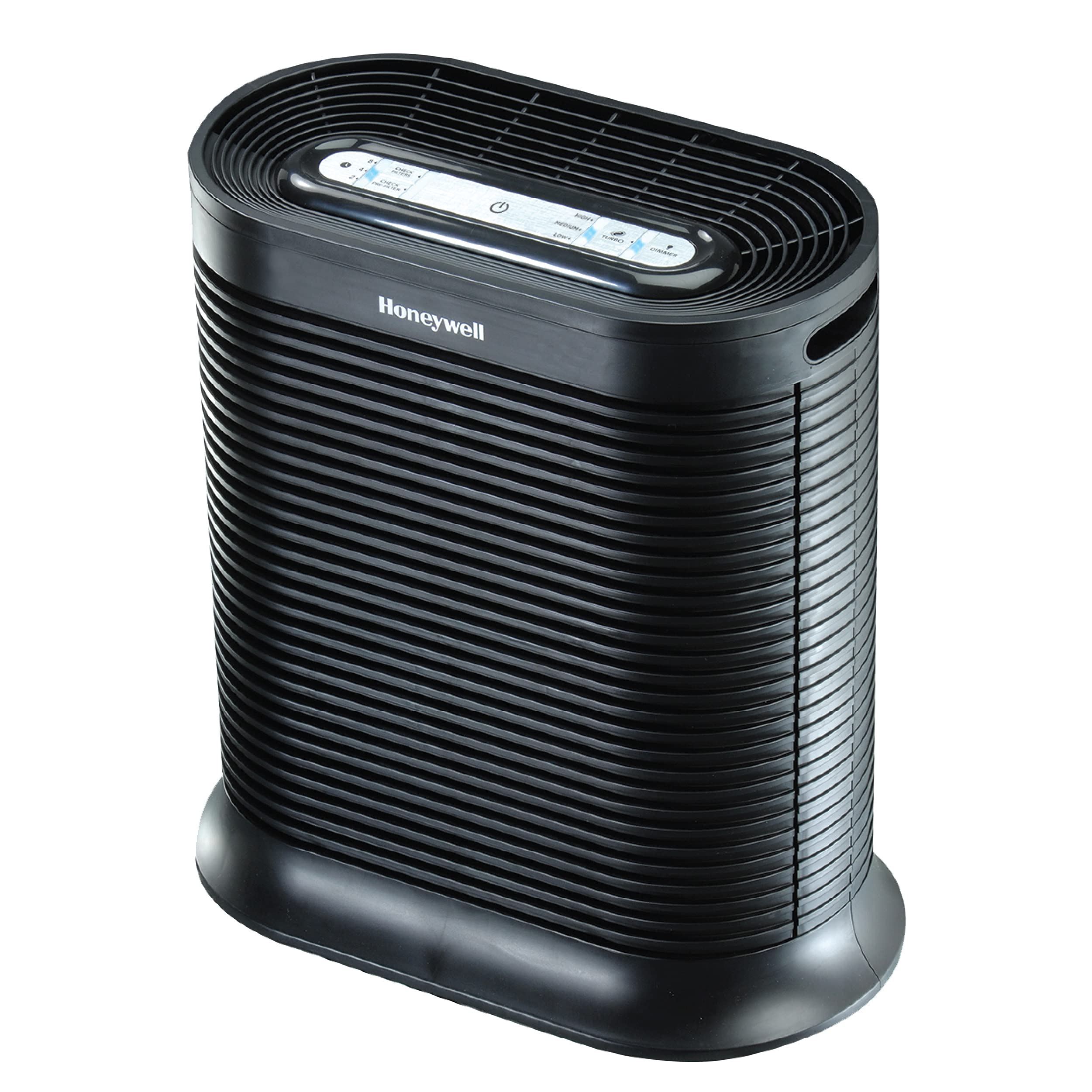
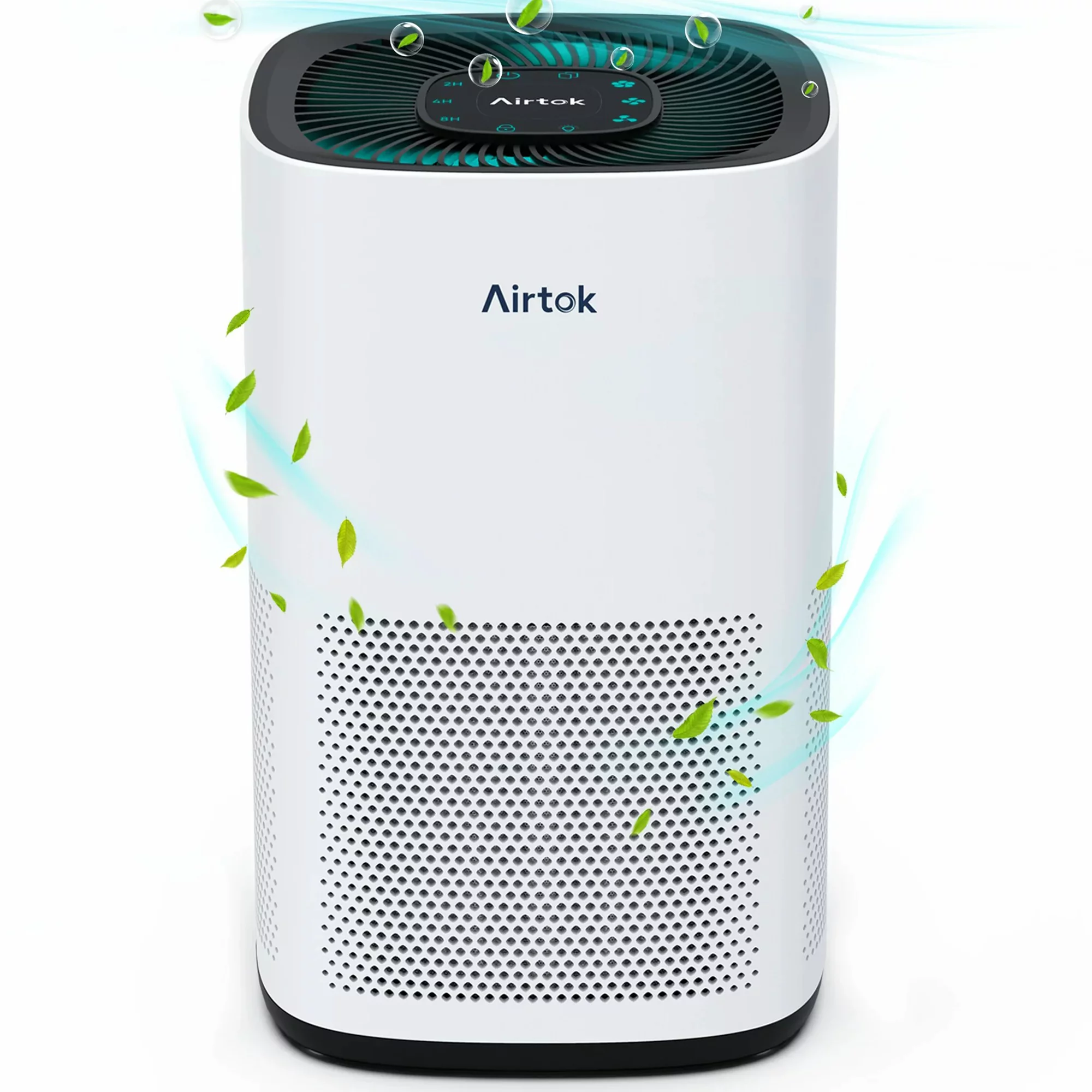
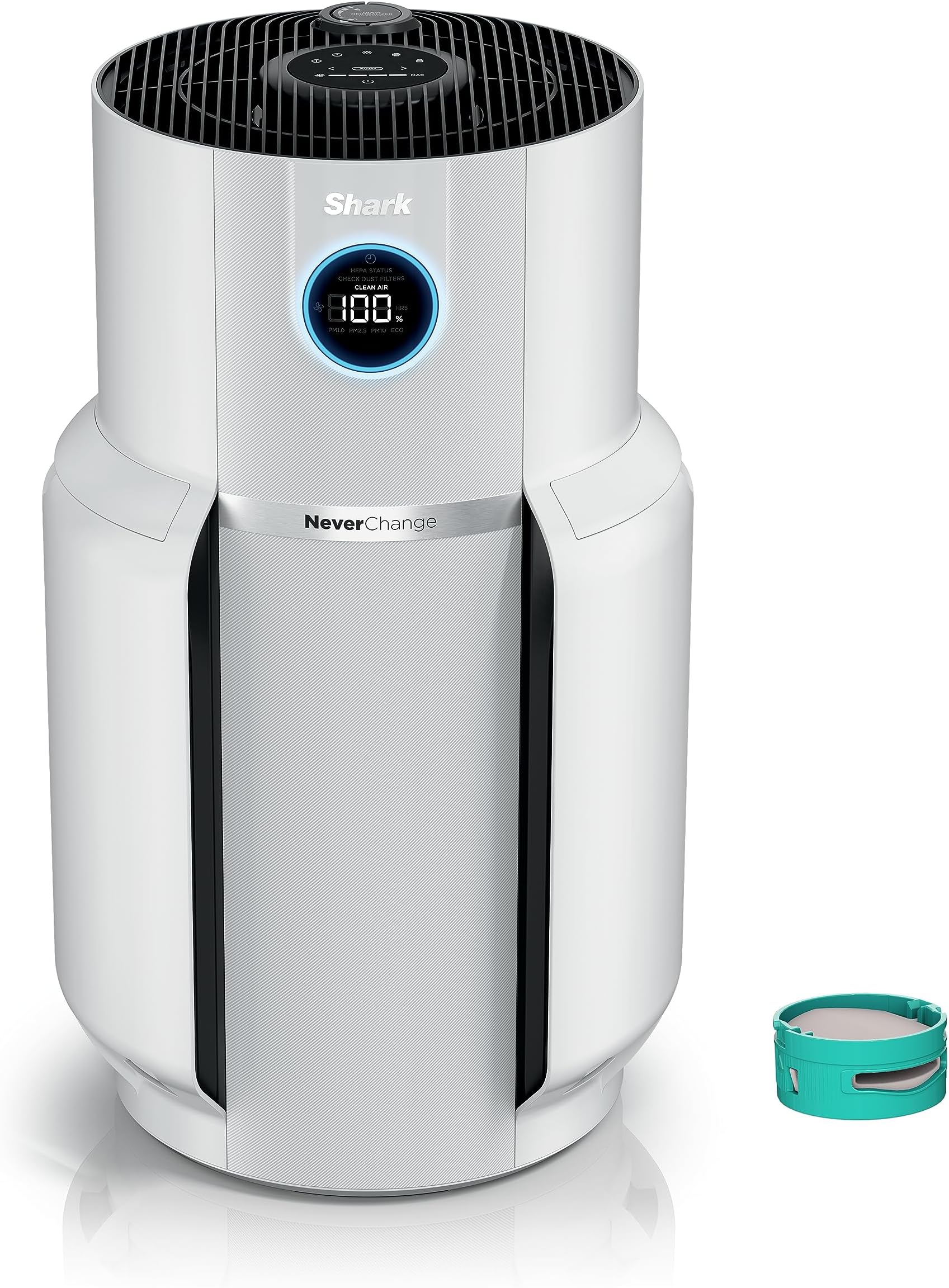
Selecting an effective HEPA air purifier requires matching the device's Clean Air Delivery Rate (CADR) with your room's total volume, ensuring it features a certified True HEPA filter capable of capturing at least 99.97% of airborne particles down to 0.3 microns. Top-performing picks combine high airflow, low acoustic output, and multi-stage filtration without producing secondary pollutants like ozone.
Indoor air pollution can accumulate to levels two to five times higher than outdoor concentrations according to data published by the U.S. Environmental Protection Agency (EPA). Airborne particulate matter—including PM2.5, pet dander, pollen, mold spores, and combustion byproducts—poses micro-respiratory risks that mechanical filtration directly addresses. This guide evaluates the leading HEPA air purifiers available in 2026, analyzing certified performance metrics, filter mechanics, operational costs, and real-world utility to help you select the ideal clean air system for your space.
Understanding HEPA Standards: True HEPA vs. Marketing Claims
The core component of any high-efficiency mechanical air cleaning device is its filter element. However, consumer air purifiers are marketed under varying terminology, some of which does not meet standardized filtration benchmarks.
What Defines True HEPA?
To qualify as a genuine True HEPA (High-Efficiency Particulate Air) filter in the United States, the filter medium must be independently tested to arrest at least 99.97% of particles that are 0.3 micrometers (microns) in diameter. The 0.3-micron size is designated as the Most Penetrating Particle Size (MPPS) because particles of this dimension present the greatest challenge to mechanical filter fibers.
- Impaction and Interception: Particles larger than 0.3 microns possess enough mass to collide directly with or pass close enough to be trapped by synthetic or glass microfibers.
- Diffusion: Particles smaller than 0.3 microns undergo Brownian motion, bouncing off air molecules in erratic paths, which increases their likelihood of striking and adhering to filter fibers.
- The 0.3-Micron MPPS: Particles right at 0.3 microns sit at the aerodynamic boundary between these trapping mechanisms, making this standard the benchmark for filter efficiency.
In Europe, high-efficiency filters are classified under standard EN 1822 / ISO 29463. Filters rated H13 capture at least 99.95% of MPPS particles, while H14 filters capture 99.995%. Both ratings comfortably satisfy residential health and air-sanitation needs.
Misleading Terminology to Avoid
When reviewing product literature, distinguish between standardized performance and proprietary marketing descriptors:
- "HEPA-Type" or "HEPA-Like": Uncertified filters that often capture only 85% to 95% of particles, allowing smaller sub-micron pollutants to pass back into the living space.
- "99% HEPA": Lacks the rigorous 0.3-micron fractional efficiency testing required by recognized standards organizations such as the U.S. Department of Energy or European standardization bodies.
- "Permanent HEPA": Claims the filter never needs replacement. In practice, washing or vacuuming true mechanical media degrades the delicate fiber structure, permanently lowering efficiency and restricting airflow.
Essential Performance Metrics: CADR, ACH, and Room Sizing
Evaluating an air purifier requires looking past physical chassis size to review its standardized airflow performance metrics.
Clean Air Delivery Rate (CADR)
Standardized by the Association of Home Appliance Manufacturers (AHAM) under standard ANSI/AHAM AC-1, the Clean Air Delivery Rate measures the volume of filtered air an appliance delivers per minute, expressed in cubic feet per minute (CFM) or cubic meters per hour ($\text{m}^3/\text{h}$).
CADR tests report three distinct pollutant values:
- Tobacco Smoke: Particle size range 0.09 to 1.0 micron.
- Dust: Particle size range 0.5 to 3.0 microns.
- Pollen: Particle size range 5.0 to 11.0 microns.
The smoke CADR is the most critical metric for general performance, as smoke particles represent the fine particulate matter (PM2.5) most hazardous to human lung tissue.
The Two-Thirds CADR Rule for Room Sizing
To calculate the minimum required Smoke CADR for a room with standard 8-foot ceilings, multiply the room's area in square feet by 0.67 (or $\frac{2}{3}$).
$$\text{Required CADR (CFM)} = \text{Room Area (sq. ft.)} \times 0.67$$
For example, a 300-square-foot living room requires an air purifier with a Smoke CADR of at least 200 CFM to achieve proper clearance of fine particulates.
Air Changes per Hour (ACH)
Air Changes per Hour indicates how many times the total volume of air in a room passes through the filter media within a 60-minute window. For general air freshness, 2 to 3 ACH is acceptable. For individuals managing asthma, severe allergies, or immunocompromised conditions, medical guidelines recommend an air purifier capable of delivering 4 to 5 ACH in the targeted room.
Top Clean Air Picks: HEPA Purifier Reviews
The following recommendations represent top-tier clean air solutions across key performance categories. Each selection utilizes verified True HEPA or H13/H14 media, incorporates active gas-phase filtration, and achieves high performance relative to its noise profile and energy draw.
- Outer Mesh Pre-Filter: Captures Hair, Lint, & Large Dust
- True HEPA Filter (H13): Captures 99.97% PM2.5, Pollen, Dander
- Activated Carbon Bed: Absorbs VOCs, Gases, & Cooking Odors
1. Best Overall HEPA Air Purifier: Performance and Efficiency Balanced
Models designed for primary living spaces (300 to 500 sq. ft.) must balance strong CADR performance with quiet operation.
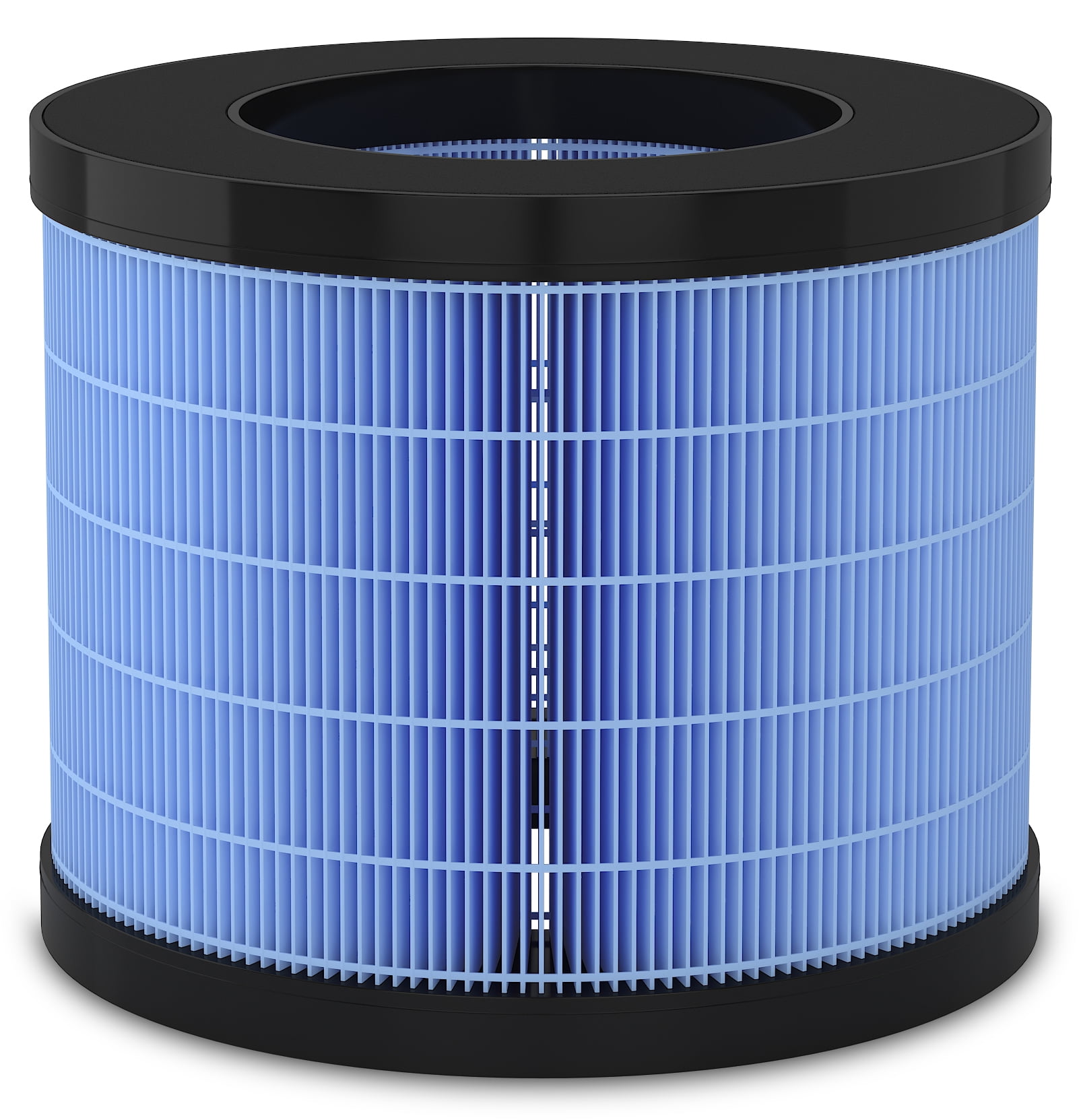
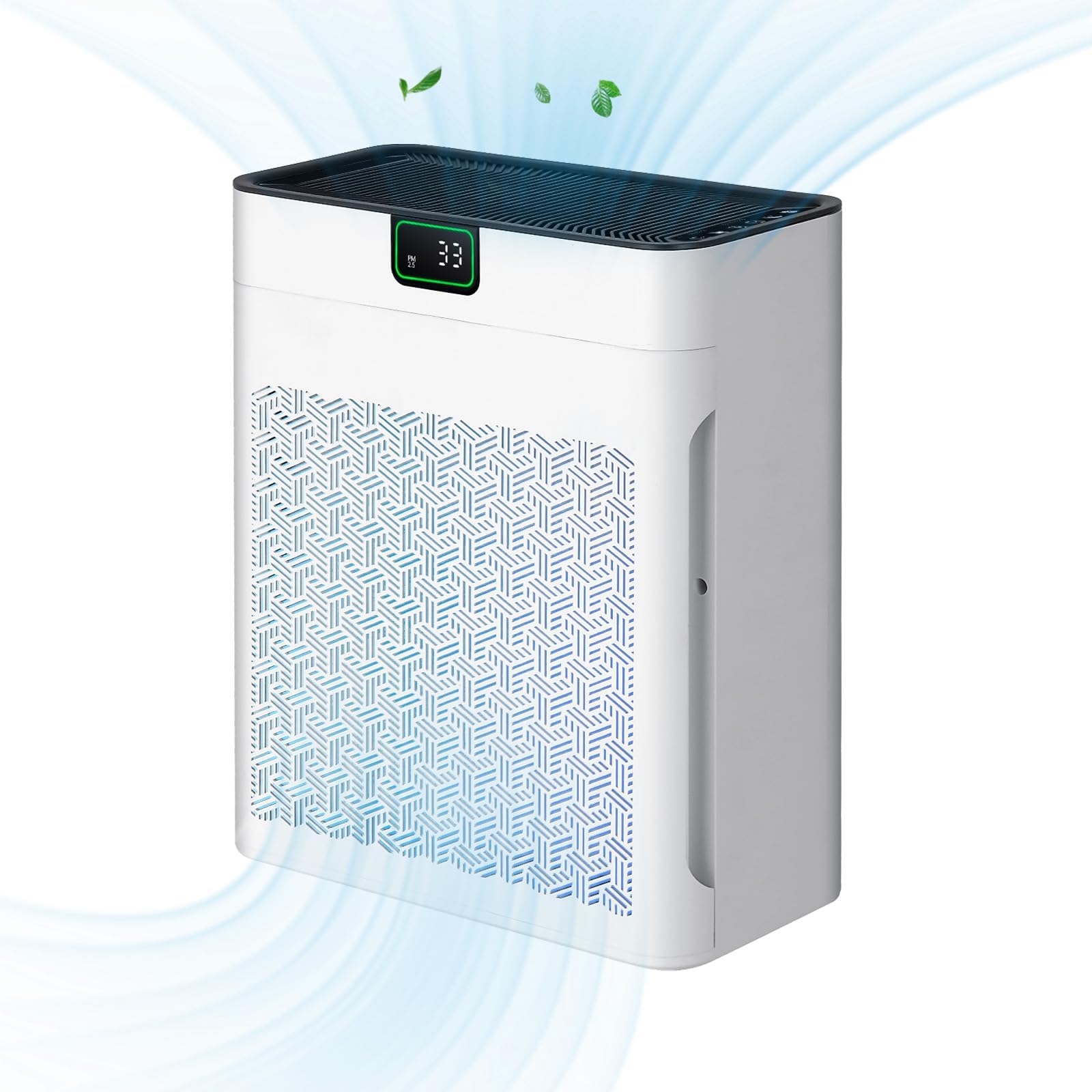
- Filtration Architecture: Multi-stage filtration featuring a washable fine mesh pre-filter, a certified True HEPA main filter, and a pelletized activated carbon bed.
- Airflow Performance: Smoke CADR typically ranges from 230 to 260 CFM. This yields 4.8 Air Changes per Hour in a 360-square-foot room.
- Acoustic Profile: Noise levels range from a near-silent 24 decibels (dB) on lowest fan settings up to 52 dB on maximum speed.
- Practical Considerations: Integrated particle sensors (PM2.5 laser counters) allow auto-mode activation, dynamically ramping up fan speed when ambient dust or smoke levels spike. Filter maintenance indicators ensure media is replaced based on cumulative runtime and sensor feedback rather than arbitrary timers.
2. Best for Large Rooms and Open-Concept Spaces
Large, open-plan spaces require high volumetric airflow to prevent air stagnation in far corners.
- Filtration Architecture: Dual-intake cylindrical or dual-flat True HEPA filters paired with dense carbon media.
- Airflow Performance: Smoke CADR ratings exceeding 400 CFM, capable of turning over air in spaces up to 650 to 800 square feet at 4 to 5 ACH.
- Energy Demand: High-performance brushless DC (BLDC) motors keep power consumption between 45W and 75W at maximum operational capacity, ensuring continuous operation remains cost-effective.
- Practical Considerations: Physical footprint increases significantly in this category. Look for units equipped with smooth-glide casters or integrated side handles to facilitate movement between rooms.
3. Best Budget HEPA Purifier for Bedrooms and Offices
Designed for small rooms (150 to 250 sq. ft.), compact units prioritize low noise and low upfront filter costs.
- Filtration Architecture: Integrated 3-in-1 cylindrical filter cartage (pre-filter sleeve, True HEPA layer, carbon layer).
- Airflow Performance: Smoke CADR averages 110 to 140 CFM.
- Acoustic Profile: Crucial for sleeping environments; top choices operate at sub-22 dB in sleep mode with options to turn off all display LEDs.
- Practical Considerations: While initial unit costs are lower, ensure replacement filter pricing is reasonable relative to the unit's purchase price.
4. Best Heavy-Duty Option for Smoke, Odors, and VOCs
Standard HEPA filters trap solid particles but cannot capture gaseous pollutants, volatile organic compounds (VOCs), or odors. Specialized heavy-duty purifiers address this gap.
- Filtration Architecture: Heavy-duty medical-grade H13 HEPA paired with substantial activated carbon beds (containing 3 to 15 pounds of coconut shell carbon, sometimes impregnated with potassium permanganate).
- Airflow Performance: Moderate CADR (200–300 CFM) due to high airflow resistance through deep carbon beds, but superior single-pass gas phase removal.
- Target Environment: Homes impacted by persistent wildfire smoke, chemical off-gassing from new construction, or severe pet odors.
Comparison Table: Key Specifications for Top HEPA Air Purifiers
The following table compares performance benchmarks across standard air purifier categories:
| Category / Model Type | Rated Room Size (5 ACH) | Smoke CADR (CFM) | Filter Grade | Carbon Weight / Type | Noise Range (Min / Max dB) | Power Usage (Watts) |
|---|---|---|---|---|---|---|
| Compact Bedroom | 150–200 sq. ft. | 115 CFM | True HEPA (99.97%) | Light Carbon Sheet (< 0.5 lbs) | 20 dB / 48 dB | 12W – 30W |
| Mid-Size Living Room | 350–450 sq. ft. | 250 CFM | H13 True HEPA | Carbon Pellets (0.7–1.2 lbs) | 24 dB / 52 dB | 25W – 55W |
| Large Open Concept | 600–800 sq. ft. | 410 CFM | H13 True HEPA | Dual Carbon Beds (1.5–2.5 lbs) | 28 dB / 60 dB | 45W – 75W |
| Gas & Smoke Heavy-Duty | 300–500 sq. ft. | 220 CFM | H13 / H14 Medical Grade | Heavy Carbon Bed (3.0–15.0 lbs) | 30 dB / 64 dB | 50W – 110W |
Total Cost of Ownership: Filter Lifespan and Energy Usage
Evaluating an air purifier's value requires looking beyond the initial purchase price to consider operating costs over a 3- to 5-year lifecycle.
- Upfront Appliance Price
- Plus Annual HEPA & Carbon Replacement Filters
- Plus Continuous Electrical Consumption (KWh Rate x Watts)
- Equals True Multi-Year Expense
1. Filter Replacement Expenses
Filter media gradually loads with captured particulates, increasing resistance (static pressure drop) across the filter face and lowering total CADR.
- Standard True HEPA Filters: Require replacement every 6 to 12 months under average residential conditions.
- High-Capacity HEPA Filters: Deeper pleated filters with wider surface areas can last 2 to 5 years before reaching terminal pressure drop.
- Pre-Filters: Require cleaning (vacuuming or washing) every 2 to 4 weeks. Keeping the pre-filter clear prevents heavy lint and hair from prematurely clogging the HEPA layer.
Before making a purchase, verify the current availability and cost of manufacturer replacement filters. Third-party filters can vary in fit quality, gasket seal precision, and actual efficiency.
2. Electrical Energy Consumption
Because air purifiers work best when operating continuously (24/7), electricity costs accumulate over time. Modern units utilizing energy-efficient direct current (DC) motors cost significantly less to run than older alternating current (AC) induction models.
To calculate approximate annual power costs:
$$\text{Annual Cost} = \left( \frac{\text{Watts} \times 24 \text{ hours} \times 365 \text{ days}}{1000} \right) \times \text{Electricity Rate per kWh}$$
Operating a 40-watt air purifier continuously at an electricity rate of $0.16 per kWh costs approximately $56.00 per year in power consumption.
Optimal Placement and Operational Troubleshooting
Even high-performing HEPA purifiers underperform if installed incorrectly or operated in environments that impede airflow.
- Wall / Obstruction
- Minimum 12–18 Inches distance to Air Purifier
- Air Purifier
- Open Air Intake from Room
- Living / Sleeping Zone
- Upward or Forward Exhaust Air Stream
Placement Guidelines
- Maintain Wall Clearance: Place the unit at least 12 to 18 inches away from walls, heavy drapery, and furniture to allow unimpeded intake from all built-in air grilles.
- Position Near Pollution Sources or Intake Zones: Place purifiers near known allergen entry points (doors, drafty windows) or central living areas. For bedroom placement, set the purifier 3 to 6 feet from the head of the bed, ensuring clean air flows toward the breathing zone without generating a uncomfortable draft.
- Elevate Small Units: Compact purifiers designed for desktop or table placement clean air more efficiently when elevated 2 to 3 feet off the carpeted floor.
Troubleshooting Common Issues
- Reduced Airflow or Excessive Fan Noise: Check the pre-filter for heavy dust loading. Vacuum the pre-filter screen or wash it if the manual specifies it is washable. Confirm that protective plastic wrapping has been removed from new replacement filters—a common setup oversight.
- Persistent Odors After Filter Change: The carbon filter layer may be fully saturated. Activated carbon absorbs gaseous contaminants through surface physical adsorption. Once its internal pore sites are filled, it cannot absorb additional gas and may re-emit faint smells. Replace the carbon stage separately if your device uses split filter layers.
- Air Quality Indicator Stays Red/High: The optical or laser PM2.5 sensor lens may be coated in ambient dust. Clean the sensor port carefully using a dry cotton swab or canned air according to the manufacturer's maintenance instructions.
Frequently Asked Questions
What is the difference between HEPA filters and air ionizers?
True HEPA filters use physical fiber media to trap airborne particulates down to 0.3 microns without producing secondary air pollutants. Air ionizers generate electrical charges to precipitate particles out of the air onto surrounding surfaces, which can generate ozone—a gas that irritates lung tissue—as a byproduct. Health agencies generally recommend dedicated mechanical HEPA filtration over ozone-producing ionizers.
Can a HEPA filter remove viruses and bacteria?
Yes. Although individual virus particles often range from 0.02 to 0.3 microns in size, viruses travel airborne inside larger respiratory droplets and droplet nuclei (typically 0.5 to 5 microns). True HEPA media traps these carrier droplets effectively. Sub-micron viral particles moving independently are also captured via Brownian diffusion when they strike filter fibers.
How often should I run my HEPA air purifier?
For optimal indoor air quality, run your HEPA air purifier continuously on a low or automatic setting. Turning the purifier off allows indoor particulate levels to build back up as occupants move around, pets shed, or outdoor air infiltrates the building. Continuous operation maintains lower baseline particle counts.
Does a HEPA air purifier remove mold spores and dust mites?
Yes. Mold spores (typically 2 to 20 microns) and dust mite debris (10 to 40 microns) are significantly larger than the 0.3-micron HEPA benchmark. A True HEPA filter easily captures these allergens, preventing them from recirculating through your heating and cooling systems.
Will a HEPA filter get rid of persistent cooking or smoke smells?
HEPA media traps physical smoke particles, but it does not absorb gaseous odors or volatile organic compounds (VOCs). To remove smells, select an air purifier that combines a True HEPA filter with a substantial layer of activated carbon, which physically adsorbs gas molecules.
Strategic Selection Guide for Cleaner Indoor Air
To choose the best HEPA air purifier for your home, match performance metrics to your specific living space and environmental conditions:
- Measure Your Space: Determine the square footage of the targeted room. Multiply by ceiling height if ceilings exceed 8 feet to determine total cubic volume.
- Verify the CADR: Ensure the unit’s Smoke CADR rating equals or exceeds $\frac{2}{3}$ of your room’s square footage (e.g., 200 CADR for a 300 sq. ft. room). Aim for higher CADR ratings if you have pets, respiratory conditions, or live in a wildfire-prone area.
- Confirm True HEPA Certification: Look for explicit True HEPA or EN 1822 H13/H14 designations in specifications. Avoid uncertified terms like "HEPA-Type."
- Evaluate Gaseous Filtration Needs: If your main concerns include cooking odors, pet smells, or VOCs, prioritize models with dense pelletized activated carbon filters over thin carbon-impregnated sheets.
- Calculate Long-Term Costs: Review annual filter replacement costs and electrical draw alongside the initial purchase price.
By choosing a verified True HEPA system sized correctly for your space, you can lower indoor fine particulate counts, reduce exposure to airborne allergens, and maintain clean air throughout your home.
EDITORIAL CATEGORY METADATA: