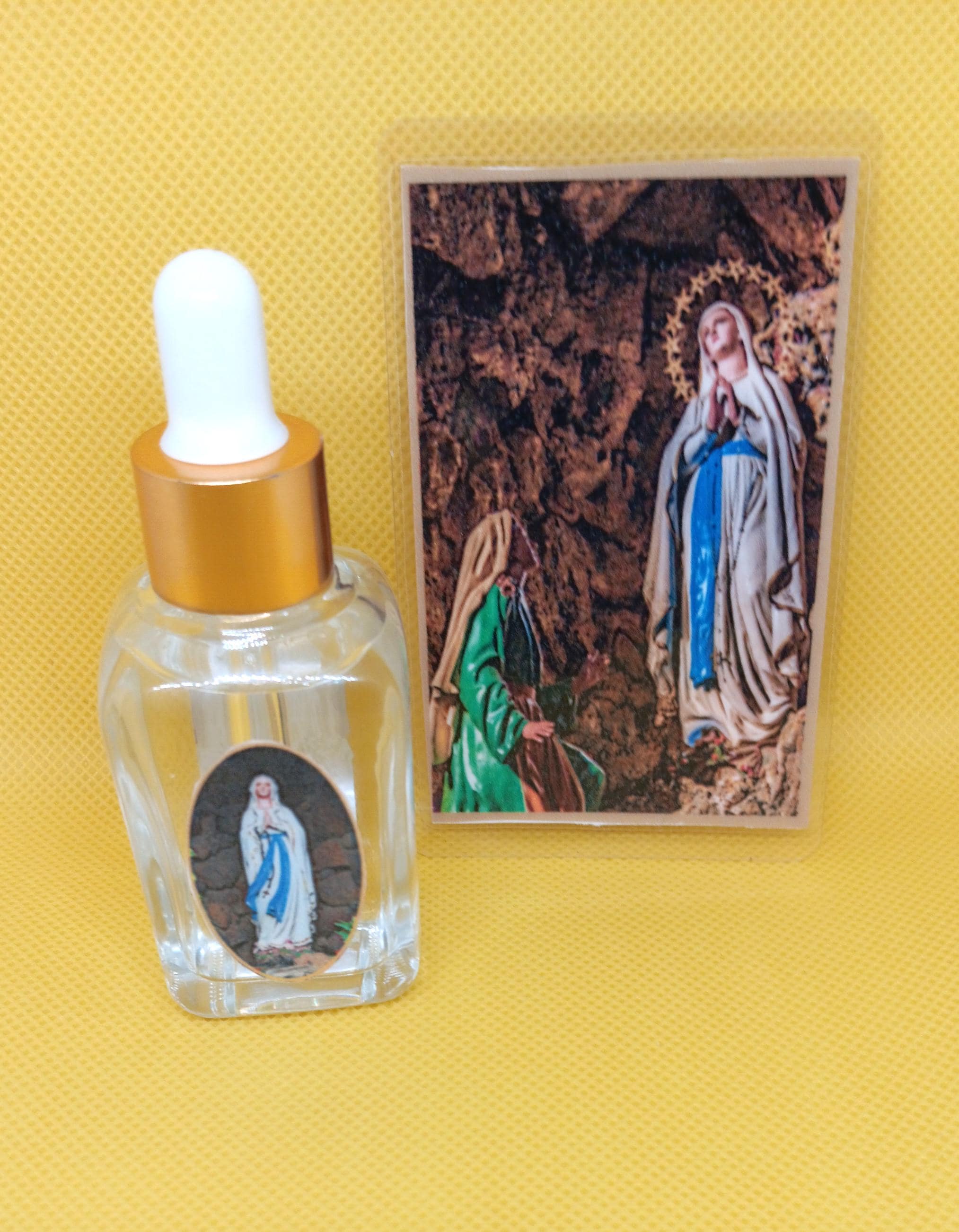
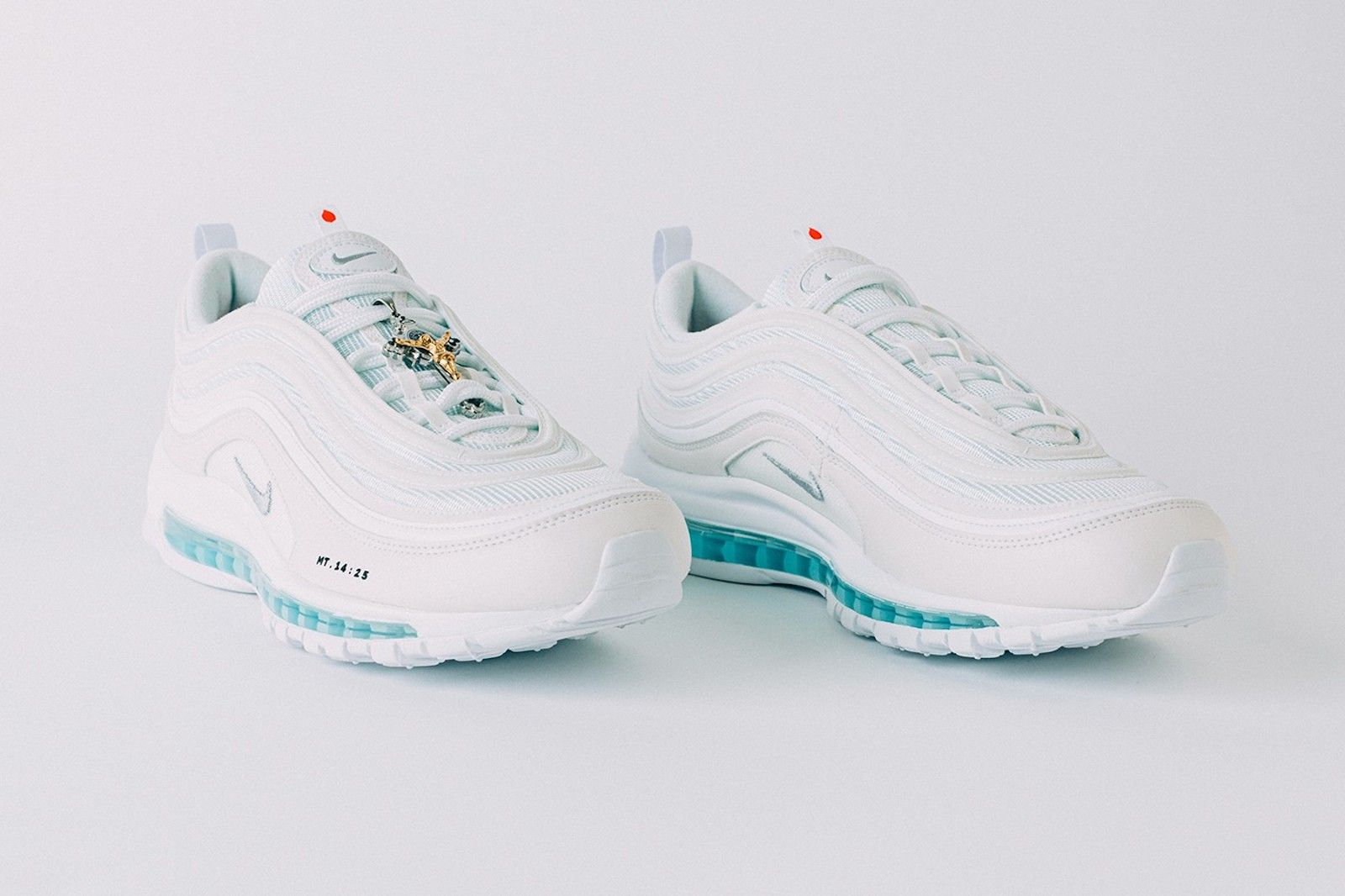
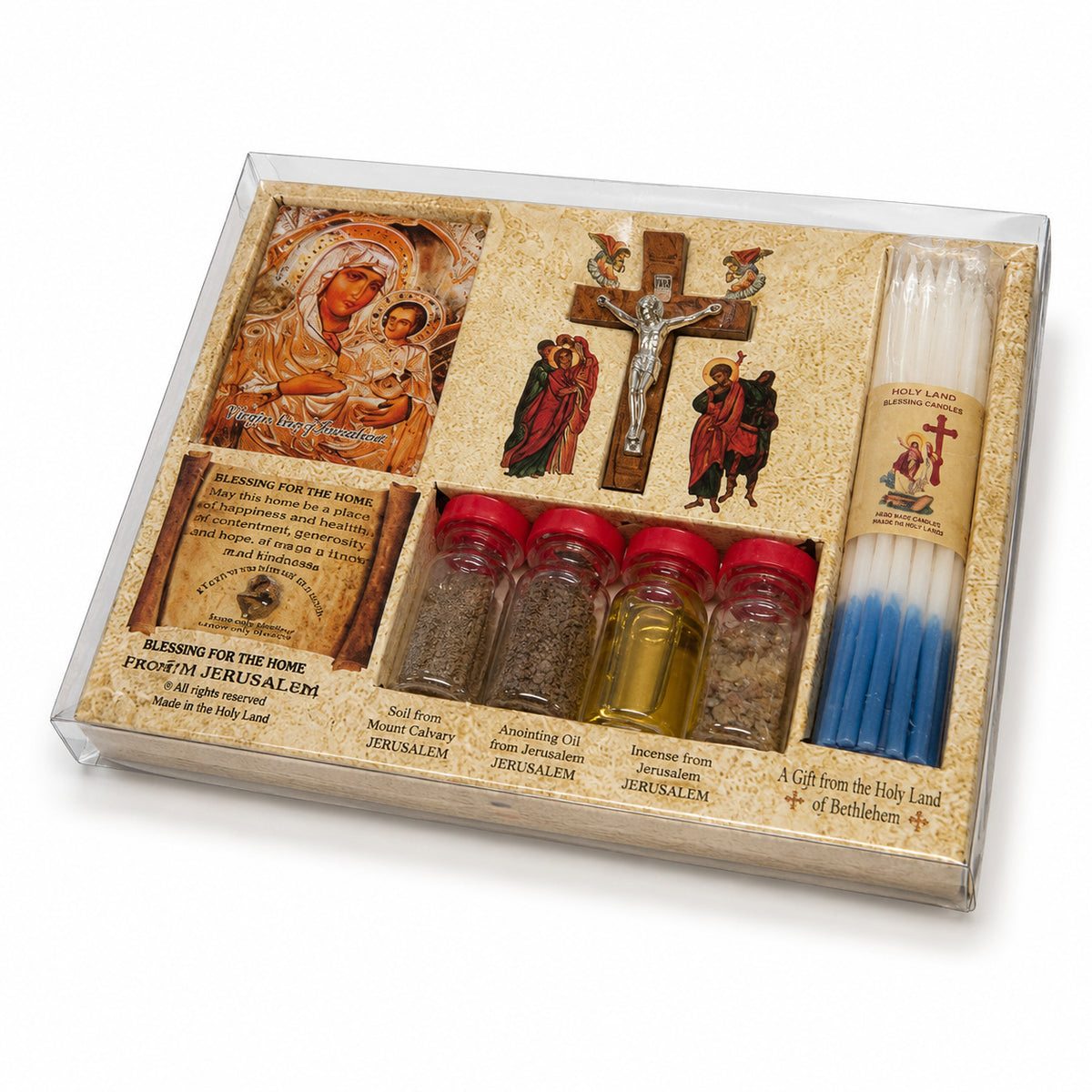
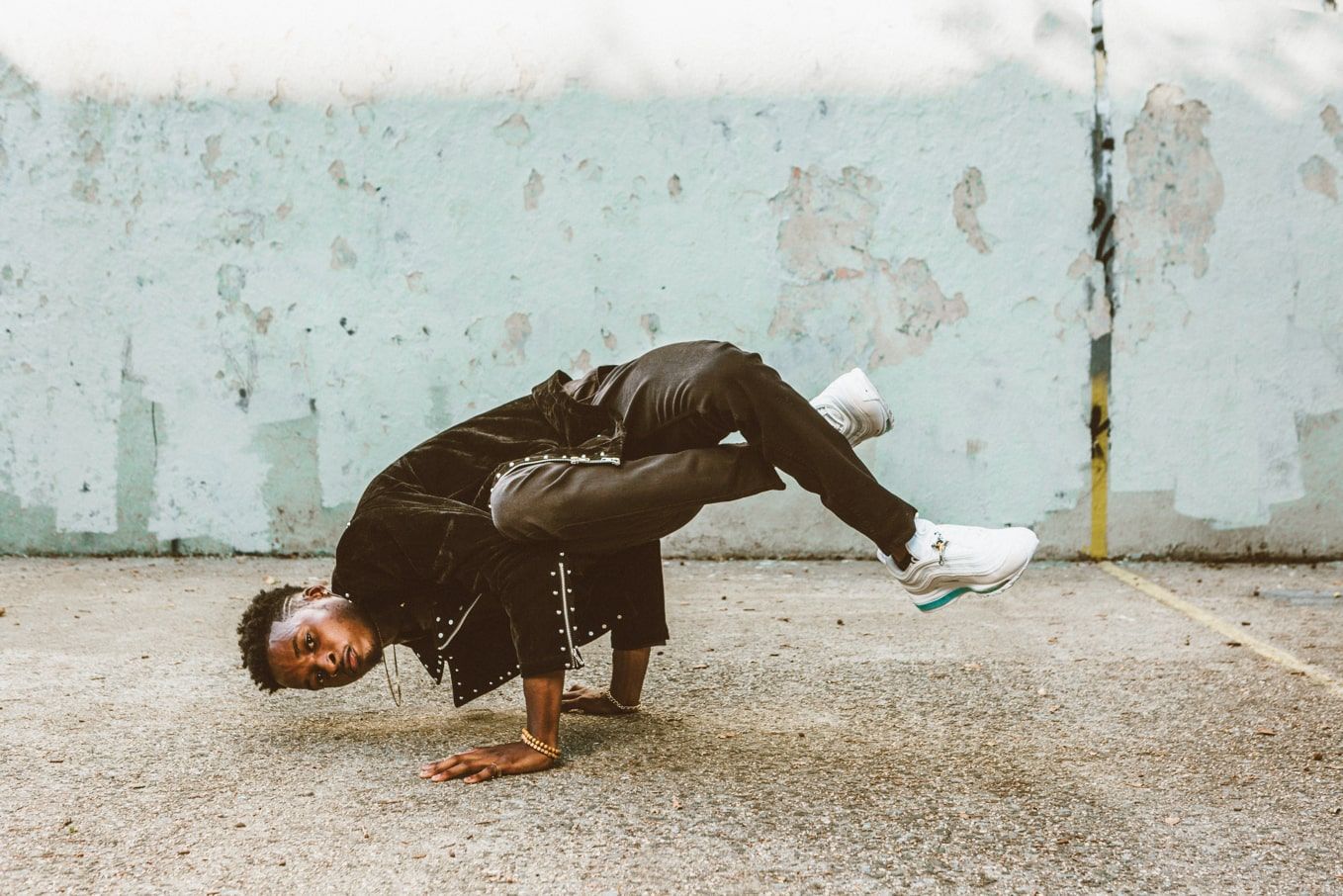
The phenomenon of custom footwear blending high-concept pop art and sacred symbolism—most famously embodied by MSCHF’s modified Nike Air Max 97 “Jesus Shoes”—represents a fascinating intersection of sneaker culture, contemporary satire, and material customization. These creations utilize actual or heavily modified retail sneakers infused with thematic elements such as consecrated holy water, custom insoles, and subtle religious iconography to transform everyday athletic wear into wearable conceptual art pieces.
The Genesis of Custom Sneaker Conceptualism
In the modern landscape of sneaker design, customization has moved far beyond simple leather painting and sole swapping. Artists and design collectives routinely leverage footwear as a canvas for provocative cultural commentary. The integration of sacred elements into mass-market silhouettes challenges traditional boundaries between commercial products and spiritual reverence. By taking a ubiquitous platform like a Nike Air Max silhouette and altering its composition, creators prompt observers to examine the commodification of faith, the mechanics of modern hype culture, and the absurdity of extreme consumerism.
This design movement relies on a dual identity. On the surface, the shoe retains the structural integrity, cushioning technology, and recognizable silhouette of a classic athletic trainer. Beneath that exterior lies a deliberate subversion. The inclusion of unconventional liquid mediums inside transparent Air cushioning units shifts the sneaker from a functional athletic item into a rare collectible, an art object, or a satirical commentary on luxury culture. This conceptual shift requires a careful balance between preserving the recognizable features of the host sneaker and introducing distinct thematic alterations that communicate a specific narrative.
Anatomy of Sacred Footwear Customization
Transforming a standard sneaker into a themed artistic piece involves a meticulous deconstruction and reconstruction process. Creators typically source specific base models—most notably the Air Max 97 due to its distinctive full-length visible Air unit, which provides an ideal chamber for suspended fluids—and modify them using specialized materials.
The process generally involves extracting air or factory gas from the transparent cushioning window and replacing it with a liquid medium. In the case of religiously themed custom designs, this liquid is frequently sourced or stylized to represent holy water, sometimes originating from specific geographical locations like the River Jordan. Additionally, customizations frequently incorporate:
- Custom-molded insoles infused with frankincense or scented oils to engage multiple senses.
- Metal crucifix fixtures or branded medallions attached to the laces or tongue panels.
- Embossed biblical chapter and verse citations along the mudguard or lateral side panels.
- Altered packaging, including custom-stamped shoeboxes resembling holy relics or ecclesiastical storage containers.
| Custom Feature | Standard Air Max 97 | Conceptual "Holy Water" Custom | Material / Technical Impact |
|---|---|---|---|
| Cushioning Unit | Nitrogen-pressurized air gas | Liquid medium (water/mineral oil mix) | Alters weight distribution and impact absorption |
| Insole Material | Standard foam with Nike branding | Scented red-dyed leather (frankincense) | Introduces aromatic elements and distinct visual contrast |
| Lace Accents | Standard woven polyester laces | Crucifix hardware or custom aglets | Adds metallic weight and thematic iconography |
| Packaging | Standard retail cardboard box | Custom-stamped ecclesiastical container | Enhances collectibility and unboxing narrative |
The Mechanics of Air Unit Fluid Modification
Modifying a pressurized Air Max cushioning unit requires technical precision to prevent leakage and maintain the structural stability of the sole. Factory Nike Air Max soles contain sealed polyurethane membranes filled with pressurized gas molecules that are larger than the spaces in the membrane matrix, preventing them from escaping over time.
When customizers inject liquid into these chambers, they must carefully pierce the polyurethane shell, evacuate the internal gas, and introduce the specialized fluid mixture. Because pure water can harbor bacterial growth or evaporate over time through microscopic pores in the membrane, customizers often use treated water, mineral oil, or colored gel solutions. These alternative fluids maintain visual clarity, resist stagnation, and protect the internal structural pillars of the Air unit from degrading or collapsing under the weight of the wearer.
Furthermore, sealing the injection port requires industrial-grade adhesives or thermal welding to ensure a permanent, airtight, and watertight bond. If the seal fails, the liquid escapes, compromising both the aesthetic integrity and the wearability of the footwear. Consequently, many conceptual pieces featuring fluid-filled soles are designated strictly as art objects for display rather than functional footwear for daily athletic use.
Cultural Reception and the Hype Economy
The intersection of sneaker culture and sacred themes inevitably provokes polarized reactions from the public, religious organizations, and fashion enthusiasts alike. On one side, proponents view these items as brilliant works of pop art that playfully critique the way society elevates consumer goods to the status of religious idols. Sneaker collecting has long possessed ritualistic elements—such as dawn-to-dusk campouts, veneration of rare deadstock pairs, and secondary market pricing structures that mirror religious devotion—making the marriage of sneakers and holy water a self-aware piece of cultural satire.
Conversely, critics and religious watchdogs occasionally express concern over perceived irreverence or commodification of sacred symbols. Using holy water as a novelty design element in a commercial product challenges orthodox boundaries of how sacred substances should be treated. However, because these custom creations are typically produced in extremely limited quantities—often single-digit or very small batch runs—they function primarily within high-end art and collector circles rather than mass retail markets.
| Dimension | Mass-Market Athletic Sneakers | Conceptual Custom Footwear |
|---|---|---|
| Primary Purpose | Athletic performance and everyday wear | Artistic expression and collection |
| Production Scale | Hundreds of thousands of pairs globally | Extremely limited batches (1 to 50 pairs) |
| Distribution | Retail stores, official apps, authorized dealers | Direct-from-artist, specialized galleries, auctions |
| Secondary Market | Driven by trend cycles and general demand | Driven by scarcity, artistic provenance, and media buzz |
Preservation, Display, and Collector Considerations
For collectors who acquire conceptual or custom footwear featuring delicate modifications like fluid-filled air units or attached metal hardware, preservation requires specialized care compared to standard sneakers. Standard preservation techniques—such as maintaining low humidity and using silica gel packets—help prevent midsole crumbling caused by hydrolysis in older polyurethane soles. However, liquid-modified sneakers introduce unique maintenance challenges.
Exposure to direct, intense sunlight can cause dyed liquids to fade or clear oils to yellow over time. Additionally, fluctuations in ambient temperature can cause internal liquids to expand or contract, placing stress on the thermal welds of the Air unit. Therefore, collectors typically store these pieces in climate-controlled display cases away from UV radiation. Wearing these shoes is generally discouraged by conservators and collectors, as physical impact can rupture the modified cushioning chambers, permanently destroying the primary artistic feature of the footwear.
Frequently Asked Questions
What are Air Max holy water sneakers?
Air Max holy water sneakers are custom art pieces—most notably created by modifying Nike Air Max 97 models—that replace the pressurized gas inside the visible Air cushioning units with liquid, often stylized as holy water, alongside other religious iconography and custom packaging.
Can you actually wear fluid-filled custom sneakers?
While structurally based on wearable athletic shoes, most fluid-modified custom sneakers are designed primarily as conceptual art or collector pieces. Wearing them increases the risk of sealing failure, fluid leakage, or damage to the modified air cushioning chambers.
How is liquid inserted into a Nike Air sole?
Customizers carefully puncture the polyurethane membrane of the Air unit, release the internal pressurized gas, inject the treated fluid or gel mixture, and permanently seal the entry point using industrial-grade adhesives or thermal welding techniques.
Are these official Nike products?
No. Major sportswear manufacturers like Nike do not manufacture or endorse holy water or religiously themed custom sneakers. These items are independently crafted by third-party artists and customizers using authentic retail shoes as a base platform.
Why is the Air Max 97 used for these customs?
The Air Max 97 features a distinctive, full-length transparent window running the entire circumference of the midsole. This large viewing chamber provides maximum visual impact for suspended liquids, making it the ideal structural platform for fluid-based modifications.
Securing and Displaying Conceptual Custom Footwear
For enthusiasts looking to incorporate high-concept custom footwear into a collection, acquiring a verified piece requires monitoring specialized secondary art platforms, auction houses, or direct releases from reputable custom collectives. Because these items are produced in minuscule quantities and often face rapid legal or logistical hurdles, provenance and authenticity verification are paramount. Ensure that any acquired piece comes with original custom packaging, artist documentation, and clear photographic evidence confirming the structural integrity of any modified cushioning units before integrating the shoes into a curated display collection.