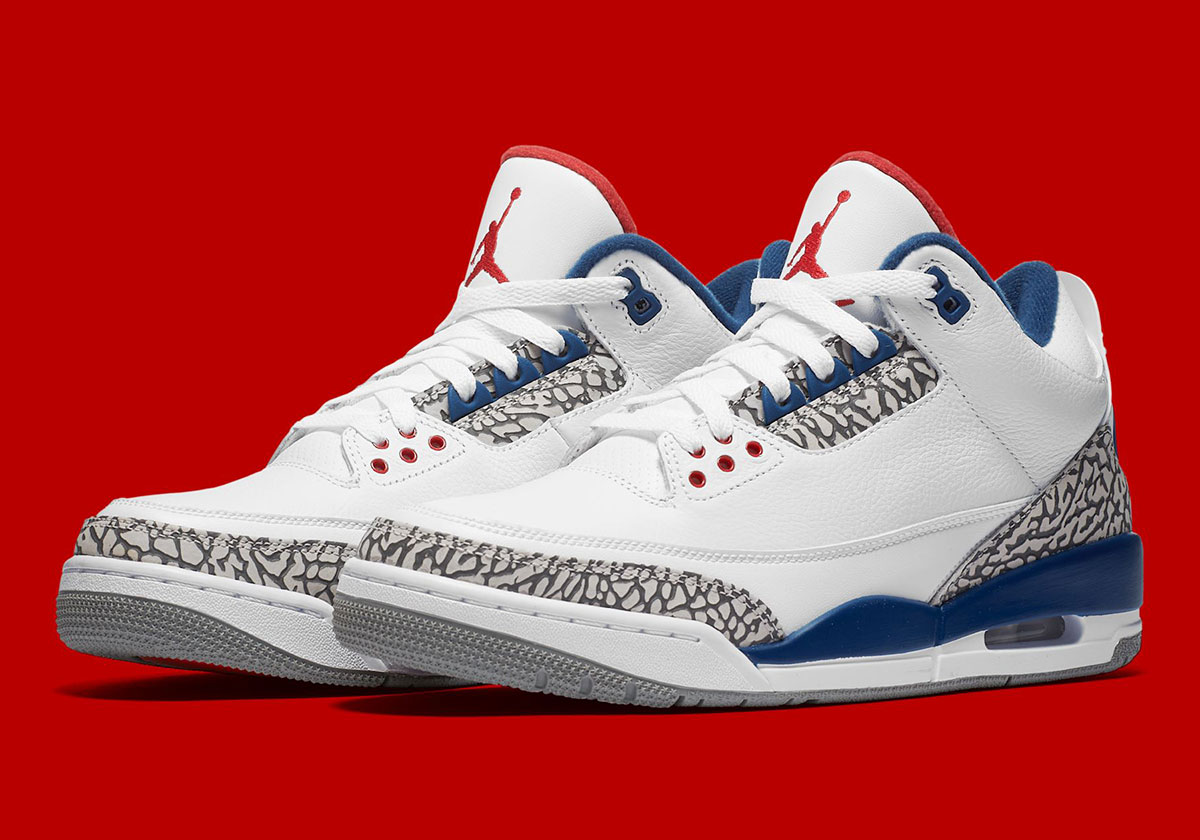
Staying updated on Air Jordan info, latest news releases, and sneaker guides requires a multi-faceted approach involving official brand announcements, reputable leak accounts, and technical knowledge of footwear preservation. In 2026, the market remains driven by limited-edition drops on the SNKRS app, high-profile collaborations, and the ongoing "Reimagined" series of classic silhouettes.
Navigating the Air Jordan Release Calendar in 2026
The landscape of sneaker releases has evolved into a highly sophisticated ecosystem where timing and platform awareness are the primary barriers to entry. To successfully navigate Air Jordan releases, one must distinguish between the various distribution tiers. The "Tier 0" accounts, which include global boutiques like A Ma Maniére, Union Los Angeles, and Bodega, often receive the most limited collaborations and high-heat "Retro" models. These retailers typically employ their own raffle systems to mitigate the impact of automated buying bots, which remain a persistent challenge in 2026.
The primary gateway for most consumers is the Nike SNKRS app. Understanding the release mechanics within the app is critical. "LEO" releases are essentially quick-entry raffles where the system selects winners within minutes of the drop, whereas "DAN" releases are more formal draws that usually last 10 to 30 minutes. Additionally, "Shock Drops" and "SNKRS Pass" locations (geographic-based reservations) continue to reward users who maintain active engagement with the app’s editorial content. Following verified news outlets and "leak" accounts on social media provides the necessary lead time—often months in advance—to plan for retail expenditures, which for premium Retros in 2026 typically range between $210 and $250.
Understanding the Evolution of Air Jordan Silhouettes
The Air Jordan lineage is categorized by its "Game Shoe" series, which began in 1984, and its lifestyle-focused offshoots. While Michael Jordan’s on-court performance defined the early models, the 2026 market is heavily skewed toward the "Golden Era" models designed by Peter Moore, Bruce Kilgore, and Tinker Hatfield.
The Foundation: Air Jordan 1 through Air Jordan 4
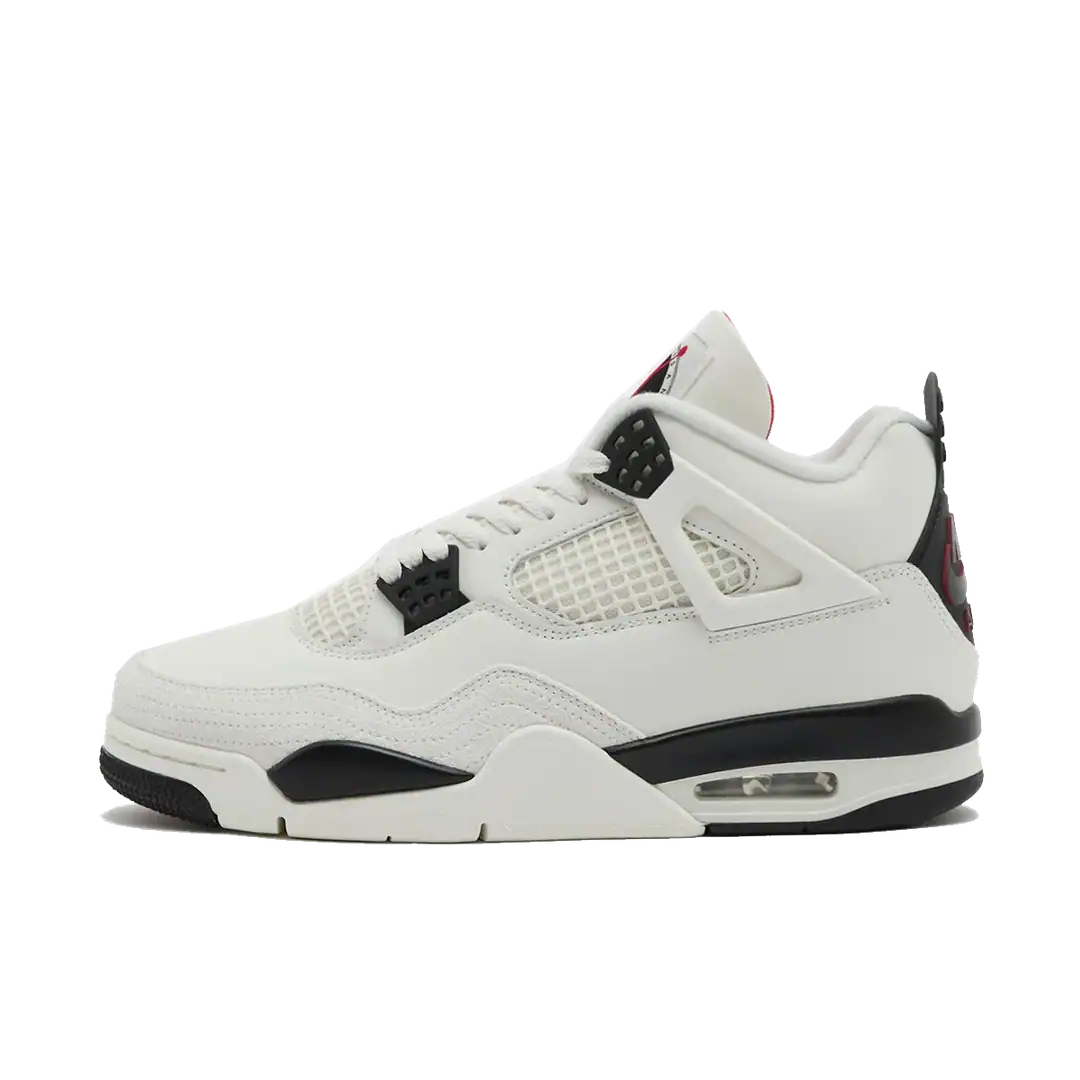
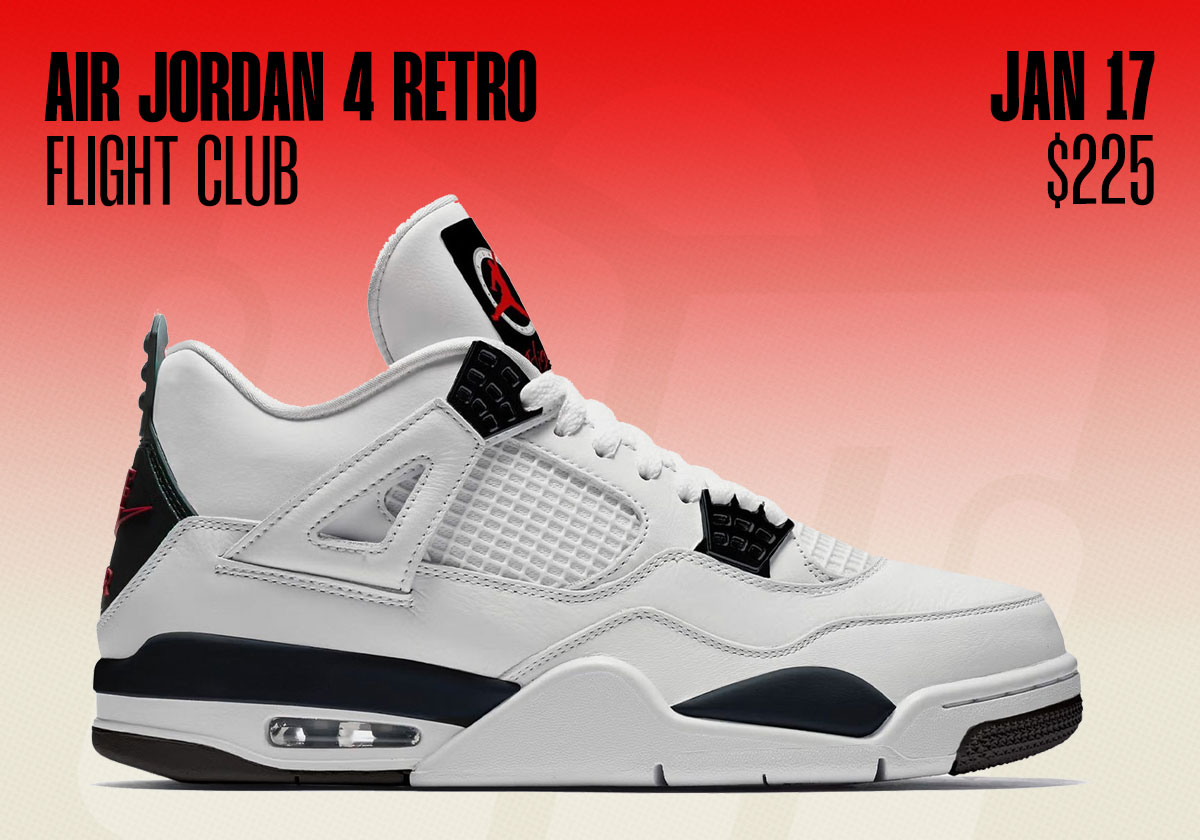
The Air Jordan 1 remains the most prolific silhouette, serving as a canvas for high-fashion crossovers and the "85 High" cut, which replicates the original specifications from 1985. The Air Jordan 3, featuring the debut of visible Air and the iconic elephant print, and the Air Jordan 4, known for its mesh netting and support "wings," are currently the most sought-after models for the "Reimagined" series. This series updates classic colorways with aged aesthetics or premium material swaps, appealing to both nostalgic older collectors and younger enthusiasts.
The Performance Peak: Air Jordan 11 through Air Jordan 14
Models like the Air Jordan 11, with its patent leather mudguard and carbon fiber plate, continue to be the cornerstone of the holiday release season. In 2026, Jordan Brand has maintained its commitment to "OG" (Original) specs, ensuring that the height of the patent leather and the density of the Phylon midsoles match the 1995-1996 production runs. These models represent the transition from pure basketball utility to high-status streetwear.
Essential Sneaker Guides: Authentication and Quality Control
As the resale value of certain Air Jordan models reaches thousands of dollars, the ability to verify authenticity is a mandatory skill for any serious collector. Authentication guides focus on several key pillars: scent, stitching, structural symmetry, and UV reactivity.
Authentic Air Jordans produced in 2026 possess a distinct "factory scent" resulting from the specific glues and materials used in Nike’s specialized facilities. In contrast, many unauthorized reproductions emit a harsh, chemical odor. Stitching density is another hallmark; genuine pairs maintain a consistent stitch-per-inch count, particularly around the "Swoosh" and the "Wings" logo. Furthermore, using a UV light (blacklight) can reveal hidden production stamps or guidelines on the leather panels that are often absent on retail pairs but present on high-quality replicas.
Quality control (QC) is another area where guides are essential. Even retail pairs can occasionally feature "widow's peaks" on leather cuts or slight glue stains. Understanding the tolerance levels of official Jordan Brand production helps collectors decide whether to keep a pair or seek a replacement, especially when purchasing from secondary marketplaces that offer their own authentication guarantees.
Maintenance and Preservation of Air Jordan Collections
The longevity of an Air Jordan sneaker is dictated by how it is cleaned and stored. Because many models use polyurethane (PU) midsoles—specifically the Jordan 3 through the Jordan 9—they are susceptible to "hydrolysis." This is a chemical breakdown caused by moisture in the air, which eventually leads to the midsole crumbling.
To prevent this, shoes should be stored in a temperature-controlled environment with moderate humidity. Using silica gel packets can help, but over-drying the leather can also lead to cracking. For cleaning, the 2026 standard involves pH-neutral solutions and soft-bristled brushes for delicate materials like nubuck and suede. For "icy" translucent outsoles, which naturally yellow over time due to oxidation, specialized de-oxidizing creams and UV light boxes are used to "un-yellow" and restore the original clear or blue-tinted look.
2026 Air Jordan Market Comparison Table
The following table highlights the typical specifications and market positioning for the core Air Jordan models in 2026.
| Model | Primary Tech / Material | 2026 Retail Price (Est.) | Resale Demand Category | Best Use Case |
|---|---|---|---|---|
| Air Jordan 1 High '85 | Full-grain Leather / Air Sole | $210 - $225 | Very High | Lifestyle / Fashion |
| Air Jordan 3 Retro | Elephant Print / Visible Air | $210 - $230 | High | Casual Wear |
| Air Jordan 4 Retro | Durabuck / Plastic Wings | $215 - $240 | Extreme | Streetwear |
| Air Jordan 11 Retro | Patent Leather / Carbon Fiber | $230 - $250 | Seasonal Peak | Formal / Collector |
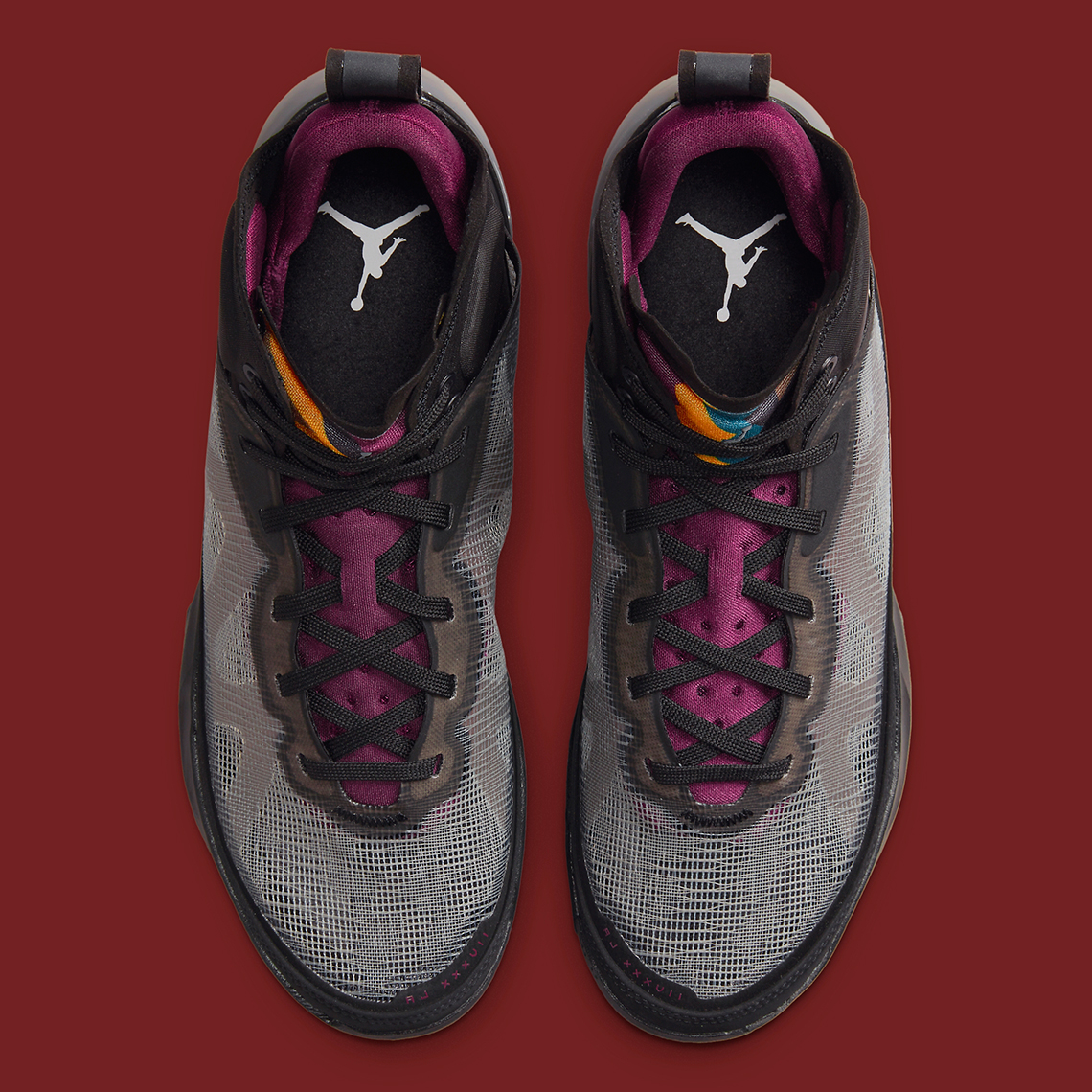
| Air Jordan 39 | ZoomX Foam / Full-length Zoom | $200 - $215 | Moderate | Pro Performance |
The Impact of Sustainability and Innovation in 2026
Jordan Brand has integrated "Move to Zero" initiatives into the Air Jordan line without sacrificing the heritage aesthetic. This involves using recycled polyester in shoe laces, recycled rubber in outsoles (Grind Rubber), and synthetic leathers that have a lower carbon footprint. Sneaker guides now frequently include sections on how these sustainable materials age compared to traditional leathers.
Furthermore, technical innovation continues through the current flagship model (the Air Jordan 40/41 era in 2026). These shoes serve as the testbed for the latest flight plates and cushioning setups, which eventually trickle down into the "Takeover" and "Academy" budget-friendly lines. Staying informed on these technical updates allows players to choose the best footwear for their specific physical needs on the court.
Frequently Asked Questions
What is the best way to get Air Jordan news before a release?
The most reliable way to stay informed is to follow official Nike newsrooms and subscribe to dedicated sneaker journalism platforms. Social media accounts that specialize in "early looks" and shipping container leaks often provide info 6-12 months before a shoe hits the shelves. Setting notifications for "Shock Drop" alerts on community-driven apps is also a standard practice in 2026.
Why do some Air Jordans cost significantly more than others?
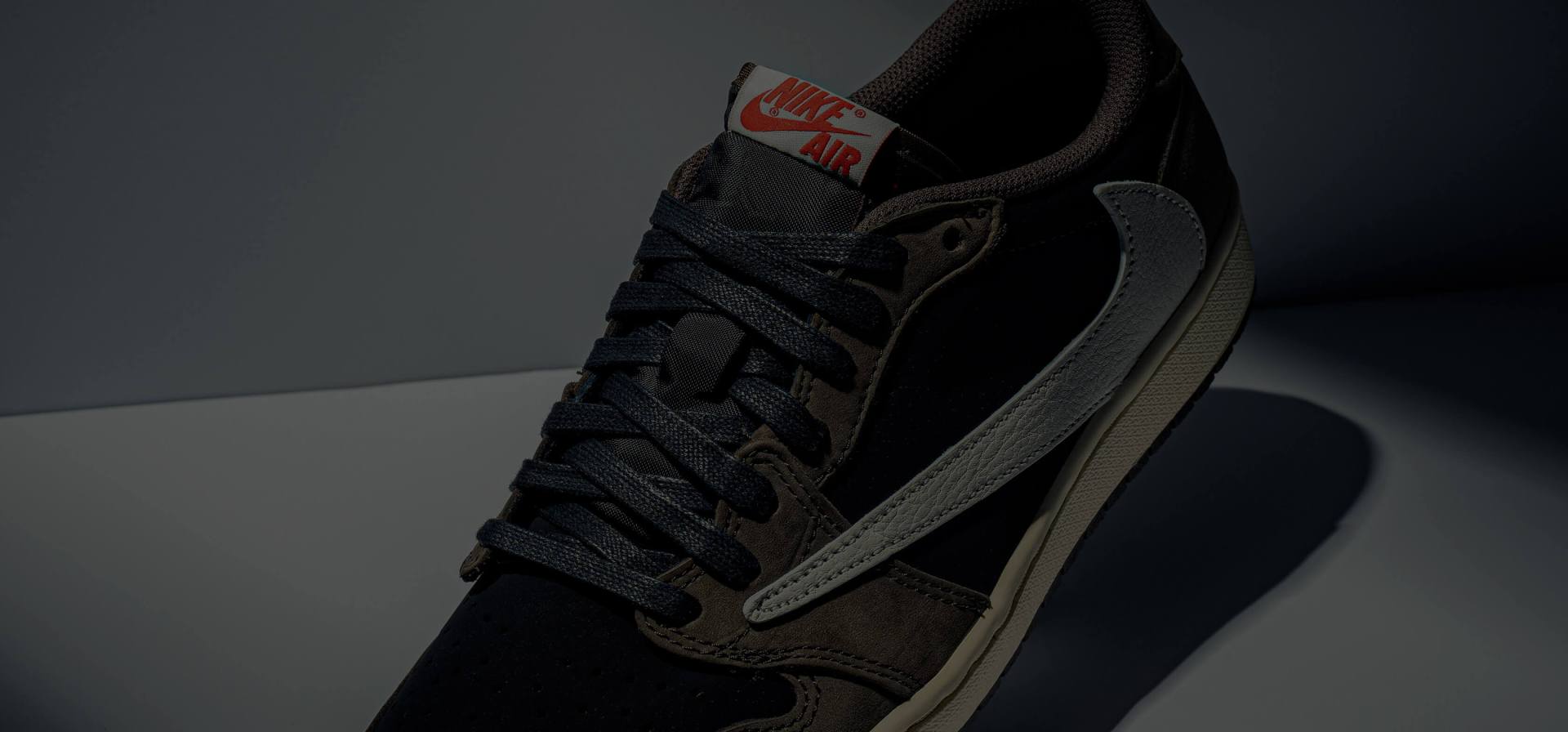
Pricing is generally determined by the "tier" of the release. Standard "Retro" releases have a fixed retail price, but collaborations with artists (e.g., Travis Scott) or high-fashion houses (e.g., Dior or Vuitton) use higher-quality materials and are produced in much smaller quantities. The resulting scarcity drives up the market value on the secondary resale market.
How can I tell if my Air Jordans are fake?
Check the "Inside Label" first; the font, spacing, and production dates should match verified retail pairs exactly. Additionally, inspect the box label for the correct font thickness and the presence of an RFID chip, which most 2026 Jordan boxes include for tracking and authentication. When in doubt, utilize a reputable third-party authentication service that requires high-resolution photos of the footbeds and stitching.
Can I still play basketball in Retro Air Jordans?
While models like the Jordan 1 through 14 were originally performance basketball shoes, their technology is now outdated compared to modern standards. For example, the cushioning in a Jordan 1 is minimal. While they can be worn for casual play, modern flagship models (like the Air Jordan 38 or 39) offer significantly better impact protection, traction, and ankle support for competitive athletics.
How do I stop my Air Jordan soles from turning yellow?
Yellowing is caused by oxidation. To slow this process, store your shoes in a cool, dry place away from direct sunlight. Using airtight storage containers with desiccant packs can help reduce moisture exposure. If they have already yellowed, you can apply a specialized sole-brightening cream containing hydrogen peroxide and expose them to UV light to reverse the chemical reaction.
Strategic Recommendations for Collectors
For those looking to build a sustainable and high-value Air Jordan collection in 2026, the best course of action is to focus on "OG" colorways and limited collaborations that have historical significance. Rather than attempting to purchase every weekly drop, prioritize the "Big Four": the Jordan 1, 3, 4, and 11. These models have historically maintained or increased their value better than experimental silhouettes. Always purchase from authorized retailers or secondary platforms that offer comprehensive buyer protection and physical authentication. Finally, invest in a high-quality cleaning kit and UV-protective storage to ensure your assets remain in "Deadstock" or "Near Deadstock" condition for the long term.