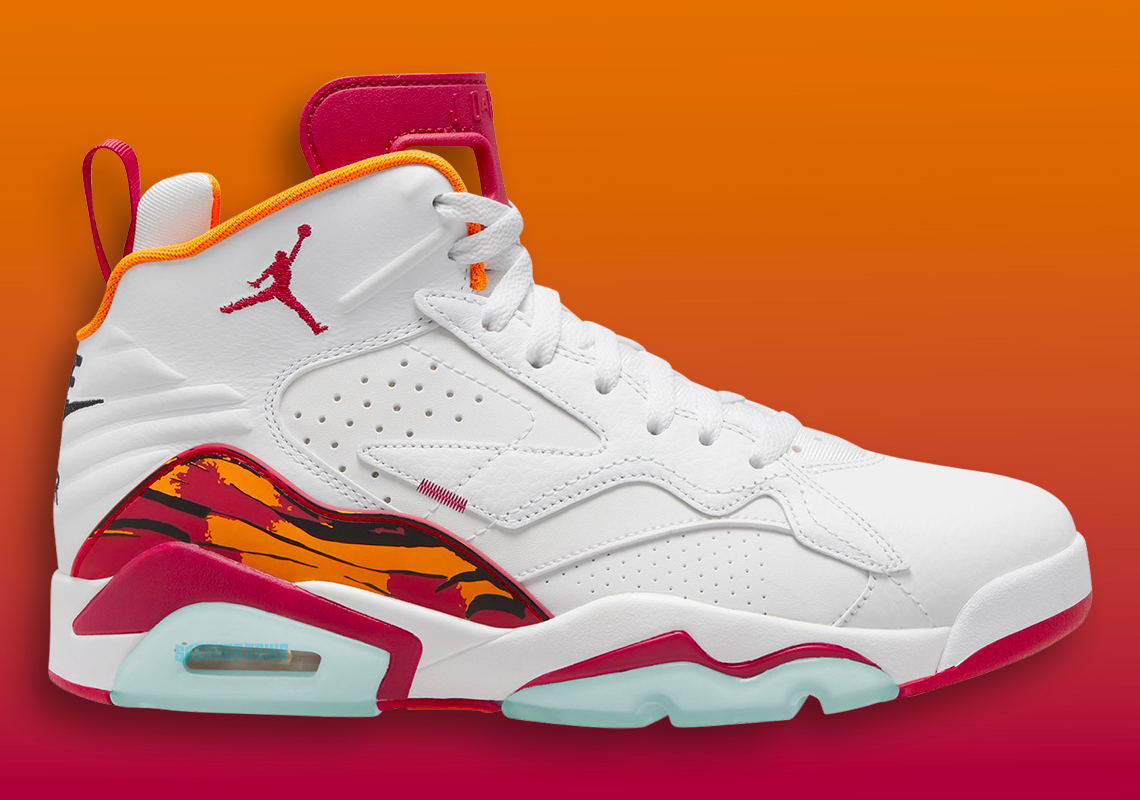
Air Jordan exclusive shoes are limited-production footwear releases characterized by restricted distribution, unique design collaborations, or athlete-specific customization. These sneakers often command significant premiums in the secondary market due to their scarcity, historical relevance to Michael Jordan's career, and their role as cultural status symbols.
Defining Exclusivity in the Air Jordan Ecosystem
To navigate the world of rare sneakers, one must first understand that "exclusivity" is not a monolithic term. In the context of 2026, the market distinguishes between several tiers of rarity, ranging from shoes available at high-end boutiques to those never intended for public consumption.
Player Exclusives (PEs)
Player Exclusives are sneakers designed specifically for an individual athlete. These often feature the athlete's jersey number, initials, or team-inspired colorways that are not released to the general public. While many PEs are made for Michael Jordan himself, Jordan Brand also produces PEs for its roster of sponsored athletes in the NBA, WNBA, and collegiate programs like the University of Oregon or the University of North Carolina (UNC).
Friends & Family (F&F)
Friends & Family releases are perhaps the most coveted tier of exclusivity. These are versions of a shoe—often a high-profile collaboration—that are gifted only to the inner circle of the designer or the brand. For example, a Travis Scott x Air Jordan collaboration may have a "General Release" (GR) colorway and a distinct "Friends & Family" colorway produced in extremely low quantities (often fewer than 100 pairs).
Samples and Prototypes
Samples are produced during the design phase to test materials, colors, and silhouettes. "Look-see" samples are used for aesthetic evaluation, while "Wear-test" samples are used for performance auditing. Because these are precursors to the final product, they often feature "Not for Resale" stamps and unique industrial coding on the interior lining. Finding a sample in the wild is a rarity that represents the pinnacle of sneaker collecting.
Tier 0 and Boutique Collaborations
Nike and Jordan Brand utilize a "Tier" system for retailers. Tier 0 accounts—such as Union LA, A Ma Maniére, and Atmos—receive the most limited collaborations. While these are technically "retail" releases, their low production numbers and high demand categorize them as exclusive within the broader market.
The Historical Evolution of Air Jordan Exclusivity
The concept of the exclusive sneaker began with the inception of the line in 1985. Initially, the "exclusivity" was simply the fact that Michael Jordan was the only person wearing specific colorways on the court. However, as the brand evolved, so did the strategy of artificial scarcity.
The 1985 Genesis
The Air Jordan 1 "Chicago" and "Bred" (Black and Red) set the foundation. While these were mass-produced for the era, the "Banned" narrative—where Nike allegedly paid a $5,000 fine every time Jordan wore the shoes—created an aura of forbidden exclusivity. This marketing masterstroke transformed a basketball shoe into a rebellious fashion statement.
The 1997 Independence
In 1997, Jordan Brand became a sub-brand of Nike, gaining the autonomy to create its own marketing and product identity. This era saw the introduction of "Team Jordan" models and the first major wave of "Retro" releases. By the early 2000s, Jordan Brand began experimenting with "LS" (LifeStyle) releases, which were only available at select locations, further segmenting the market into "those who knew" and "those who didn't."
The Collaboration Era (2010s–2020s)
The 2010s marked a shift toward external creative input. The 2017 "The Ten" collection by Virgil Abloh and Off-White redefined exclusive Jordans. By deconstructing the Air Jordan 1, Abloh bridged the gap between streetwear and high fashion. This period solidified the "hype" cycle, where digital raffles and bot-driven sell-outs became the norm for exclusive drops.
Determining Value: Why Rare Jordans Command Five Figures
As of 2026, the valuation of exclusive Air Jordans is driven by a combination of provenance, condition, and cultural storytelling. The market has matured from a hobbyist's pursuit into a recognized alternative asset class, often compared to fine art or vintage watches.
Scarcity and Production Numbers
The law of supply and demand is the primary driver of value. A "General Release" Air Jordan 11 might see a production run of one million pairs, keeping its resale value relatively close to the MSRP. In contrast, an "Eminem" Air Jordan 4, of which only a handful exist, can reach prices exceeding $50,000 at auction houses like Sotheby’s.
Provenance and Historical Significance
"Game-worn" and "Player-signed" exclusives sit at the top of the valuation pyramid. If a pair can be photo-matched to a specific game, particularly a playoff or championship game, its value increases exponentially. The "Dynasty Collection"—a set of six individual Air Jordans worn by Michael Jordan during his championship-clinching games—sold for $8 million in 2024, illustrating the massive financial weight of historical provenance.
The "Last Dance" Effect
Cultural media continues to influence value. The 2020 documentary The Last Dance caused an immediate and sustained spike in the value of OG (Original) 1985 pairs and their subsequent retros. This trend persists in 2026, as new generations of collectors discover Jordan’s legacy through digital archives and streaming content.
Comparison of Air Jordan Exclusivity Tiers
The following table outlines the different categories of Air Jordans and how they typically perform in terms of accessibility and market value in 2026.
| Category | Typical Production Volume | Accessibility | Estimated 2026 Resale Value | Primary Target Audience |
|---|---|---|---|---|
| General Release (GR) | 500,000+ units | High (Retailers) | $200 – $350 | Casual Consumers |
| Quickstrike (QS) | 10,000 – 50,000 units | Moderate (Raffles) | $400 – $1,200 | Sneaker Enthusiasts |
| Collaboration (Tier 0) | 5,000 – 20,000 units | Low (Boutiques) | $800 – $5,000 | Collectors / Hypebeasts |
| Friends & Family (F&F) | < 200 units | Extremely Low (Gifts) | $10,000 – $50,000+ | High-Net-Worth Investors |
| Player Exclusive (PE) | < 50 units | Near Zero (Athletes) | $15,000 – $100,000+ | Elite Curators |
Authenticating and Managing Exclusive Collections
With the rise in value of exclusive Air Jordans, the market for high-quality counterfeits (often called "UA" or Unauthorized Authentic) has also expanded. In 2026, authentication is a multi-step process involving both human expertise and technological verification.
- Materiality and Construction: Authentic exclusives use premium leathers, specific thread counts for stitching, and proprietary foam densities in the midsoles. Counterfeits often fail to replicate the "smell" of the factory glue and the specific texture of the "elephant print" or "durabuck" materials.
- UV Light Inspection: Many authentic Jordans feature invisible ink stamps or specific glowing patterns under UV light that are used for internal tracking during manufacturing. These are rarely replicated correctly by counterfeiters.
- Radio Frequency Identification (RFID): Modern exclusive releases often include RFID tags embedded in the tongue or heel. These tags can be scanned with a smartphone to verify the shoe's digital twin on a blockchain ledger, ensuring its authenticity and chain of custody.
- Box Tags and Typography: The fonts used on the box labels are a common "tell." Inconsistent spacing, incorrect font weights, or spelling errors on the "Suggested Retail" perforated tab are immediate red flags.
The Cultural Impact of the "Grail"
In the sneaker community, the term "Grail" refers to a shoe that a collector prizes above all others, often an exclusive pair that is difficult to find or afford. The pursuit of these shoes has fostered a global community that transcends language and borders.
The "Grail" status of exclusive Jordans has shifted the brand from a sports apparel company to a luxury powerhouse. This is evidenced by the 2020 collaboration with Dior, which featured an Air Jordan 1 crafted in Italy with Dior-monogrammed swooshes. This release, priced at $2,000 at retail, now serves as a benchmark for the "Lux-Jordan" category, where exclusivity is defined by both price and the prestige of the collaborating house.
Common Questions Regarding Air Jordan Exclusives
What is the difference between a "Retro" and an "OG"?
An "OG" (Original) refers to a pair that was manufactured during the year the shoe originally debuted (e.g., a 1985 Air Jordan 1). A "Retro" is a modern re-release of that same silhouette. While Retros can be exclusive, OGs are inherently more valuable due to their age and historical authenticity.
Why are some regional exclusives only released in certain countries?
Jordan Brand utilizes regional exclusives to build localized demand and honor specific sneaker cultures. For instance, some "CO.JP" (Concept Japan) releases were originally exclusive to Japan in the early 2000s. These regional restrictions create "gray market" demand where collectors in other countries pay premiums to import them.
Do exclusive Air Jordans make for a good financial investment?
While many exclusive pairs have outperformed the S&P 500 over the last decade, sneaker investing carries risks. Market trends can shift, and physical degradation (such as "crumbling" midsoles on older Air Jordan 3s or 4s) can render a shoe valueless if not stored in a climate-controlled environment.
What does "DS" mean in the context of exclusive shoes?
"DS" stands for Deadstock. This means the shoe is in brand-new condition, has never been worn, and includes the original box and all accessories (such as extra laces or hangtags). For high-value exclusives, even trying on a shoe can reduce its resale value by 20% to 40%.
How can I get access to exclusive releases in 2026?
Most exclusive drops occur through the Nike SNKRS app via a "Draw" (raffle) system. Additionally, following high-end boutiques on social media and participating in their in-store or digital raffles is the most common way to secure pairs at retail price.
Strategic Approach to Building a Collection
For those looking to enter the world of exclusive Air Jordans, the most sustainable approach is to focus on a specific niche rather than attempting to buy every "hyped" release. Whether it is a focus on "OG Colorways," "Collegiate PEs," or "Designer Collaborations," specialized knowledge allows a collector to identify undervalued pairs before they peak in price.
Always prioritize shoes with a verifiable "paper trail" or those purchased through reputable marketplaces that offer ironclad authentication guarantees. In the 2026 landscape, the value of an exclusive Air Jordan is as much about the security of its authentication as it is about the physical shoe itself.