Air Jordan culture is a global socio-economic phenomenon centered on the signature footwear line created for Michael Jordan. It represents a unique intersection of athletic performance, hip-hop influence, and high-stakes commerce. For enthusiasts, it is a lifestyle involving historical preservation, fashion expression, and a sophisticated resale market driven by scarcity and nostalgia.
Since its inception in 1984, the Air Jordan brand has evolved from a performance basketball tool into a cornerstone of modern street fashion. The culture surrounding these sneakers is not merely about consumerism; it is a complex community of "sneakerheads" who track release dates, study design lineages, and participate in a multibillion-dollar secondary market. In 2026, this culture remains as vibrant as ever, balancing its rich heritage with the demands of a digital-first, authenticity-focused global audience.
The Genesis of a Movement: 1984 and the "Banned" Legend
The foundation of Air Jordan culture was built on a mix of unprecedented talent and clever marketing. When Michael Jordan signed with Nike in 1984, the sneaker landscape was dominated by brands like Converse and Adidas. Nike, then a struggling running shoe company, took a massive gamble on a rookie from North Carolina. The release of the Air Jordan 1 in 1985 shattered the industry standard for athlete endorsements.
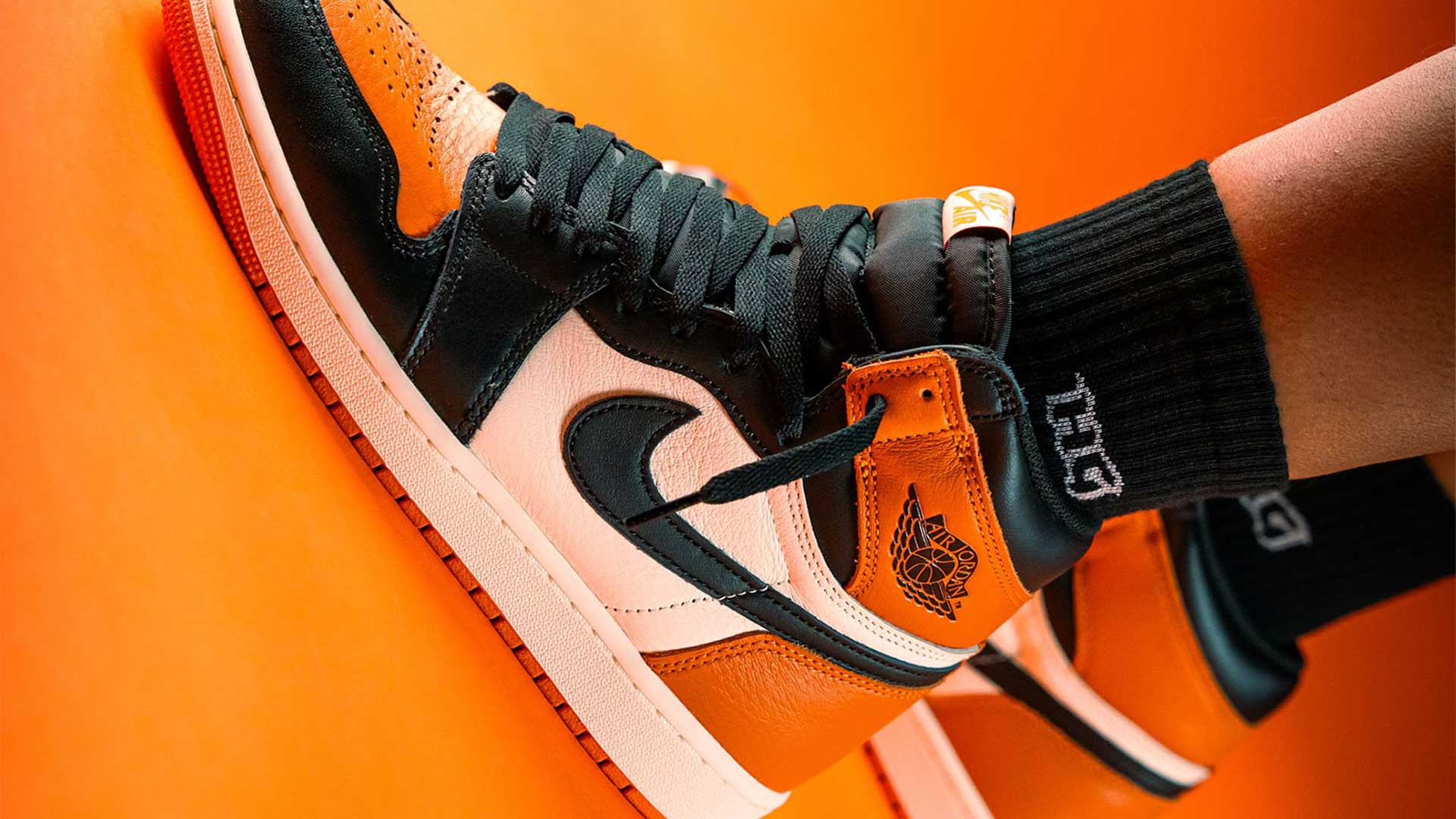
The culture was ignited by the "Banned" narrative. The NBA’s uniform policy at the time required shoes to be majority white; Jordan’s black and red (Bred) sneakers violated this rule. Nike famously paid the $5,000-per-game fines, using the controversy to frame the shoes as a symbol of rebellion and elite status. This narrative transformed a piece of athletic equipment into a cultural artifact. By 2026, the original "Chicago" and "Bred" colorways remain the most coveted "Grails" in the community, serving as the benchmark for all subsequent releases.
The early years established the concept of the "colorway"—specific combinations of colors that tell a story or represent a specific moment in Jordan’s career. Understanding these nuances is a prerequisite for participating in the culture. For example, the "Infrared" 6s are synonymous with Jordan’s first championship in 1991, while the "Flu Game" 12s represent his legendary performance against Utah in 1997.
The Architect of Style: Tinker Hatfield’s Design Philosophy
If Michael Jordan provided the soul of the brand, designer Tinker Hatfield provided its architectural blueprint. Hatfield, who took over the line with the Air Jordan 3, introduced elements that moved the brand into the realm of luxury and high fashion. He was the first to realize that basketball players wanted shoes that could be worn with a suit just as easily as on the court.
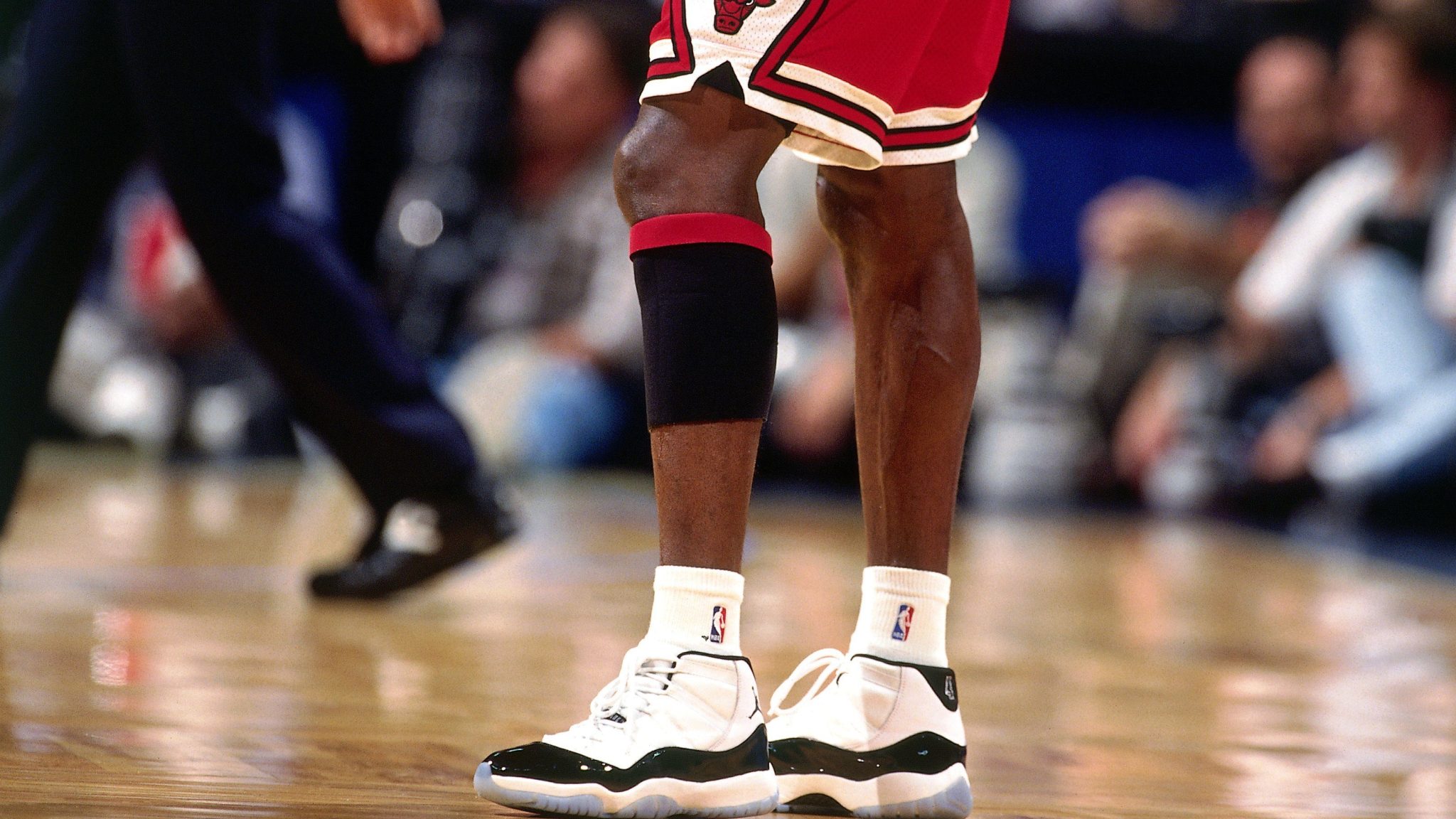
Hatfield’s contributions, such as the introduction of the "Jumpman" logo, visible Air units, and the use of non-traditional materials like elephant print and patent leather, fundamentally changed how the public perceived sneakers. The Air Jordan 11, released in 1995, is perhaps the ultimate example of this. Its patent leather construction was a radical departure from leather and nubuck, signaling that sneakers were now a legitimate form of high-end design.
The design language created during the "Tinker Era" (AJ3 through AJ15) remains the primary focus of modern collecting. Collectors in 2026 still prioritize these silhouettes, often referred to as "Retros" when re-released. The technical specifications of these shoes—carbon fiber spring plates, Zoom Air cushioning, and asymmetrical lacing systems—are studied by enthusiasts with the same intensity as automotive or horological specifications.
The Cultural Intersection: Music, Film, and Streetwear
Air Jordan culture is inseparable from the rise of hip-hop and the democratization of fashion. In the late 1980s and early 1990s, figures like Spike Lee (as Mars Blackmon) and artists in the burgeoning rap scene adopted Jordans as a symbol of urban success. This wasn't just about sports; it was about identity. Seeing a pair of Jordan 4s on the feet of a prominent artist in a music video carried more weight than any traditional advertisement.
This intersection created a feedback loop. As hip-hop became the dominant global culture, Air Jordans became its unofficial uniform. This led to a shift where the "lifestyle" aspect of the brand began to outpace its "performance" origins. By 2026, collaborations with non-athletes—such as Travis Scott, Fragment Design, and luxury houses like Dior—have become more central to the brand's heat than new performance models.
These collaborations serve as bridges between different subcultures. A Travis Scott Air Jordan 1 combines the aesthetics of "Mocha" earth tones and reversed swooshes with the massive cultural reach of modern music, attracting a younger demographic that may have never seen Michael Jordan play live. This ensures the culture’s longevity by constantly refreshing its relevance through contemporary lenses.
Navigating the Modern Sneaker Economy
The commercial side of Air Jordan culture has shifted from physical lineups outside retail stores to complex digital ecosystems. The introduction of the Nike SNKRS app and the rise of secondary platforms like StockX and GOAT have commodified sneakers into a legitimate asset class.
In 2026, participating in the culture requires an understanding of market dynamics, including:
- The "Drop" Mechanics: Most high-heat releases occur via "draws" or "raffles," where demand vastly outstrips supply. This scarcity drives the "hype" that sustains the brand.
- Authentication Standards: As the value of certain pairs climbs into the thousands of dollars, the prevalence of high-quality counterfeits has made third-party authentication a mandatory step for any serious buyer.
- The "Retro" Cycle: Jordan Brand strategically re-releases older models every few years. Collectors must decide whether to buy a "New" retro or hunt for an "OG" (Original) pair from a specific year, which often carries a higher premium due to "accurate" shape and materials.
| Model | Original Year | Key Feature | Cultural Significance |
|---|---|---|---|
| Air Jordan 1 | 1985 | High-top leather / Wings Logo | The "Banned" origin; the most versatile lifestyle silhouette. |
| Air Jordan 3 | 1988 | Elephant Print / Visible Air | Saved the Nike/Jordan partnership; introduced the Jumpman. |
| Air Jordan 4 | 1989 | Flight Logo / Mesh Netting | Featured in Do The Right Thing; global streetwear icon. |
| Air Jordan 11 | 1995 | Patent Leather / Carbon Fiber | The "Space Jam" shoe; the bridge between sport and formal wear. |
| Air Jordan 13 | 1997 | Holographic "Cat Eye" | Worn during the "Last Dance" championship season. |
The Ethics and Challenges of Collecting
As Air Jordan culture has scaled, it has faced significant challenges. The most prominent issues involve accessibility and the ethics of the resale market. For many "OG" collectors, the shift toward "botting"—using automated software to purchase stock instantly—has soured the experience of collecting. The frustration of being "locked out" of retail prices has created a divide between those who collect for the love of the history and those who treat sneakers purely as a "flip" for profit.
Furthermore, the environmental impact of sneaker production has become a focal point in 2026. The culture is beginning to demand more sustainable practices, leading to the "Move to Zero" initiatives where Jordan Brand incorporates recycled materials into iconic silhouettes. Collectors are now weighing the historical accuracy of a shoe against its ecological footprint, a trade-off that was virtually non-existent a decade ago.
The concept of "authenticity" has also expanded. It no longer just refers to the shoe's physical construction but also to the "vibe" or "spirit" of the wearer. In the community, "wearing your kicks" (actually using the shoes rather than keeping them in a box for investment) has become a badge of honor, a way to reclaim the culture from pure speculators.
How do I know if my Air Jordans are authentic?
Authentication in 2026 relies on a combination of physical inspection and digital verification. Look for consistent stitching, the correct "scent" of factory glue, and accurate font on the size tag. Most serious collectors use reputable secondary marketplaces that offer professional authentication services or mobile apps that use AI to compare your pair against a database of verified retail units.
What is the difference between "OG," "Retro," and "PE"?
"OG" refers to the original release from the year the shoe first debuted. "Retro" refers to a re-release of a previous model. "PE" stands for "Player Exclusive," which are versions made specifically for professional athletes and are generally not released to the general public, making them extremely rare and expensive on the secondary market.
Why are some Air Jordans so expensive on the resale market?
The price is driven by the law of supply and demand. Nike intentionally limits the production of high-demand colorways and collaborations. When the retail supply is exhausted, the secondary market dictates the price based on "hype," historical significance, and the size of the production run.
Are newer Air Jordan models (30+) part of the culture?
While the culture leans heavily on Retros (Models 1-14), the newer performance models are vital to the "on-court" culture. These shoes represent the cutting edge of basketball technology and are frequently worn by current NBA stars like Zion Williamson and Jayson Tatum. They may not hold the same resale value as a Jordan 1, but they are essential to the brand's identity as a performance leader.
How should I store my Air Jordans to prevent crumbling?
The polyurethane midsoles of older Jordans (especially the 3, 4, 5, and 6) will eventually oxidize and "crumble" if not stored correctly. To maximize lifespan, store them in a cool, dry place away from direct sunlight. Using moisture-absorbing packets and occasionally wearing the shoes can actually help maintain the integrity of the foam by compressing the air bubbles and preventing them from becoming brittle.
Strategic Guidance for Entering the Culture
For those looking to engage with Air Jordan culture in 2026, the best approach is to prioritize education over immediate acquisition. Start by researching the history of the "Championship" models to understand why certain shoes hold more weight than others. Avoid the temptation to buy every "hyped" release; instead, curate a collection that reflects your personal style or a specific era of Michael Jordan's career.
The most practical next step is to download the official Jordan Brand apps and join reputable community forums. Engage with the community not as a consumer, but as a student of the design and the history. By focusing on the stories behind the shoes rather than just the price tag, you will find a more rewarding and sustainable way to participate in this enduring global movement.