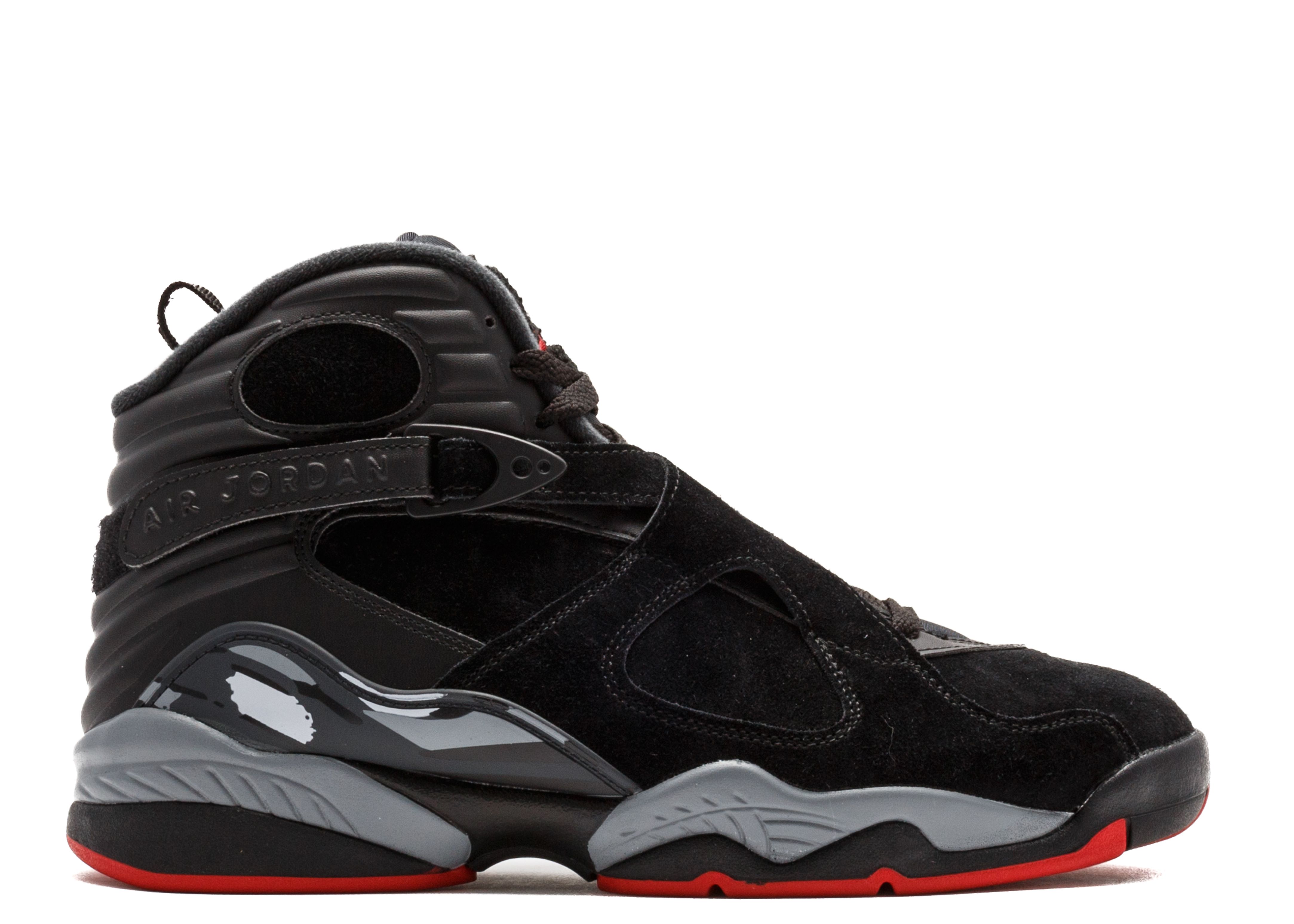
The Air Jordan 8 is a landmark basketball sneaker originally released in 1993, characterized by its distinctive dual-strap "crossover" system and heavy-duty construction. Designed by Tinker Hatfield, it served as the footwear for Michael Jordan’s third consecutive NBA championship and remains a pillar of sneaker culture for its bold, 1990s-era aesthetic and technical complexity.
The Air Jordan 8 (AJ8) occupies a unique space in the Jordan Brand lineage. Arriving at the height of "Jordan-mania," it was the last shoe Michael Jordan wore before his first retirement in October 1993. In 2026, the silhouette continues to be a subject of intense interest for collectors and performance enthusiasts alike, representing the pinnacle of early-90s maximalist design. To understand the AJ8 is to understand a period where basketball footwear transitioned from pure athletic gear into a cultural phenomenon.
Historical Context: The 1993 Three-Peat and "The Bug"
The release of the Air Jordan 8 coincided with one of the most high-pressure periods in Michael Jordan's career. During the 1992-93 NBA season, Jordan was pursuing his third straight title—a "Three-Peat"—while dealing with immense media scrutiny. Tinker Hatfield, the lead designer, wanted the shoe to reflect Jordan's dominance and the physical toll of the game.
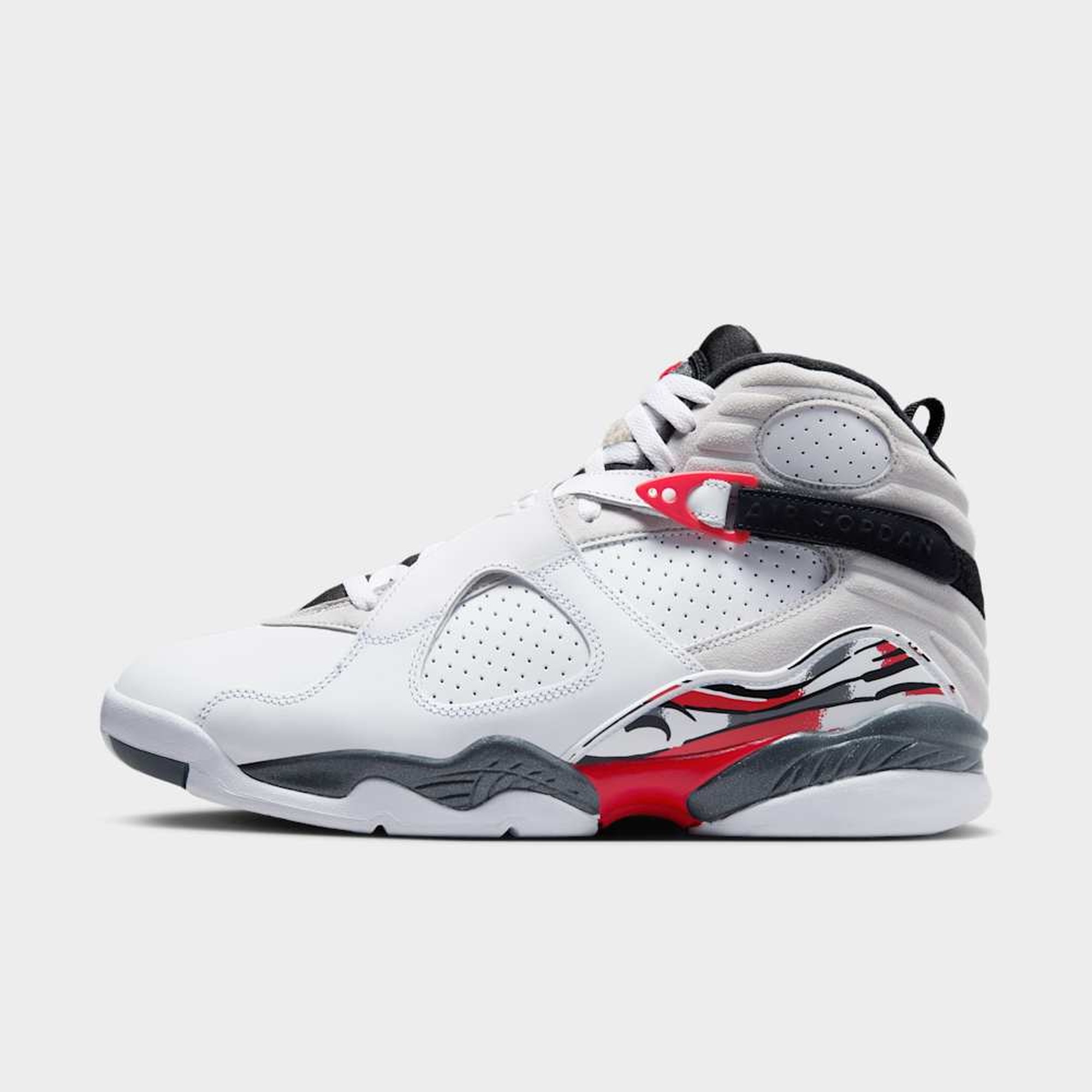
Unlike the minimalist Air Jordan 7 that preceded it, the AJ8 was heavy, armored, and visually aggressive. It was also the first Jordan shoe to lack any visible Nike branding on the exterior, a bold move that signaled Jordan Brand's growing independence as a standalone entity. The shoe became inextricably linked to pop culture through the "Hare Jordan" advertising campaign, which featured MJ alongside Bugs Bunny. This partnership not only solidified the shoe's commercial success but also gave rise to the "Bugs Bunny" nickname for the original White/True Red/Flint Grey colorway.
By the time the Chicago Bulls defeated the Phoenix Suns in the 1993 Finals, the Air Jordan 8 had cemented its place in sports history. Jordan averaged a record-breaking 41 points per game during that series, all while wearing the "Playoff" 8s. Consequently, for many fans, the shoe is a physical symbol of the peak of the first Chicago Bulls dynasty.
Technical Architecture and Design Innovations
The Air Jordan 8 was a significant departure from the lightweight, Huarache-inspired design of the AJ7. Hatfield focused on "lockdown" and support, leading to several technical features that were revolutionary for the time, though they made the shoe one of the heaviest in the signature line.
The Dual-Strap Lockdown System
The most defining feature of the AJ8 is the dual "crossover" straps. These straps were designed to pull the upper tight against the foot, providing lateral stability and reducing internal foot movement during hard cuts. While effective for professional athletes, the straps added significant weight and reduced breathability. In the 2020s, these straps are often worn "unstrapped" in lifestyle settings to provide a more relaxed look and feel.
Midsole and Cushioning
The AJ8 utilizes a full-length Polycarbonate torsion plate. This was a high-tech material choice in 1993, intended to prevent the shoe from twisting while maintaining structural integrity. For cushioning, the shoe features encapsulated Air-Sole units in both the forefoot and the heel. While it lacks the visible Air window found in the AJ3 through AJ6, the internal cushioning provided a balance of impact protection and court feel that was preferred by many power guards and forwards of the era.
Material Composition and Interior
Original versions and high-quality retros primarily use Durabuck (a synthetic nubuck) or premium leather, depending on the colorway. The interior features a dynamic-fit neoprene inner bootie. This bootie, inherited from the AJ7, provides a "second skin" feel that helps compensate for the shoe's external bulk. One of the most recognizable artistic touches is the chenille (carpet-like) Jumpman logo on the tongue, which remains a favorite detail among enthusiasts for its unique texture.
Performance Evaluation in 2026: Lifestyle vs. Court
As we evaluate the Air Jordan 8 in 2026, it is important to distinguish between its role as a historical performance shoe and its current status as a lifestyle icon. Modern basketball footwear has pivoted toward ultra-lightweight synthetics and high-energy return foams like ZoomX or React.
For modern competitive play, the AJ8 is often considered too heavy and "hot." The lack of ventilation—caused by the thick upper materials and the overlapping straps—means the shoe does not breathe well during high-intensity games. However, for recreational play or players who prioritize ankle stability and a "tank-like" feel, the AJ8 still offers substantial support that many modern "knit" shoes lack.
In a lifestyle context, the AJ8 is highly valued for its durability. The robust construction means that a pair of AJ8s can often withstand years of casual wear. The aesthetic, which includes the colorful graphic "mudguards" on the heel, fits perfectly with the recurring 90s fashion trends that remain prevalent in 2026.
Comparison of Early 90s Air Jordan Models
The following table compares the Air Jordan 8 with its immediate predecessor and successor to highlight its technical positioning.
| Feature | Air Jordan 7 (1992) | Air Jordan 8 (1993) | Air Jordan 9 (1994) |
|---|---|---|---|
| Design Focus | Minimalist / Lightweight | Maximum Support / Lockdown | Global Brand Identity |
| Lockdown Tech | Neoprene Bootie | Dual Crossover Straps | Speed Lacing System |
| Weight | Light | Heavy | Moderate |
| Shank Plate | None | Polycarbonate | Internal |
| Branding | Minimal External | No Nike Branding | Global Symbols on Heel |
| Best For | Agility / Speed | Stability / Power | Versatility |
Iconic Colorways and Their Market Impact
The Air Jordan 8 is famous for its limited but impactful original colorway run. These "OG" colors continue to drive the most value in the secondary market.
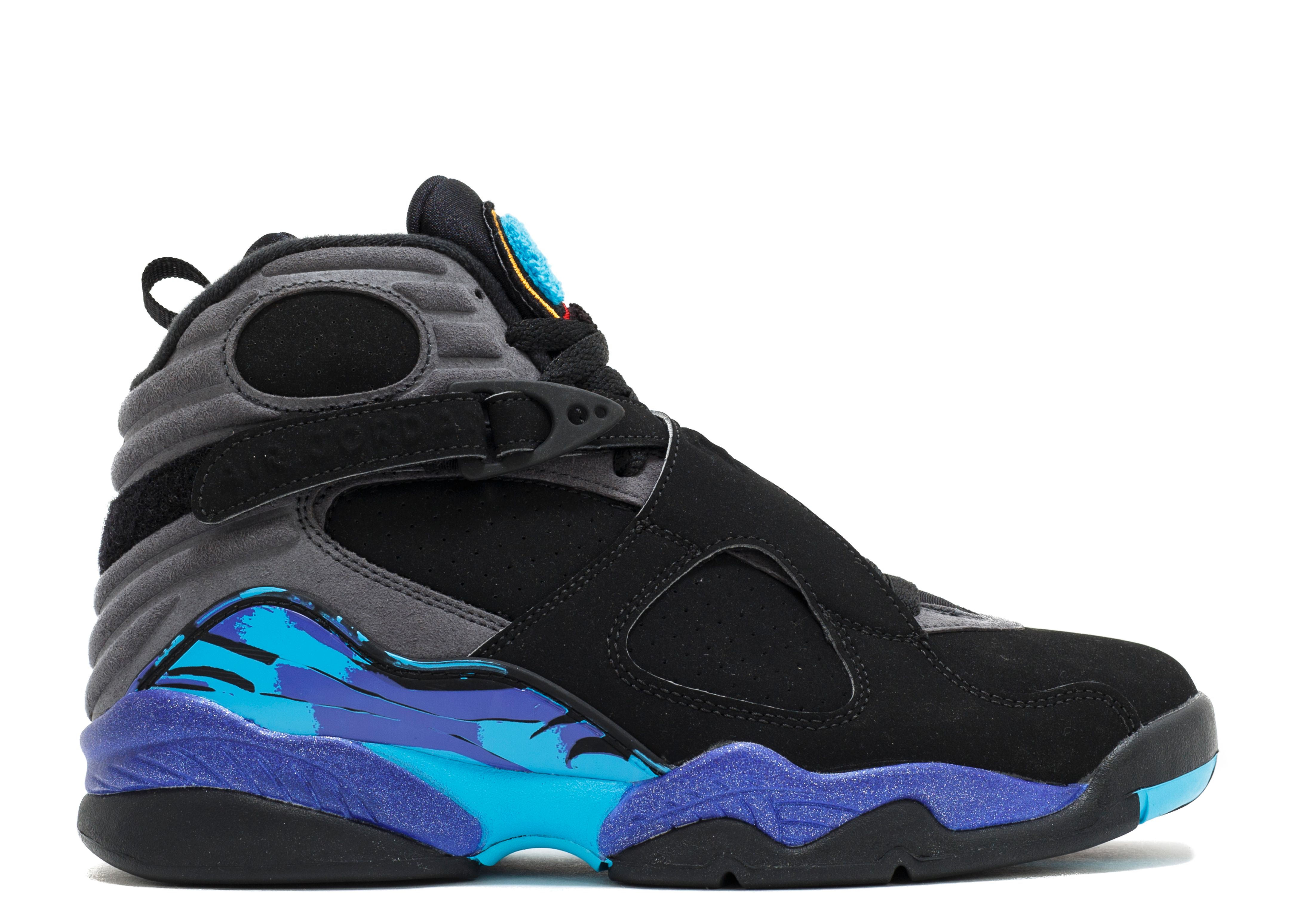
- The "Aqua": Debuted by Jordan during the 1993 All-Star Game, this colorway features a black upper with vibrant aqua and purple accents. In 2026, it remains one of the most sought-after non-team colorways in the entire Jordan catalog.
- The "Bugs Bunny" (White/True Red): The primary "home" colorway. Its clean white base and bold red/grey accents make it the most recognizable version of the shoe.
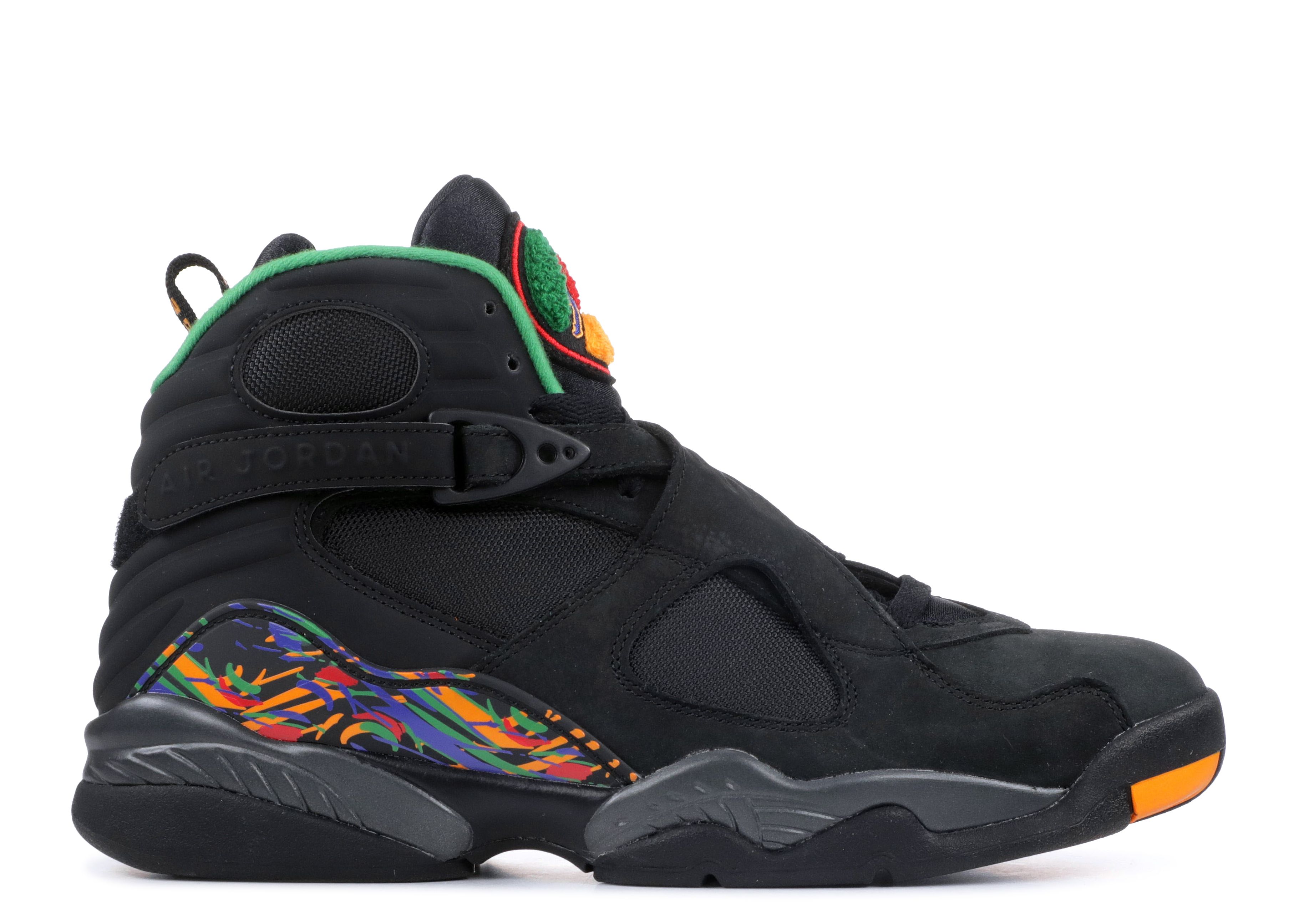
- The "Playoff": A black-based colorway with unique graphic patterns on the lining and mudguard. This is the shoe MJ wore as he secured the 1993 championship.
- Modern Collaborations: In recent years leading up to 2026, collaborations with entities like OVO (Drake’s label) and Quai 54 have introduced premium materials like leather and suede variations that command high resale prices, often exceeding $400 for deadstock (unworn) pairs.
Buying and Maintenance Guide for Collectors
When purchasing an Air Jordan 8 in 2026, buyers must be aware of the "age factor," especially for older retro releases or original pairs.
Avoiding Hydrolysis
The AJ8 features a polyurethane midsole. Over time, polyurethane absorbs moisture from the air, leading to a chemical reaction called hydrolysis. This causes the midsole to crumble. If you are buying a pair from a release older than 10 years (such as those from 2013 or 2015), they should be inspected carefully. In 2026, it is generally recommended to buy retros released within the last 5-7 years if you intend to wear them.
Verification and Authenticity
Due to the complexity of the AJ8—specifically the straps, the chenille logo, and the detailed graphics on the mudguard—high-quality replicas exist. Buyers should verify the following:
- The Chenille Logo: The "carpet" texture on the tongue should be dense and well-defined, not flat.
- Strap Placement: The velcro should be strong, and the "23" embroidery on the straps should be crisp.
- The Graphics: The colors and patterns on the heel guard should match official Nike imagery exactly; slight deviations in the "brushstroke" patterns often indicate a counterfeit.
Frequently Asked Questions
Are Air Jordan 8s comfortable for daily wear?
The Air Jordan 8 offers a very secure, "snug" fit due to the inner bootie and straps, which many find comfortable for long durations. However, because they are heavily insulated and lack ventilation, they can become quite warm in summer months. It is widely recommended to wear them with moisture-wicking socks to mitigate heat buildup.
How do the "straps" affect the fit of the shoe?
The crossover straps are functional, not just decorative. When tightened, they pull the midfoot into the footbed, providing excellent lateral support. For those with wider feet, the straps can sometimes feel restrictive; many users choose to leave the top strap loose or unhooked to allow for more movement and a wider fit.
What is the most famous colorway of the Air Jordan 8?
The "Aqua" and the "Playoff" are generally considered the most famous. The "Aqua" is celebrated for its unique 90s color palette, while the "Playoff" holds the most historical significance as the shoe worn during the 1993 NBA Finals clincher.
Do Air Jordan 8s run true to size?
Generally, the AJ8 runs true to size (TTS). However, because of the inner sleeve and the lockdown straps, the fit is much tighter than a standard sneaker. If you prefer a roomier feel or have a very wide foot, going up a half-size is common. It is best to try them on with the type of socks you intend to wear, as thick athletic socks will make the shoe feel significantly tighter.
How should I store my Air Jordan 8s to prevent crumbling?
To maximize the lifespan of the polyurethane midsole, store your shoes in a cool, dry environment with consistent airflow. Avoid storing them in original cardboard boxes for decades, as the acid in the cardboard and the lack of air can accelerate hydrolysis. Using silica gel packets to control moisture and occasionally wearing the shoes (which compresses the foam and pushes out trapped moisture) can actually help preserve the structural integrity of the sole.
Recommendations for Sneaker Enthusiasts
For those looking to add an Air Jordan 8 to their collection in 2026, the primary recommendation is to prioritize recent Retro releases to ensure the longevity of the materials. If you are a performance player, consider the AJ8 for its historic "cool factor" and stability during light runs, but look toward modern Jordan Brand performance models for serious competitive play. For collectors, focusing on the "Big Three" OGs—Aqua, Playoff, and White/True Red—remains the safest investment, as these colorways have historically maintained or increased in value regardless of market fluctuations. Always use reputable secondary market platforms that offer professional authentication services to protect your purchase from the sophisticated replicas currently in circulation.